Why Does Your Acne Treatment Plan Keep Failing?
You didn’t fail at acne. Your routine failed you. Here’s how to build an acne treatment plan that finally works.
You’ve heard it all before. Someone told you to wash your face more. Someone sold you a $60 serum. Someone swore a miracle cleanser changed their life. You tried it. You waited. Nothing happened, or it got worse. So now you roll your eyes at the words “acne treatment plan.”
Good. I want you skeptical. Stay that way through the whole post.
Table of Contents
Disclosure: Some links below are Amazon affiliate links. If you buy through them, I may earn a small commission at no extra cost to you. For more guides, browse the full library at Better Acne Treatment.
Why Acne Products Don’t Work (And Why Your Doubt Is Fair)
Let’s start with what you got right. Most acne advice is junk. The skincare industry makes money when you keep buying. A product that cures you once is a bad business model.
Here’s the part nobody tells you, though. The products usually weren’t the problem.
Think about the last thing you tried. How long did you use it? Two weeks? Three? Did you use it every single day? Did you use anything else with it?
That’s not a character flaw. Nobody told you the rules. Acne medicine doesn’t work like a headache pill. It works like a gym membership. You don’t get abs after two weeks of sit-ups.
Here’s what the skeptic in you needs to hear. You didn’t prove that treatment doesn’t work. You proved that random products, used for a few weeks, don’t work. That’s a completely different claim.
A plan fixes that. A plan means the right ingredients, in the right combination, for long enough to matter. That’s all it is.
What Causes Acne? 4 Problems Happening at Once
Acne is the most common skin condition in the United States. It affects up to 50 million people a year, according to the American Academy of Dermatology. And it isn’t one problem. It’s four problems happening at once.
Your skin makes extra oil. Dead skin cells clog your pores. A common skin bacteria, C. acnes, feeds on that oil. Your body reacts with redness and swelling. Not all breakouts look alike, either. Red, sore bumps are inflamed acne, while blackheads and whiteheads are not. Our guide to inflamed vs. non-inflamed acne explains the difference.
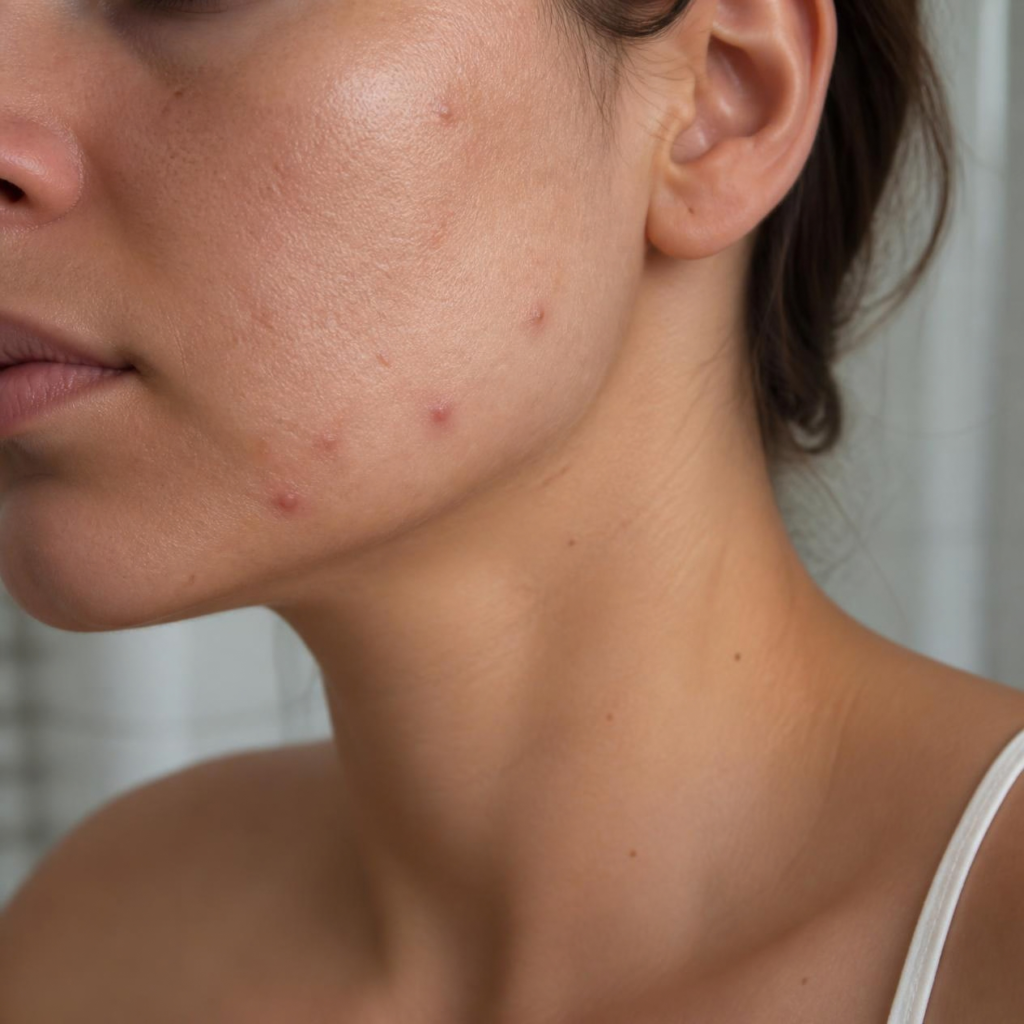
Now look at your old routine. Most products attack one of these. Many attack none. A face wash can’t fix this. Acne isn’t dirt. You can’t scrub it away. In fact, scrubbing makes it worse. It irritates your skin and fuels the swelling.
Picture a leaky roof with four holes. You patched one and called it a day. Then you decided roofs can’t be fixed. That’s what happened to you.
An acne treatment plan covers all four holes. That’s the entire secret. It’s not magic. It’s coverage.
So what is the best acne treatment plan?
The Best Acne Treatment Plan, in Short
A good acne treatment plan combines a gentle cleanser, benzoyl peroxide in the morning, adapalene at night, moisturizer, and sunscreen. Together they target oil, clogged pores, bacteria, and swelling. Use it daily for 8 to 12 weeks before judging results. If skin hasn’t improved by week 12, see a dermatologist.
Best Acne Treatment Ingredients: Retinoids, Benzoyl Peroxide, and Azelaic Acid
Here’s what I love about acne treatment. The science isn’t new, flashy, or controversial. Dermatologists have used the same core tools for decades. The American Academy of Dermatology’s acne guidelines back combination treatment for most acne. They don’t say “pick one.” They say “stack them.”
Why does that matter? Because each ingredient covers a hole the others miss. Here’s the quick breakdown:
- Retinoids for acne (like adapalene): Keep pores from clogging in the first place.
- Benzoyl peroxide: Kills bacteria. Bacteria can’t build resistance to it.
- Azelaic acid: Reduces swelling and helps fade the dark marks left behind.
- Oral acne medication: For stubborn cases, doctors can add pills.
Simple Acne Treatment Routine: Morning and Night Steps
Let’s make this concrete. Say you have mild to moderate breakouts on your cheeks and forehead. Here’s a simple, evidence-based starting routine.
Morning Acne Routine
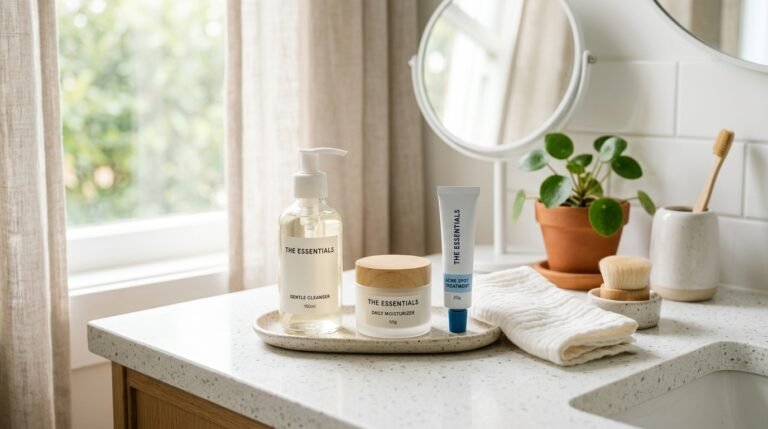
Wash with a gentle cleanser. Apply benzoyl peroxide. Add a light moisturizer. Finish with sunscreen.
Night Acne Routine
Wash with the same gentle cleanser. Apply a pea-sized amount of adapalene to the whole face. Add moisturizer.
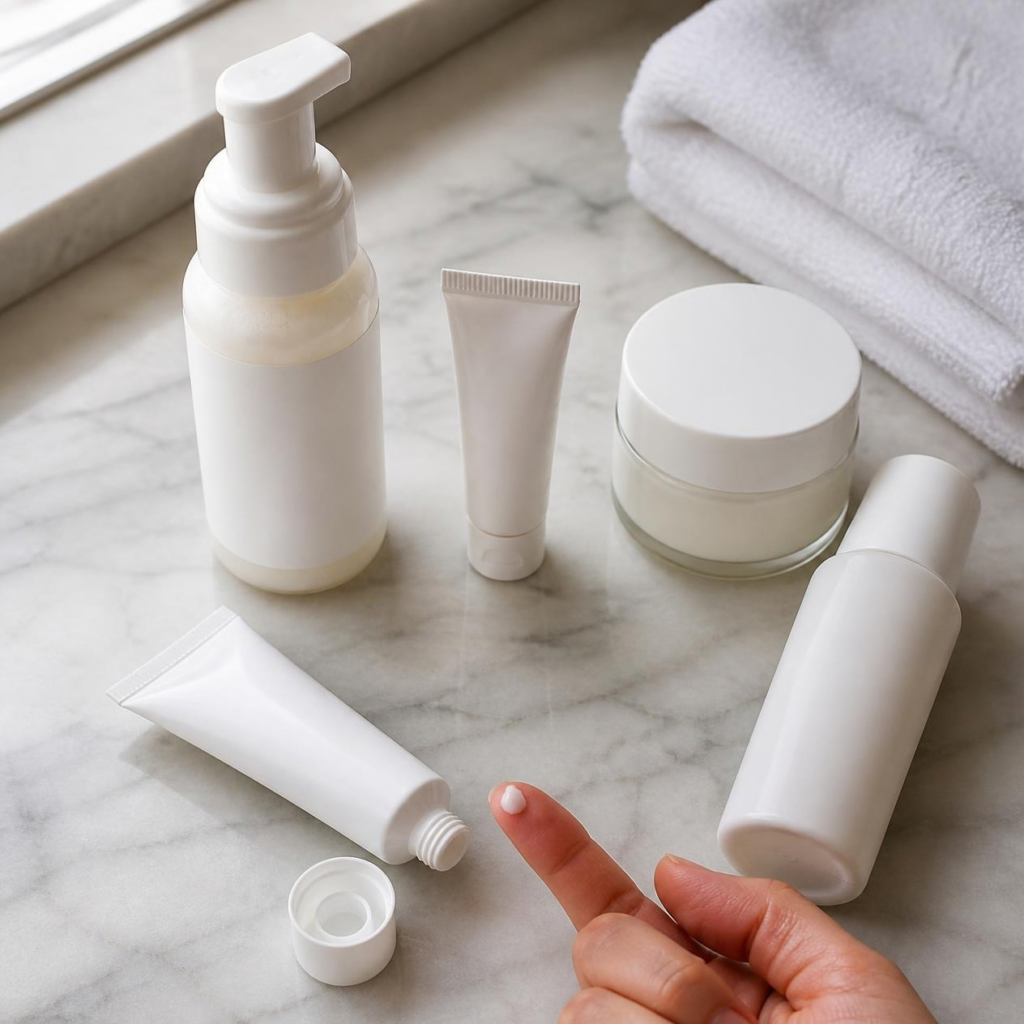
Notice what’s missing. No ten-step routine. No $90 serum. No harsh scrubs. Notice what’s there. Every piece has a job.
If you’re pregnant or planning to be, talk to your doctor before you start a retinoid. Clinical reviews of topical retinoids flag pregnancy as a key caution.
Why You Apply Acne Treatment to Your Whole Face
Now the key words: whole face. Most people dab treatment on pimples. That’s like watering one weed.
Here’s why it fails. Acne starts under the skin. Tiny clogs, called microcomedones, form weeks before you see a bump. Retinoids treat these hidden clogs. So you apply them everywhere, even on skin that looks clear.
You’re not treating today’s pimples. You’re stopping next month’s. Once you make that mental switch, everything changes.
Acne Treatment Shopping List: Cleanser, Benzoyl Peroxide, Adapalene, Moisturizer, and Sunscreen
Here’s everything in the routine above, in one place. Each link opens a search for that product type on Amazon, so you can compare prices and reviews and pick the brand you like.
- Gentle cleanser: Browse gentle, fragrance-free facial cleansers
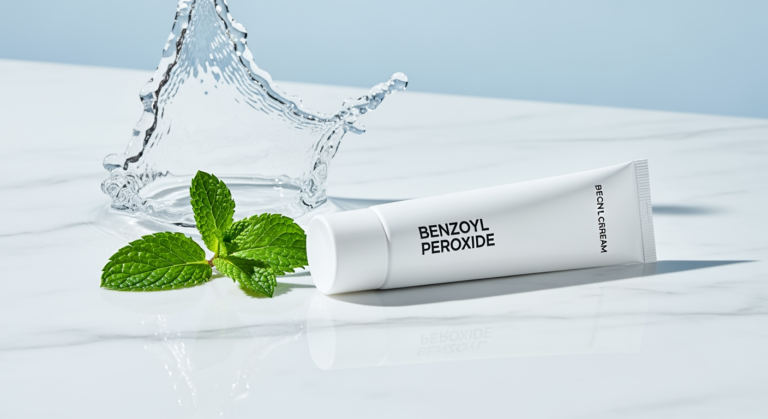
- Benzoyl peroxide: Browse 2.5% benzoyl peroxide acne gels
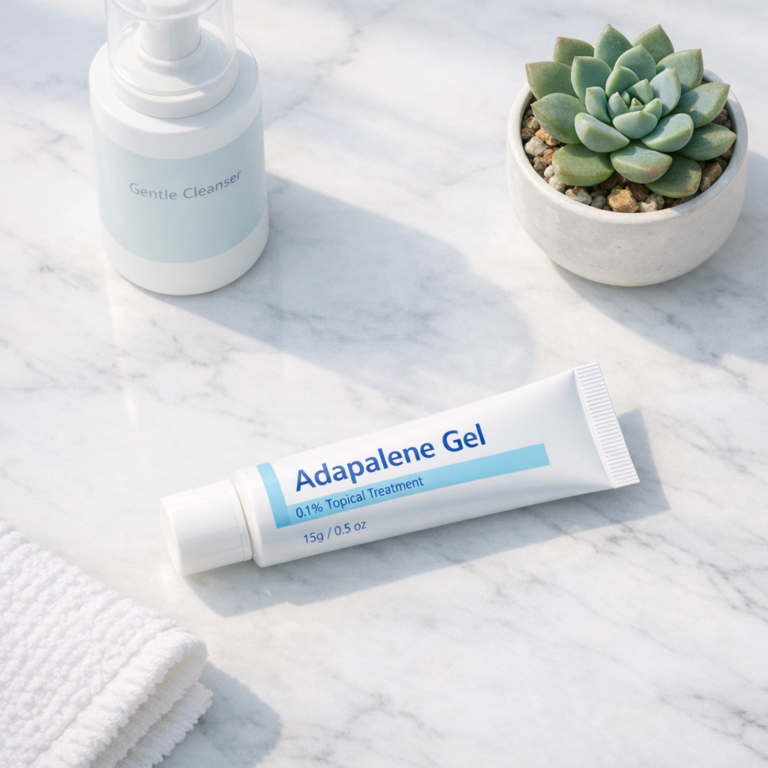
- Adapalene: Browse adapalene gel 0.1%
- Moisturizer: Browse non-comedogenic face moisturizers
- Sunscreen: Browse oil-free mineral sunscreens SPF 30+
Start with the lower-strength benzoyl peroxide. More isn’t better, and 2.5% works well for most people with far less irritation.
How Long Does Acne Treatment Take? The 8 to 12 Week Timeline
This is where most people quit. So read this part slowly.
Real acne treatment takes about 8 to 12 weeks to show its full effect. Not 8 days. Not 2 weeks. Skin renews itself slowly. Clogs form on that same slow cycle. You can’t speed it up.
Why Acne Gets Worse Before It Gets Better
Here’s the ugly truth. Around weeks 2 to 6, many people look worse. Retinoids push hidden clogs up to the surface. You might see more breakouts, dryness, and peeling.
Most people see this and think, “It’s not working.” They quit. They cross another product off the list.
But this rough patch often means the treatment is reaching the clogs it’s meant to reach. You can manage it. Start slow. Use your retinoid every second or third night. Use a good moisturizer. Build up as your skin adjusts.
Whatever you do, don’t pick. Picking delays healing and raises your scar risk, and for some people it becomes a compulsive habit. DermNet explains skin picking and how to get help for it. You can also read more about how skin picking disorder can make acne worse.
Watch: A Dermatologist Explains Affordable Acne Products
This video from board-certified dermatologist Dr. Dray walks through affordable options for benzoyl peroxide, adapalene, moisturizers, and sunscreens. It matches the routine in this post.
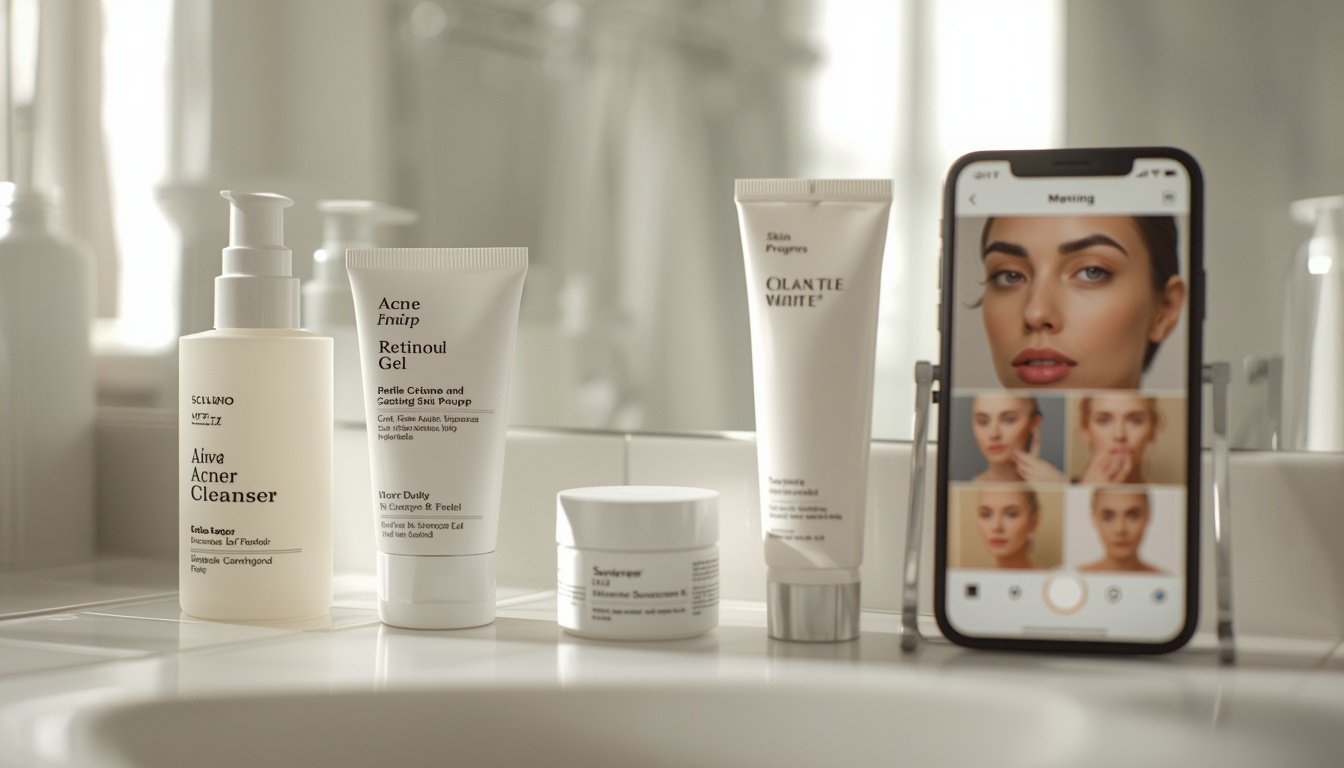
Here’s a simple way to stay sane. Take a photo on day one. Take another every two weeks. Judge the plan at week 12, not week 3. Your memory lies. Photos don’t. Many people are shocked at how far they’ve come when they compare.
If you don’t see real progress by week 12, that’s not failure either. It’s information. It means the plan needs a stronger step, and that’s what a dermatologist is for. Either way, you win something. You get an answer instead of a guess.
Is Acne Just Cosmetic? Scars, Anxiety, and Genetics
Here’s what skeptics usually skip. Acne isn’t “just cosmetic.” Studies link acne to higher rates of anxiety and depression. Teens and adults alike report skipping events, avoiding photos, and hiding behind their hair.
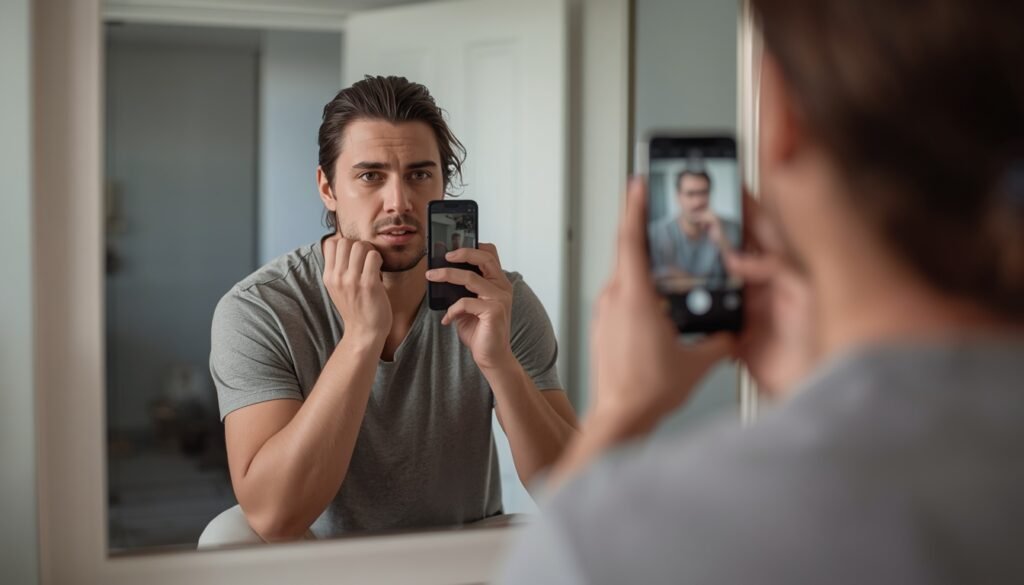
If you’ve lived this, you don’t need a study. You know the feeling of checking a mirror before a date. You know the dread of a bright bathroom light. You know how one bad skin day can sour your whole week. Critics call that vanity. They’ve never carried it.
Here’s the other thing they miss. Acne can leave scars. Swelling damages skin, and deep breakouts can leave marks that last for years. Fading a scar is far harder than preventing one. Early, steady acne treatment is the cheapest scar insurance you’ll ever buy.
And one more point that matters. Twin studies suggest genes drive most of your acne risk, by some estimates as much as 80 percent. Your breakouts aren’t your fault. You didn’t eat wrong. You didn’t wash wrong. You inherited a skin type that needs real treatment. Treating it isn’t weakness. It’s like wearing glasses.
What to Do When Acne Won’t Clear: Spironolactone, Isotretinoin, and Prescription Retinoids
“But what about the stubborn cases?” Fair question. Some acne won’t budge with store-bought products. That’s not a reason to give up on plans. It’s a reason to level up the plan.
Dermatologists have stronger tools for these cases:
- Spironolactone: Helps many women whose acne flares with hormones.
- Prescription retinoids: More potent than store-bought versions.
- Isotretinoin: For severe or scarring acne. Many people stay clear for years afterward.
These aren’t last-ditch gambles. They’re proven options, used under a doctor’s watch. Spironolactone and isotretinoin need a prescription and regular monitoring, so a licensed dermatologist should guide those decisions. This article is for education and doesn’t replace that care. Some people also add red and blue light therapy, but it works best combined with other treatments.
So here’s the logic. If a simple plan works, great. If it doesn’t, the next step exists. At no point does the answer become “learn to live with it.”
That’s the real argument for an acne treatment plan. It’s a path with a next step at every turn. Random products give you no path. They give you a pile of half-empty bottles.
Acne Treatment Plan FAQ
How long does it take for an acne treatment plan to work?
Most people need 8 to 12 weeks of daily use to see the full effect. Skin renews on a slow cycle, so judge results at week 12, not week 3.
Can I use benzoyl peroxide and adapalene together?
Yes. Dermatologists commonly combine them, and a fixed combination of the two exists. To limit irritation, use benzoyl peroxide in the morning and adapalene at night, or alternate nights at first.
Why is my acne getting worse after starting a retinoid?
An early flare around weeks 2 to 6 is common. Retinoids push clogged pores to the surface. Use the retinoid every second or third night, moisturize, and keep going. If it’s severe or painful, check in with a dermatologist.
Do I apply adapalene only on pimples?
No. Apply a pea-sized amount to the whole face. It prevents the microscopic clogs that turn into future pimples, so it needs to go on clear-looking skin too.
Is it safe to use adapalene while pregnant?
Talk to your doctor first. Retinoids are generally avoided during pregnancy and while nursing, and your doctor can suggest safer options.
When should I see a dermatologist for acne?
See one if you have no clear progress by week 12, if your acne is deep, painful, or scarring, or if it’s hurting your confidence. Prescription options like spironolactone and isotretinoin exist for stubborn or severe cases.
Start Your Acne Treatment Plan Tonight
You’ve been burned before. Don’t trust my words. Test them.
Buy a gentle cleanser, benzoyl peroxide, adapalene, a moisturizer, and a sunscreen. Take a photo of your face tonight, then start your acne treatment plan and run it for a straight 12 weeks. No swapping. No skipping. Compare the photos at the end, and if nothing changed, book a dermatologist and ask for the next step.
Take the photo tonight.