7 Signs Your Stubborn Acne Is PCOS Acne (And What Helps)
If your acne keeps coming back no matter what you put on your face, PCOS acne may be the reason, and no face wash was ever going to fix it. You’ve done everything right. You washed twice a day. You cut dairy. You bought the $60 serum your favorite influencer swore by. And the breakouts came back anyway. Same spots. Same pain. Same month after month.
This post is for you. Not the person with a pimple before prom. You. The one who stopped believing anyone has real answers.
I’ll be upfront. A few product links below are affiliate links, and none of them are the fix. They support your skin while a real treatment does the heavy lifting. Every statistic here comes from the World Health Organization, peer-reviewed studies, or published medical guidelines, and I’ll tell you which. I’m going to show you why your skin might not be the problem at all.
Disclosure: This post contains affiliate links. As an Amazon Associate I earn from qualifying purchases, at no extra cost to you.
Table of Contents
Adult Hormonal Acne: Is This You?
You’re probably in your 20s, 30s, or even 40s. You thought acne would end with high school. It didn’t.
You’ve seen a doctor, maybe three. One said to drink more water. Another gave you a cream that burned your face. Somewhere along the way, you started blaming yourself. You wondered if you were dirty or lazy. Or maybe just unlucky.
So when someone says “PCOS acne,” you roll your eyes. It sounds like one more label. One more thing to buy.
Fair enough. You’ve earned that doubt. But stick with me for a few minutes.
What Is PCOS and How Common Is It?
PCOS stands for polycystic ovary syndrome. It’s a hormone condition, and it just got a new name. In May 2026, an international group of doctors and patients renamed it polyendocrine metabolic ovarian syndrome (PMOS) in The Lancet. The old name suggested the problem was cysts on the ovaries. The new name puts hormones and metabolism first, which is exactly what drives your acne. You’ll see both names for a while, so I’ll keep saying PCOS here.
According to the Endocrine Society, it affects about 1 in 8 women worldwide. That’s not rare. That’s a few women in every office you’ve worked in.
Here’s the part most people miss. The World Health Organization estimates that up to 70% of women with PCOS don’t know they have it.
Read that again. Most women with this condition have never been told.
So if your acne won’t quit, the odds that PCOS plays a role aren’t tiny. They’re real.
What Causes PCOS Acne?
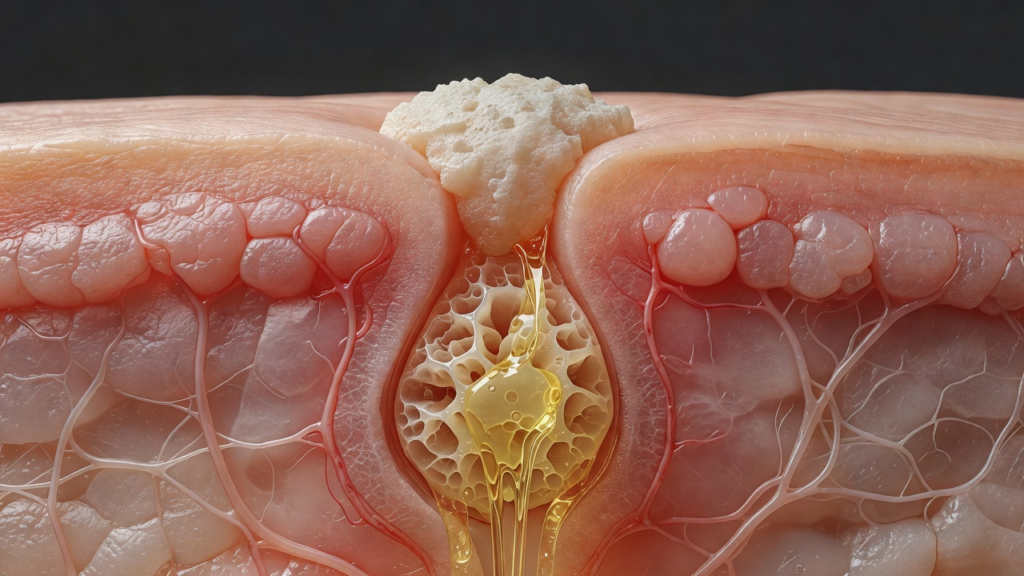
PCOS acne is caused by excess androgens, male-type hormones like testosterone that women also make. High androgens signal oil glands to produce more sebum, which mixes with dead skin cells, clogs pores, and feeds acne bacteria. Insulin resistance, common in PCOS, raises androgen levels further, which is why surface skincare alone rarely clears it.
How Androgens Trigger Breakouts
You don’t need a biology degree for this. It comes down to one type of hormone: androgens.
Everyone has androgens, including women. Testosterone is the best-known one. In PCOS, the body often makes too much. Here’s what happens next:
- Androgens wake up your oil glands. These tiny glands sit under your skin. More androgens tell them to pump out more oil.
- Extra oil clogs your pores. Oil mixes with dead skin cells. They form a plug.
- Bacteria move in. Acne bacteria love that trapped oil. Your body attacks them, and you get red, swollen bumps.
Now think about your face wash. It cleans the surface. But the signal to make oil comes from inside your body. That’s why scrubbing harder never fixed it. You were mopping the floor while the faucet ran.
Insulin Resistance and Acne: The Link Nobody Mentions
Here’s a link most people have never heard about. Many women with PCOS have insulin resistance.
Insulin moves sugar from your blood into your cells. Sometimes the cells stop listening. So your body makes extra insulin to push harder.
That extra insulin causes trouble in two ways:
- It tells your ovaries to make more androgens. More androgens mean more oil.
- It frees up more testosterone. Your blood has a protein called SHBG that grabs testosterone and holds onto it. Extra insulin lowers SHBG. So more testosterone floats free and reaches your skin.
So your acne may be tied to how your body handles sugar. That’s why some women see their skin change when they get blood sugar under control. This isn’t a diet fad. It’s a real chain of cause and effect, and it’s the reason the new PMOS name includes the word “metabolic.”
7 Signs of Hormonal Acne That Could Point to PCOS
Not all acne is PCOS acne. But hormonal acne leaves clues. See how many of these sound familiar.
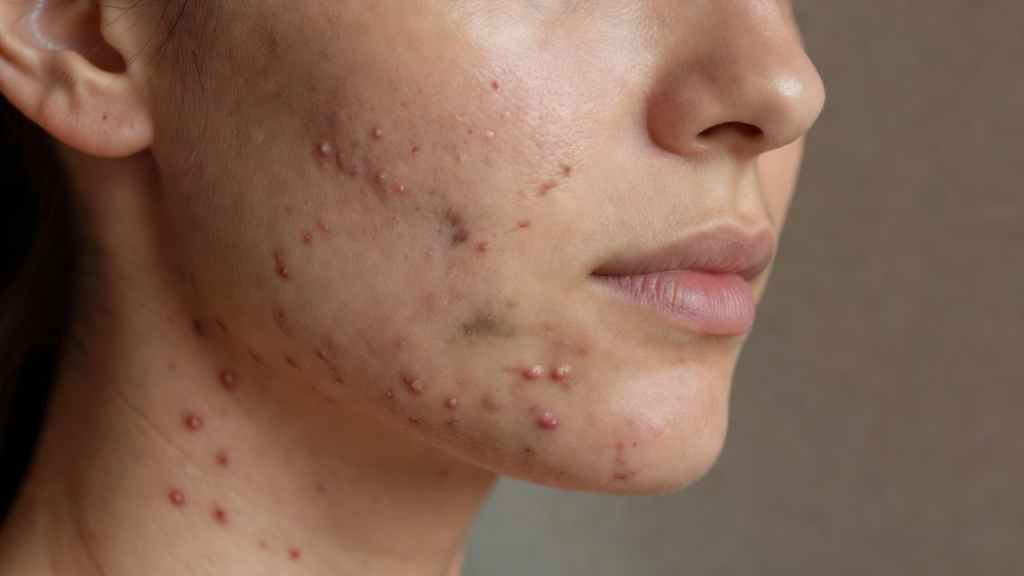
- It lives on your jaw, chin, and neck. Teen acne often hits the forehead and nose. Hormonal acne tends to sit lower on the face.
- The bumps are deep and painful. They feel like hard knots under your skin. They take weeks to go away.
- It flares before your period. Your hormones shift each month. So do your breakouts.
- It showed up or stayed after age 25. Adult acne in women is a common sign of a hormone issue.
- Your periods are irregular. Maybe they’re late, far apart, or skip months entirely.
- You have extra hair in odd places. Think chin, upper lip, chest, or belly.
- Your scalp hair is thinning. Especially at the part line or crown.
Other clues include dark, velvety skin patches on your neck or armpits. Trouble managing your weight counts too.
One sign alone doesn’t prove anything. But if you checked three or four, that’s a pattern. Patterns deserve a real look.
Why PCOS Often Goes Undiagnosed
Let’s talk about the part that probably made you skeptical in the first place. Why didn’t anyone catch this sooner?
A large international study of more than 1,300 women with PCOS, published in the Journal of Clinical Endocrinology & Metabolism, found that about a third waited over two years for a diagnosis. Nearly half saw three or more health professionals first.
That’s not your failure. That’s a system that treats acne as a skin problem only.
Here’s how it usually goes:
- The dermatologist treats your skin. They may not ask about your periods.
- The gynecologist treats your periods. They may not ask about your skin.
- Nobody connects the dots. Each one sees one piece of the puzzle.
So you walk away with a cream and no answers. Then the acne returns, and you feel like you failed.
You didn’t fail. You got treated in pieces when the problem was whole.
“But I’ve Tried Every Acne Treatment”
I hear you. This is the biggest pushback, and it’s fair.
But here’s an honest question. Have you tried treatments that target hormones? Or just treatments that target skin?
Most “everything” lists include face washes, spot creams, masks, diet swaps, and maybe antibiotics. Each one works on the surface or on bacteria. None of them lowers androgens. None blocks what androgens do to your skin. Even the best drugstore actives, as this benzoyl peroxide vs. salicylic acid comparison points out, can’t solve hormonal jawline acne on their own.
That’s the gap. And there are real, tested options that fill it.
PCOS Acne Treatments That Target the Root Cause
These aren’t miracle cures. They’re medicines with years of research behind them. A doctor needs to prescribe them. The 2023 International Evidence-Based Guideline for PCOS, led by Monash University’s Professor Helena Teede (who also led the 2026 renaming), supports a hormone-focused approach for women whose symptoms point to excess androgens.
- Birth control pills. Certain combined pills lower androgen levels. Several are FDA-approved specifically for acne. They can also make periods more regular.
- Spironolactone for acne. This older blood pressure drug blocks androgens at the skin. The UK’s SAFA trial, which followed 410 women and was published in The BMJ in 2023, found it clearly beat a placebo for adult women’s acne, with the biggest gains at 24 weeks. The most common side effect was headache. It isn’t safe during pregnancy, so your doctor will talk with you about contraception if you take it.
- Metformin. This helps your body use insulin better. For women with insulin resistance, it can lower androgens over time.
- Topical retinoids. These still matter. They keep pores from clogging. They work best alongside a hormone treatment. If you’re curious about the over-the-counter option, here’s an honest Differin gel review covering the purge, timeline, and side effects.
- Isotretinoin. For severe, scarring acne, this strong pill is an option. It needs close medical supervision.
Notice something? None of these come from a supplement aisle. None require a subscription box.
Hormonal treatments usually take about three months to show results. So if you tried something for three weeks and quit, it may not have had a fair shot.
Harvard dermatologist and acne specialist Dr. John Barbieri explains how spironolactone works for hormonal acne, who it suits, and what to expect:
Skincare That Supports Hormonal Acne Treatment
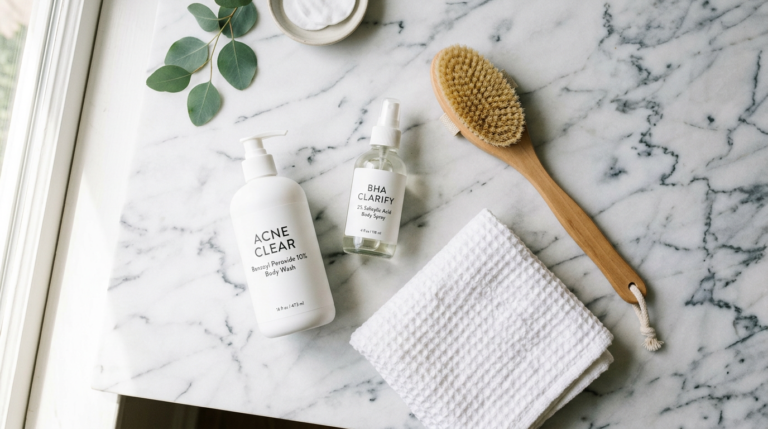
Let me be clear. Nothing in this section treats PCOS. These products handle the surface while your prescription handles the source. They also help with irritation, since hormone treatments and retinoids can leave skin dry.
- Differin Adapalene Gel 0.1%. The only retinoid you can buy without a prescription in the US. Use it at night to keep pores from clogging.
- PanOxyl 4% Benzoyl Peroxide Acne Foaming Wash. Good for red, inflamed bumps. Leave it on for a minute or two, then rinse. See how it stacks up in this PanOxyl vs. CeraVe acne cleanser test.
- CeraVe Acne Control Cleanser. A gentler salicylic acid option for clogged pores and closed bumps along the jaw. Here’s a full CeraVe Acne Control Cleanser review.
- Azelaic Acid Serum or Cream. Calms redness and fades the dark marks hormonal breakouts leave behind. Learn more in this guide to azelaic acid for acne.
- CeraVe PM Facial Moisturizing Lotion. A non-comedogenic moisturizer to protect your skin barrier while retinoids do their work.
- Hydrocolloid Pimple Patches. They cover deep, painful spots and stop you from picking, which makes marks and scars worse.
- Symptom and Cycle Tracking Journal. If you’d rather write than use an app, a paper log makes the tracking step below much easier to stick with.
Want more side-by-side testing? Browse the full acne product reviews.
Can Diet Help PCOS Acne?
Let’s be honest here too. You’ve probably been told to “just eat clean.”
Food won’t cure PCOS. But it can play a supporting role, especially with insulin resistance. A systematic review of 34 studies found that high-glycemic diets have a modest but real link to worse acne. The American Academy of Dermatology notes that small studies suggest a low-glycemic diet may reduce breakouts. Regular movement can also help your body respond to insulin.
Think of lifestyle as helping the medicine work. It’s not a replacement for it. And it’s never a reason to blame yourself.
The Emotional Toll of PCOS Acne
Here’s what people without this acne don’t get. It’s not about vanity.
It’s canceling plans because your face hurts. It’s wearing makeup to the gym. It’s avoiding photos at your best friend’s wedding.
Women with PCOS have higher rates of anxiety and depression. Visible symptoms like acne and extra hair add to that weight. And then someone says, “Have you tried washing your face?” As if you hadn’t thought of that.
Getting a name for what’s happening changes things. It moves the story from “What am I doing wrong?” to “What is my body doing?”
That shift matters. It’s the difference between shame and a plan.
How to Get Tested for PCOS and Hormonal Acne
If this post sounds like your life, here’s what to do next. Be specific. Vague visits get vague answers.
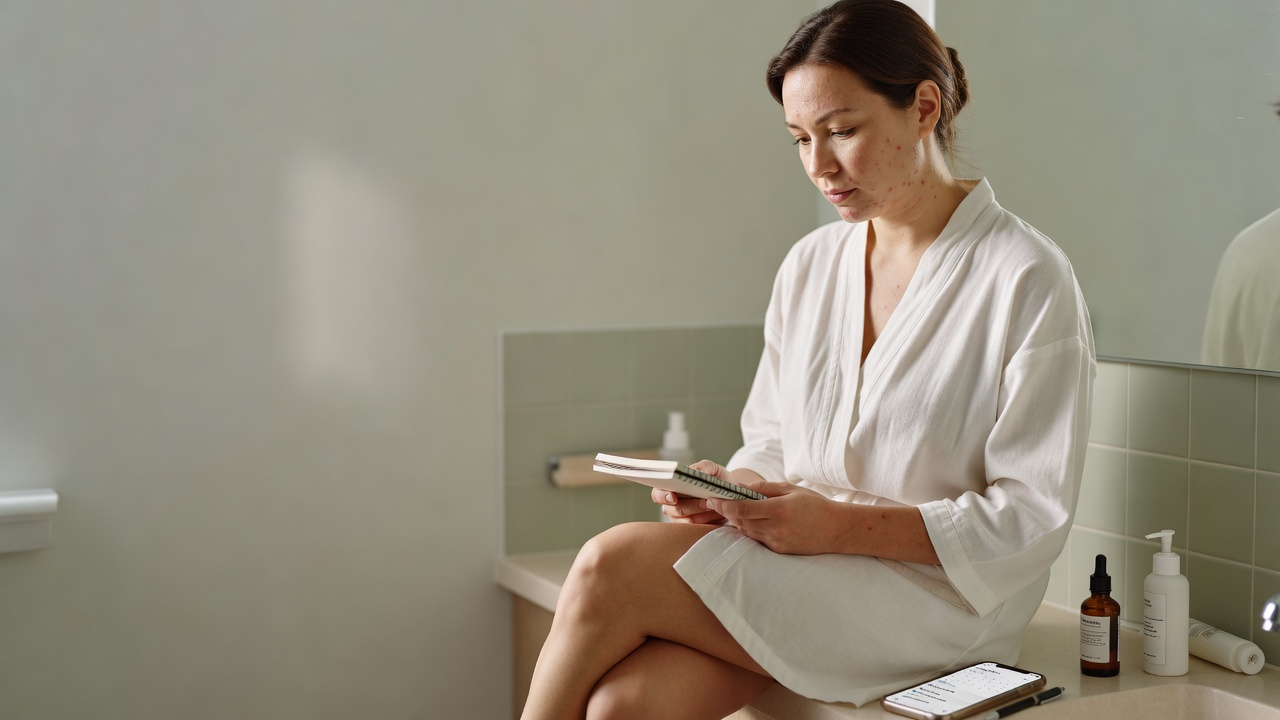
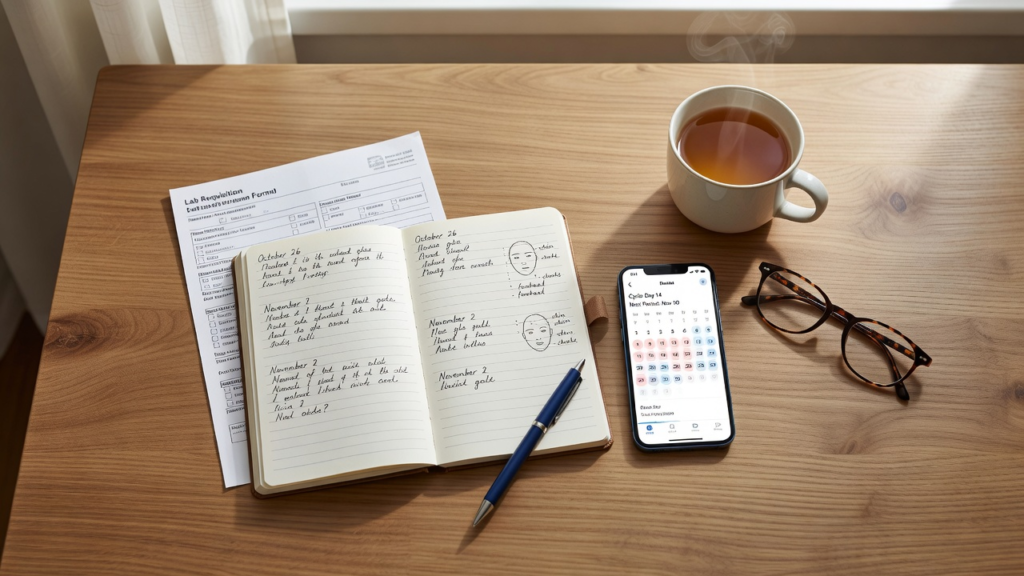
- Track your symptoms for two to three months. Note breakout dates, period dates, and any hair changes. Snap photos too.
- Book a visit with a doctor who takes hormones seriously. A gynecologist, endocrinologist, or dermatologist all work. Ask upfront if they treat hormonal acne.
- Ask for blood work. Common tests include total and free testosterone, SHBG, and DHEA-S. Your doctor may also check blood sugar and insulin.
- Bring your whole story. Mention your skin, your periods, and your hair in the same visit. Connect the dots for them.
- Ask about hormone-based treatment. If you’ve only tried surface products, say so directly.
How do doctors diagnose PCOS? They look for three things. You only need two of them:
- Periods that are irregular or missing
- Signs of high androgens, like acne, extra hair, or high testosterone on a blood test
- Many small follicles on the ovaries, seen on an ultrasound (these were once mistaken for cysts, which is where the old name came from)
One more note. Birth control pills can hide your natural hormone levels. If you take them, tell your doctor before testing.
PCOS Acne FAQ
What does PCOS acne look like?
PCOS acne usually shows up as deep, tender bumps along the jawline, chin, and neck. The spots often flare before your period and linger for weeks. It tends to come with other signs of high androgens, like irregular periods or extra facial hair.
Is PCOS now called PMOS?
Yes. In May 2026, a global consensus published in The Lancet renamed it polyendocrine metabolic ovarian syndrome (PMOS). The condition, the diagnosis, and the treatments haven’t changed. Only the name has.
Can I have PCOS acne if my periods are regular?
Yes. Doctors diagnose PCOS when you have two of three features. You can have high androgens and the ovarian changes seen on ultrasound while still getting regular periods.
How long does spironolactone take to work for acne?
Most women need about three months to see a clear change. In the SAFA trial, the benefit over placebo was larger at 24 weeks than at 12. Stick with it long enough to judge it fairly.
Will birth control clear PCOS acne for good?
Birth control can control PCOS acne well, but it works while you take it. If you stop, breakouts may come back because the underlying hormone pattern is still there. Talk with your doctor about a long-term plan.
Can diet alone clear PCOS acne?
Rarely. A lower-sugar, lower-glycemic diet can help, especially if you have insulin resistance. But most women with PCOS acne need a hormone-based treatment for real control.
Do over-the-counter acne products work for PCOS acne?
They help with clogged pores and inflamed spots on the surface. They can’t lower androgens, so they work best alongside a prescription hormone treatment rather than instead of one.
Stop Treating PCOS Acne Like a Skin Problem
Here’s the blunt version. If your breakouts sit on your jaw, flare before your period, and have outlived every product you’ve bought, another cleanser isn’t the answer. That pattern points to hormones, and PCOS acne is the first thing worth ruling out. You don’t need a better routine. You need a blood test and a doctor who looks at the whole picture.
Tonight, open the notes app on your phone and write down where your breakouts are and what day of your cycle it is. Do it every day until your appointment, and hand that log to your doctor.
This post is for education, not a diagnosis. Talk with your doctor before starting or changing any treatment.