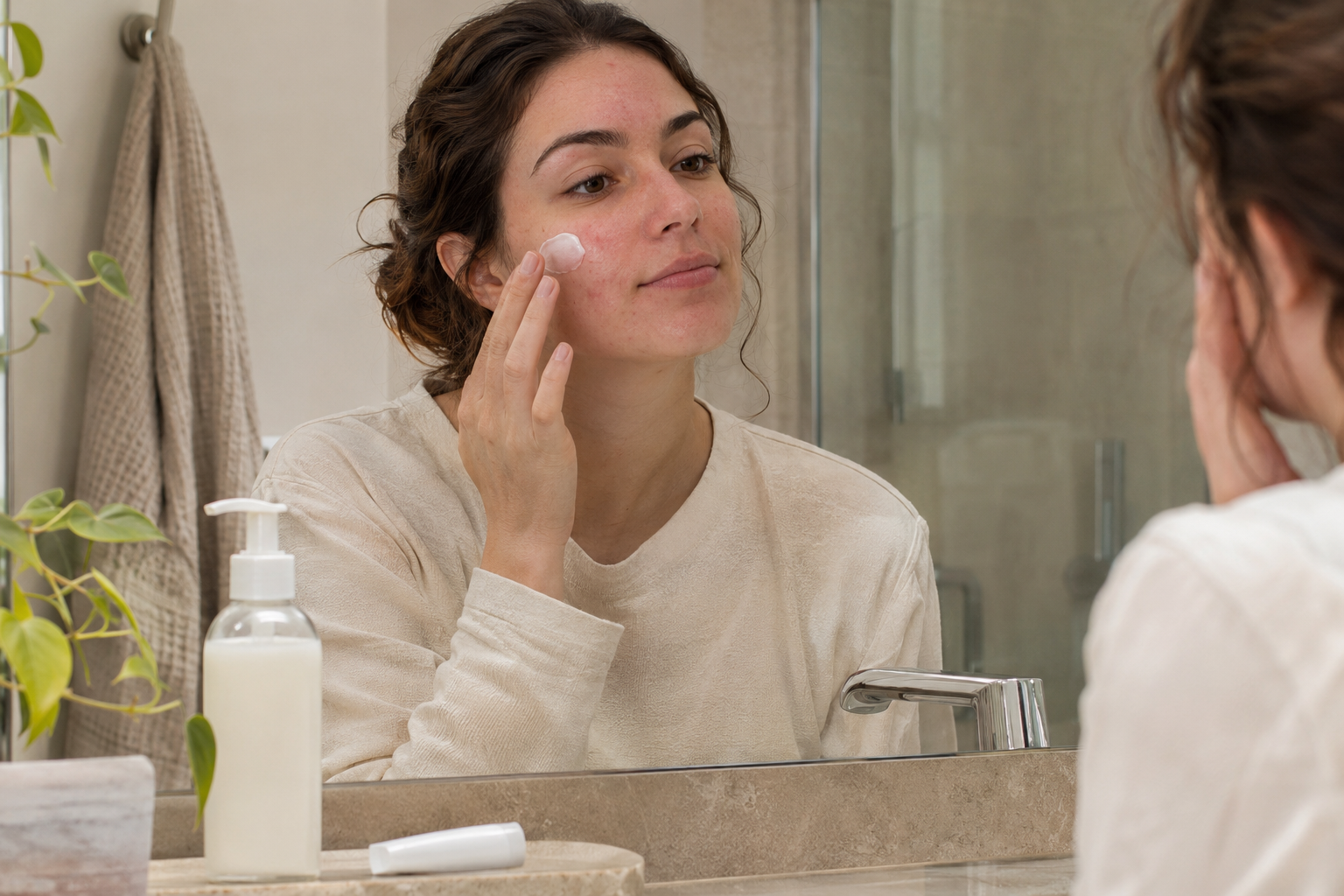
Adapalene Sandwich Method: 7 Powerful Tips for Less Pain
The adapalene sandwich method puts moisturizer before and after adapalene to make an acne routine easier to tolerate. It can be useful when dryness makes you skip treatment, but it cannot make severe burning safe or guarantee faster clearance. The most useful question is whether the extra layer solves your particular problem.
This guide separates what moisturizer studies show from what remains uncertain about the exact three-layer technique. You will find a practical evening sequence, a way to troubleshoot pilling, and clear reasons to contact a clinician rather than keep adding cream.
Affiliate disclosure: As an Amazon Associate, we earn from qualifying purchases. Product links are optional; a moisturizer you already tolerate may be enough. This article is educational and does not replace individualized medical advice or your medicine’s label.
Table of Contents
Adapalene sandwich method: the short answer
For the adapalene sandwich method, the order is gentle cleanse, let skin dry, apply a thin moisturizer layer, let that layer settle, apply adapalene as directed, then add moisturizer if needed. Keep medication away from eyes, lips, nostril creases and broken skin. Do not combine all three products in your palm: layering and mixing are different processes.
The American Academy of Dermatology lists moisturizer before a retinoid among adjustments a dermatologist may recommend for irritation. That is support for buffering, not proof that everyone needs two moisturizer layers. Follow your prescriber’s instructions when they differ from an online routine.
Start with our adapalene overview if you are still deciding whether this medicine fits your acne. Here the focus is application comfort, especially for someone who already has a suitable treatment plan.
1. Check whether dryness is the real problem
A little flaking after starting treatment is different from a painful rash. Tightness that improves with moisturizer may justify discussing a buffered routine. Persistent stinging during washing, cracked skin, swelling or an itchy spreading rash calls for reassessment. Do not keep applying adapalene to injured skin because someone called the reaction a purge.
For example, a few new pimples in your usual breakout areas and mild dryness do not tell the same story as burning eyelids and a red neck. The latter pattern can involve accidental transfer or another skin condition. Write down where symptoms occur and which products touched those areas before changing the whole routine.
The adapalene sandwich method is an option for tolerability, not a diagnostic test. If acne is painful, scarring or worsening substantially, get medical advice early. The first dermatologist appointment checklist can help you bring useful photos, product names and treatment dates.
2. Understand what the research actually tested
A four-week randomized split-face study involved 30 healthy volunteers of Chinese origin. Participants used adapalene 0.1% on the whole face and moisturizer on one side. Tolerance was better on the moisturized side. Because participants were healthy volunteers, this was not a trial proving superior acne clearance from sandwiching.
A separate eight-week randomized study in 120 acne patients compared adapalene alone with adapalene plus different moisturizer formulations. Its findings supported the tested active moisturizer as a way to reduce irritation without interfering with efficacy. A particular formula’s result does not establish that every cream behaves identically.
Neither study establishes a universal waiting interval or proves that moisturizer–adapalene–moisturizer is the best sequence. Nevertheless, current Primary Care Dermatology Society guidance describes sandwiching as one approach to improve tolerability and adherence. The practical rationale is keeping an effective treatment usable, rather than making the drug stronger.
Claims that sandwiching reduces adapalene’s effectiveness by an exact percentage deserve skepticism unless they identify an adapalene clinical trial. Laboratory findings about other retinoids, different vehicles or gene expression cannot be converted directly into how many fewer pimples your own routine will clear.
A useful check before changing moisturizer order
Before trying the adapalene sandwich method, list everything used in the preceding week, including spot treatments and cleansing tools. A new acid cleanser, cold-weather dryness and more frequent medication can arrive together. Changing only the moisturizer sequence while leaving those other changes in place may produce a confusing result.
Keep an unchanged product that already feels comfortable rather than replacing it merely because a social video recommends a thicker cream. If your current moisturizer burns on application, ask for advice before using it as both layers. Two uncomfortable applications do not create a soothing routine.
3. Use a simple evening sequence
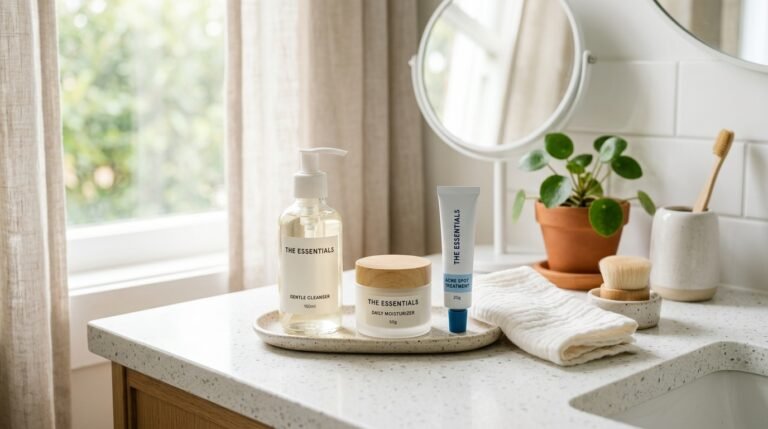
Adapalene sandwich method application steps
First, remove makeup and sunscreen gently. Use lukewarm water and a cleanser that leaves your skin comfortable. Scrubbing until your face squeaks creates another source of irritation and makes it harder to judge whether the medication itself is the issue.
An optional cleanser is CeraVe Hydrating Facial Cleanser. Its non-exfoliating format fits a routine in which adapalene is already the main treatment; it is a shopping option, not a required partner or a product personally tested for this article.
Second, pat dry and allow residual surface moisture to disappear. Do not apply adapalene onto visibly wet skin. There is no need to turn this into an exact countdown: skin that still feels wet needs more time, while a fully dry face does not become better prepared simply because a timer reaches a fashionable number.
Third, spread a thin layer of your usual bland moisturizer. Let it settle until the surface is no longer wet or slippery. If the product forms a thick greasy coat that prevents even spreading, use less or discuss a simpler moisturizer. A heavy layer is not automatically a better buffer.
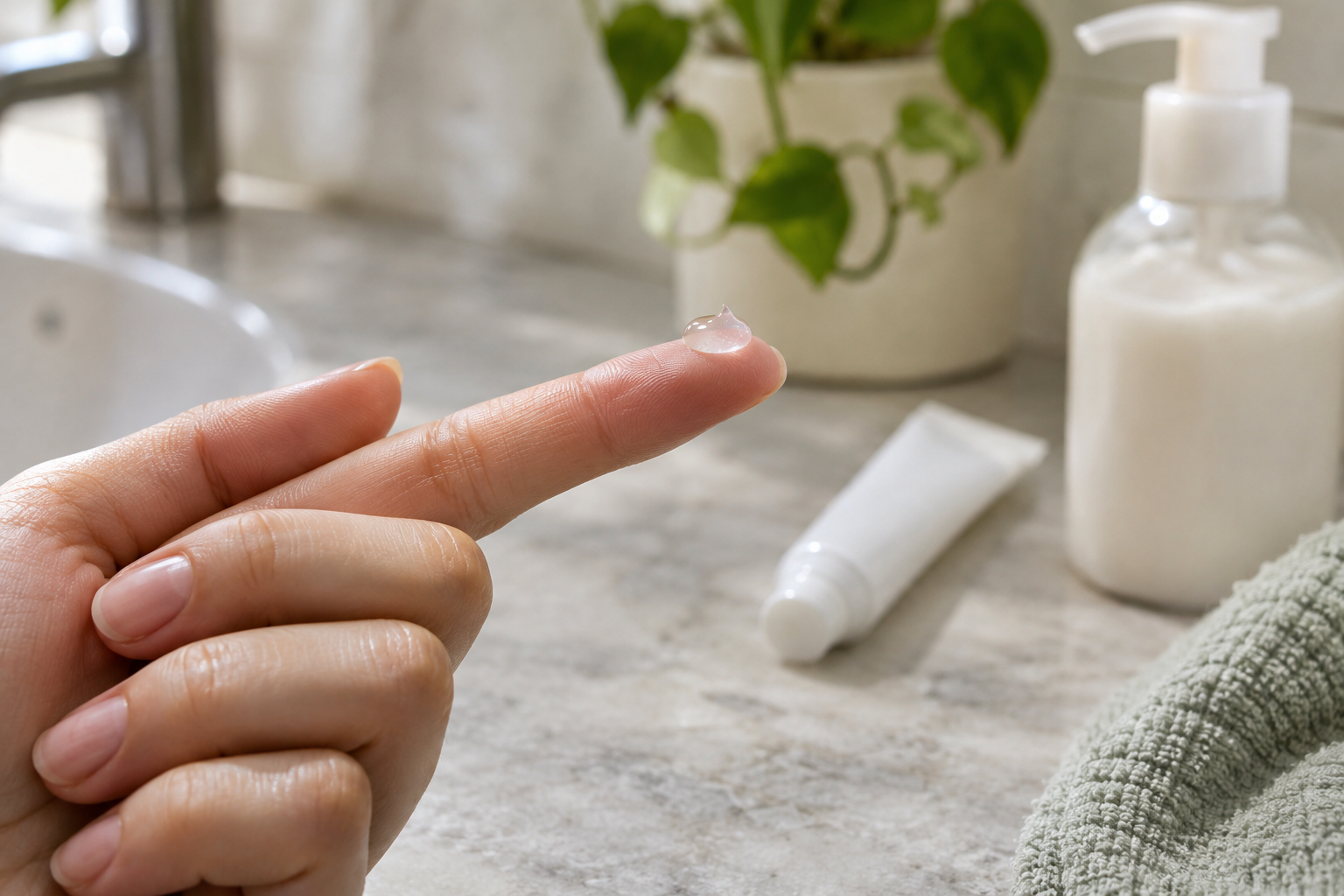
Fourth, apply the labeled amount of adapalene in a thin film across the acne-affected area rather than repeatedly coating individual pimples. For facial use, a pea-sized amount is commonly advised; follow your own label and prescriber. Wash your hands afterward to reduce accidental transfer to the eyelids.
Fifth, add a light finishing layer of moisturizer where needed without vigorous rubbing. You may need it mainly on the cheeks rather than across an oily forehead. If medication rolls off during this step, simplify the layers before adding more adapalene to compensate.
4. Pick one moisturizer before buying extras
For the adapalene sandwich method, choose a fragrance-free moisturizer labeled non-comedogenic or oil-free, with a texture you can spread thinly. Glycerin, ceramides and similar moisturizing ingredients can be useful, but a long ingredient list or expensive packaging does not establish better compatibility with your particular medicine.
Vanicream Daily Facial Moisturizer is an option if you want a lightweight lotion without botanical extracts or essential oils. The manufacturer lists hyaluronic acid and five ceramides; individual tolerance still matters, so do not introduce it on the same night as several other new products.
CeraVe PM Facial Moisturizing Lotion is an alternative for readers who already tolerate niacinamide. It contains ceramides and hyaluronic acid, but adding a separate niacinamide serum is unnecessary just to copy an elaborate routine. Choose this or another moisturizer, rather than buying both options by default.
The moisturizer guide for acne-prone skin offers a broader comparison. Do not assume a product is unsuitable after one new pimple; acne naturally fluctuates. Conversely, reproducible itching, swelling or burning after application deserves attention even when the packaging says sensitive skin.
5. Avoid the layering mistakes that cause trouble
A common adapalene sandwich method mistake is stacking an exfoliating cleanser, an acid toner and a retinoid in the same new routine. If irritation appears, you cannot easily identify the cause. Keep the baseline routine stable while assessing tolerability, and discuss additional treatments after you know how your skin handles adapalene.
Another adapalene sandwich method mistake is assuming benzoyl peroxide and adapalene are chemically incompatible. They are used together in established acne treatment combinations. However, a combination can still irritate, and a prescribed adapalene–benzoyl peroxide gel is not the same regimen as separate products chosen independently. Ask before adding another active to an existing prescription.
The adapalene sandwich method also gets complicated when you seal fresh medication beneath a thick full-face ointment layer because more moisture sounds safer. An occlusive product and a light lotion behave differently. If you need an ointment for cracked areas, ask a pharmacist or dermatologist where it belongs and keep adapalene off damaged skin.
The fourth is increasing the dose when moisturizer goes on first. The adapalene sandwich method does not require extra medication. A thicker coat can increase irritation without delivering faster results. If you are unsure whether an application reached your skin, avoid doubling up that evening.
When using the adapalene sandwich method, avoid rubbing repeatedly to remove pilling. Try a smaller moisturizer layer and fewer leave-on products, then allow each layer to settle. Pilling may reflect product films rather than skin peeling. Smooth little rolls appearing immediately during rubbing are a different observation from flakes that remain between applications.
6. Track comfort separately from acne improvement
Track your adapalene sandwich method routine in a brief log with application date, dryness, stinging and new lesions. Record whether moisturizer stings before medication goes on: that clue can reveal baseline irritation. Weekly photos in the same lighting are more useful than comparing a close-up under a harsh bathroom lamp with an older filtered selfie.
The adapalene sandwich method should make the routine easier to sustain, but there is no single schedule everyone must follow. If a clinician recommends fewer applications while you adjust, follow that plan. Do not advance automatically to nightly treatment just because a week-by-week chart says you should.
Acne improvement takes weeks, and discomfort is not a reliable measure of efficacy. If treatment is tolerated but improvement is inadequate after the trial period on your label or prescription plan, request a review. Changing moisturizer order indefinitely can delay a more useful discussion about diagnosis, adherence or another treatment.
Take an adapalene sandwich method example: your cheeks stop flaking after buffering, but deep jawline lesions keep recurring. That is a tolerability success with an unresolved acne problem. Bring both observations to your appointment instead of concluding that the moisturizer has either cured your acne or blocked every benefit of the medicine.
What to tell your pharmacist or dermatologist
Describe the actual medicine and strength, whether it includes benzoyl peroxide, how often you apply it, and the amount used. Bring the cleanser and moisturizer names too. The phrase sensitive skin alone provides less useful information than saying that washing stings every morning and the corners of your mouth have cracked.
If the adapalene sandwich method reduces dryness, record that improvement without changing several other steps immediately. If it does not help, avoid endlessly cycling through creams. Ask whether application frequency, formulation, another diagnosis or an additional acne treatment needs attention. The purpose of buffering is a routine you can follow comfortably, with a clear way to judge progress.
For readers who shave, note whether symptoms are concentrated in freshly shaved areas and avoid rubbing medication over nicks. For readers using makeup, distinguish brief cosmetic pilling from a persistent rash. These small details make a treatment review more specific than a general report that the whole routine has stopped working.
7. Keep morning care and safety straightforward
Alongside the adapalene sandwich method, use a comfortable morning moisturizer if needed and broad-spectrum SPF 30 or higher, alongside shade and protective clothing. Choose a water-resistant sunscreen when sweating or swimming and reapply according to its label. A nighttime buffering technique does not replace daytime sun protection.
Do not apply adapalene to sunburned or eczematous skin. If you are pregnant, planning pregnancy or breastfeeding, discuss acne medicines with a clinician before starting or continuing a retinoid. This guide is not a substitute for that assessment, and different medicines and combination products have different instructions.
Stop the product and seek urgent medical care for trouble breathing, hives, or swelling of the lips, tongue or face. Severe pain, blistering or substantial skin swelling also needs prompt assessment. Adding another moisturizer layer is not an appropriate response to those symptoms.
For an uncomplicated routine, the simple acne routine guide helps keep cleanser, medication, moisturizer and sunscreen organized. The adapalene sandwich method is only one adjustment within that routine, and some people do well with moisturizer after treatment alone.
If you travel between a humid climate and a dry heated room, record that change before judging the adapalene sandwich method. Keep the same familiar cleanser and moisturizer available, pack sunscreen, and avoid introducing a new exfoliating travel kit on the same trip. A stable routine makes changes in comfort easier to interpret. The same principle applies when restarting after an interruption: check the medicine’s instructions and ask your pharmacist if you are unsure how to resume. Your previous tolerance does not make current cracked or sunburned skin suitable for another application, and a missed evening is not a reason to use twice the amount the next day.
Watch a dermatologist explain adapalene
Dr Sam Bunting’s video below explains adapalene’s role in acne care. It provides background on the medication rather than a clinical trial of sandwiching; follow your own treatment instructions for application details.
Frequently asked questions
Can I put moisturizer on before adapalene?
Yes, a clinician may recommend moisturizer first to reduce irritation. Let the layer settle, apply the labeled amount of adapalene, and follow your prescriber’s instructions. You do not automatically need a second moisturizer layer.
How long should I wait between layers?
There is no universal evidence-based countdown. Begin with dry skin and allow the first moisturizer layer to stop feeling wet or slippery. Follow any specific waiting instructions supplied with your medicine.
Does the adapalene sandwich method make treatment less effective?
Moisturizers used alongside adapalene have supported tolerability without reducing benefit in some studies. That does not prove every formula or three-layer sequence is equivalent. Do not increase the dose to compensate for buffering.
Should I use the adapalene sandwich method every night?
Use adapalene at the frequency on your label or agreed with your clinician. Sandwiching is optional; it does not make a frequency that causes persistent irritation appropriate for your skin.
Can oily skin benefit from moisturizer with adapalene?
Yes. Oily skin can still feel dry or irritated during treatment. Start with a thin layer of a tolerated non-comedogenic moisturizer rather than assuming a heavy cream or several hydrating serums are necessary.
Is burning a sign that adapalene is working?
No. Burning is not proof of effectiveness or purging. Persistent or severe burning, cracking, swelling or a spreading rash needs treatment review. Stop applying medication to damaged skin and seek advice.