The Ordinary vs CeraVe for Acne: 6 Facts That Decide It
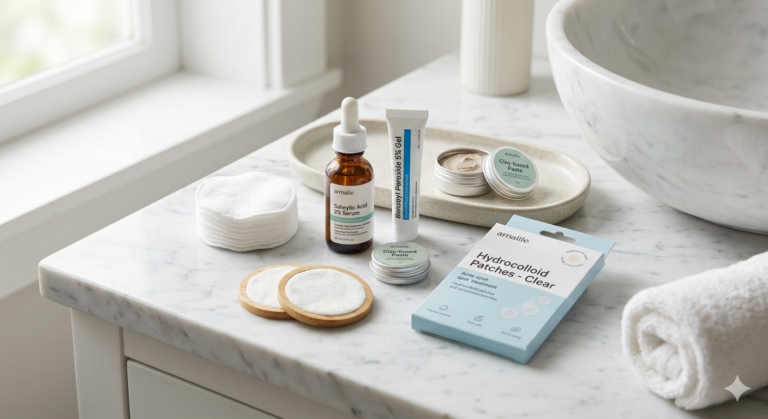
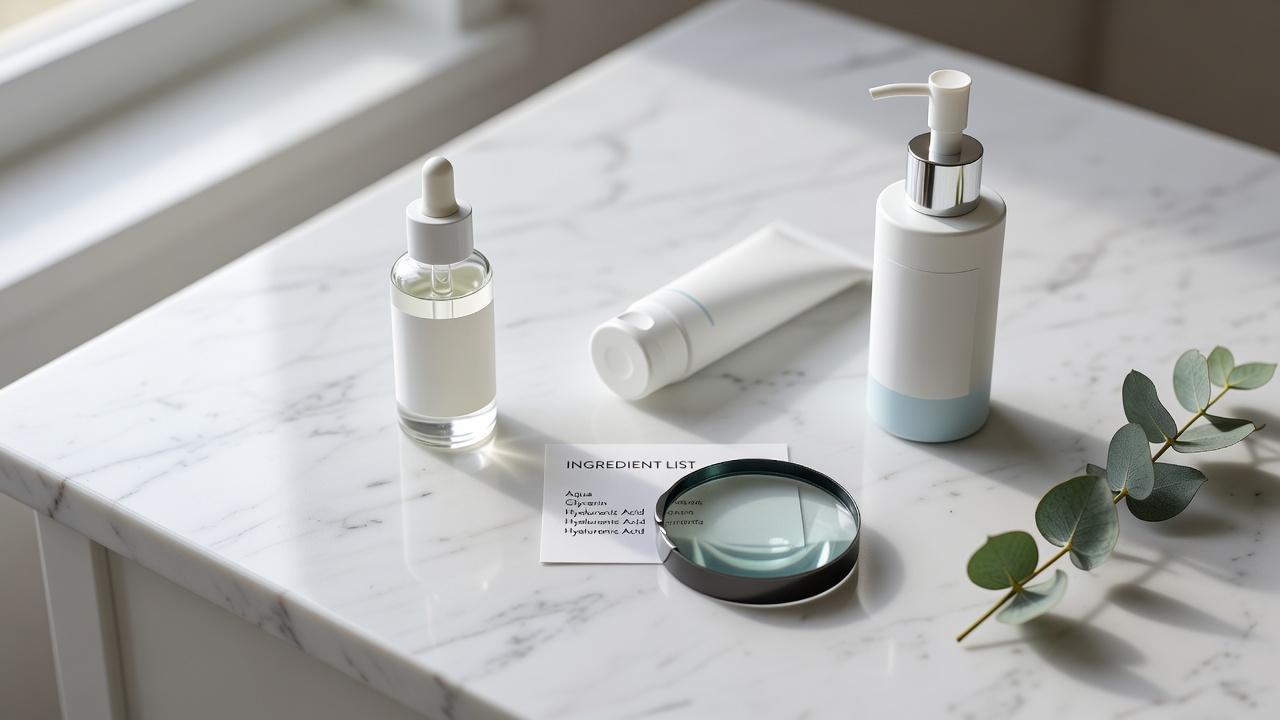
You bought the little dropper bottle with the lab-style label. It looked serious. It looked like science. Three months later, you still have breakouts. So when it comes to The Ordinary vs CeraVe for acne, what actually went wrong?
The answer isn’t that you picked the “wrong” brand. You were asking the wrong question. Let’s start over from zero and build the right one.
Affiliate disclosure: As an Amazon Associate, we earn from qualifying purchases. This doesn’t change the price you pay.
Table of Contents
Why The Ordinary vs CeraVe Acne Debate Confuses So Many People
Picture someone who has read every skincare thread online. They love The Ordinary. They think CeraVe is “just a boring moisturizer brand.” Their logic goes like this. The Ordinary shows percentages on every bottle. It looks clinical. So it must be stronger. CeraVe has plain packaging and talks about ceramides. So it must be gentle and weak.
That person isn’t dumb. They just picked up some bad ideas along the way:
- A clean label means a stronger product. Packaging is design. It isn’t proof.
- A big percentage means more power. A 10% ingredient can do less than a 2.5% one. It depends on the ingredient.
- Every trendy ingredient treats acne. Some help a little. Some are proven. Those are not the same thing.
- The brand is what matters. It isn’t. The ingredient is.
If that sounds like you, great. You’re exactly who this is for. We won’t argue. We’ll just stack up facts nobody can deny. (New to all of this? The Better Acne Treatment homepage is a good place to get your bearings first.)
Fact #1: Acne Has Four Causes Every Dermatologist Agrees On
Every dermatologist agrees on this. Acne comes from four things working together.
- Too much oil. Your skin makes extra sebum.
- Clogged pores. Dead skin cells stick together and block the opening.
- Bacteria. A germ called C. acnes grows inside that blocked, oily pore.
- Inflammation. Your body reacts, and you get a red, swollen bump.
That’s it. That’s the whole machine. You don’t need to trust any brand to accept this.
So here’s our first rule. A good acne product must hit at least one of these four causes. The best ones hit more than one.
Fact #2: Your Skin Reacts to Ingredients, Not Brand Logos
This one sounds obvious. But it changes everything.
Your pores don’t know who made the bottle. They only react to what’s inside it. They react to the active ingredient, how much of it there is, and how it’s mixed.
Think about headache pills. A store-brand ibuprofen works like the name brand. Why? Same drug, same dose. The box doesn’t matter.
Skincare works the same way. So “The Ordinary vs CeraVe for acne” is really a fake fight. The real fight is ingredient vs. ingredient. Let’s look at what each brand actually puts in its acne products.
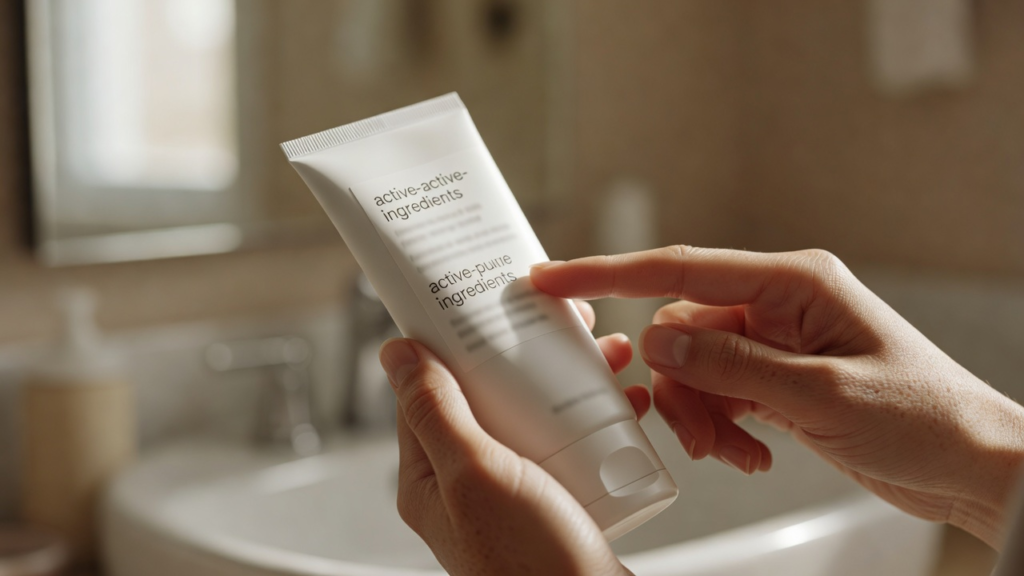
Fact #3: The Best Acne Ingredients Are Proven, Not Just Trendy
In the US, the FDA keeps a short list of ingredients allowed to be sold as over-the-counter acne treatments. To make that list, an ingredient needs solid proof. The big three you’ll see in stores are:
- Benzoyl peroxide. It kills acne bacteria. Bacteria don’t build resistance to it, unlike antibiotics. It also helps unclog pores.
- Salicylic acid. It dissolves the gunk that sticks dead cells together. That helps keep pores clear.
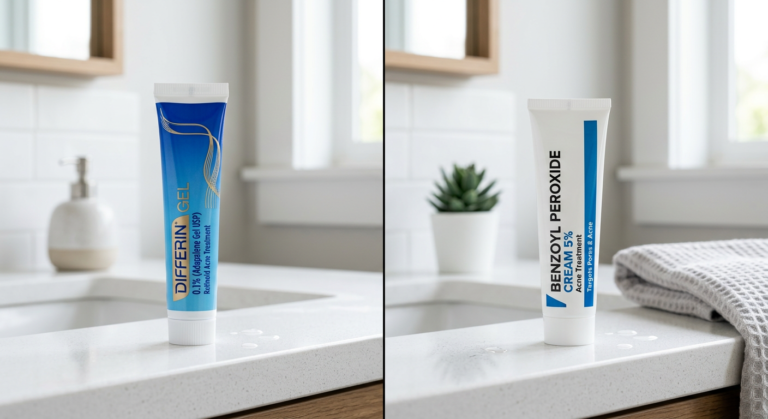
- Adapalene. This is a retinoid. It was prescription-only until 2016. It makes skin cells shed normally so pores stop clogging. It also calms inflammation.
Dermatologists back this up. The American Academy of Dermatology’s updated acne guidelines made strong recommendations for topical benzoyl peroxide to reduce acne-causing bacteria, and for topical retinoids like adapalene to help unclog pores and reduce inflammation. You can read the full guideline in the Journal of the American Academy of Dermatology or its PubMed listing. If you’re stuck choosing between the first two, our breakdown of benzoyl peroxide vs salicylic acid walks through which fits which skin. AAD
Now here are the popular “maybe” ingredients. They have some research behind them. But they aren’t on that proven acne list as over-the-counter treatments.
- Niacinamide. It may reduce oil and redness. A few small studies look good. But it isn’t a front-line acne drug.
- Zinc. The best evidence is for zinc taken by mouth. Evidence for zinc on the skin is weaker.
- Azelaic acid. This one is strong, but mostly at 15–20%. Those strengths usually need a prescription. Lower amounts do less.
This is the key step. It’s not about “good” versus “bad” ingredients. It’s about main treatment versus helpful extra.
Fact #4: What The Ordinary and CeraVe Actually Sell for Acne
Now we just sort the products into those two groups. No opinions needed.
The Ordinary’s best-known acne picks:
- Niacinamide 10% + Zinc 1%: a helpful extra
- Azelaic Acid Suspension 10%: a helpful extra (lower than prescription strength)
- A 2% salicylic acid product: a main treatment
CeraVe’s acne picks (US lineup):
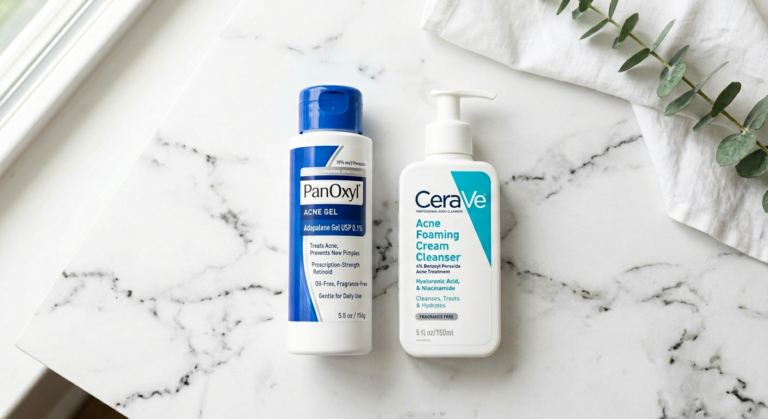
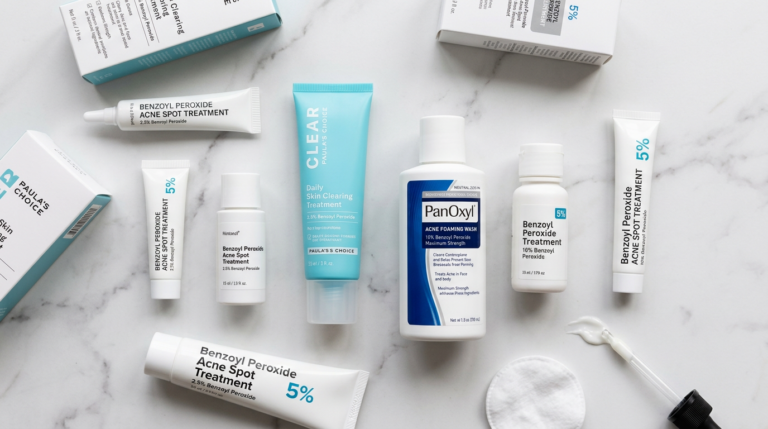
- Acne Foaming Cream Cleanser with 4% benzoyl peroxide: a main treatment
- Renewing SA Cleanser and Acne Control products with salicylic acid: main treatments
- Adapalene Gel 0.1%: a main treatment
Look at that sorting. It isn’t a trick. It’s just counting.
The Ordinary’s most famous acne product is niacinamide. That’s the one everyone talks about. But it lands in the “extra” column. CeraVe’s acne lineup is mostly built from the “main” column.
Now think back to our skeptic. They saw “10%” on the niacinamide bottle. They assumed 10% of anything beats 4% of something else. But 4% benzoyl peroxide is a proven germ killer. 10% niacinamide is a mild oil-and-redness helper. The numbers measure different things. It’s like comparing 10 cups of water to 4 cups of coffee. More cups doesn’t mean more caffeine.
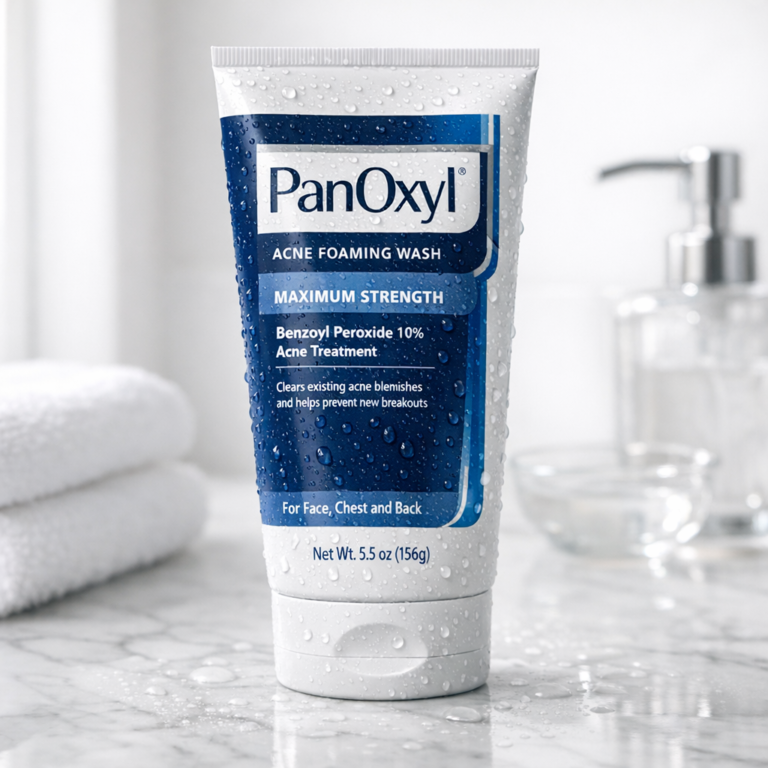
Wondering how CeraVe’s benzoyl peroxide wash stacks up against the other big drugstore option? See our PanOxyl vs CeraVe Acne Cleanser comparison.
Fact #5: Every Proven Acne Treatment Irritates Your Skin
Every proven acne ingredient has a catch. It can dry, peel, sting, or redden your skin. This isn’t a flaw. It’s how they work. Benzoyl peroxide and adapalene stir up the skin to change it.
That’s also why so many people quit them in week two. In fact, studies on acne patients show that roughly half stop using their treatment within the first few months, and irritation is one of the top reasons. When I first started using adapalene, my skin flaked so badly around week two that I nearly threw the tube out. Sticking with it was the only reason it ever worked.
And here’s what matters. An acne treatment you quit works 0% of the time. The best product in the world does nothing sitting in your drawer.
So anything that helps you keep going is part of the treatment. Anything that makes you quit works against it.
Watch: a dermatologist explains how to use benzoyl peroxide without wrecking your skin
Clear Acne With Benzoyl Peroxide (Dermatologist Guide)
Fact #6: A Healthy Skin Barrier Helps You Stick With Treatment
Your skin has an outer layer called the barrier. Think of it like a brick wall. Skin cells are the bricks. Fats like ceramides are the mortar.
Harsh acne treatments crack that mortar. Then your skin gets red, tight, and sore. That’s the moment people give up.
Ceramides help patch that wall. Dermatologists often tell acne patients to use a simple moisturizer alongside their treatment. It makes the harsh stuff easier to live with.
Guess which brand builds ceramides into almost everything? CeraVe. That’s the whole brand idea. Its acne cleansers and treatments come with barrier support mixed in. A lightweight option like CeraVe PM Facial Moisturizing Lotion pairs well with benzoyl peroxide or adapalene.
So our skeptic called CeraVe “just a moisturizer brand.” Turns out that “boring” part solves the exact problem that makes acne treatment fail.
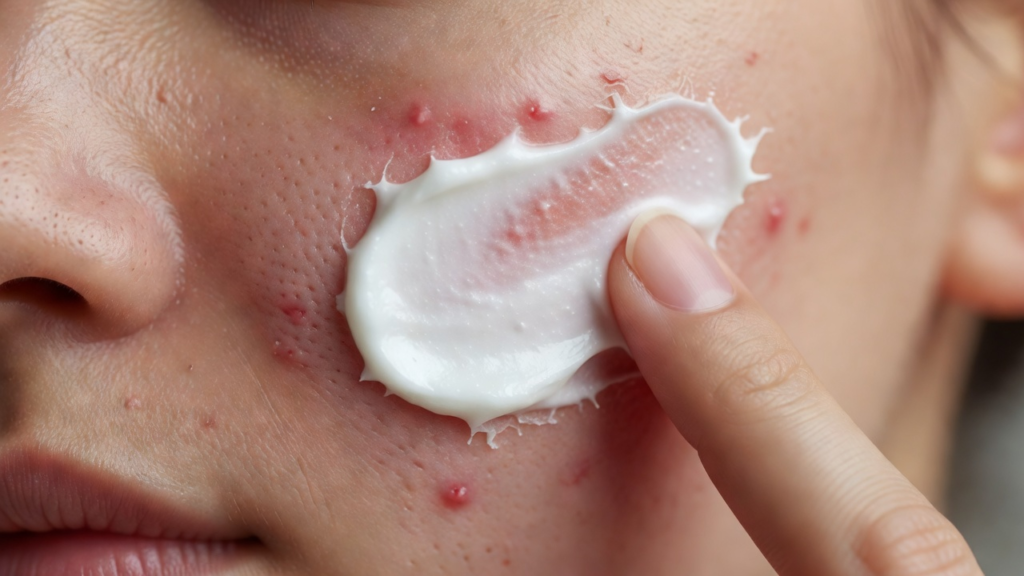
So Is CeraVe or The Ordinary Better for Acne?
For treating acne itself, CeraVe is the stronger starting point because its acne line is built mostly from FDA-proven ingredients like benzoyl peroxide, salicylic acid, and adapalene, plus barrier-repairing ceramides that help you stick with treatment. The Ordinary’s famous picks, like niacinamide, work best as helpful extras, not main treatments.
We never asked you to trust a brand. We only laid down facts. Let’s put them together.
- Acne has four causes.
- Your skin reacts to ingredients, not logos.
- A few ingredients are proven acne treatments. Others are helpful extras.
- CeraVe’s acne line mostly uses proven treatments. The Ordinary’s famous picks are mostly extras.
- Proven treatments irritate skin, and irritation makes people quit.
- Barrier support helps people keep going, and CeraVe builds it in.
Follow those steps and there’s only one place to land. For treating acne itself, CeraVe’s acne products are the stronger starting point. Not because of the brand. Because of what’s in them.
That’s not a knock on The Ordinary. It’s a good brand with honest labels. Its products just play a different role.
Where The Ordinary Really Shines for Skincare
Remember the “helpful extra” column? Extras are still useful. They just aren’t the main event. Here’s where The Ordinary fits nicely:
- Oily skin that’s hard to control. Niacinamide may help cut shine and redness.
- Dark marks left behind by old pimples. Azelaic acid can help fade them over time.
- A cheap salicylic acid option. If you want a leave-on exfoliant, it’s a solid pick.
So the smart setup often uses both. Picture a routine like this:
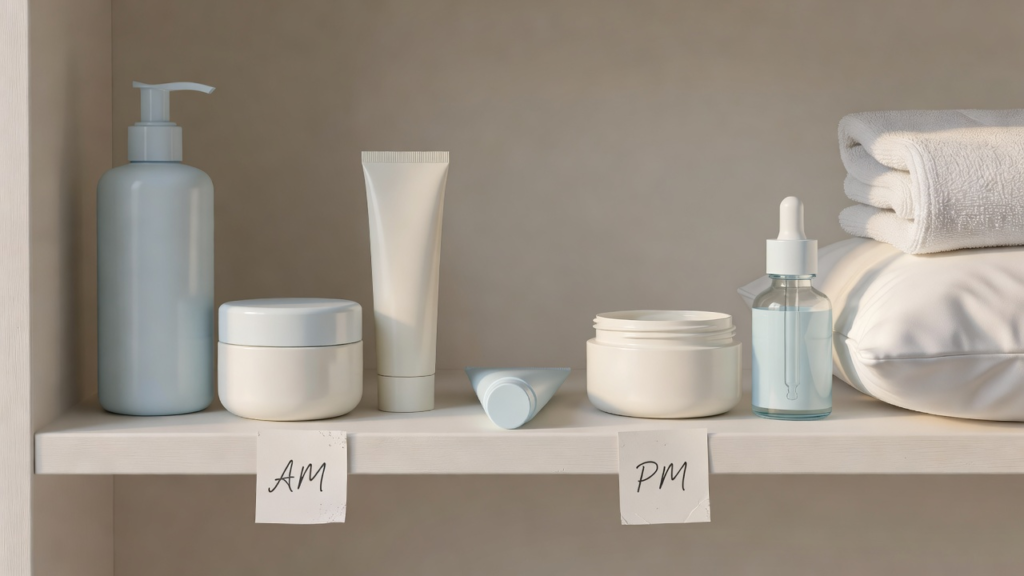
- Morning: A benzoyl peroxide or salicylic acid cleanser, then moisturizer and a non-comedogenic sunscreen.
- Night: Adapalene a few nights a week (such as Differin Gel or CeraVe’s version), then a ceramide moisturizer.
- Optional: Niacinamide on nights you skip adapalene, if your skin tolerates it.
The main treatment does the heavy lifting. The extra supports it. That’s how the pieces fit.
A Few Honest Warnings Before You Buy
Being fair means telling you the downsides too.
- Benzoyl peroxide bleaches fabric. Use white towels and white pillowcases, or you’ll find orange spots.
- Adapalene can make you break out at first. This “purge” can last a few weeks. Go slow. Start every other night.
- Results take time. Most acne treatments need 8–12 weeks. Judging a product after 10 days tells you nothing.
- Lineups change by country. In Italy and much of Europe, adapalene needs a prescription. CeraVe’s European acne line also differs from the US one. So always check the active ingredient on the label.
- Some acne needs a doctor. Deep, painful cysts or acne that leaves scars need a dermatologist. Over-the-counter products aren’t built for that. The Mayo Clinic’s guide to nonprescription acne treatment is a useful read on what OTC products can and can’t do.
Frequently Asked Questions
Can I use The Ordinary and CeraVe products together?
Yes. Many people get the best results by combining them. Use a CeraVe treatment (benzoyl peroxide, salicylic acid, or adapalene) as your main acne fighter. Then add a The Ordinary product like niacinamide as a supporting extra. Just don’t stack several strong actives on the same night.
Is The Ordinary Niacinamide 10% + Zinc 1% enough to clear acne on its own?
For most people, no. It may reduce oiliness and redness, but it isn’t one of the proven over-the-counter acne treatments. Treat it as an add-on to benzoyl peroxide, salicylic acid, or adapalene.
Which CeraVe product should I start with for acne?
For red, inflamed pimples, the Acne Foaming Cream Cleanser with 4% benzoyl peroxide is a simple first step. For blackheads, whiteheads, and clogged pores, adapalene gel or a salicylic acid cleanser targets the root problem better. Our benzoyl peroxide vs salicylic acid guide can help you choose.
Can I use benzoyl peroxide and adapalene together?
Yes. Dermatologists often combine them because they target different causes of acne. A common approach is benzoyl peroxide in the morning and adapalene at night. In the US, there’s now also an over-the-counter gel that combines both. Start slowly to limit irritation.
How long before I see results from CeraVe acne products?
Give any proven treatment 8–12 weeks of consistent use. Some pimples may calm down within a couple of weeks. But real clearing, and getting through any adapalene “purge,” takes about three months.
Is The Ordinary’s azelaic acid 10% worth using for acne?
It’s a good choice for fading post-acne dark marks and calming redness. But most of the acne evidence is for 15–20% prescription strengths. At 10%, think of it as a helpful extra rather than a main treatment.
When should I see a dermatologist instead of buying products?
See one if you have deep, painful cysts, acne that leaves scars, or no improvement after 12 weeks of consistent OTC treatment. Prescription options can work much better for these cases.
Shop the Products Mentioned in This Article
Main treatments (start here):
- CeraVe Acne Foaming Cream Cleanser (4% Benzoyl Peroxide)
- CeraVe Renewing SA Cleanser
- CeraVe Adapalene Gel 0.1%
- Differin Adapalene Gel 0.1%
- The Ordinary Salicylic Acid 2% Solution
Helpful extras:
Barrier support and sun protection:
For more head-to-head reviews, browse our acne product reviews.
The Real Answer for The Ordinary vs CeraVe Acne
Here’s the thing nobody selling you a dropper bottle wants to admit. The Ordinary vs CeraVe for acne was never really a contest between two brands. It’s a contest between what’s inside the bottles, and CeraVe simply stacks more proven acne ingredients into its lineup while helping your skin survive them.
So do this right now. Grab the acne product you’re using today and flip it over. Look for benzoyl peroxide, salicylic acid, or adapalene. If none of those are on the label, you’re not treating your acne yet, you’re just moisturizing and hoping. Buy one proven treatment, pair it with a ceramide moisturizer, and give it a full 12 weeks before you judge a thing. And if your breakouts are deep, painful, or scarring, don’t wait it out. Book a dermatologist this month.