7 Dermatologist Fixes That Actually Clear Maskne
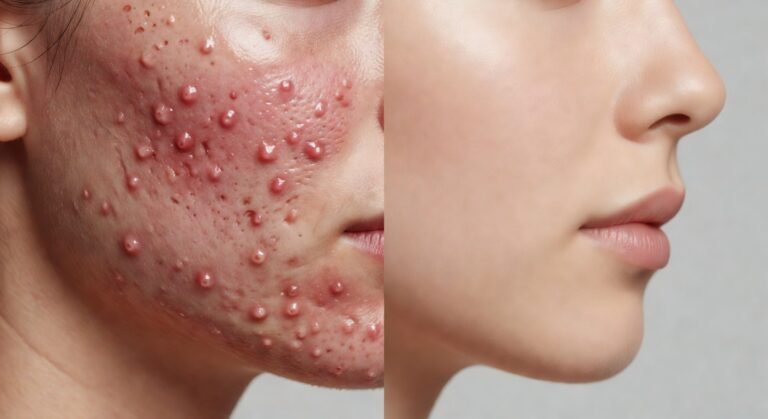
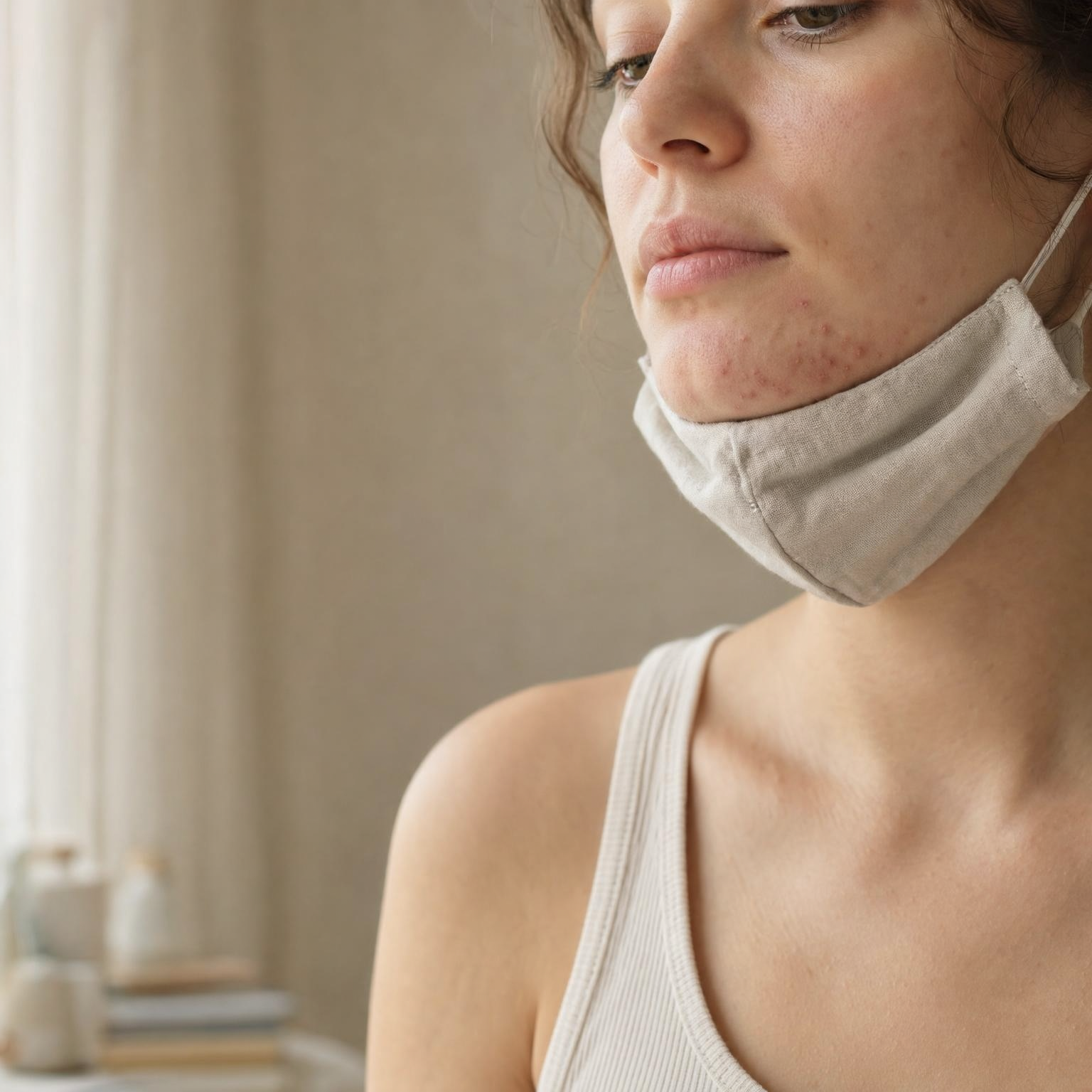
If breakouts keep clustering right where your mask sits, you’re dealing with maskne—and it’s very real. Look at your jaw. Your chin. The bridge of your nose. The spots line up exactly where your mask, helmet strap, or chin guard press against your skin. That pattern is the whole story. It’s also why maskne isn’t a made-up buzzword.
I know the eye-roll. “Maskne” sounds like a word invented to sell you a $40 serum. But the skin problem underneath it is old, boring, and extremely well documented. And it’s more common than you’d think—one survey of 227 medical trainees at Johns Hopkins found that 68.7% developed maskne once daily masking became routine. Let’s get into why.
Table of Contents
Maskne Isn’t New — It’s Called Acne Mechanica
Dermatologists have a real term for this: acne mechanica. It’s been in medical textbooks for decades. Acne mechanica means breakouts caused by physical stuff pressing on your skin. Friction, pressure, heat, and rubbing all trigger it.
Football players get it under their helmet pads. Soldiers get it under their chin straps. Violinists get it where the instrument meets the jaw. So before masks were a daily thing, athletes and musicians already lived with this. The mechanism was never in doubt. Masks just brought the same problem—mask acne—to millions of new faces at once. New name, old science.
What Causes Maskne: The Real Mechanism
Your skin needs a stable, breathable environment. A mask or helmet destroys that in three ways at once.
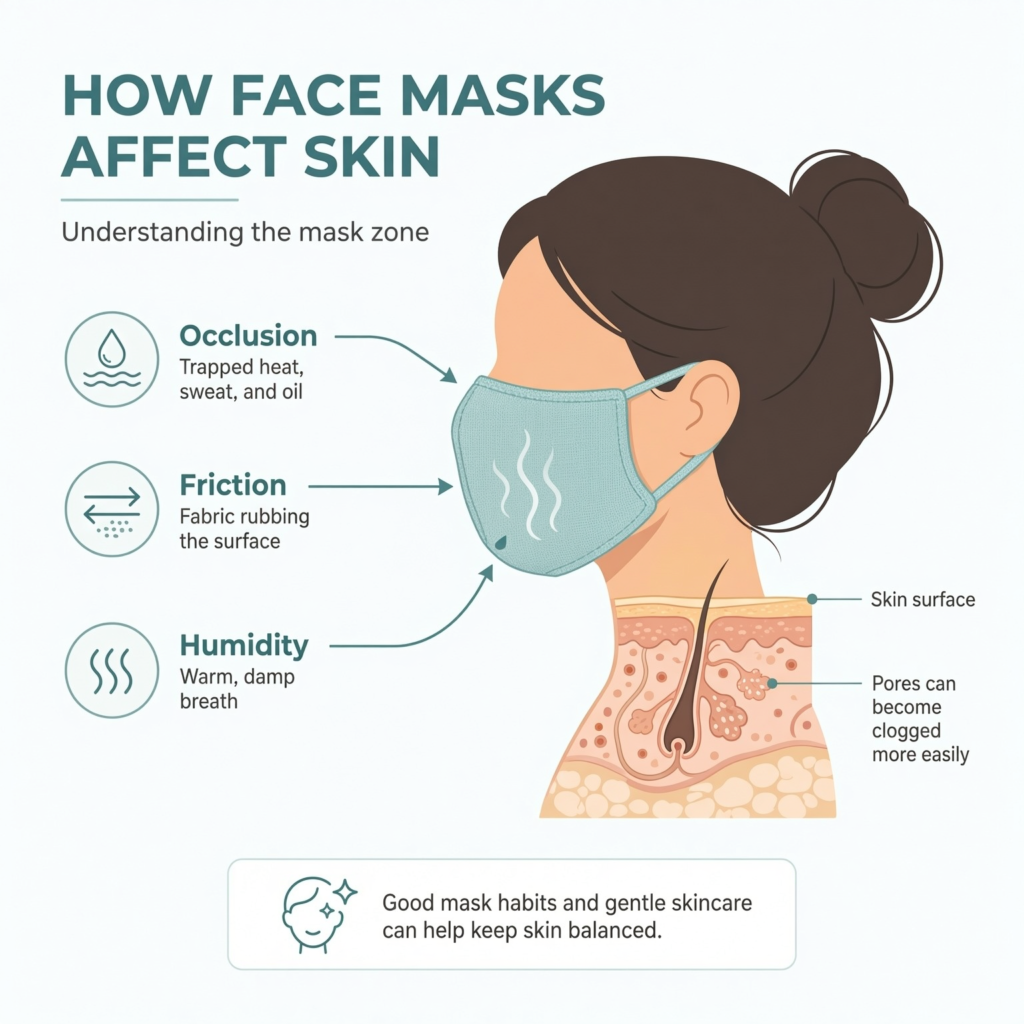
What causes maskne? Maskne is caused by three forces acting on your skin at once: occlusion, friction, and humidity. Your mask traps heat, sweat, and oil against the skin, rubs and irritates the follicles, and creates a warm, damp pocket where acne-causing bacteria thrive. Together they clog pores and trigger breakouts.
- Occlusion: The fabric traps heat, sweat, and oil against your skin. Pores get clogged.
- Friction: Every time you talk or chew, the fabric rubs. That rubbing irritates and swells the pores.
- Humidity: Your breath creates a warm, damp pocket. That’s a perfect home for acne-causing bacteria.
Put those together and you get a small, sealed swamp on your lower face. Clogged pores plus bacteria plus inflammation equals pimples. This isn’t a theory someone dreamed up. It’s basic pore biology under predictable stress—the same clogged-pore process behind what causes acne in the first place, just concentrated under fabric.
Why You Only Break Out Where the Mask Sits
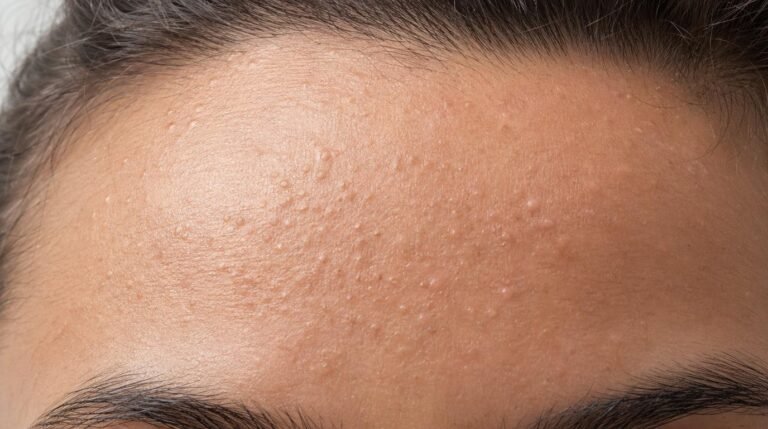
Here’s the part skeptics miss. Did your breakouts start—or get worse—right after you began wearing gear every day? That timing is a clue. It points straight to the cause. Acne that follows a clear trigger is different from random hormonal acne. The location and timing tell you what’s going on.
Think about it plainly. You added heat, friction, and trapped moisture to one specific zone. That zone broke out. That zone. If it were purely hormones or diet, the spots wouldn’t line up so neatly with the fabric edges. But they do. Every time.
Why Your Acne Products Aren’t Fixing Maskne
A lot of people try their usual acne cream, see no change, and decide maskne is fake. I get it. But the product wasn’t the problem. The strategy was. If your lineup still feels random, ground it in the best acne treatments for beginners before layering on anything mask-specific.
Regular acne care fights clogged pores and bacteria. That’s helpful. But it ignores the two things making maskne worse: rubbing and trapped moisture. You can’t out-serum a mask that rubs your skin raw eight hours a day. You have to fix the physical cause too.
That’s the missing piece. Treat the skin and change the conditions. Do one without the other and you’ll stay frustrated.
Prefer to hear it from a dermatologist? This short explainer walks through what maskne is and how to treat and prevent it:
How to Get Rid of Maskne: The Routine That Works
Here’s the approach dermatologists recommend. It’s simple, it layers onto any simple acne routine, and it targets both the breakout and the trigger.
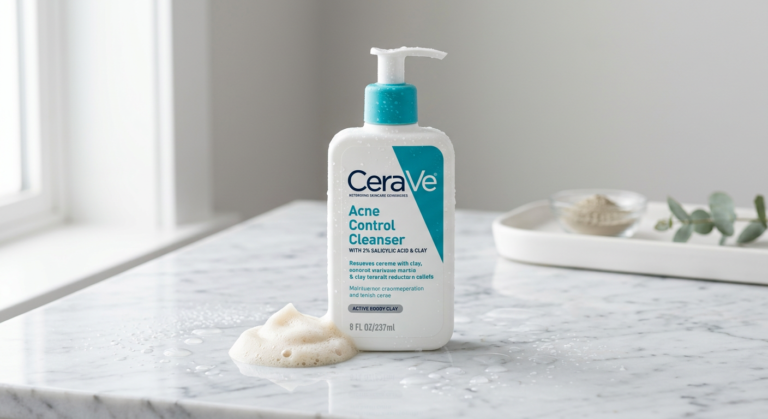
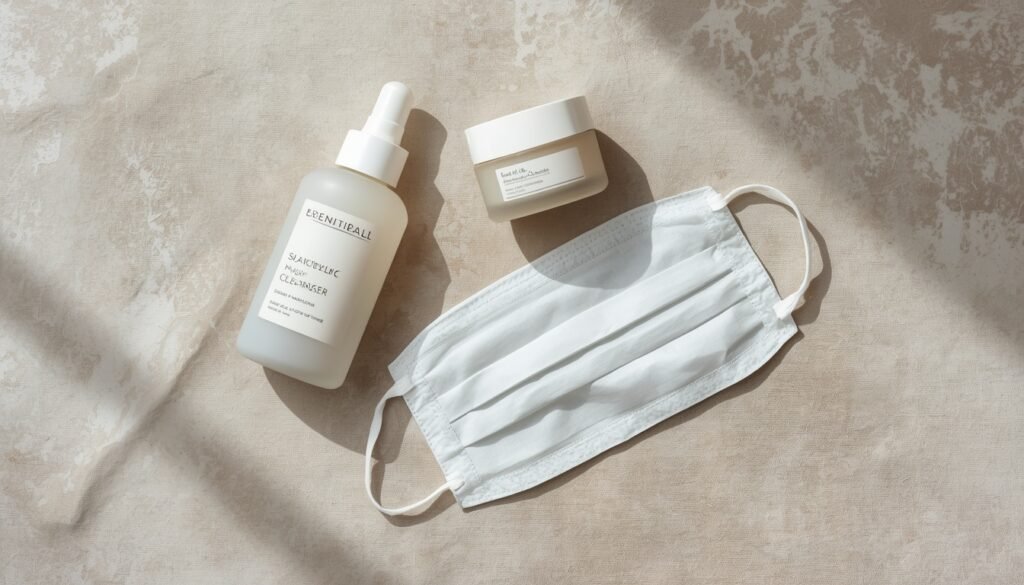
- Cleanse gently, twice a day. Use a mild cleanser with salicylic acid. It clears the pores your mask is clogging. Skip harsh scrubs—they add friction you’re trying to reduce.
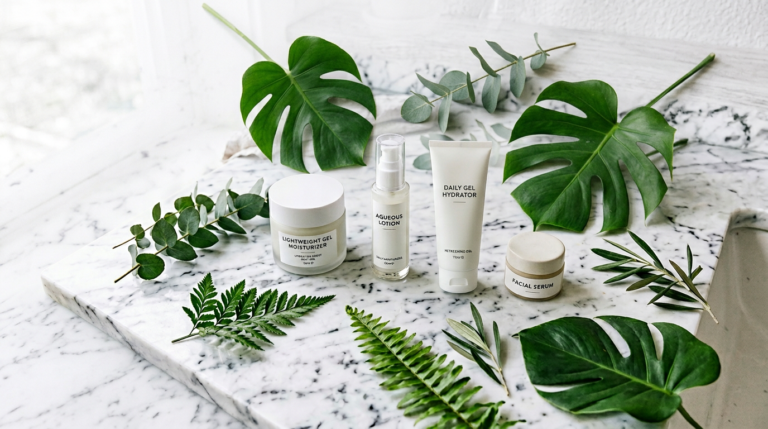
- Moisturize before you mask up. This feels backwards, but it matters. A light, non-comedogenic moisturizer creates a buffer between your skin and the fabric. Less raw rubbing.
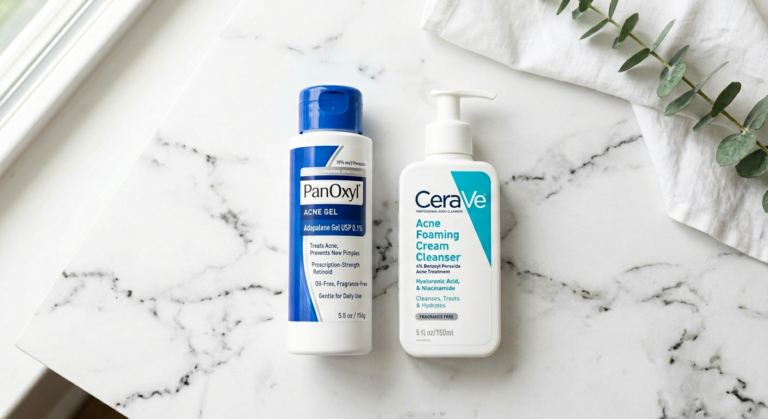
- Use a spot treatment at night. Benzoyl peroxide or a retinoid targets active pimples—and if you’re deciding between actives, benzoyl peroxide vs salicylic acid breaks down which one fits which breakout. Apply when you’re gear-free, so the skin can recover overnight.
- Change your gear often. This is the step people skip. A sweaty mask or helmet pad is a bacteria factory. Swap disposable masks every day. Wash cloth masks after each wear. Wipe down helmet straps and padding regularly.
How to Prevent Maskne: Fix Your Gear
You can’t quit the mask or the helmet. But you can make them kinder to your skin.
Choose soft, breathable fabrics like cotton for cloth masks. Rough or synthetic materials crank up the friction. Fit matters too. A mask that’s too tight grinds into your skin all day. Too loose and it slides around, rubbing constantly. You want snug but comfortable.
For athletes, take gear off during breaks. The American Academy of Dermatology recommends a 15-minute mask break every four hours—even ten minutes lets your skin cool down and dry out. That break interrupts the swamp.
And this one is huge: never put a dirty mask back on. Fresh skin, fresh fabric. That single habit prevents a shocking number of mask breakouts.

The Emotional Side of Maskne Nobody Talks About
Here’s what critics never acknowledge. Maskne isn’t just a skin issue. It messes with your head.
You wear the mask to protect people or do your job. Then it wrecks your face. That feels deeply unfair. You catch your reflection and see a jaw full of spots you didn’t have last year. It chips away at your confidence. That’s real.
Calling maskne “fake” dismisses that experience. But the redness in the mirror isn’t imaginary. Neither is the sting when you take the mask off. You’re not being dramatic. You’re dealing with a genuine, physical, treatable condition.
How Long Does Maskne Take to Clear?
One warning: don’t expect overnight magic. Skin heals on its own schedule, usually a few weeks. The real test is the pattern. Fix the friction and trapped moisture, stay consistent, and the spots along your mask line should fade. When they do, you’ll have your answer. The gear was the trigger. And now you’re in control of it.
If your breakouts are severe, painful, or leaving scars, it’s time to see a board-certified dermatologist. Some cases need prescription help, and that’s completely normal—not a personal failure.
The Bottom Line on Treating Maskne
Maskne isn’t in your head. It has a decades-old name, a mechanism you can point to, and a location that gives it away every single time you look in the mirror. You don’t need a miracle serum. You need to treat the skin and tame the gear—both, not one.
So start tonight. Put a fresh mask on tomorrow, add a salicylic acid cleanser to your morning (the free Acne Routine Builder maps out the rest), and watch the spots along your mask line for the next two weeks. Your face already told you what’s wrong. Now go do something about it.