7 Best Niacinamide Serums for Acne-Prone Skin (2026)
If you’re hunting for the best niacinamide serum for acne-prone skin, you’ve probably been burned before. Let’s start there.
You bought the serum. You read the glowing reviews. You watched someone with perfect skin swear it changed their life. Then nothing happened. Or worse, you broke out.
So when you see another list of the best niacinamide serums for acne-prone skin, your guard goes up. Fair enough. Most of these lists are affiliate cash grabs dressed up as advice.
This one is different in one way: I’m going to show you the actual science first, then the products. Everything below is tied to a published study or a real 2026 formulation roundup you can check yourself — no invented “93% of users agreed” fluff standing in for evidence.
If niacinamide didn’t work for you before, there’s probably a specific reason. Let’s find it.
Does Niacinamide Work for Acne? The Clinical Studies
Yes. Niacinamide reduces acne by controlling oil, calming inflammation, and repairing the skin barrier. In a 1995 study, 4% niacinamide gel cut acne lesions by about 60%, performing similarly to a prescription antibiotic. For acne-prone skin, a 2% to 5% niacinamide serum used daily for 8 weeks delivers the clearest results.
Here’s what separates niacinamide from the hype pile. It’s been tested in real clinical trials for decades. Not “93% of users agreed” surveys — controlled research.
In a well-known 2006 study, people used a 2% niacinamide product on their faces for a few weeks. The niacinamide group produced significantly less oil after 2 and 4 weeks than the placebo group. Less oil means fewer clogged pores. Fewer clogged pores means fewer breakouts.
That’s not marketing. That’s a measured drop in oil versus a placebo.
It gets better. Go back to a landmark 1995 clinical trial (Shalita et al., International Journal of Dermatology). Patients using 4% niacinamide gel had roughly 60% fewer acne lesions — about the same result as 1% clindamycin, a common antibiotic. Read that again: a vitamin performed about as well as a prescription antibiotic. And it did it without the dryness, the irritation, or the risk of antibiotic resistance.
Prefer to watch a dermatologist walk through the evidence? This one covers the same ground — what niacinamide does, what it doesn’t, and how to actually use it:
A board-certified dermatologist on whether niacinamide really works for acne — the hype, the benefits, and how to use it.
Video: Niacinamide: Does It Really Work? Dermatologist Explains the Hype, Benefits & Best Products
Why Your Last Niacinamide Serum Failed
So if the science is this solid, why did it flop on your face? Usually one of three reasons. None of them mean the ingredient is broken.
Wrong Strength: Why 10% Isn’t Always Better
You grabbed a 10% serum because higher sounded stronger. But for acne-prone skin, clinical studies point to the 2% to 5% range for cutting oil. More isn’t always better. Sometimes more just means more irritation.
Wrong Expectations: How Long Niacinamide Takes to Work
Niacinamide isn’t an overnight miracle. Most people see improvement within 4 to 8 weeks of consistent use. Quit at day 10 and you quit before it started working.
Wrong Layering: How to Stop Niacinamide Pilling
That white, pilling mess on your face? That’s a texture problem, not an ingredient problem. Apply to slightly damp skin. Wait a minute before the next layer.
See the pattern? The ingredient wasn’t the villain. The routine was.
What Niacinamide Does for Acne-Prone Skin
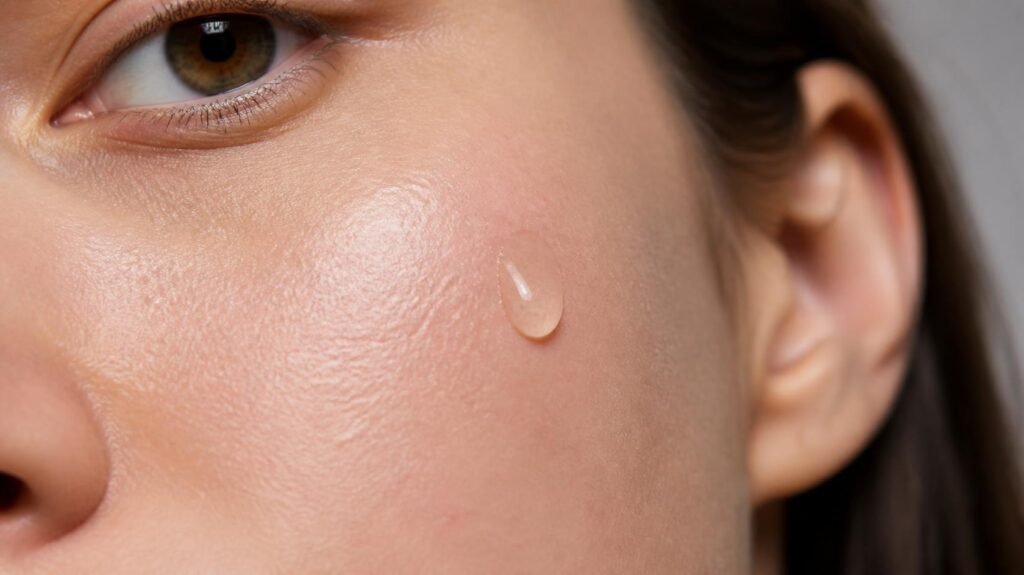
Let me be straight with you, because overpromising is exactly what burned you last time.
Niacinamide will not cure your acne on its own. Nothing does. Acne has many triggers at once. But niacinamide hits several of those triggers gently, at the same time. That’s the real value. It’s a multitasker, not a magic bullet.
Here’s what the research shows it does for oily and acne-prone skin:
- Controls oil. Its ability to slow oil production is why clinical studies show benefits for acne. Less oil, fewer clogs.
- Calms inflammation. In lab studies, it lowers the inflammatory signals your skin makes when it reacts to acne bacteria. In plain terms: less of the angry redness that makes a pimple look worse than it is.
- Repairs your barrier. Randomized trials show it helps your skin make more of the fats that hold it together. A strong, healthy skin barrier keeps water in and irritants out.
That last point matters more than people realize. Most acne routines wreck your barrier. Harsh actives strip you raw. Niacinamide does the opposite. It’s the ingredient that lets your skin survive everything else you throw at it.
Is Niacinamide Gentle Enough for Daily Use?
Think about every acne product that irritated you into quitting. The retinol that peeled you. The benzoyl peroxide that left you flaking. The acid that stung.
Niacinamide almost never does that. Studies report minimal side effects — only occasional mild burning or redness.
This is the quiet reason it wins. Consistency beats intensity. A gentle product you use every day for months will always beat a harsh one you abandon in a week. Skincare only works if you stick with it. Niacinamide is easy to stick with.
The 7 Best Niacinamide Serums for Acne-Prone Skin in 2026
Heads up: some links below are affiliate links. If you buy through them, I may earn a small commission at no extra cost to you. It never changes which serums make this list or what I say about them.
Now the part you came for. These are the picks earning the strongest reputations this year. I’ll tell you who each one is actually for.
One rule first: for acne-prone skin, look for a lightweight, water-based texture. 2026 reviewers keep noting that results depend more on texture and formula than on chasing the highest percentage.
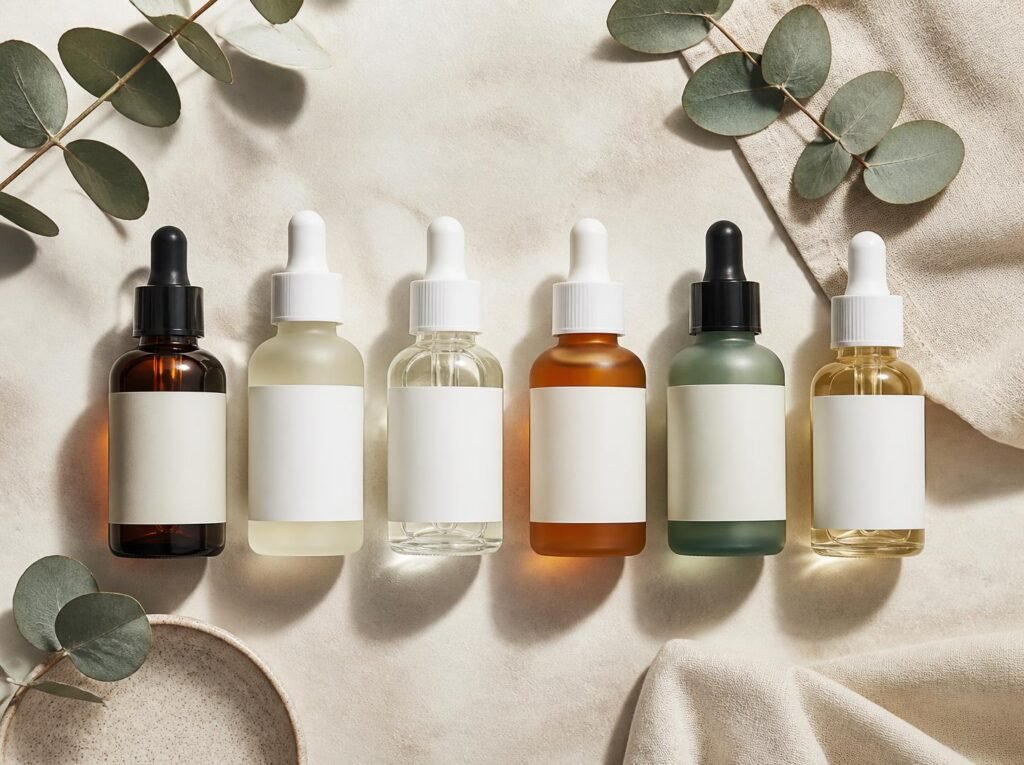
The Ordinary Niacinamide 10% + Zinc 1% — Best Budget Classic
This is the serum most people start with, and for good reason. The zinc pairing makes it especially useful for oily, acne-prone skin, since zinc helps regulate oil and calm breakouts. At 10% it can feel strong on sensitive faces, so ease in slowly. But you can’t beat the price-to-proof ratio.
→ Check current price on Amazon
Anua Niacinamide 10 + TXA 4 Serum — Best Overall for 2026
This Korean formula keeps topping roundups this year, frequently named the best overall pick for oily and acne-prone skin. The tranexamic acid is the bonus — it targets the post-acne dark spots that breakouts leave behind. If you fight dark marks as much as active pimples, this is your pick.
→ See the Anua serum on Amazon
Good Molecules Niacinamide Serum — Best Budget Backup
Regularly flagged as the best budget option for people who want a simple serum without spending much. Nothing fancy. Just a clean, no-drama daily staple.
Paula’s Choice 10% Niacinamide Booster — Best Premium Pick
A premium formula that stays a go-to for acne-prone skin in 2026. A “booster” means you can mix a drop into your moisturizer or use it alone. Flexible, well-formulated, and worth it if you want to spend a bit more.
La Roche-Posay Mela B3 — Best Derm-Shelf Favorite
It shows up next to The Ordinary as proof that smart formulation beats raw concentration. A safe, sensible choice from a brand dermatologists trust. Great if you want fewer ingredients and less guesswork.
Minimalist 5% Niacinamide — Best for Easily Irritated Skin
If your skin flares at everything, start here. The 5% strength offers a lower concentration with more hydration, made for skin that gets irritated easily but still needs repair. This is the “I’ve been burned” starter serum.
A 5% Niacinamide Blend — Best for Sensitive, Brightening Needs
Some 2026 formulas pair 5% niacinamide with barrier support and spot-fading extras. In one three-week consumer study of such a serum, 93% reported a more even-looking tone. Take consumer stats with a grain of salt — but the gentle 5% approach is smart for reactive skin.
→ Shop 5% niacinamide serums on Amazon
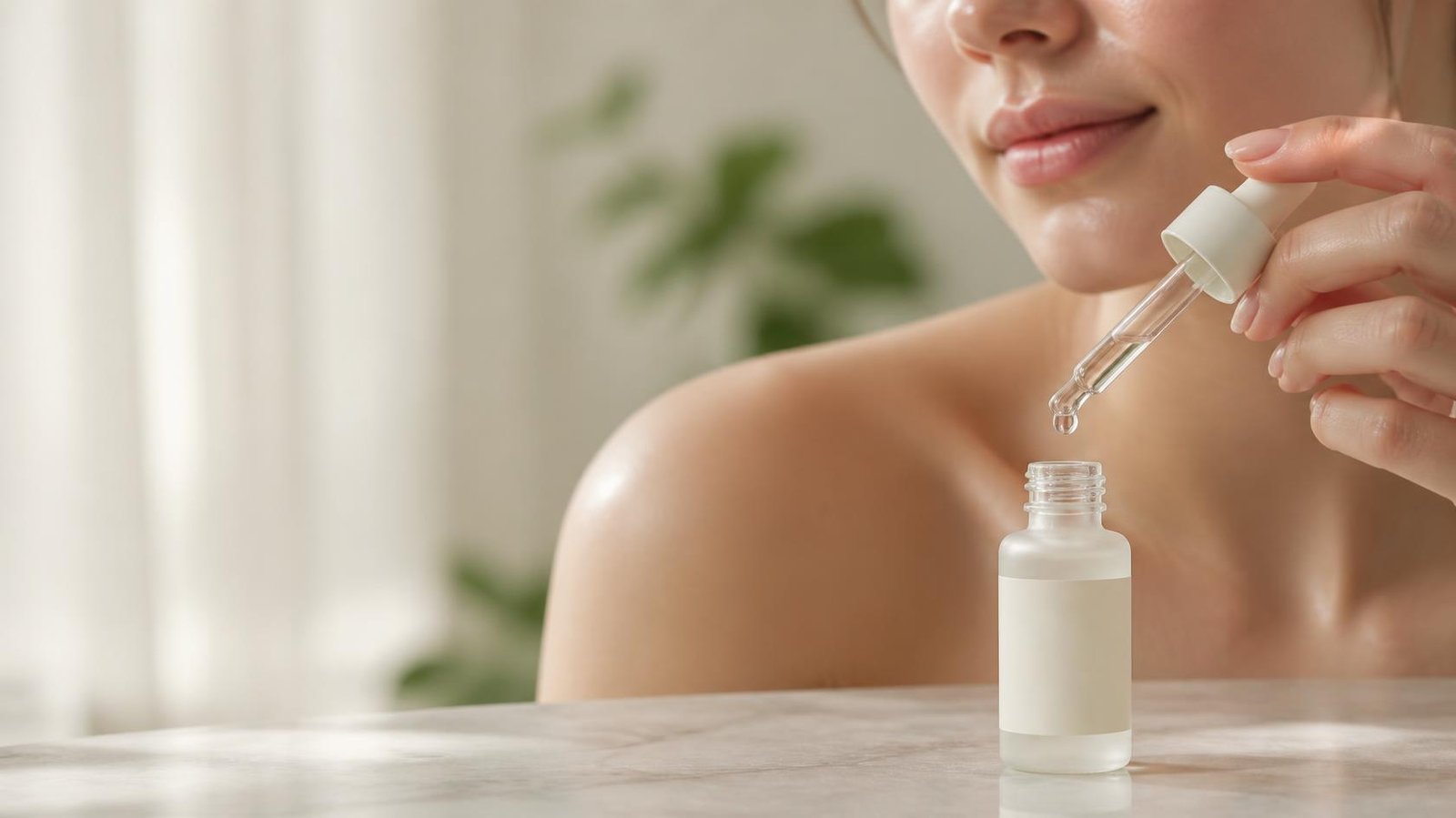
How to Use Niacinamide Serum for Acne (Step by Step)
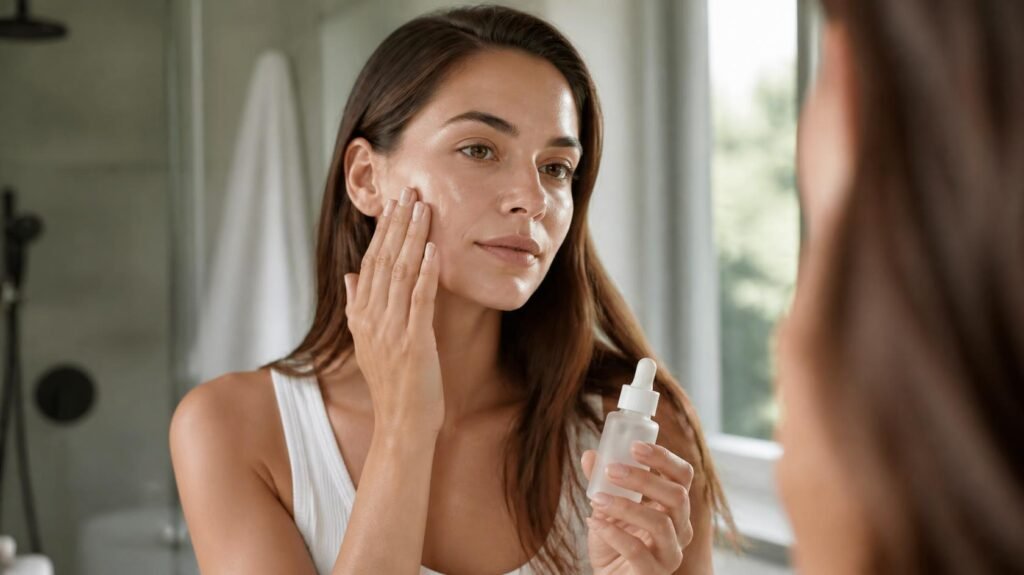
Buying the serum is the easy part. Using it right — and fitting it into the rest of your acne skincare routine — is where people slip. Follow this and you stack the odds in your favor:
- Cleanse, then apply to slightly damp skin. This cuts the pilling problem instantly.
- Use a few drops, then wait about 60 seconds. Let it sink in before the next step.
- Follow with moisturizer, then sunscreen every morning. No exceptions on the SPF.
- Use it once or twice a day. It’s safe for daily use, even twice.
- Give it 8 weeks before you judge it. Mark your calendar. Take a photo now. Compare later.
That’s it. No 12-step routine. No suffering.
Is Niacinamide Worth It for Acne? The Honest Verdict
Say you’re the hardest skeptic in the room. You’ve read all this and you’re still suspicious. Good. Hold onto that. But answer one honest question: what’s the risk here?
Niacinamide is cheap. It’s one of the most-tested ingredients in dermatology. It delivers steady, long-term improvement, which makes it one of the safest, most versatile ingredients for every skin type.
Compare that to what you’ve already spent. The trendy serums. The prescription that dried you out. The random products you tried once and shoved in a drawer. You’ve already gambled on worse odds. This is the calm, boring, evidence-backed bet. And boring is exactly what acne-prone skin needs after years of drama.
The believers aren’t loyal to niacinamide because it’s exciting. They’re loyal because it’s dependable. In skincare, that’s a much rarer thing.
The Bottom Line on Niacinamide for Acne
You were right to be skeptical. Most skincare is empty hype. Niacinamide isn’t — it’s got the receipts. A 4% gel that once went toe-to-toe with a prescription antibiotic, minus the burning and the flaking. It drops oil. It quiets redness. It rebuilds the barrier your last three products tore apart.
The only ways to blow it are picking the wrong strength, expecting magic by Friday, or bailing at week two. So don’t.
Pick one niacinamide serum for acne-prone skin from the list above — 5% if you’re reactive, 10% with zinc if you’re oily. Buy the single bottle. Use it every day for eight full weeks, and take a photo today so you can’t fool yourself later. Then let your face settle the argument. It’s the one test the hype can’t fake — and the only one that ever mattered.