How Long to Leave a Pimple Patch On: 6 Proven Rules
Disclosure: This article contains Amazon affiliate links. If you buy through them, Better Acne Treatment may earn a small commission at no extra cost to you. We only recommend products we would point a friend to.
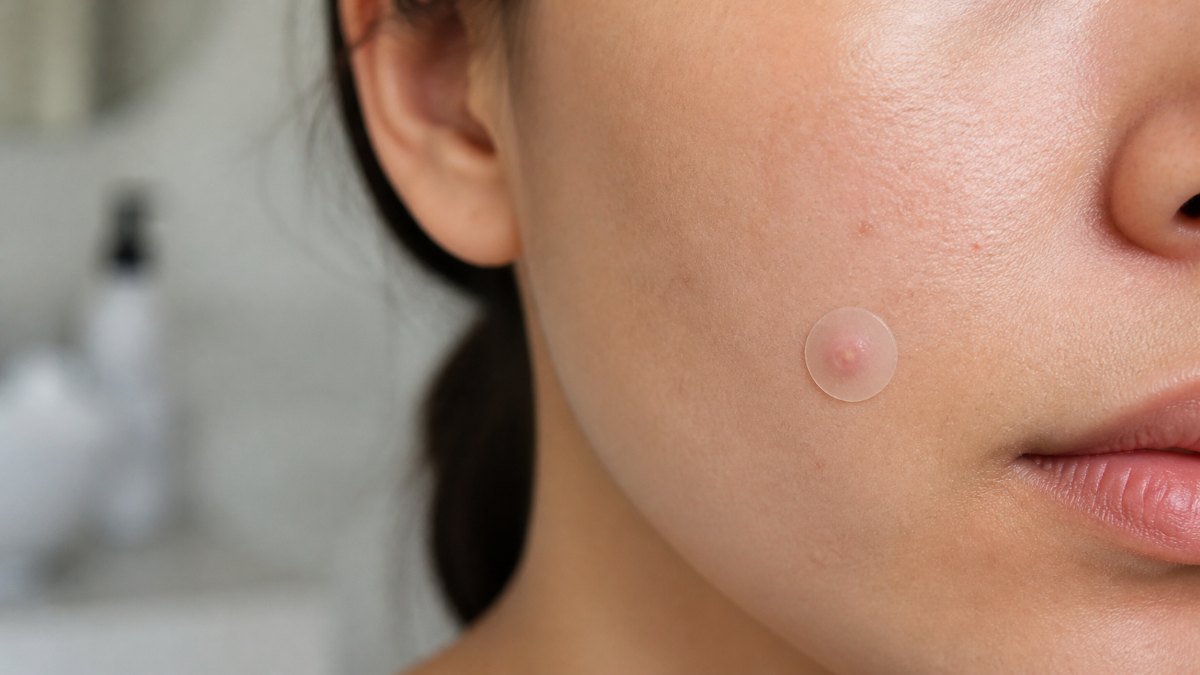
A pimple patch does its best work when you leave it on for about six to eight hours, usually overnight, and swap it for a fresh one once the center turns opaque white or the edges start to lift. That is the short answer. The longer one matters more, because the right wear time depends on what kind of spot you are covering, and the wrong patch on the wrong pimple will not do much no matter how long it stays put.
Interest in exactly this question has been climbing on Google this fall, yet most pages that answer it repeat the same vague “it depends.” Below you will find specific timings by patch type, the clinical data behind them, and the visual signs that tell you a patch has finished its job.
Table of Contents
How Long to Leave a Pimple Patch On, by Patch Type
Three kinds of pimple patch sit on the drugstore shelf, and each runs on a slightly different clock. Before you peel one off the sheet, check which kind you are holding.
| Patch type | Best for | Minimum wear | When to change or stop |
|---|---|---|---|
| Plain hydrocolloid | Whiteheads and spots that have already drained | 6 hours | Swap when the center turns white or the edges lift; a fresh patch daily for up to 2 to 3 days |
| Medicated hydrocolloid (salicylic acid, tea tree, niacinamide) | Surfaced spots that are also red and oily | 6 hours | Same as plain, but stop if it stings or leaves a dry, flaky ring |
| Microneedle (“microdart”) | Early, tender bumps with no visible head | 6 hours | One patch per session; repeat every 2 to 3 days if the label allows |
These numbers are not guesses. Hero Cosmetics says its Mighty Patch Original visibly shrinks spots within six hours, and Peace Out tells users of its microneedle dots to wear them for at least six hours and repeat every two to three days. Dermatologist Dr. Hadley King has said non-medicated hydrocolloid pimple patches can stay on the same spot for two to three days, provided you change the patch every day, as reported by the American Chemical Society’s ChemMatters.
Why “until it turns white” is the right pimple patch cue
The white dome you see in the morning is the hydrocolloid turning into gel as it soaks up fluid. Once the area over the spot is saturated, it cannot absorb more, so extra hours add occlusion but no extra drainage. That is your signal to change it.
The opposite cue is just as useful. A pimple patch that is still perfectly clear after a full night usually means the pimple had nothing to give. The spot is either closed or sitting deeper than a flat sticker can reach, and leaving it on for another day will not change that.
What the Patch Is Really Doing Overnight
Hydrocolloid is old technology wearing new packaging. These dressings reached the UK market in 1982 and the US a year later, long before anyone printed them in star shapes, according to a 2025 review in the Journal of Clinical Medicine. The material absorbs fluid, forms a soft gel, and keeps the wound moist and sealed, and moist wounds resurface faster with less crusting than wounds left open to air.
Here is the part social media gets wrong: a pimple patch does not suck anything out of a closed pore. A 2026 Dermatology Times mythbuster explains that the fluid filling the patch comes from a lesion that is already open or draining. That one fact explains most “it didn’t work” complaints, since people stick pimple patches on blind bumps and wait for a pull that never happens.
The third mechanism is behavioral and easy to underrate. An opaque pimple patch makes the spot physically unreachable for the eight to twelve hours you are asleep, and fingers are one of the biggest reasons a small pimple turns into a lingering mark.
The Evidence, in Plain Numbers
Three trials do most of the heavy lifting, and they point in the same direction.
- The 2024 JAAD trial. Researchers randomized people aged 12 to 35 into a gentle wash plus hydrocolloid group or a gentle wash only group for 14 days, and 41 participants finished. In the Journal of the American Academy of Dermatology abstract, popped pimples looked significantly better by day 1 and day 4, with gains in crusting, redness, size, and scaling. Closed pimples improved too, but only size on day 4 and dryness on days 2 and 7 reached significance.
- The 2006 pilot. In 20 people with mild to moderate acne, a hydrocolloid dressing beat ordinary skin tape on overall severity and inflammation from day 3 through day 7.
- The 2025 trial. An unmedicated patch worn over active pustules cut lesion size by 35% and severity by 44% within two days compared with no treatment, and acne-related quality of life scores rose 57%.
Two caveats are worth knowing. The largest trial was industry sponsored, and none of these studies enrolled deep nodules or blackheads. Read together, the pattern is clear: the more open the spot, the bigger and faster the payoff.
Match the Patch to the Pimple
Choosing the right type matters more than squeezing out an extra hour of wear. Use the spot in the mirror to decide.
Whiteheads and drained spots: plain hydrocolloid patches
If you can see a white or yellow head, or the spot has already opened, a plain hydrocolloid pimple patch is the best tool. Put it on at night and expect a flatter, less angry spot by morning. If a little fluid is still there, apply a fresh patch for a second night. Sensitive skin usually does best here, because there are no actives to irritate the raw skin around the spot.
Early, sore bumps: microneedle pimple patches
That deep, tender bump you feel before anything shows is a different job. Microneedle pimple patches carry tiny dissolving spikes loaded with actives such as salicylic acid, designed to deliver them past the skin’s surface. Peace Out’s version uses 430 microneedles and 2% salicylic acid. The evidence is thinner here: the brand’s headline claims come from a 34-person consumer perception study, not a controlled trial. Treat these as a reasonable early intervention, not a guarantee, and apply them as soon as you feel the bump rather than after it has fully formed.
When to skip the patch entirely
Blackheads and tiny closed bumps have nothing for a patch to absorb, so comedonal acne responds far better to a leave-on exfoliant or retinoid. Deep, painful lumps that last for weeks belong in the cystic acne category, where a sticker cannot reach the inflammation. And if you are patching more than three or four spots a week, the patch is treating symptoms while your routine misses the cause.
If you would rather watch than read, this short explainer from a board-certified dermatologist covers which spots respond to patches and which do not.
6 Rules for Wearing a Pimple Patch the Right Way
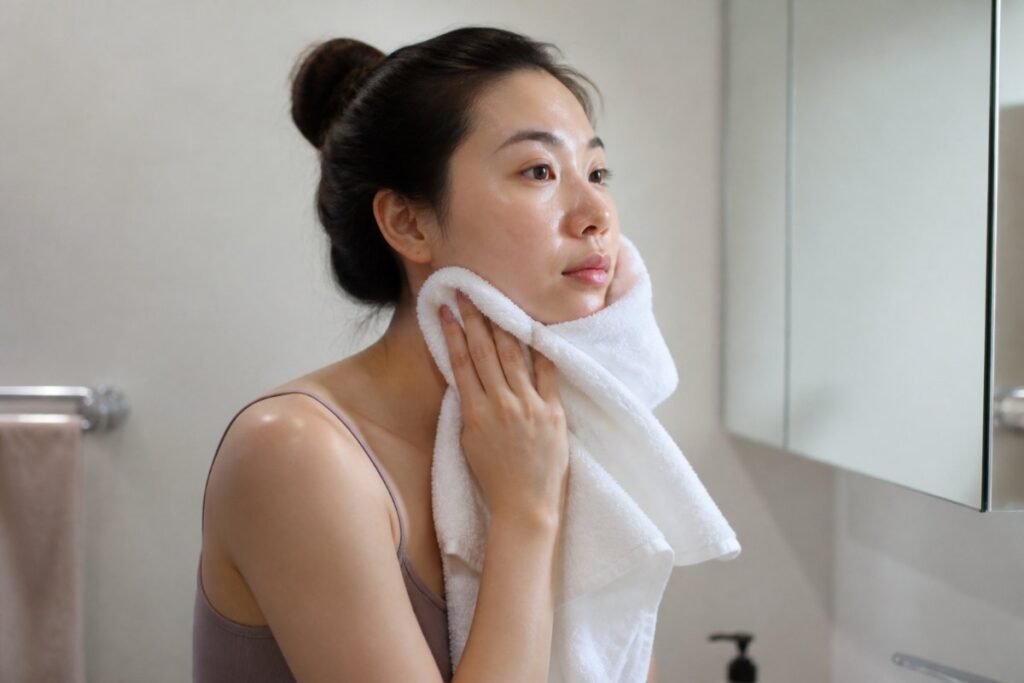
- Apply to clean, completely dry skin first. Put the patch on before serum or moisturizer. Oil, water, and product residue all weaken the seal, and a lifted edge lets the gel dry out.
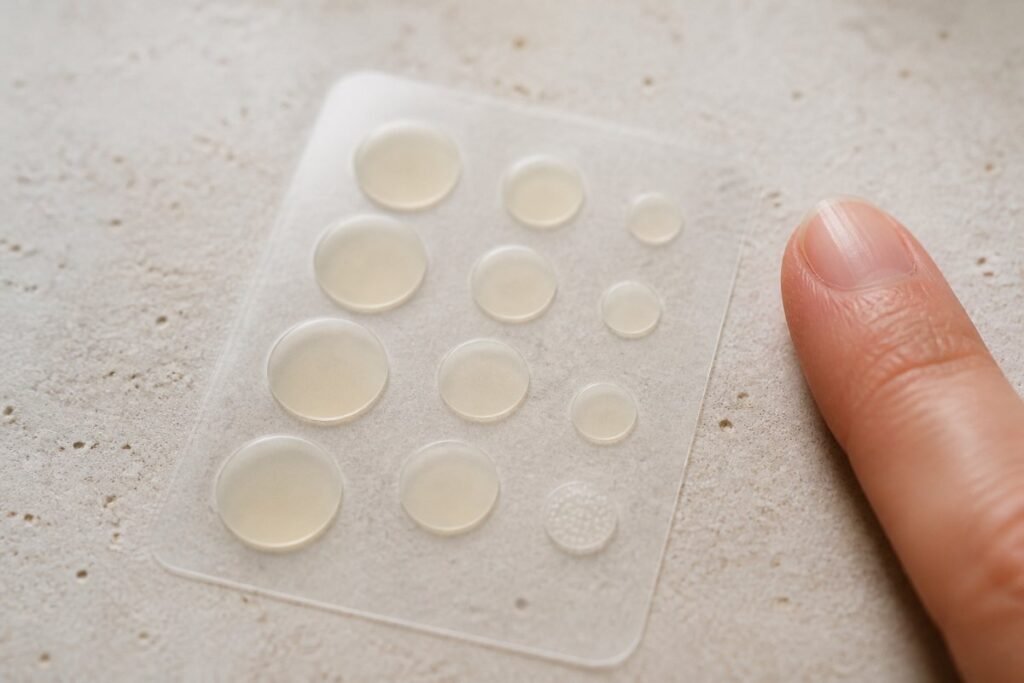
- Size up. Choose a pimple patch slightly larger than the spot so the adhesive grips healthy skin, not the inflamed center. COSRX tells users to do exactly this.
- Press and hold. Peace Out directs users to press for 20 seconds, and the same trick helps any hydrocolloid. Body heat softens the adhesive into the skin’s texture.
- Give it six hours or a full night. Shorter wear rarely leaves enough time for the gel to saturate. Thin, matte daytime patches can work under makeup, but nighttime wear is where the trial results came from.
- Change it rather than stretching it. Once the center is white or an edge lifts, replace it. As a rule of thumb, retire any single patch within 24 hours, even if it still looks clear.
- Peel low and slow. Lift from one edge and pull parallel to the skin, not straight up. Ripping upward can tear the thin new skin you just spent a night protecting.
One more judgment call: skip strong actives such as retinoids or benzoyl peroxide directly under a pimple patch. Occlusion increases how much of an ingredient gets into the skin, which is great for water and less great for something that already stings. Apply those to the rest of your face and keep the patched spot simple.
Signs You Have Left a Pimple Patch On Too Long
Your skin will tell you when wear time has gone past useful. Watch for these four signals:
- Puffy, white, wrinkled skin around the spot, the same waterlogged look fingers get after a long bath. That is over-hydration, and it slows healing.
- An itchy red ring that matches the outline of the patch. That points to adhesive irritation or a reaction to an added ingredient such as tea tree oil. Switch to a plain, fragrance-free pimple patch.
- Grey, lifting edges that have collected grime. The seal is gone, so the patch is now just a dirty sticker.
- No change after three nights. The spot is the wrong type for a patch. Move to a medicated spot treatment or, for deep lumps, see a professional.
The Underrated Payoff: Fewer Dark Marks
The most interesting finding in the 2025 trial was not about size. By day 10, post-inflammatory hyperpigmentation had worsened significantly in the untreated group compared with the patched group. That fits the “hands off” mechanism: every time you pick, you add trauma, and trauma feeds pigment.
If you already deal with brown or red marks after breakouts, this is the strongest argument for wearing a pimple patch. Not sure which kind of mark you have? Our PIE vs PIH guide has a quick test, and our post on dark marks after acne covers how to fade the ones you already have. A patch also shades the healing spot from daytime UV, but it is no substitute for sunscreen on the rest of your face.
Pimple Patches Worth Keeping in Your Drawer
You do not need a dozen boxes. One plain hydrocolloid, one size-assorted pack, and one microneedle option cover nearly every situation, and a gentle cleanser makes all of them stick better.
Hero Cosmetics Mighty Patch Original, 36 count
This is the pure hydrocolloid pimple patch most people picture, and it is the simplest choice for whiteheads you want flatter by morning. With no actives on board, it is easy on sensitive or already-irritated skin. Check the Mighty Patch Original on Amazon.
COSRX Acne Pimple Master Patch, 3 sizes, 96 count
Three sizes in one pack make rule two easy to follow, and the high count suits anyone who breaks out on the chin or jawline in clusters. It is a sensible value buy for nightly use. See the COSRX Master Patch on Amazon.
Peace Out Early Stage Acne Microneedling Dots, 8 count
Keep a few of these for the sore, under-the-skin bump that has not surfaced yet. They cost more per patch, so save them for early spots instead of using them on whiteheads a plain patch can handle. View Peace Out Early Stage Acne Dots on Amazon.
Vanicream Gentle Facial Cleanser, 8 fl oz
A patch only sticks well to skin that is clean and free of residue, and this fragrance-free, non-stripping wash leaves nothing behind to break the seal. It also pairs well with stronger acne treatments elsewhere in your routine. Find Vanicream Gentle Facial Cleanser on Amazon.
Where a Pimple Patch Fits in Your Routine
Think of pimple patches as the rescue tool and your routine as the prevention plan. A patch handles the spot in front of you, while a leave-on treatment such as salicylic acid, adapalene, or benzoyl peroxide stops the next ten from forming. If you do not have that base yet, start with our guide to building a simple acne routine, then compare options in our roundup of the best spot treatments for acne.
A practical evening order looks like this: cleanse, pat dry, patch the spot, then apply your usual treatment and moisturizer around the patch. In the morning, peel it off, cleanse, and either re-patch with a thin daytime version or let the spot breathe under sunscreen.
Pimple patches cannot fix painful nodules, acne that leaves pitted scars, or breakouts that keep coming back despite a solid routine. Those are signs it is time to see a dermatologist for acne, because prescription treatment works on the root cause in a way no sticker can.
Frequently Asked Questions
Can I leave a pimple patch on for 24 hours?
You can, but there is rarely a reason to. Most patches saturate within six to eight hours, and after that they add occlusion without absorbing more fluid. Replace a white or lifting patch with a fresh one, and retire any single patch within about a day to avoid soggy, irritated skin.
Should I pop a pimple before putting on a patch?
No. Squeezing adds trauma and raises the risk of a dark mark. If a spot has opened on its own, clean it gently and patch it right away, because draining spots are exactly where hydrocolloid showed its fastest results in trials.
Do pimple patches work on cystic acne?
Plain hydrocolloid patches do little for cysts, since the inflammation sits too deep and there is no surface fluid to absorb. A microneedle patch applied early may calm a tender bump, but recurring cysts need prescription treatment from a dermatologist.
Can I wear a pimple patch during the day under makeup?
Yes. Thin, matte patches are designed for daytime and can sit under concealer. Apply the patch to bare, dry skin first, then pat makeup over it rather than rubbing so the edges stay sealed.
Why didn’t my pimple patch turn white?
A clear patch usually means the spot had no fluid to release. It may be a closed bump, a blackhead, or a deeper lesion. That does not mean you should wear it longer; switch to a salicylic acid or benzoyl peroxide spot treatment instead.
How many days in a row can I patch the same spot?
Two to three nights is a sensible limit, using a fresh patch each time. If the spot is not flatter or calmer by then, the patch is the wrong tool and a medicated treatment will serve you better.
The bottom line: match the patch to the spot, wear it for six to eight hours or overnight, change it when it turns white, and stop after a few nights if nothing is happening. Used that way, a pimple patch is one of the cheapest, lowest-risk tools in acne care, especially for protecting your skin from your own fingers.