What Causes Acne? 10 Shocking Triggers to Know
If you’ve ever stared into a mirror wondering what causes acne — especially after doing “everything right” — I feel you. I’ve spent over a decade researching skincare science, and here’s the problem: most of the advice floating around is either oversimplified garbage or flat-out wrong. That’s frustrating when you’re dealing with painful breakouts that tank your confidence and make you want to cancel plans. The good news? Once you understand the real acne triggers, you can build a strategy that actually works. Let me walk you through the 10 triggers that dermatologists and researchers keep pointing to — some of which will genuinely surprise you.
Table of Contents
- What Causes Acne, Really?
- Trigger #1: Hormonal Fluctuations
- Trigger #2: Excess Sebum Production
- Trigger #3: The Bacteria You Can’t See
- Trigger #4: Dead Skin Cell Buildup
- Trigger #5: Stress Is Wrecking Your Skin
- Trigger #6: Your Diet (Sorry, It Matters)
- Trigger #7: Wrong Skincare Products
- Trigger #8: Touching Your Face
- Trigger #9: Certain Medications
- Trigger #10: Environmental Factors
- How to Actually Fight Back
- Frequently Asked Questions
- My Top Recommended Gear
What Causes Acne, Really?
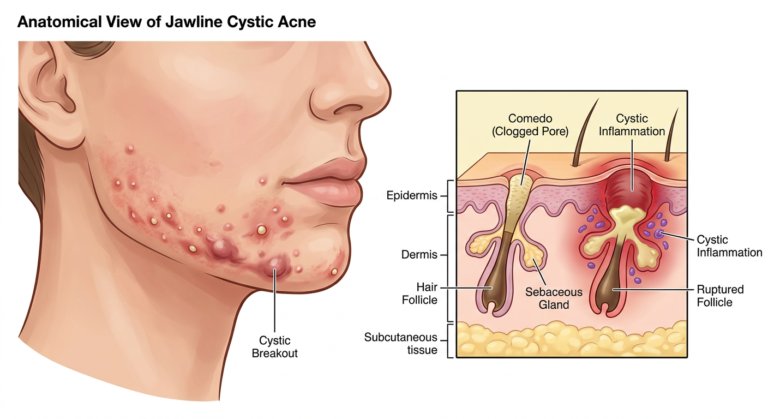
Acne forms when hair follicles become clogged with oil (sebum) and dead skin cells, creating an environment where bacteria thrive and inflammation occurs. Four core factors drive every breakout: excess oil production, clogged pores, bacterial overgrowth, and inflammation. But the triggers behind those factors? That’s where it gets interesting — and where most people get it wrong.
I’ve seen people blame their pillowcases while ignoring their hormone panels. I’ve watched others scrub their faces raw thinking “dirty skin” causes pimples. The truth is more nuanced, and I’m going to break it down without sugarcoating anything. If you’re brand new to all this, I’d recommend checking out my Start Here guide for the foundations before going deeper.
Trigger #1: Hormonal Fluctuations
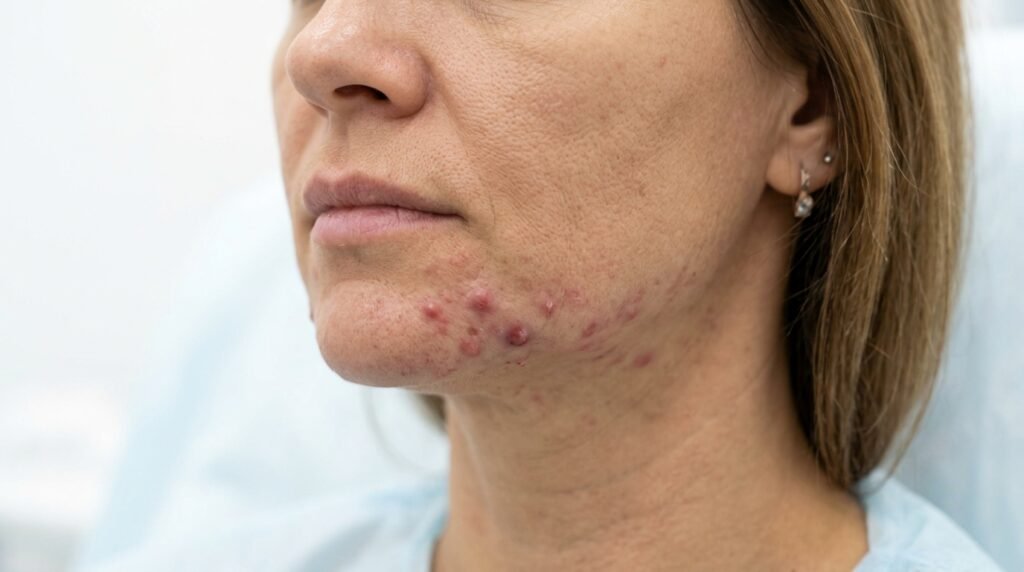
Let’s start with the biggest one. Hormonal acne is the single most underdiagnosed acne trigger I encounter. Androgens — particularly testosterone and its derivative DHT — directly stimulate your sebaceous glands to produce more oil. More oil means more clogged pores. Simple math, brutal outcome.
This is why breakouts spike during puberty, menstrual cycles, pregnancy, and even perimenopause. It’s also why polycystic ovary syndrome (PCOS) and acne are so tightly linked. According to the American Academy of Dermatology, hormonal shifts remain the primary driver of adult acne, particularly in women over 25.
If your pimples cluster along your jawline and chin and flare predictably with your cycle, hormones are almost certainly involved. A dermatologist can run hormone panels and discuss options like spironolactone or oral contraceptives. Don’t guess — get tested.
Trigger #2: Excess Sebum Production
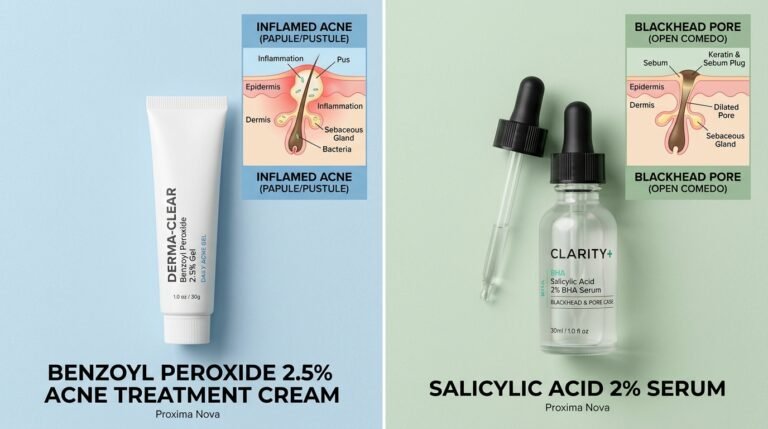
Your skin needs sebum — it’s a natural moisturizer and protector. But when your sebaceous glands go into overdrive (thanks, genetics and hormones), that excess oil mixes with dead skin cells and creates the perfect plug inside your pores. That plug is called a comedone, and it’s the starting point of every whitehead, blackhead, and inflamed pimple you’ve ever had.
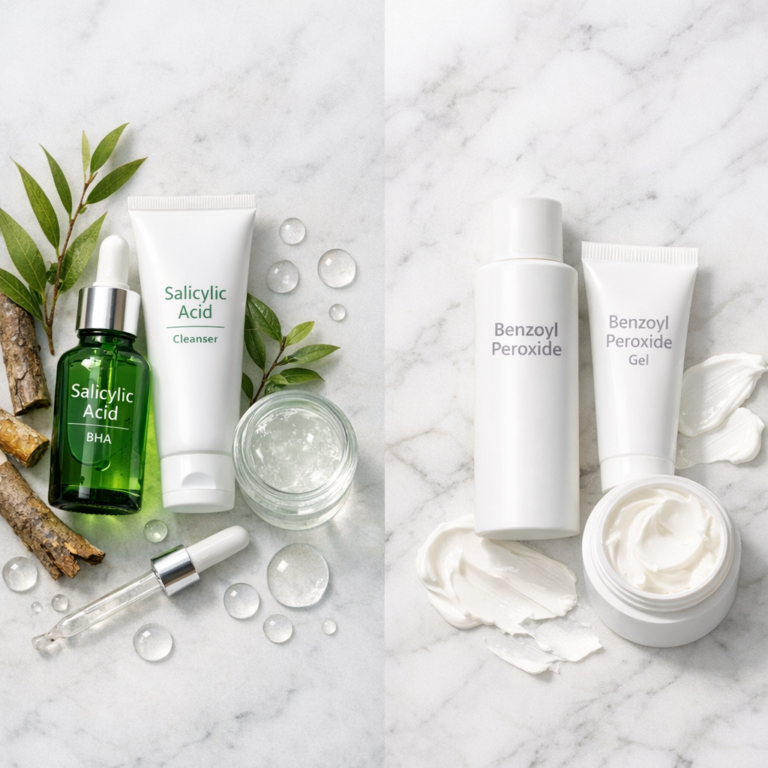
Some people just produce more oil genetically. If your parents had oily skin and acne, you’re fighting an uphill battle — but it’s absolutely winnable. The key is managing oil without stripping your skin. I break down two of the best options in my benzoyl peroxide vs. salicylic acid comparison.
Trigger #3: The Bacteria You Can’t See
Cutibacterium acnes (formerly Propionibacterium acnes) lives on everyone’s skin. It’s part of your normal microbiome. But when pores get clogged and oxygen-poor environments form, C. acnes multiplies rapidly, triggering an immune response that shows up as red, swollen, angry breakouts.
Here’s the myth-bust: acne isn’t caused by “dirty skin.” Over-cleansing can actually damage your skin barrier and make bacterial problems worse. The National Institute of Arthritis and Musculoskeletal and Skin Diseases (NIAMS) emphasizes that gentle cleansing twice daily is far more effective than aggressive scrubbing. For a deeper look at different types, visit my acne types breakdown.
Trigger #4: Dead Skin Cell Buildup
Your skin sheds roughly 30,000 to 40,000 dead cells per hour. Wild, right? Normally these cells slough off and life goes on. But in acne-prone skin, the process of desquamation (shedding) doesn’t work properly. Dead cells stick together inside the follicle, mixing with sebum to form that comedonal plug I mentioned earlier.
This is exactly why chemical exfoliants like salicylic acid (a BHA) and glycolic acid (an AHA) are so effective — they dissolve the “glue” holding dead cells together. Physical scrubs? They can work for some, but for inflamed acne, they often cause more irritation and spread bacteria. IMO, chemical exfoliation wins every time for acne-prone skin.
Trigger #5: Stress Is Wrecking Your Skin
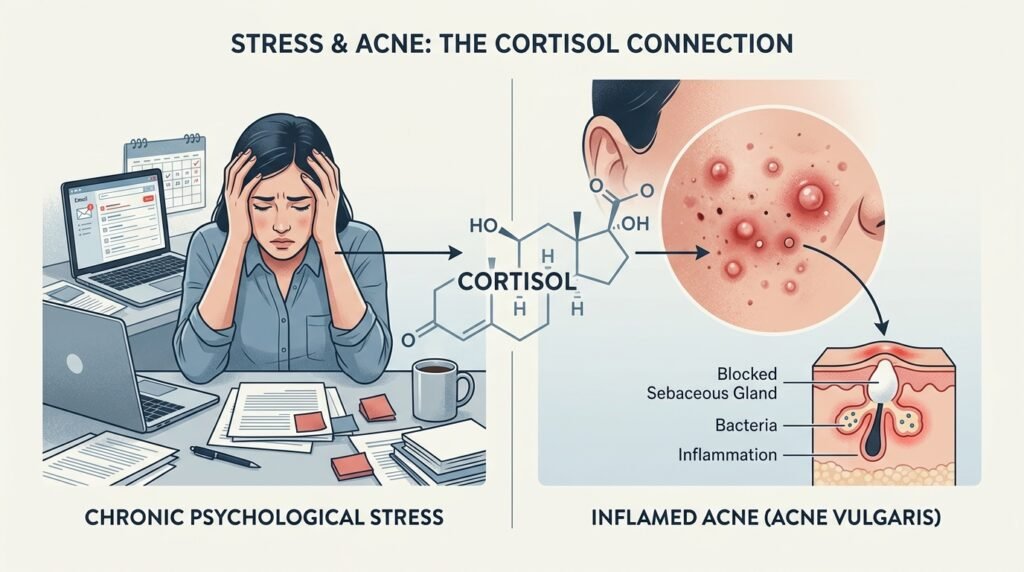
I know, I know — “just relax” is terrible advice. But the science here is rock solid. When you’re stressed, your adrenal glands pump out cortisol. Cortisol increases oil production, impairs your skin’s barrier function, and amplifies inflammation. A 2017 study published in Clinical, Cosmetic and Investigational Dermatology found a statistically significant correlation between stress levels and acne severity in adult women.
The fix isn’t a face cream — it’s sleep, movement, and boundaries. I’m not being preachy; I’m being practical. Chronic stress will undermine every topical product you own.
Trigger #6: Your Diet (Sorry, It Matters)
For decades, dermatologists dismissed the diet-acne link. “Chocolate doesn’t cause acne!” they’d say. And technically, chocolate alone doesn’t. But the research has caught up, and the evidence on high-glycemic foods and dairy is hard to ignore.
High-glycemic foods (white bread, sugary snacks, soda) spike insulin and IGF-1, which increase androgen activity and oil production. Skim milk has also been consistently linked to acne in multiple studies — possibly because of the hormones and bioactive molecules it contains. A Journal of the American Academy of Dermatology study found a positive association between milk intake and acne prevalence.
I’m not saying you need to go vegan or give up everything you love. But if your breakouts are stubborn, keeping a food diary for 4–6 weeks might reveal patterns your dermatologist can’t see from a 15-minute appointment. Check out my skin concerns hub for more on how lifestyle factors affect your complexion.
Trigger #7: Wrong Skincare Products
This one makes me want to flip a table. So many people unknowingly sabotage their skin with comedogenic (pore-clogging) products and then blame their genetics. Heavy foundations, coconut oil as moisturizer, that “natural” cream with 47 essential oils — all potential acne triggers.
Look for “non-comedogenic” on labels. Check ingredient lists for common offenders like isopropyl myristate, cocoa butter, and certain silicones. And please — ditch the 12-step skincare routine if your skin is freaking out. Simplicity wins. I laid out a stripped-down approach in my simple acne routine guide.
Expert Commentary: This dermatologist-led breakdown gives a fantastic visual explanation of how pores clog at the cellular level — worth every minute if you’re a visual learner.
Trigger #8: Touching Your Face
You touch your face an average of 16 times per hour. Every single touch transfers bacteria, dirt, and oils from your hands to your skin. Your phone screen? It’s basically a petri dish pressed against your cheek for hours a day 🙂
I started wiping my phone screen daily with an alcohol wipe and noticed fewer cheek breakouts within two weeks. Anecdotal? Sure. But the mechanism makes perfect sense, and it costs you literally nothing to try.
Trigger #9: Certain Medications
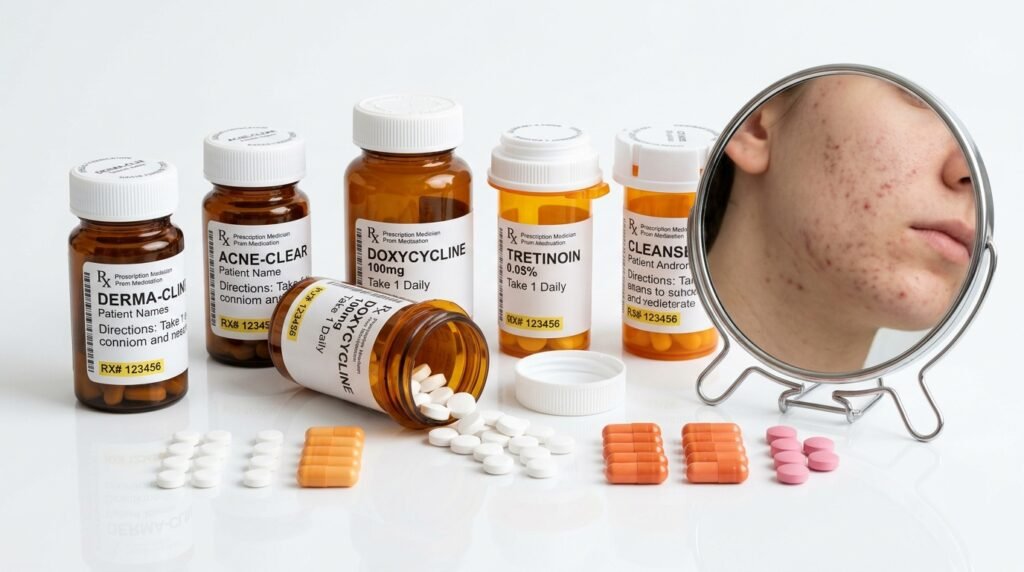
Several common medications list acne as a side effect, and most people never connect the dots. Corticosteroids, lithium, certain anticonvulsants, testosterone replacement therapy, and some forms of hormonal birth control can all trigger or worsen breakouts.
If you started a new medication and your skin went haywire within weeks, talk to your prescribing doctor. There may be alternative options that don’t turn your face into a war zone. Never stop a medication without medical guidance — but absolutely advocate for yourself.
Trigger #10: Environmental Factors
Humidity, pollution, and even hard water can contribute to acne causes that fly under the radar. High humidity increases sweat and oil on your skin’s surface. Air pollution deposits particulate matter that can penetrate pores and trigger oxidative stress. And hard water — rich in calcium and magnesium — can leave a film on your skin that disrupts your barrier.
If you’ve moved to a new city and suddenly started breaking out, your environment might be the culprit. A shower filter and adjusting your skincare routine to your climate can make a surprisingly big difference. NBD, but also kind of a game-changer.
How to Actually Fight Back
Understanding your acne triggers is step one. Step two is building a targeted response. Here are my clear skin tips distilled from years of working in this space:
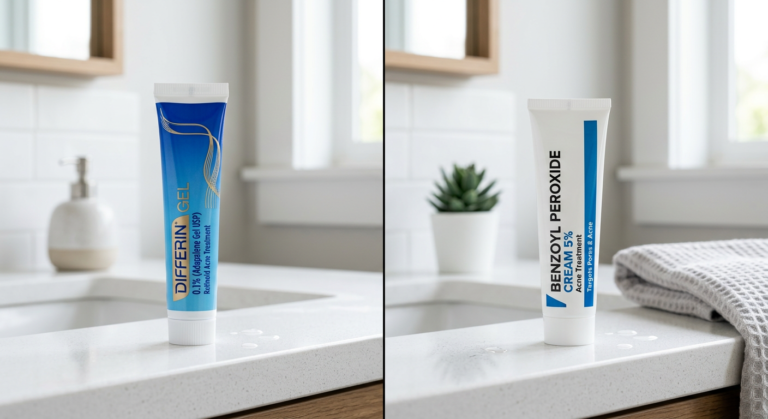
- Simplify your routine: Cleanser, treatment (benzoyl peroxide or retinoid), moisturizer, SPF. That’s it to start.
- Get your hormones checked: Especially if you’re an adult with persistent jawline acne.
- Track your diet: A simple food diary can reveal triggers your doctor can’t.
- Manage stress proactively: Sleep 7+ hours, move your body, set boundaries.
- Stop over-treating: More products ≠ better skin. Your barrier needs respect.
- See a dermatologist: If OTC products haven’t worked after 8–12 weeks, escalate.
If you’re just starting your acne-fighting journey, my best acne treatments for beginners guide gives you a clear roadmap without the overwhelm. And for treatment options across all severity levels, explore the full acne treatments resource.
Frequently Asked Questions
Can acne be caused by stress alone?
Stress alone rarely causes acne from scratch, but it significantly worsens existing breakouts. Cortisol spikes trigger excess sebum production, which clogs pores and fuels inflammation. Managing stress through sleep, exercise, and mindfulness can meaningfully reduce flare-ups.
Does diet really affect acne?
Yes, research increasingly links high-glycemic foods and dairy to increased acne severity. These foods spike insulin and IGF-1 levels, which ramp up oil production and skin cell turnover. Cutting back on sugary processed foods and skim milk may improve breakouts for many people.
What is hormonal acne and how do I know if I have it?
Hormonal acne typically appears along the jawline, chin, and lower cheeks. It often flares cyclically — around menstruation for women or during periods of hormonal shifts. Deep, cystic pimples that resist topical treatments are a hallmark sign. A dermatologist can confirm through evaluation and sometimes blood work.
How often should I wash my face to prevent acne?
Twice daily — morning and night — is the gold standard. Over-washing strips your skin’s moisture barrier, causing rebound oil production that makes breakouts worse. Use a gentle, non-comedogenic cleanser and always wash after sweating heavily.
My Top Recommended Gear
After years of testing and recommending products, these three consistently deliver results for acne-prone skin. I stand behind each one:
- CeraVe Foaming Facial Cleanser — A no-frills, dermatologist-favorite cleanser with ceramides and niacinamide. Removes excess oil without destroying your moisture barrier. My daily driver for years.
- Paula’s Choice 2% BHA Liquid Exfoliant — The gold standard salicylic acid exfoliant. Unclogs pores, smooths texture, and fights breakouts without irritation. Worth every penny.
- La Roche-Posay Effaclar Duo Acne Treatment — A targeted benzoyl peroxide treatment that tackles bacteria and inflammation simultaneously. Great for spot treatment or all-over application on stubborn acne zones.
Disclaimer: This post contains affiliate links. As an Amazon Associate and ClickBank Partner, I may earn a commission from qualifying purchases at no additional cost to you.