Teen Acne Secrets That Actually Clear Skin Fast
Teen acne wrecked my confidence when I was 14—and I spent years trying garbage products before I finally figured out what actually works. If your teenager (or you, the teen reading this) is dealing with painful breakouts, I get it. The frustration of waking up to a new pimple the morning of picture day is real. The problem? Most advice online is recycled fluff that ignores the actual science of why teenage skin freaks out. I’ve spent over a decade researching acne treatments, consulting dermatologists, and testing products—and I’m about to hand you the playbook I wish someone had given me at 15.
Table of Contents
- What Causes Teen Acne in the First Place?
- The Biggest Teen Acne Myths I Need to Kill Right Now
- My Proven Acne Treatment for Teens (Step-by-Step)
- Advanced Breakout Prevention Tactics Most People Miss
- When to See a Dermatologist
- Frequently Asked Questions
- My Top Recommended Gear
What Causes Teen Acne in the First Place?
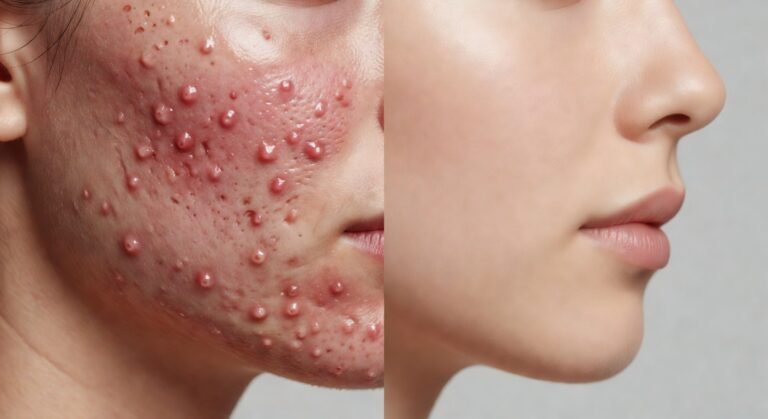
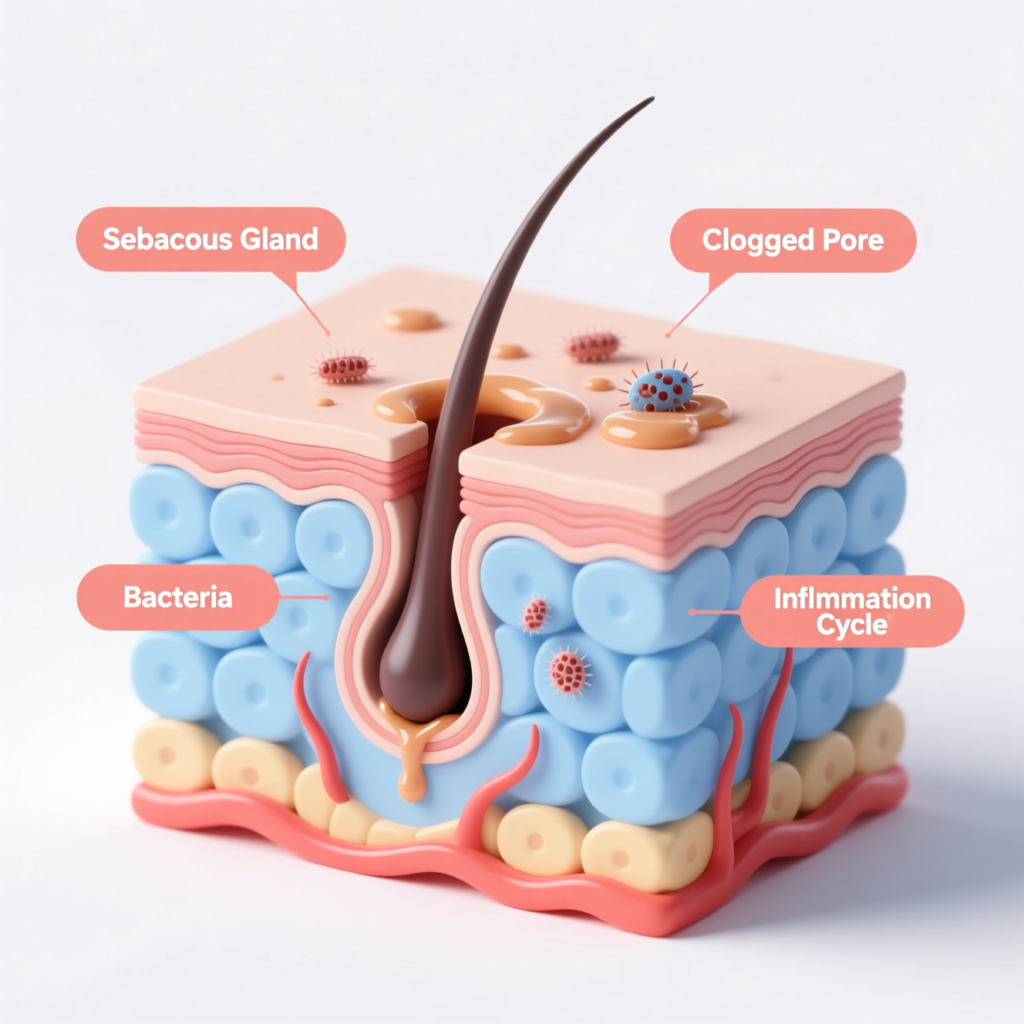
Teen acne is primarily caused by hormonal surges during puberty that increase sebum (oil) production. This excess oil combines with dead skin cells to clog pores, creating an environment where acne-causing bacteria (Cutibacterium acnes) thrive, resulting in pimples, blackheads, and cystic lesions.
Here’s the thing most articles skip: not all teen pimples are created equal. The American Academy of Dermatology identifies four key factors that combine to produce acne—excess oil, clogged pores, bacteria, and inflammation. During puberty, androgens (hormones like testosterone, which both boys AND girls produce) spike and literally command your sebaceous glands to go into overdrive.
But hormones are only one piece of the puzzle. Genetics play a massive role. If both of your parents battled breakouts as teenagers, your odds of dealing with acne jump significantly. You can’t change your DNA, but you can absolutely control how you respond to it. Understanding the different types of acne is the first step toward picking the right treatment instead of randomly grabbing whatever TikTok recommends this week.
Stress is another sneaky contributor. When you’re stressed about exams or social drama, your body pumps out cortisol, which—you guessed it—triggers more oil production. It’s a vicious cycle: stress causes breakouts, breakouts cause more stress. IMO, this is the most underrated acne trigger for teenagers.
The Biggest Teen Acne Myths I Need to Kill Right Now
I’ve heard every myth in the book, and some of them are actively making your skin worse. Let me set the record straight.
Myth #1: “You Need to Wash Your Face More”
Over-washing strips your skin’s protective barrier and triggers a rebound effect where your glands produce even more oil to compensate. Twice daily with a gentle cleanser is the sweet spot. Research from the National Institutes of Health confirms that aggressive cleansing worsens acne severity, not improves it.
Myth #2: “Chocolate and Pizza Cause Acne”
That slice of pepperoni isn’t directly causing your breakouts. However—and this is where it gets nuanced—high-glycemic foods (white bread, sugary cereals, candy) can spike insulin levels, which influences androgen activity and oil production. So it’s not about specific “bad” foods; it’s about your overall dietary pattern. If you want to explore how different skin concerns connect to lifestyle factors, I break it down further there.
Myth #3: “Popping Pimples Makes Them Go Away Faster”
Please stop. I know it’s satisfying (don’t lie), but squeezing pushes bacteria deeper into the skin, increases inflammation, and creates scars that stick around far longer than the pimple ever would have. Use a hydrocolloid patch instead—they literally pull the gunk out overnight without causing damage.
Myth #4: “Sunlight Clears Acne”
A temporary tan might mask redness, but UV exposure actually thickens the outer layer of skin, traps oil beneath the surface, and causes post-inflammatory hyperpigmentation (dark spots). The FDA explicitly warns against using UV exposure as a skin treatment. Always wear SPF 30+, period.
My Proven Acne Treatment for Teens (Step-by-Step)
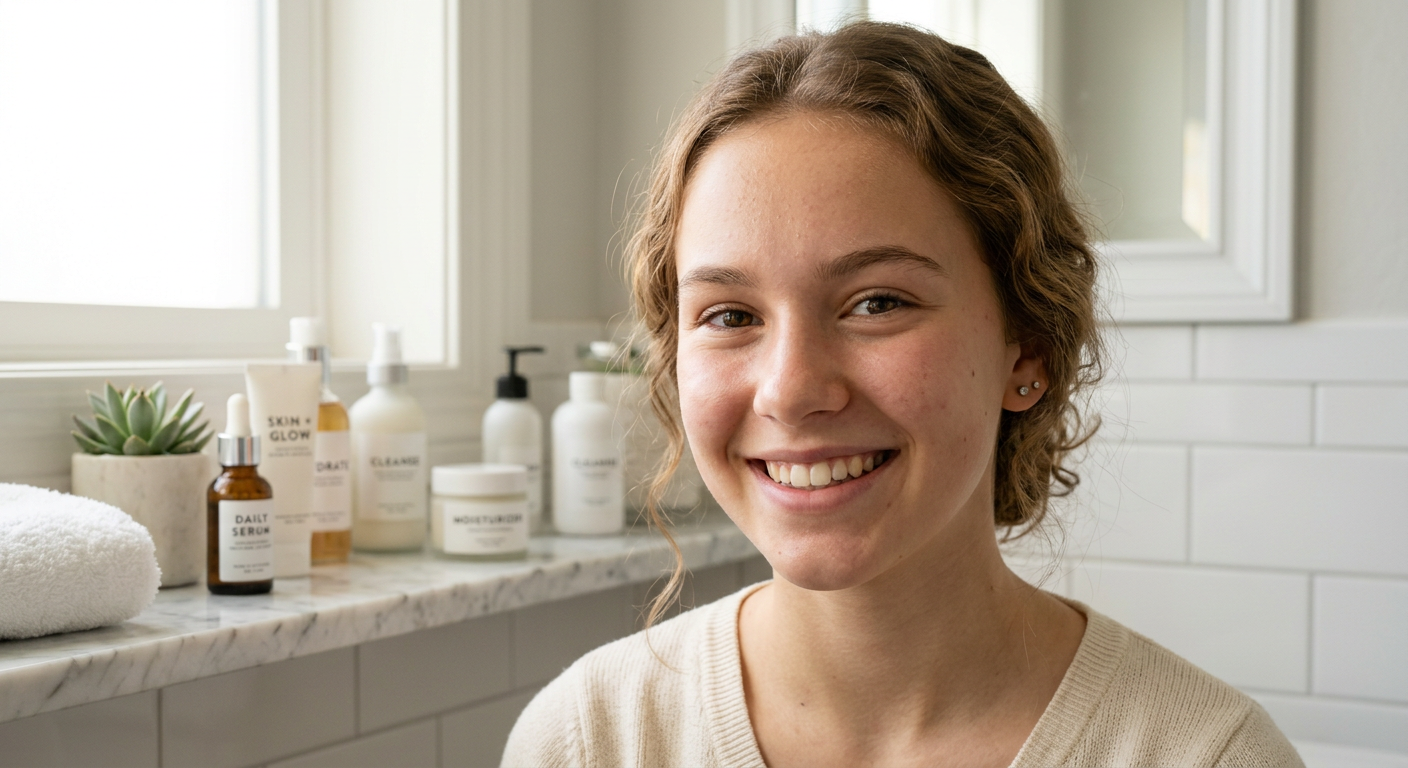
After years of trial, error, and way too much money spent on “miracle” products, here’s the teenage skincare routine I recommend. It’s simple, backed by dermatological science, and won’t obliterate a teenager’s allowance.
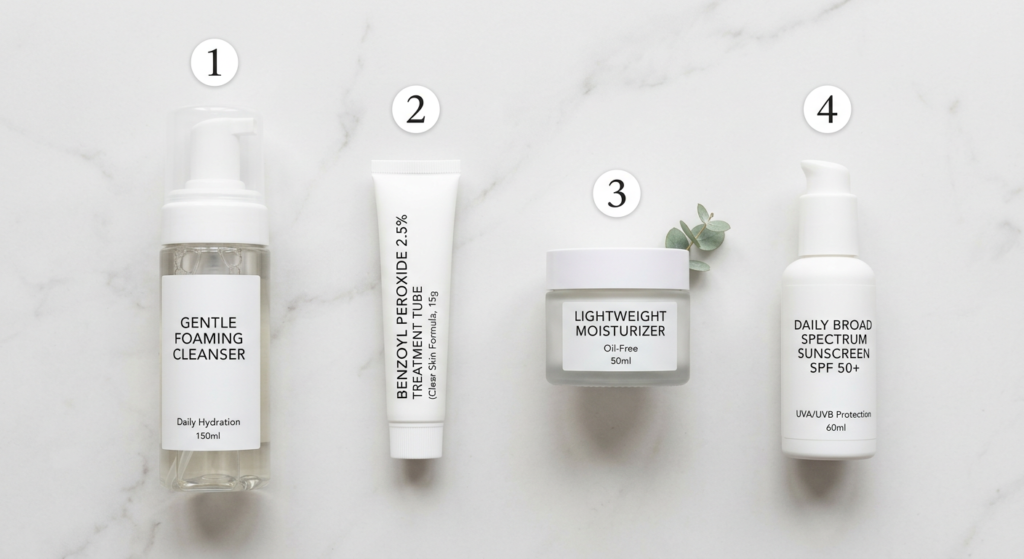
Step 1: Gentle Cleanser (Morning + Night)
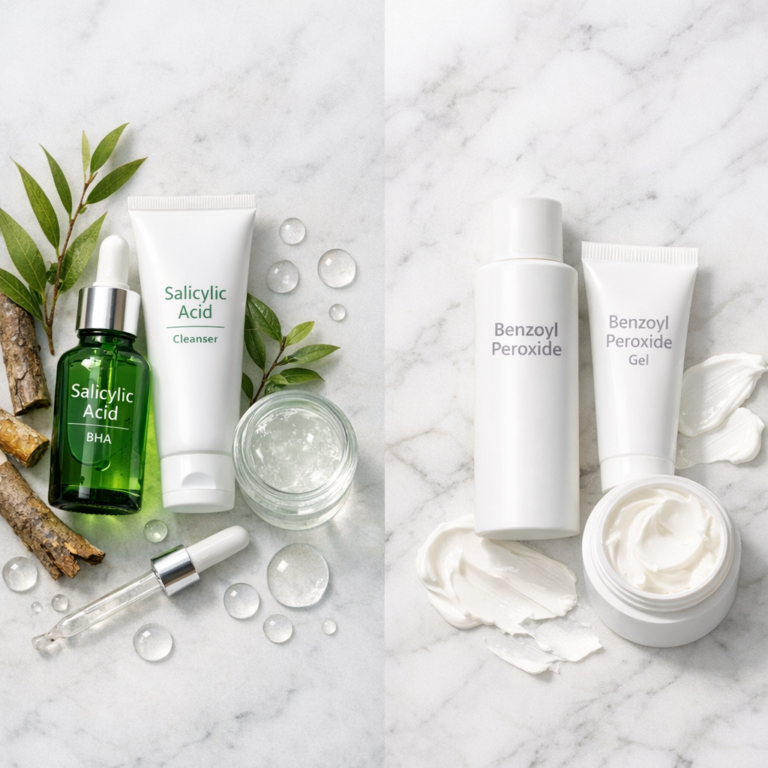
Use a fragrance-free, non-comedogenic cleanser. I prefer ones with salicylic acid (0.5–2%) because it’s oil-soluble, meaning it actually penetrates into the pore and dissolves the gunk inside. Wash with lukewarm water—hot water irritates and inflames.
Step 2: Targeted Treatment (Night Only)
Benzoyl peroxide (2.5%) is the gold standard for killing acne bacteria. Here’s an insider tip most people don’t know: 2.5% works just as effectively as 10% with far less irritation. A landmark study proved this decades ago, and dermatologists have been recommending it ever since. Apply a thin layer to acne-prone areas after cleansing. For a deeper look at treatment options, check out my full acne treatments guide.
Step 3: Moisturize (Morning + Night)
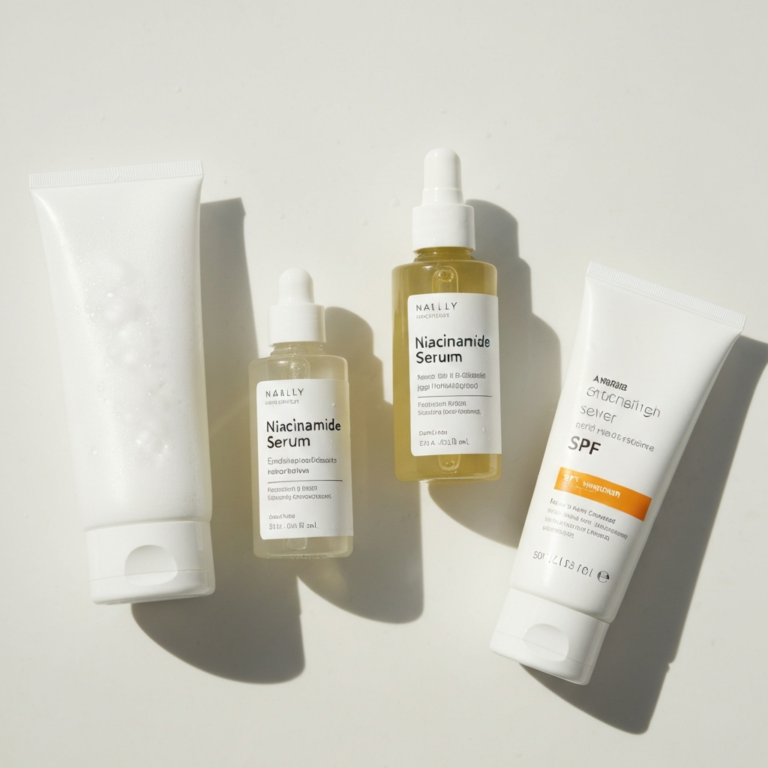
Yes, even oily skin needs moisture. Skipping moisturizer is one of the biggest mistakes I see teens make. When skin is dehydrated, it compensates by producing more oil. Use a lightweight, gel-based moisturizer with ingredients like hyaluronic acid or niacinamide.
Step 4: Sunscreen (Morning, Every Single Day)
SPF 30 or higher, broad-spectrum, non-comedogenic. This step protects healing skin from dark spots and prevents sun damage that makes scarring worse. No exceptions—even on cloudy days.
TBH, that four-step routine handles about 80% of mild-to-moderate teen acne cases. The key isn’t complexity; it’s consistency.
Advanced Breakout Prevention Tactics Most People Miss
Once you’ve nailed the basics, these clear skin tips separate the people who kinda-sorta manage their acne from those who actually prevent it.
- Change your pillowcase every 2–3 days. Your pillowcase collects oil, bacteria, dead skin, and hair product residue. Sleeping on a dirty pillowcase is like rubbing all of that back into your pores for 8 hours straight.
- Clean your phone screen daily. Your phone presses against your cheek and jawline—two prime breakout zones. A quick wipe with an alcohol pad takes five seconds.
- Hands off your face. The average person touches their face 16–23 times per hour according to a study published in the American Journal of Infection Control. Every touch transfers bacteria and oil.
- Watch your hair products. Gels, pomades, and leave-in conditioners that touch your forehead and temples cause “pomade acne.” If you’re breaking out along your hairline, your styling products are likely the culprit.
- Manage stress actively. Exercise, sleep, journaling—whatever works. Cortisol management is legitimate breakout prevention.
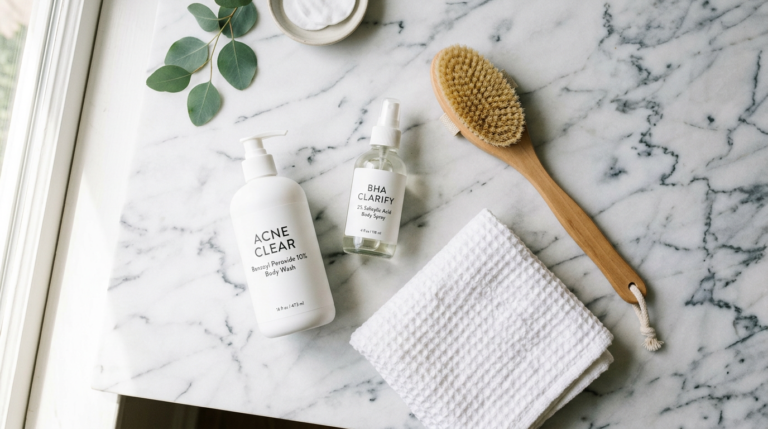
And here’s something most teen acne articles won’t mention: body acne follows the same rules. If you’re dealing with breakouts on your chest or back, the approach is nearly identical. I wrote a dedicated deep-dive on chest acne that covers the specific differences.
Expert Commentary: This video from a board-certified dermatologist breaks down the exact active ingredients that work for teenage acne and explains why most drugstore products fail—it’s one of the clearest explanations I’ve found and worth every minute of your time.
When to See a Dermatologist
Look, I’m a huge advocate for acne remedies you can manage at home—but I also know when it’s time to call in a professional. Here’s my honest checklist:
- Your acne is cystic (deep, painful nodules under the skin that don’t come to a head).
- Over-the-counter products haven’t shown improvement after 8–12 weeks of consistent use.
- You’re developing scars or significant dark spots.
- Breakouts are affecting your mental health, self-esteem, or daily life.
- You’re experiencing acne combined with other symptoms like irregular periods or excessive hair growth (which could signal a hormonal condition).
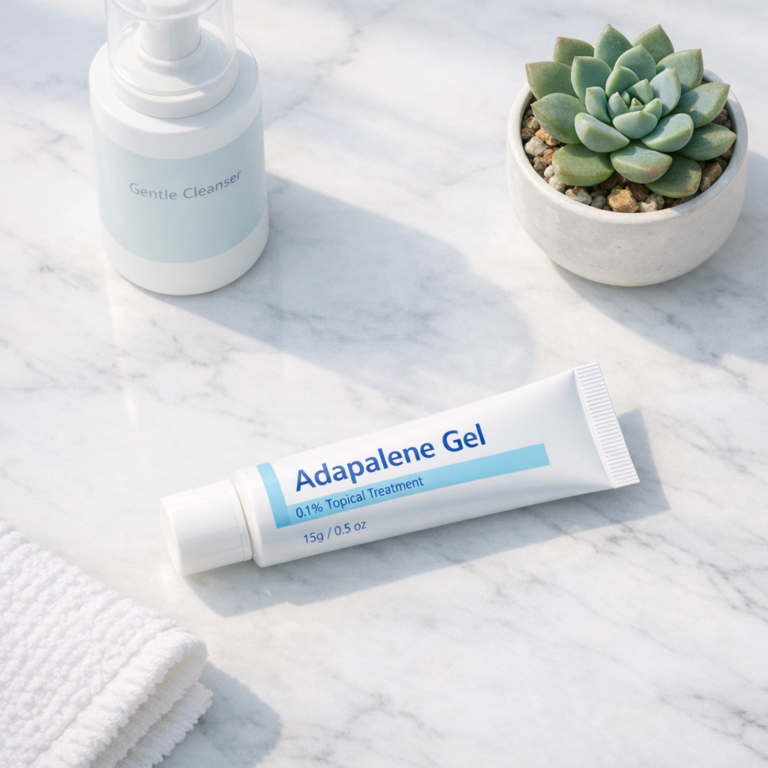
A dermatologist can prescribe topical retinoids (like tretinoin or adapalene in prescription strength), oral antibiotics for inflammatory acne, or hormonal treatments like certain birth control pills for teenage girls. For severe cases, isotretinoin (formerly Accutane) remains one of the most effective treatments ever developed—but it requires close medical supervision. If you’re brand new to understanding your options, my Start Here guide walks you through the decision-making process.

Frequently Asked Questions
At what age does teen acne usually start?
Teen acne typically begins between ages 11 and 14, coinciding with puberty. For some teens, breakouts can start as early as 9 or 10. Hormonal fluctuations trigger increased sebum production, which clogs pores and leads to teen pimples, blackheads, and whiteheads.
What is the best acne treatment for teens?
The best acne treatment for teens usually starts with a gentle cleanser containing benzoyl peroxide (2.5–5%) or salicylic acid (0.5–2%). Consistent use of a lightweight, non-comedogenic moisturizer and daily SPF is also essential. For moderate to severe acne, a dermatologist may prescribe topical retinoids or oral medications.
Does diet actually affect teen acne?
Emerging research suggests that high-glycemic foods and dairy may worsen acne in some teens. While diet alone doesn’t cause acne causes to activate, it can be a contributing factor. A balanced diet rich in fruits, vegetables, and omega-3 fatty acids supports healthier skin overall.
How long does it take for teen acne to clear up?
Most acne remedies and treatments take 6 to 12 weeks of consistent use before showing noticeable results. Patience is key :). Switching products every few days actually makes things worse because your skin never has time to adapt and respond to the active ingredients.
My Top Recommended Gear
These are the three products I recommend most often for teens starting their skincare journey. I’ve personally vetted each one, and they consistently deliver results without breaking the bank.
- CeraVe Foaming Facial Cleanser – Dermatologist-recommended, fragrance-free, and packed with ceramides that protect your skin barrier while cleaning. This is my go-to recommendation for the foundation of any teenage skincare routine.
- PanOxyl Acne Foaming Wash (4% Benzoyl Peroxide) – An excellent medicated cleanser for active breakouts. Strong enough to kill bacteria, gentle enough for daily use when you build up tolerance gradually.
- La Roche-Posay Effaclar Duo Acne Treatment – Combines benzoyl peroxide with micro-exfoliation technology. I’ve seen this product clear up stubborn comedonal acne in teens faster than almost anything else in its price range.
Disclaimer: This post contains affiliate links. As an Amazon Associate, I may earn a commission from qualifying purchases at no additional cost to you.