Salicylic Acid vs Benzoyl Peroxide: Which Works Best?
If you’ve been battling acne and googled salicylic acid vs benzoyl peroxide, you’ve probably encountered a mess of contradictory advice. One article says benzoyl peroxide is the gold standard; another swears by salicylic acid. Meanwhile, your face is still breaking out, and you’re wondering if anyone actually knows what they’re talking about.
Here’s the truth: both ingredients work, but they tackle acne through completely different mechanisms. After 10+ years of reviewing skincare products and helping thousands of readers find effective acne treatments, I’ve watched countless people waste money on the wrong ingredient for their specific situation. Let me save you that frustration.
Table of Contents
- The Quick Answer: Which Should You Choose?
- How Each Ingredient Actually Works
- Salicylic Acid: The Pore Unclogger
- Benzoyl Peroxide: The Bacteria Killer
- Head-to-Head Comparison
- Which One Matches Your Skin Type?
- The Combination Strategy That Actually Works
- Common Mistakes I See All The Time
- Frequently Asked Questions
- My Top Recommended Gear
Salicylic Acid vs Benzoyl Peroxide: Which One To Choose?
Salicylic acid works best for blackheads, whiteheads, and oily skin because it penetrates pores to dissolve oil and dead skin. Benzoyl peroxide excels at killing acne-causing bacteria, making it superior for red, inflamed pimples and cystic acne. Many people benefit from using both strategically.
But here’s where most articles fail you—they stop at that surface-level comparison. The reality? Your specific acne type and skin concerns determine everything. Let me break down what actually matters.
How Each Ingredient Actually Works
I need to get slightly nerdy here because understanding the mechanism helps you use these ingredients correctly. Don’t worry—I’ll keep it practical.
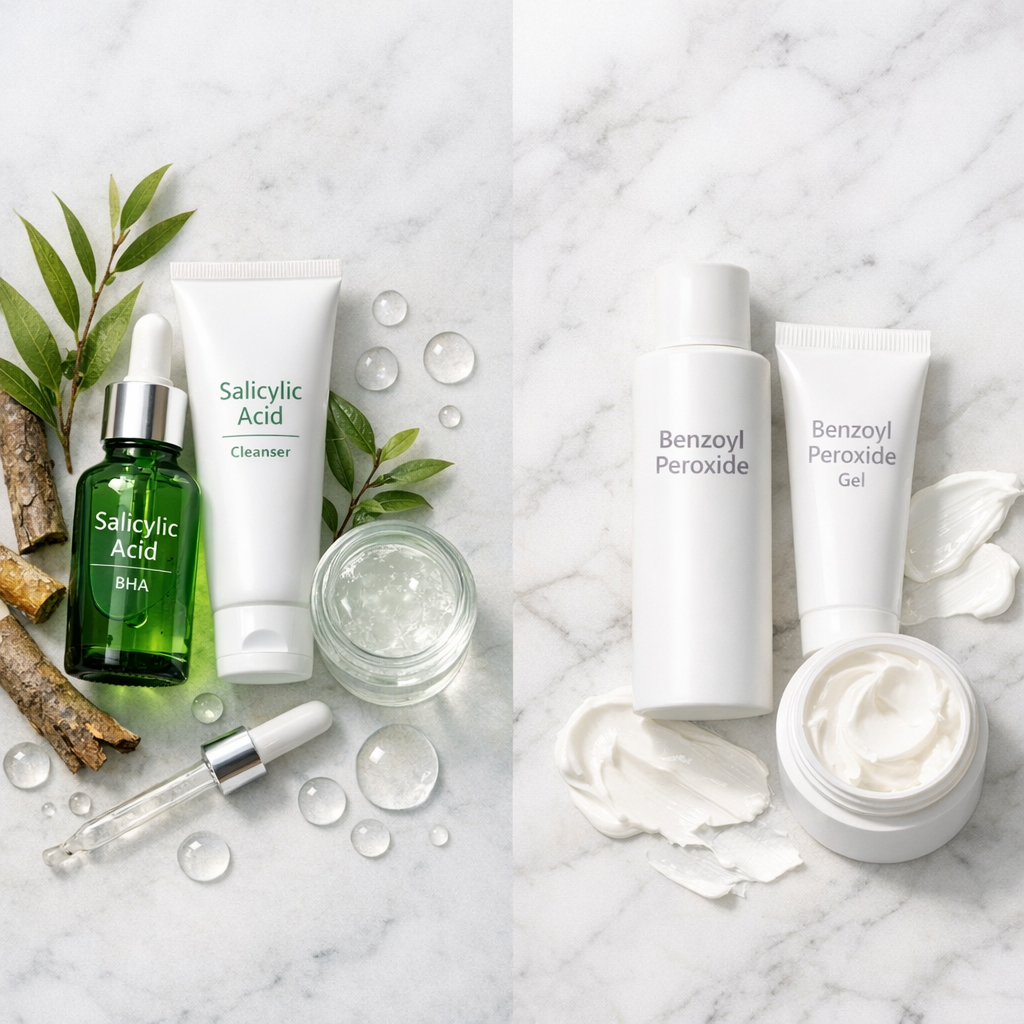
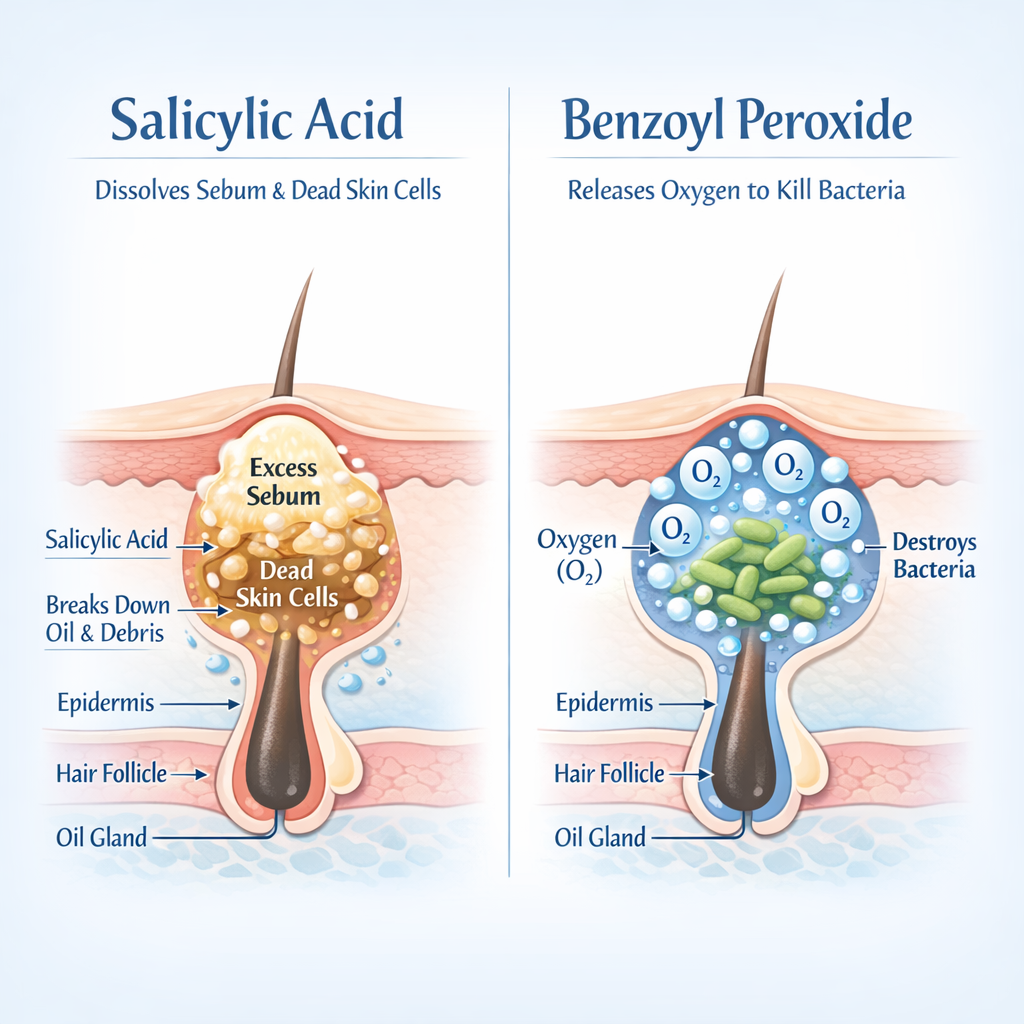
Salicylic acid is a beta-hydroxy acid (BHA) that’s oil-soluble. This is crucial. Because it dissolves in oil, it can actually penetrate into your sebum-filled pores and break apart the gunk causing clogs. The National Institutes of Health confirms its keratolytic properties—meaning it loosens the bonds between dead skin cells.
Benzoyl peroxide takes a completely different approach. It releases oxygen into the pore, which kills Cutibacterium acnes (formerly called P. acnes)—the bacteria responsible for inflamed breakouts. According to the American Academy of Dermatology, benzoyl peroxide remains one of the most effective OTC acne treatments available.
Salicylic Acid: The Pore Unclogger
I call salicylic acid the “preventative maintenance” ingredient. It’s not flashy, and it won’t give you dramatic overnight results. But consistent use? That’s where the magic happens.
Where Salicylic Acid Shines
- Blackheads and whiteheads: These non-inflammatory comedones respond brilliantly to salicylic acid’s pore-penetrating action
- Oily skin: It helps regulate sebum production without stripping your skin
- Texture issues: Rough, bumpy skin smooths out with regular BHA use
- Maintenance: Once you’ve cleared active acne, salicylic acid keeps pores clean
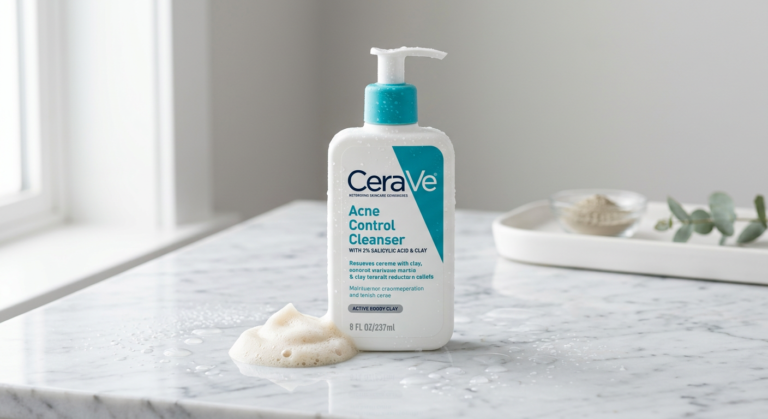
The concentration matters too. Most OTC products contain 0.5% to 2% salicylic acid. For face washes, I typically recommend starting with 2% since the contact time is short. For leave-on treatments, 0.5% to 1% works well for beginners. Products like the CeraVe Acne Control Cleanser balance effectiveness with tolerability.
The Limitations Nobody Talks About
Salicylic acid won’t do much for deep, cystic acne. Why? Those painful under-the-skin bumps involve significant bacterial infection and inflammation—and salicylic acid isn’t an antibacterial. If you’re dealing with angry, red, pus-filled breakouts, you’ll need something that actually kills bacteria.
Benzoyl Peroxide: The Bacteria Killer
Here’s something that blows people’s minds: bacteria can’t develop resistance to benzoyl peroxide. Unlike prescription antibiotics (which lose effectiveness over time), BP keeps working. The Journal of Drugs in Dermatology has published multiple studies confirming this, which is why dermatologists still love this ingredient after decades.
Where Benzoyl Peroxide Dominates
- Inflammatory acne: Red, swollen pimples need bacterial killing power
- Cystic acne: Deep, painful bumps respond well (though severe cases need a derm)
- Stubborn breakouts: When salicylic acid isn’t cutting it, BP often does
- Combination therapy: Works synergistically with retinoids like Differin
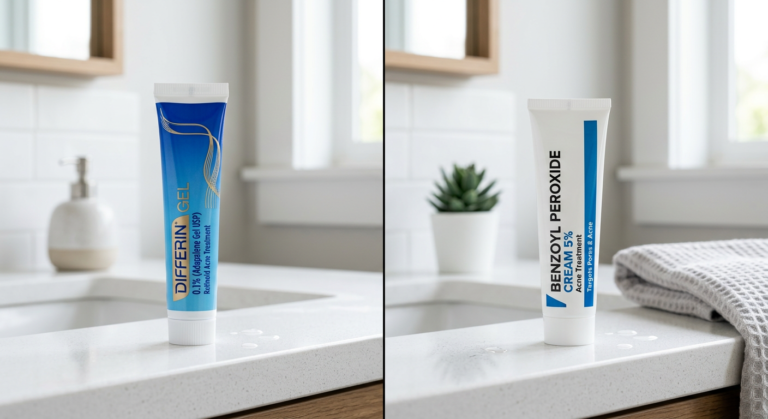
I’ve written extensively about Differin vs benzoyl peroxide if you’re curious about combining these heavy hitters.
The Downsides You WILL Experience
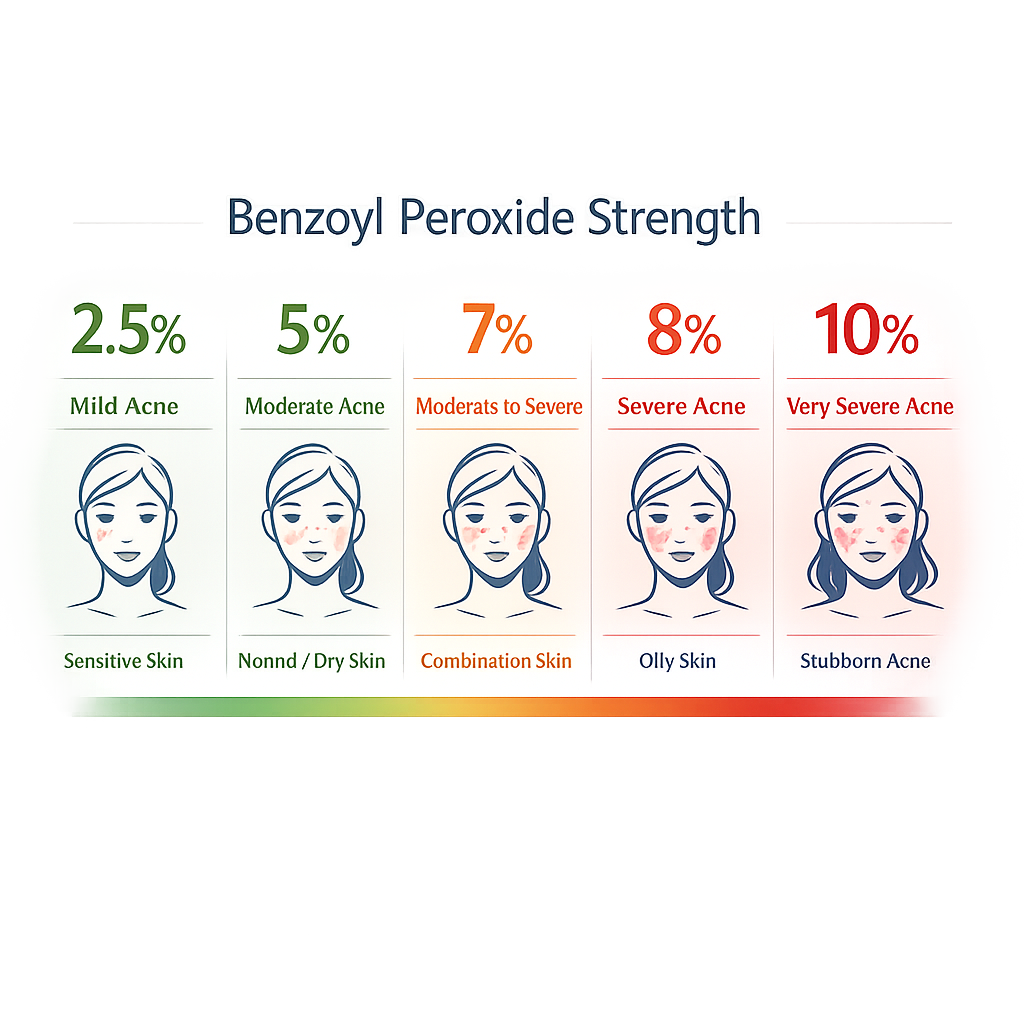
Let me be real with you—benzoyl peroxide is harsh. It bleaches fabrics (RIP to my favorite pillowcases), causes significant dryness, and the initial adjustment period can be rough. The myth that higher percentages work better? Total nonsense. Research shows 2.5% BP works as well as 10%, with way less irritation. I always recommend checking out products like PanOxyl which offers multiple concentrations.
Head-to-Head Comparison
Let me give you the honest breakdown I wish someone had given me years ago:
| Factor | Salicylic Acid | Benzoyl Peroxide |
|---|---|---|
| Best For | Blackheads, whiteheads, oily skin | Inflammatory acne, cystic acne |
| Irritation Level | Low to moderate | Moderate to high |
| Speed of Results | 4-6 weeks | 2-4 weeks |
| Bleaches Fabric | No | Yes (seriously, use white towels) |
| Safe During Pregnancy | Generally considered safe topically | Generally considered safe |
Which One Matches Your Skin Type?
After analyzing thousands of reader questions and tracking outcomes, here’s my honest recommendation based on different skin concerns:
Choose Salicylic Acid If You Have:
- Primarily blackheads and closed comedones
- Oily or combination skin
- Sensitivity to harsh ingredients
- Mild to moderate acne
- A goal of long-term maintenance
Choose Benzoyl Peroxide If You Have:
- Red, inflamed pimples with visible heads
- Cystic or nodular acne
- Acne that hasn’t responded to salicylic acid
- Normal to oily skin (dry skin folks, proceed with caution)
- An urgent timeline—like a wedding next month 🙂
Expert Commentary: This video from Dr. Dray provides excellent clinical context on choosing between these two ingredients—she addresses nuances that most generic skincare content misses.
The Combination Strategy That Actually Works
Here’s an insider tip that took me years to figure out: you don’t have to choose just one. IMO, the most effective approach for moderate acne combines both ingredients strategically.
My recommended protocol:
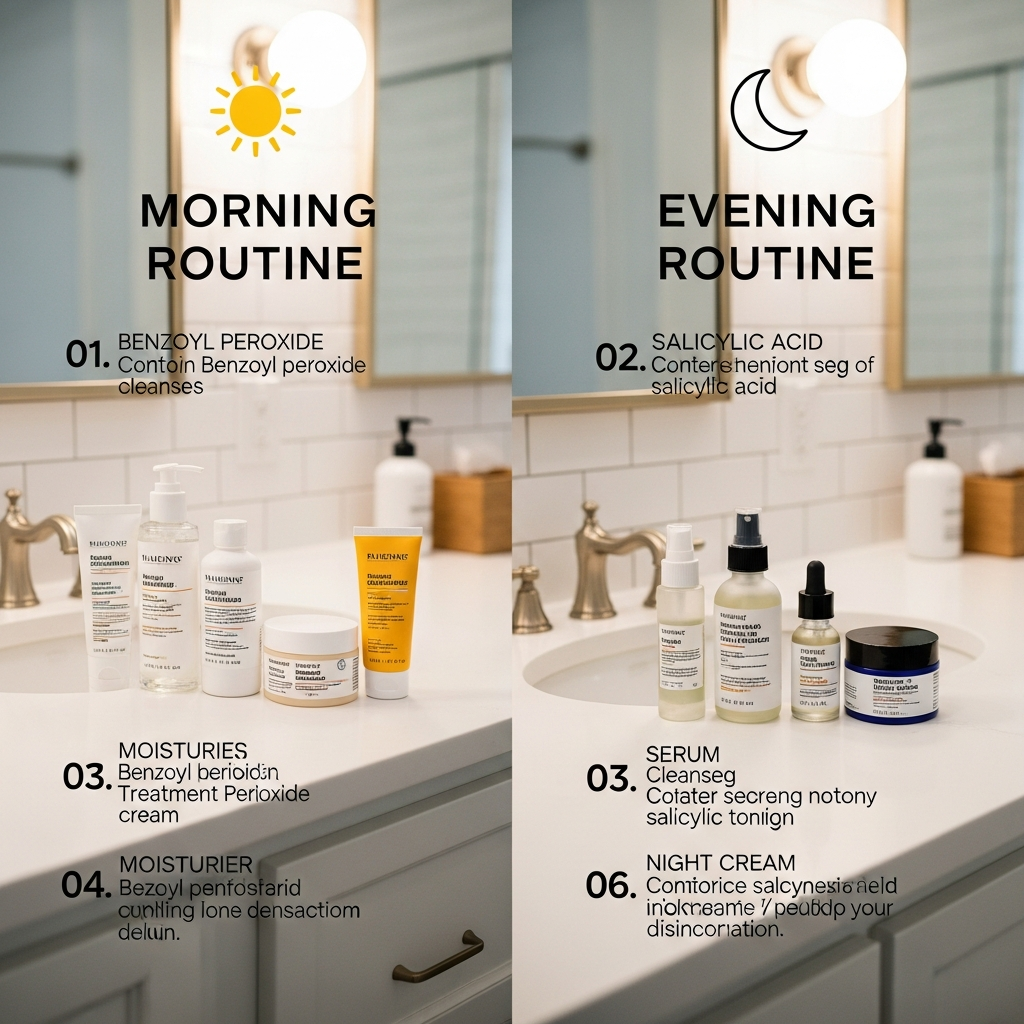
Morning: Benzoyl peroxide cleanser (2.5%), let it sit for 1-2 minutes, rinse, follow with non-comedogenic moisturizer and SPF.
Evening: Gentle cleanser, wait for skin to dry, apply salicylic acid leave-on treatment, moisturize.
This approach targets both bacterial overgrowth AND pore congestion without overwhelming your skin. For product comparisons, my PanOxyl vs CeraVe Acne Cleanser breakdown helps you choose the right BP cleanser.
Common Mistakes I See All The Time
After reading thousands of comments and emails, these errors come up constantly:
Mistake #1: Using both at the same time. Applying salicylic acid and benzoyl peroxide simultaneously creates a recipe for irritation city. Separate them—AM/PM or alternate days.
Mistake #2: Going too strong too fast. Your enthusiasm will backfire. Start with lower concentrations and work up. Destroyed moisture barriers take months to repair.
Mistake #3: Expecting overnight miracles. Skin cell turnover takes 4-6 weeks. If you’re switching products every two weeks, you’ll never know what actually works.
Mistake #4: Skipping moisturizer. “But I have oily skin!” I hear you. Doesn’t matter. Both these ingredients can compromise your skin barrier, and dehydrated skin produces MORE oil. Moisturize.
Mistake #5: Ignoring the basics. If you’re new to treating acne, make sure you’ve covered the fundamentals before adding active ingredients.
Frequently Asked Questions
Can I use salicylic acid and benzoyl peroxide together?
Yes, but with caution. I recommend using them at different times of day—benzoyl peroxide in the morning and salicylic acid at night. Using both simultaneously can cause excessive dryness and irritation, especially for sensitive skin types.
Which is better for blackheads: salicylic acid or benzoyl peroxide?
Salicylic acid wins hands-down for blackheads. Its oil-soluble nature allows it to penetrate pores and dissolve the sebum and dead skin cells causing blackheads. Benzoyl peroxide primarily targets bacteria, making it less effective for non-inflammatory comedones.
How long does it take for benzoyl peroxide to work?
Most people see initial improvements within 2-3 weeks, with significant results appearing around the 6-8 week mark. Inflammatory acne responds faster than deep cystic breakouts. Consistency is key—don’t give up too early.
Does salicylic acid purge your skin?
Yes, salicylic acid can cause an initial purge lasting 2-6 weeks. This happens because it accelerates cell turnover, bringing existing clogs to the surface faster. The purge is temporary and indicates the product is working.
What percentage of benzoyl peroxide should I use?
Research shows 2.5% benzoyl peroxide is equally effective as 10% with significantly less irritation. I always recommend starting at 2.5% and only increasing if your skin tolerates it well and you need stronger treatment.
My Top Recommended Gear
After testing dozens of products over the years, here are my go-to recommendations for each category. Check out my full product reviews for detailed breakdowns:
- Best Benzoyl Peroxide Cleanser: PanOxyl Acne Foaming Wash – Available in multiple strengths, pharmacy-grade quality
- Best Salicylic Acid Treatment: Paula’s Choice 2% BHA Liquid Exfoliant – The gold standard for leave-on salicylic acid
- Best Budget-Friendly Option: CeraVe Acne Control Cleanser – Combines BHA with ceramides for less irritation
The bottom line? There’s no universal “best” ingredient in the salicylic acid vs benzoyl peroxide debate. Your specific acne type, skin sensitivity, and treatment goals determine the right choice. Start with one, give it 6-8 weeks, and adjust based on results. Your skin will tell you what it needs—you just have to listen.
Disclaimer: This post contains affiliate links. As an Amazon Associate, I may earn a commission from qualifying purchases at no additional cost to you.