Salicylic Acid for Acne Must-Know Benefits
Finding the salicylic acid feels like defusing a bomb — one wrong ingredient, and your face explodes into a constellation of angry red bumps. I’ve been there. For years, I wrestled with oily skin, clogged pores, and the cruel irony of moisturizers that claimed to help but made everything worse. The turning point? Salicylic acid. But not in the way you’d expect. Most people think of it as just another acne treatment — a harsh, drying chemical you slap on a pimple and pray. The reality is far more interesting, and honestly, far more useful. Let me walk you through the benefits that genuinely caught me off guard after a decade of obsessing over this ingredient.
Table of Contents
- What Makes Salicylic Acid So Effective for Acne-Prone Skin?
- The Science Behind Salicylic Acid (And Why Most People Get It Wrong)
- Surprising Benefit #1: It Belongs in the Best Moisturizer for Acne-Prone Skin
- Surprising Benefit #2: It Fights Blackheads Without Harsh Scrubbing
- Surprising Benefit #3: It Calms Inflammation — Not Just Exfoliation
- How to Build a Skincare Routine Around Salicylic Acid
- Common Myths About Salicylic Acid — Busted
- FAQs About Salicylic Acid and Acne-Prone Skin
- My Top Recommended Gear
What Makes Salicylic Acid So Effective for Acne-Prone Skin?
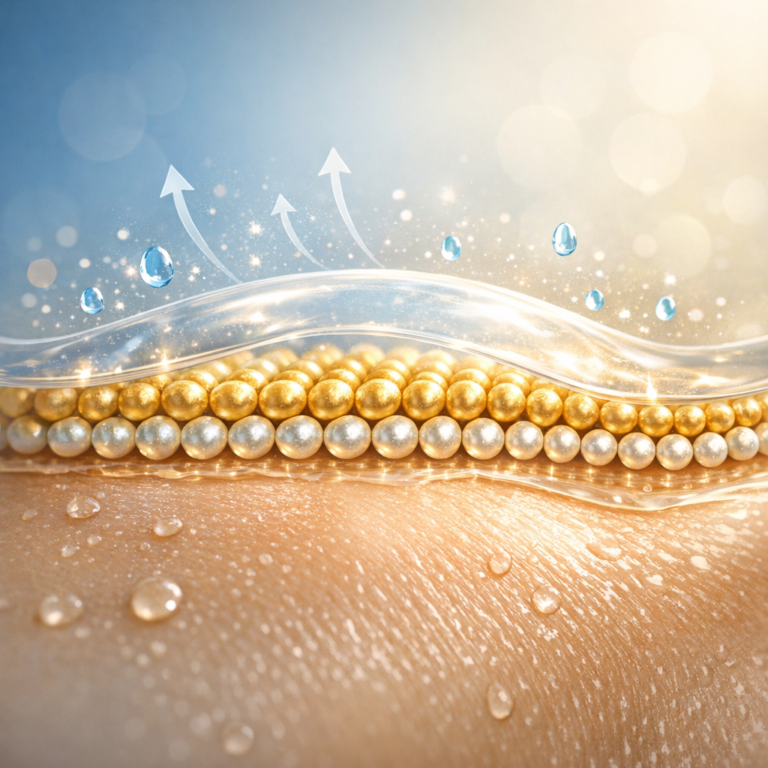
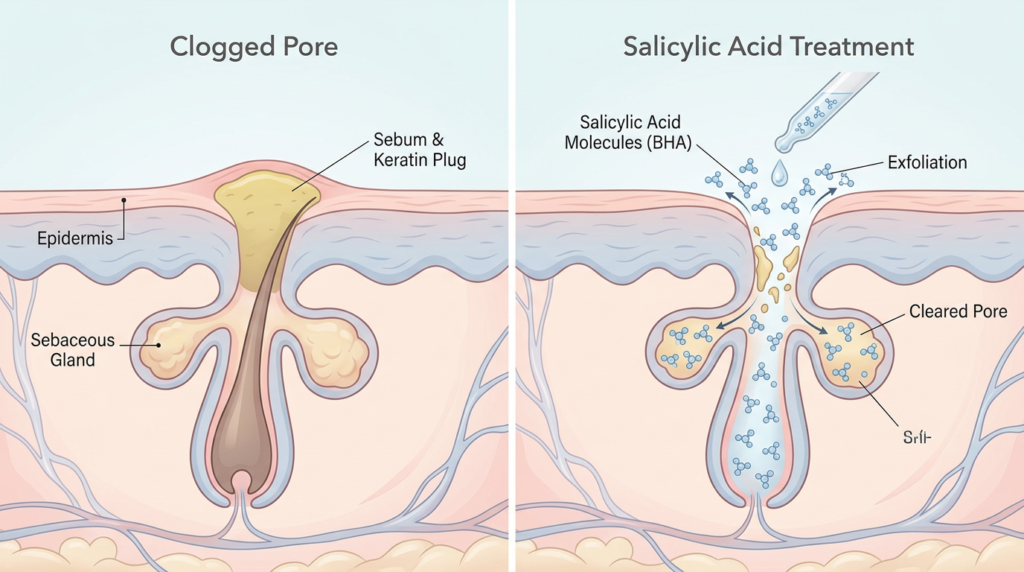
Salicylic acid is a beta-hydroxy acid (BHA) that works because it’s oil-soluble. Unlike water-soluble exfoliants, it penetrates deep into clogged pores to dissolve excess sebum and dead skin cells from the inside out, making it uniquely effective for acne-prone skin and preventing future breakouts rather than just treating existing ones.
Here’s the thing most skincare blogs won’t tell you: salicylic acid isn’t doing what you think it’s doing. You probably picture it as a surface-level exfoliant, scrubbing away dead skin like a chemical sandpaper. That’s only half the story. Its real superpower is its lipophilic (oil-loving) nature. It literally dissolves into the oil inside your pores and breaks apart the gunk from within. The National Institutes of Health published research confirming that this oil-solubility is what sets BHAs apart from AHAs like glycolic acid, which only work on the skin’s surface.
If you’re new to the world of targeted acne treatment, I’d recommend checking out our getting-started guide to build a solid foundation before layering in actives.
The Science Behind Salicylic Acid (And Why Most People Get It Wrong)
I can’t count how many times I’ve heard someone say, “Salicylic acid dried out my skin, so it doesn’t work for me.” That statement tells me they used it wrong — not that the ingredient failed them. Concentration matters enormously. The FDA recognizes salicylic acid as an effective over-the-counter acne treatment at concentrations between 0.5% and 2%. Go higher without professional guidance, and you’re asking for a compromised moisture barrier.
The mistake I see constantly? People use a high-percentage salicylic acid wash, then skip moisturizer because they have oily skin. This triggers rebound oil production — your skin panics, produces more sebum, and you end up with even more clogged pores than before. It’s a self-defeating cycle. The fix isn’t to ditch salicylic acid; it’s to pair it with proper hydration. TBH, this single adjustment transformed my skin more than any expensive serum ever did.
For a deeper comparison of different acne treatment approaches — from BHAs to benzoyl peroxide to retinoids — I break it all down on our acne treatments page.
Surprising Benefit #1: It Belongs in the Best Moisturizer for Acne-Prone Skin
Here’s the benefit that surprised me the most: salicylic acid in your moisturizer is often more effective than salicylic acid in your cleanser. Why? Contact time. A cleanser touches your face for maybe 30 seconds before you rinse it off. A moisturizer sits on your skin for hours, giving the BHA sustained time to do its thing inside your pores.
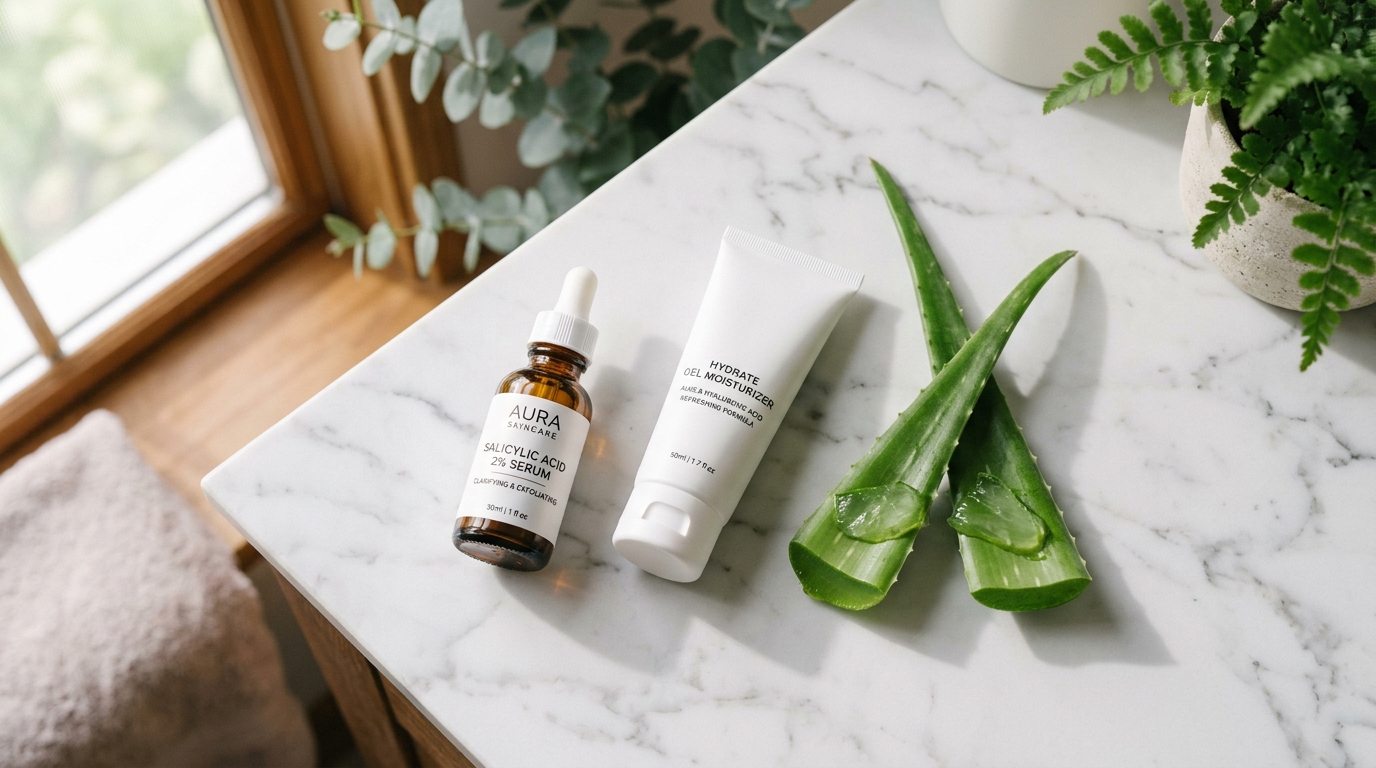
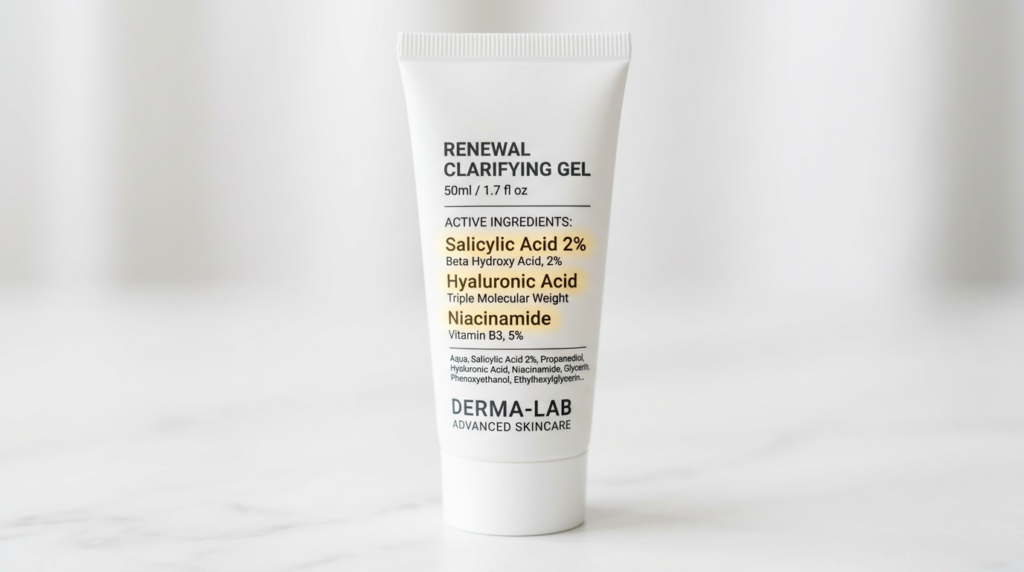
The best moisturizer for acne-prone skin isn’t one that avoids active ingredients — it’s one that strategically includes them. Look for formulas with 0.5%–2% salicylic acid combined with humectants like hyaluronic acid and barrier-repair ingredients like ceramides or niacinamide. This combination delivers exfoliation and hydration simultaneously, which is the holy grail for anyone battling oily skin and breakouts at the same time.
The American Academy of Dermatology specifically recommends that people with acne-prone skin use non-comedogenic moisturizers, and many dermatologists now advocate for BHA-infused formulas as a first-line approach. I’ve personally tested over two dozen moisturizers that fit this profile — you can see my favorites on our product reviews page.
Surprising Benefit #2: It Fights Blackheads Without Harsh Scrubbing
Raise your hand if you’ve ever attacked blackheads with a gritty walnut scrub or one of those pore strips that feels like duct tape on your nose. Yeah, me too. And I regret every single session. Physical exfoliation on acne-prone skin creates micro-tears, spreads bacteria, and can actually push debris deeper into pores.
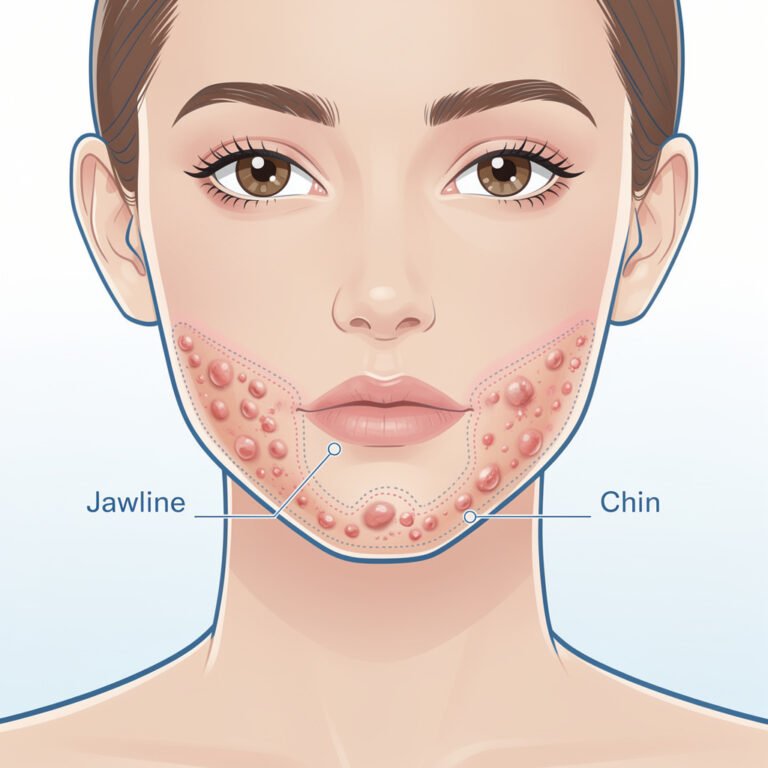
Salicylic acid takes the opposite approach. Because it dissolves into the sebum that forms blackheads, it loosens the “plug” from the inside without any abrasive friction. I started using a leave-on salicylic acid treatment on my nose and chin — the two areas where I get the worst blackheads — and within about five weeks, the difference was remarkable. No redness, no irritation, just visibly cleaner pores.
The key insight here: salicylic acid is keratolytic, meaning it breaks down keratin, the protein that binds dead skin cells together. A study published in the Journal of Clinical and Aesthetic Dermatology demonstrated that consistent BHA use reduced both inflammatory and non-inflammatory acne lesions significantly over a 12-week period. That’s not marketing hype — that’s peer-reviewed data.
Surprising Benefit #3: It Calms Inflammation — Not Just Exfoliation
This is the one that made me go “wait, seriously?” Salicylic acid is derived from salicin — the same compound that aspirin comes from. And just like aspirin reduces swelling and pain, salicylic acid has genuine anti-inflammatory properties when applied topically. It doesn’t just clear clogged pores; it actively reduces the redness and swelling around active breakouts.
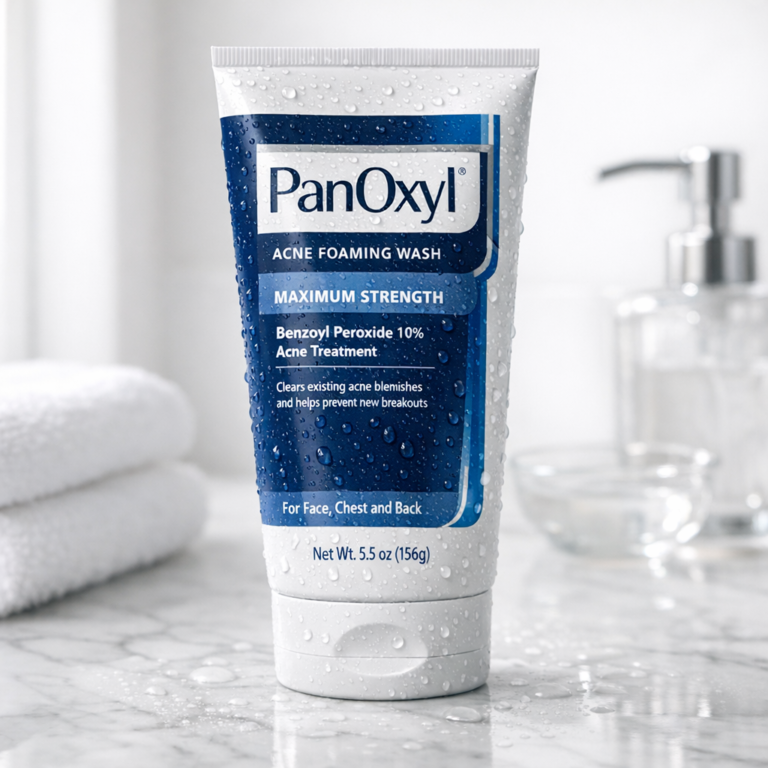
IMO, this dual action is what makes salicylic acid the single most underrated ingredient in skincare. Most people reach for benzoyl peroxide when they see a red, angry pimple, but benzoyl peroxide can be brutally drying. Salicylic acid addresses the clog and the inflammation with significantly less irritation. For anyone dealing with sensitive, acne-prone skin, this matters enormously.
Expert Commentary: This dermatologist-led breakdown covers the clinical mechanism of salicylic acid in under 10 minutes — it’s the most accurate and accessible explanation I’ve found on YouTube, and well worth your time if you’re a visual learner.
How to Build a Skincare Routine Around Salicylic Acid
So you’re sold on salicylic acid — now what? Here’s the skincare routine framework I recommend after years of testing and refinement:
Morning Routine
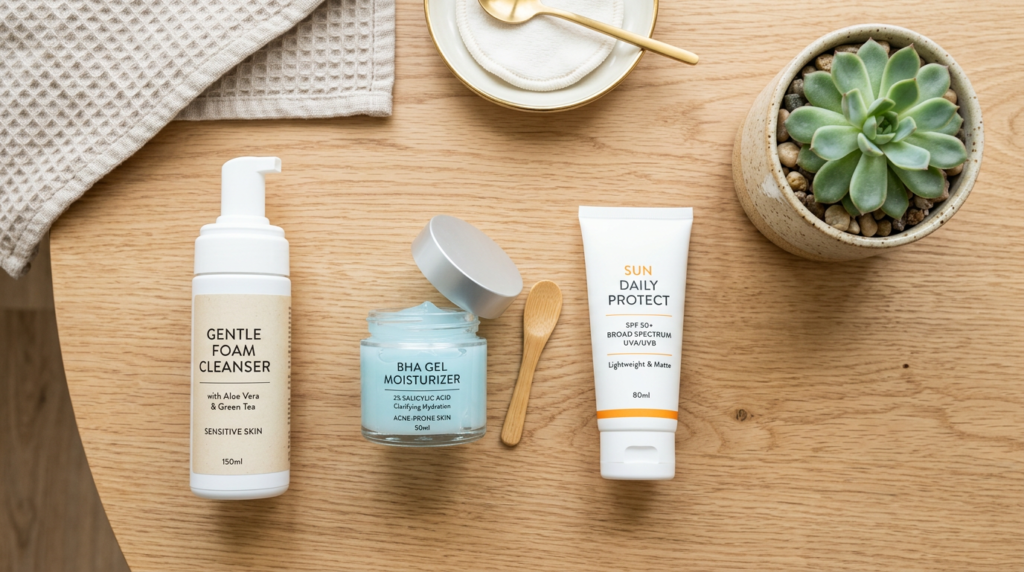
- Gentle cleanser (no salicylic acid here — save it for where it counts)
- Salicylic acid moisturizer (your best moisturizer for acne-prone skin — 0.5%–2% BHA with hydrating co-ingredients)
- Broad-spectrum SPF 30+ (non-negotiable — BHAs increase sun sensitivity)
Evening Routine
- Oil-based cleanser or micellar water (to remove sunscreen and makeup)
- Salicylic acid treatment (leave-on serum or toner, 2% max)
- Hydrating serum (hyaluronic acid or snail mucin)
- Non-comedogenic night cream (ceramide-based for barrier repair)
One advanced tactic I rarely see mentioned: cycle your salicylic acid. I use it five days on, two days off. This gives my skin enough consistent exfoliation to keep pores clear without the cumulative irritation that leads to flaking and sensitivity. If you’re dealing with specific concerns beyond acne — like hyperpigmentation or texture — visit our skin concerns section for tailored routines.
Common Myths About Salicylic Acid — Busted
Myth #1: “Salicylic acid makes your skin peel, so it’s too harsh.”
Peeling means you’re using too much, too often, or at too high a concentration. At appropriate levels, salicylic acid should produce zero visible peeling. If your skin is flaking, scale back — don’t abandon the ingredient.
Myth #2: “You can’t use salicylic acid if you have dry skin.”
Wrong. You absolutely can. The trick is pairing it with robust hydration. A low-concentration salicylic acid moisturizer layered over a hyaluronic acid serum works beautifully even on combination or dry skin types. The best moisturizer for acne-prone skin handles this balancing act for you.
Myth #3: “Higher percentage = better results.”
Nope. Studies consistently show that 2% salicylic acid is the sweet spot for most people. Going higher doesn’t speed up results — it just speeds up irritation. Smart skincare is about consistency, not aggression 🙂
FAQs About Salicylic Acid and Acne-Prone Skin
Can I use salicylic acid every day on acne-prone skin?
Most people with acne-prone skin can tolerate a low-concentration salicylic acid product (0.5%–2%) daily. However, I recommend starting every other day and increasing frequency based on how your skin responds. Over-exfoliation can damage your moisture barrier and worsen breakouts.
What is the best moisturizer for acne-prone skin that contains salicylic acid?
The best moisturizer for acne-prone skin with salicylic acid is one that’s labeled non-comedogenic, oil-free, and contains 0.5%–2% salicylic acid alongside hydrating ingredients like hyaluronic acid or niacinamide. CeraVe SA Moisturizing Cream, La Roche-Posay Effaclar Mat, and Neutrogena Oil-Free Moisture are all excellent options I’ve personally tested.
Does salicylic acid help with blackheads?
Yes — and it’s arguably the best single ingredient for blackheads. Salicylic acid is oil-soluble, so it penetrates into clogged pores and dissolves the sebum and dead skin cells that form blackheads from the inside. Consistent use over 4–6 weeks typically produces visible improvement.
Can I mix salicylic acid with retinol in my skincare routine?
You can, but proceed with caution. Both are potent actives. The safest approach is to use salicylic acid in your morning skincare routine and retinol at night, or alternate nights. Layering them simultaneously increases the risk of irritation, peeling, and a compromised skin barrier.
My Top Recommended Gear
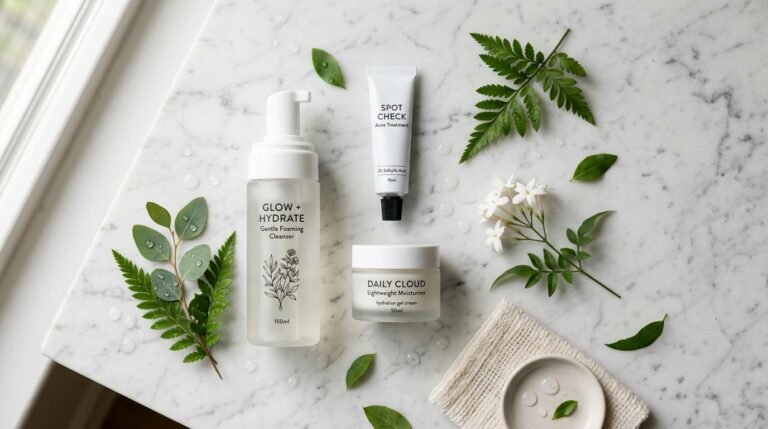
After testing more products than I care to admit, these three have earned permanent spots in my rotation. Each one excels at hydrating acne-prone skin while delivering effective exfoliation and pore-clearing benefits:
- CeraVe SA Moisturizing Cream — My go-to daily driver. Ceramides plus salicylic acid in a lightweight, non-greasy formula. Works brilliantly on oily skin without feeling heavy.
- La Roche-Posay Effaclar Mat Moisturizer — If you struggle with midday shine, this mattifying moisturizer controls sebum production all day. Dermatologist-tested and non-comedogenic.
- Paula’s Choice 2% BHA Liquid Exfoliant — The gold standard leave-on salicylic acid treatment. I use this in my evening skincare routine, and it’s the single product that made the biggest difference in clearing my blackheads and keeping clogged pores at bay.
Disclaimer: This post contains affiliate links. As an Amazon Associate, I may earn a commission from qualifying purchases at no additional cost to you.