Redness and Irritation From Acne: Effective Ways to Soothe Skin
Redness and irritation have a special talent for showing up at the absolute worst moments — right before a big meeting, the morning of a date, or basically any time you glance in a mirror and think, “Why does my face look angry?” If your skin stings when you apply moisturizer or flushes red at the slightest provocation, you already know the frustration. I’ve spent over a decade helping people navigate this exact problem, and here’s the hard truth: most of the advice floating around online makes things worse, not better. Today, I’m sharing the protocol I actually use and recommend — no fluff, no miracle cures, just strategies backed by dermatological science and years of trial-and-error.
Table of Contents
- What Causes Redness and Irritation in the First Place?
- The Skin Barrier Connection Most People Ignore
- Myths About Treating Irritated Skin That Need to Die
- My Step-by-Step Protocol for Calming Skin
- Ingredients That Actually Work (And Ones That Don’t)
- When to See a Dermatologist
- Frequently Asked Questions
- My Top Recommended Gear
What Causes Redness and Irritation in the First Place?
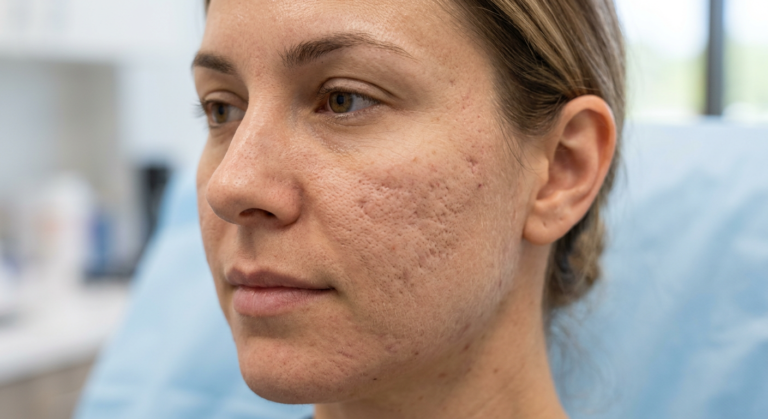
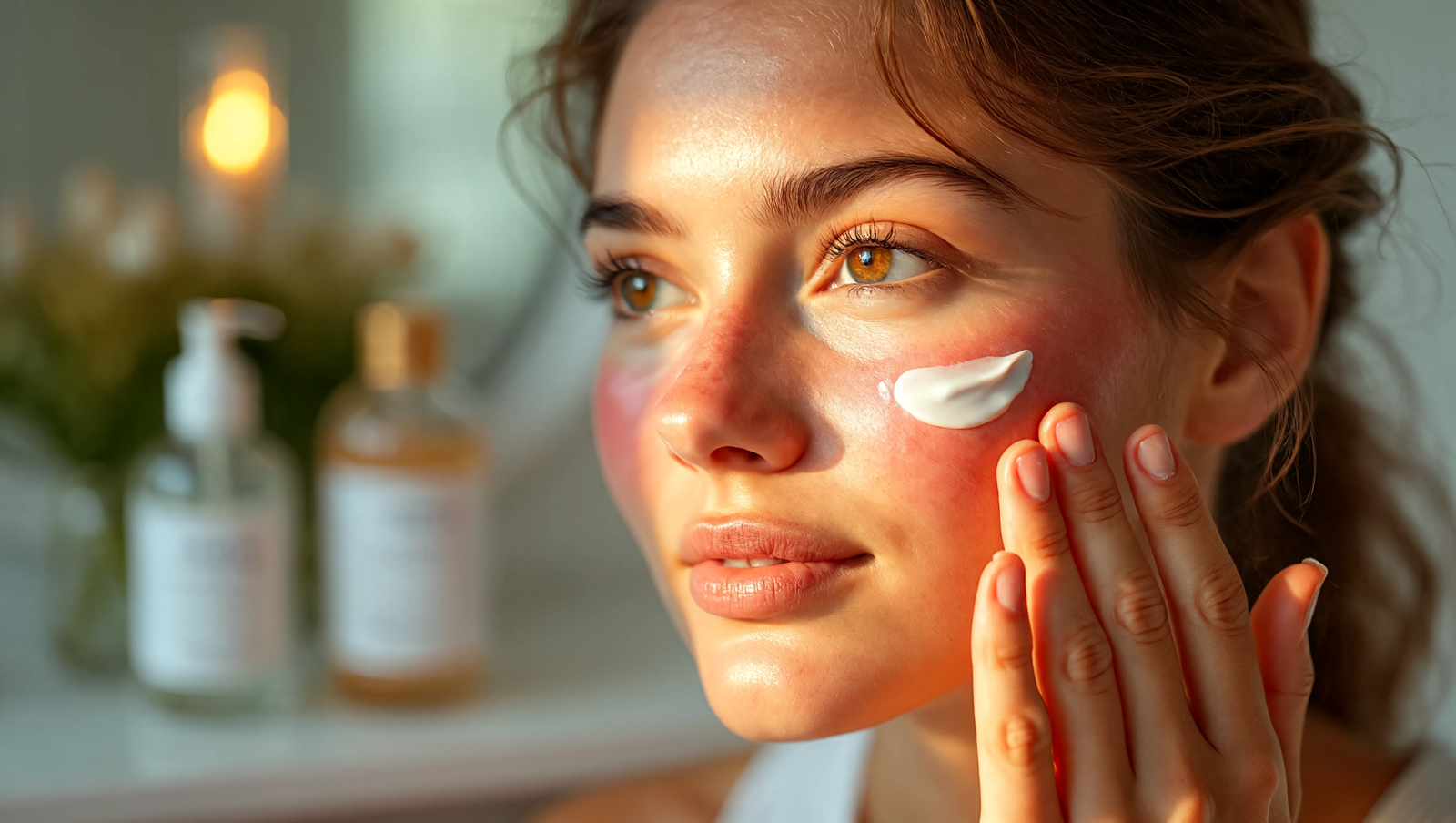
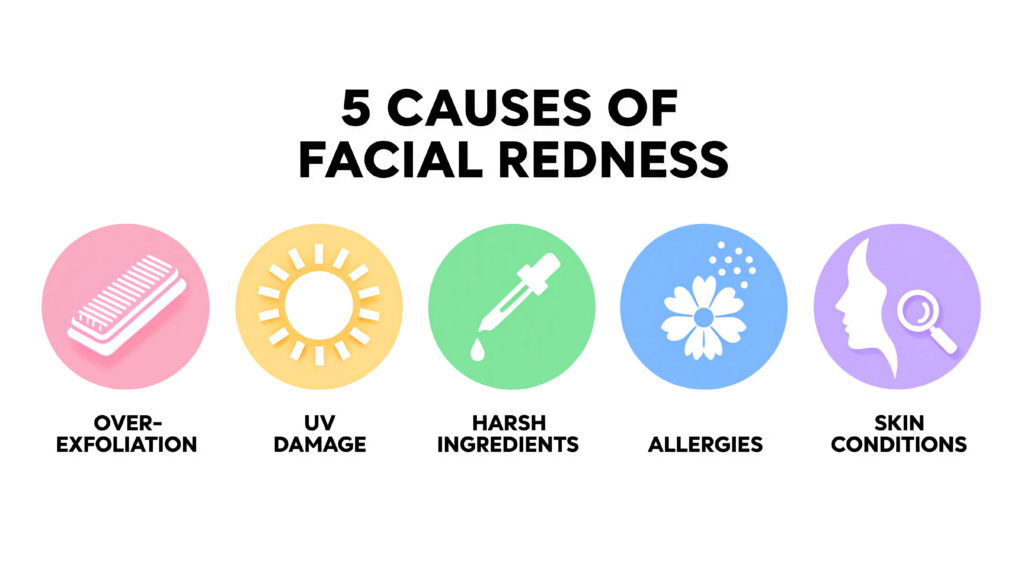
Skin redness and irritation occur when the skin’s protective barrier becomes compromised, triggering an inflammatory response. Common causes include over-exfoliation, harsh product ingredients, environmental aggressors like UV exposure and wind, allergic reactions, and underlying conditions such as rosacea or eczema.
Here’s something I wish someone had told me years ago: skin redness is a symptom, not a diagnosis. Your face turning red is your body screaming, “Something is wrong here — fix it.” The trick is figuring out what triggered that alarm.
The most common culprits I see — and I mean consistently, across hundreds of cases — fall into a few buckets:
- Product overload: You’re using too many actives (retinol + vitamin C + AHA + BHA = a recipe for disaster).
- Environmental stress: UV radiation, extreme cold, wind, and pollution all degrade the skin barrier over time. The EPA has documented how UV exposure triggers inflammatory skin responses.
- Contact irritants: Fragrance, certain preservatives, and harsh surfactants are silent saboteurs.
- Underlying conditions: Rosacea, eczema, seborrheic dermatitis, or contact dermatitis need professional diagnosis.
If you’re new to understanding how different skin concerns overlap and compound each other, I’d strongly recommend starting there. Redness rarely exists in isolation — it’s usually tangled up with other issues.
The Skin Barrier Connection Most People Ignore
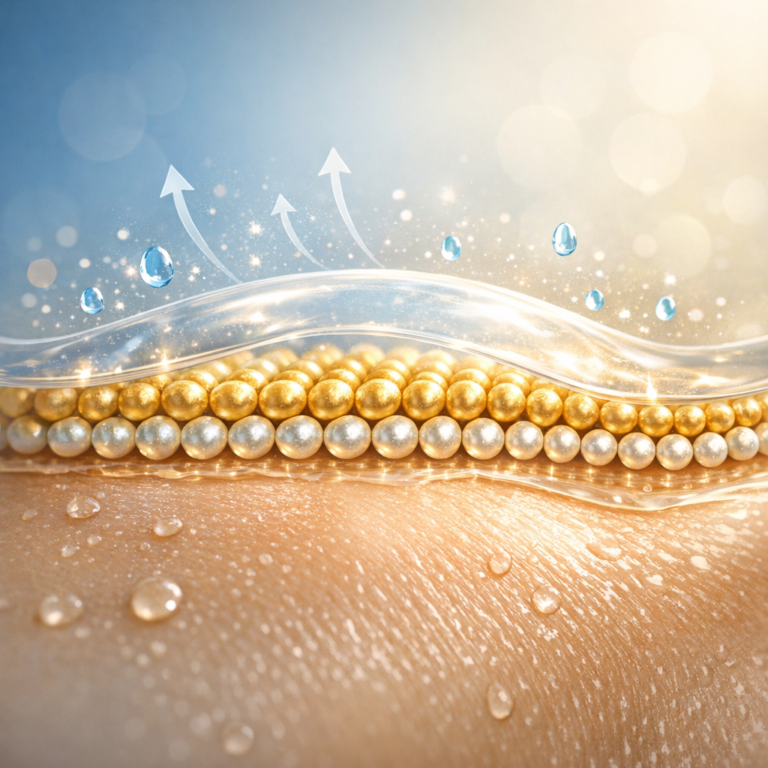
I can’t stress this enough: if you have chronic irritated skin, your skin barrier is almost certainly compromised. Think of the skin barrier as a brick wall — the “bricks” are your skin cells (corneocytes) and the “mortar” is a mix of ceramides, cholesterol, and fatty acids. When that mortar cracks, irritants flood in and moisture floods out. The result? Redness, stinging, flaking, and that lovely tight feeling that makes you want to bathe in Vaseline.
Research published by the National Institutes of Health confirms that a disrupted stratum corneum directly increases transepidermal water loss (TEWL) and inflammatory cytokine activity. Translation: broken barrier = angry skin. Every. Single. Time.
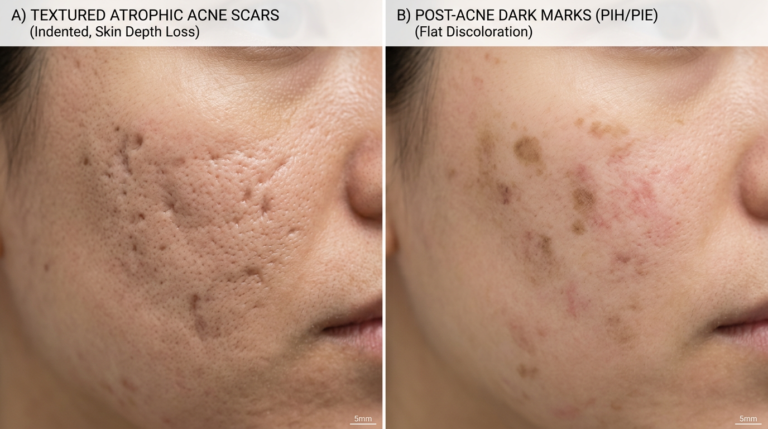
The good news? The barrier can be repaired. The bad news? It takes patience — usually 4 to 6 weeks of disciplined, boring, minimal skincare. I know that’s not what the 12-step-routine crowd wants to hear, but it’s the truth. If you’re also dealing with post-inflammatory marks from breakouts, check out my guide on dark marks after acne — because treating those too aggressively while your barrier is wrecked will make everything worse.
Myths About Treating Irritated Skin That Need to Die
After 10+ years in this space, I’ve heard some truly wild advice. Let me bust the biggest myths about calming sensitive skin:
Myth #1: “Natural” means safe for sensitive skin.
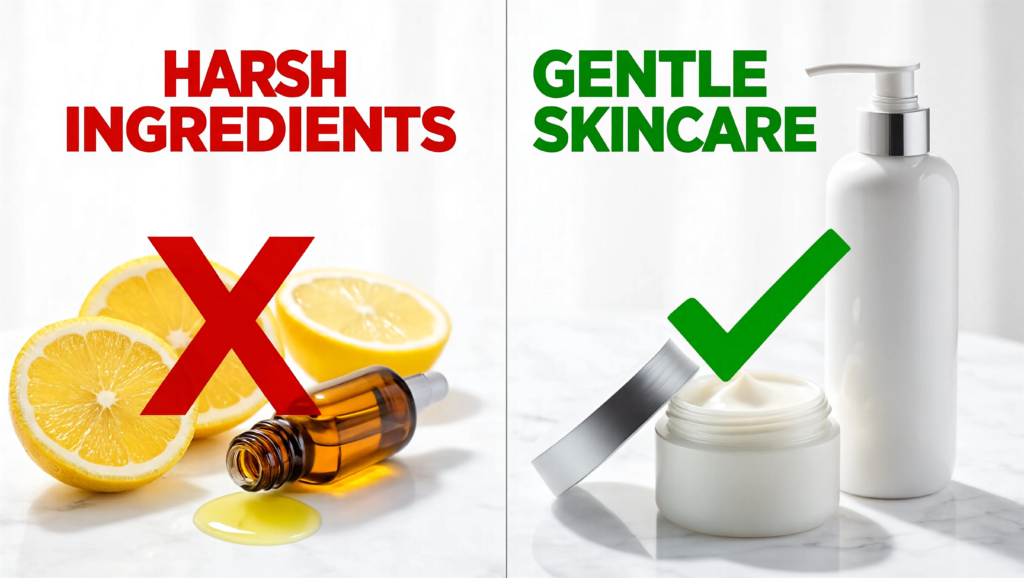
Nope. Lemon juice, tea tree oil, and cinnamon are all “natural” and will absolutely torch irritated skin. Essential oils are among the most common contact allergens identified by the American Academy of Dermatology. Nature doesn’t care about your skin barrier. IMO, this is the single most damaging myth in skincare.
Myth #2: You need to “detox” your skin through the irritation.
There is no such thing as a skin detox purge from moisturizers or calming products. If a product makes your face burn, it’s not “working” — it’s causing damage. Full stop.
Myth #3: Cold water closes pores and reduces redness.
Pores don’t have muscles. They don’t open and close. Cool water can temporarily reduce blood flow to the surface, giving a brief calming effect, but it’s not a treatment strategy.
If you’re unsure what type of breakout or irritation you’re actually dealing with, I put together a resource on acne types that helps you distinguish between true acne and irritation-triggered bumps — because the treatments are wildly different.
My Step-by-Step Protocol for Calming Skin
Here’s the exact gentle skincare protocol I walk people through when their skin is on fire. It’s boring. It works. Those two things are related. 🙂
Step 1: Strip It Down (Days 1–3)
Stop everything. No actives. No acids. No retinol. No vitamin C serum. You keep three products: a gentle, non-foaming cleanser, a ceramide-based moisturizer, and a mineral sunscreen (SPF 30+). That’s it. I don’t care how expensive that glycolic toner was.
Step 2: Repair the Barrier (Weeks 1–4)
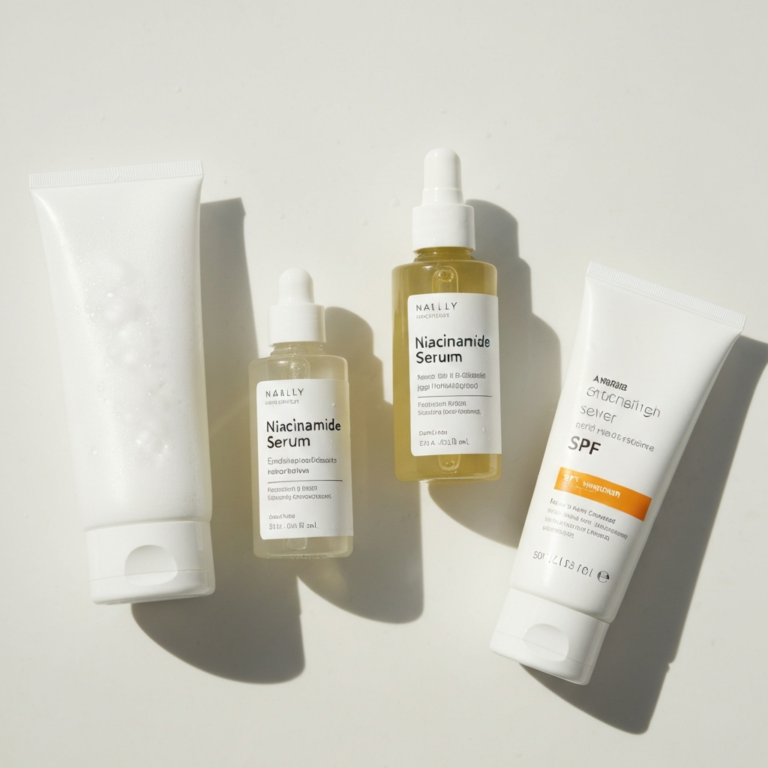
Use your minimalist routine religiously. Look for moisturizers containing ceramides, cholesterol, niacinamide (at 4–5%, not 10%), and squalane. Apply to slightly damp skin to trap moisture. At night, you can layer a thin occlusive like petroleum jelly over problem areas — the “slugging” technique works, but only if your underlying products are non-comedogenic.
Step 3: Reintroduce Slowly (Weeks 5+)
Add back ONE product at a time. Wait a full week before adding another. This is how you identify triggers. If skin redness returns after adding a product, you’ve found your culprit.
For a complete roadmap on building a skin-safe routine from scratch, my Start Here guide walks you through it step by step.
Expert Commentary: This dermatologist-led video breaks down the science of skin barrier repair in plain language and mirrors the exact protocol I use with clients — worth every minute of your time if you’re dealing with chronic redness.
Ingredients That Actually Work (And Ones That Don’t)
Let me save you months of trial and error. These are the heavy hitters for calming skin redness, backed by clinical data:
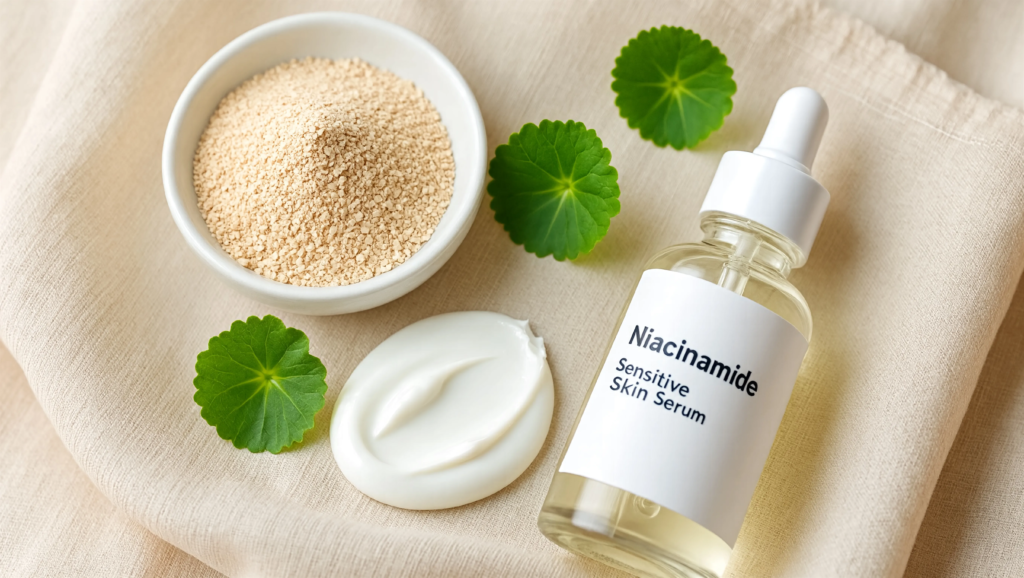
- Centella Asiatica (Cica): Anti-inflammatory, promotes collagen synthesis, and strengthens the barrier. This is my #1 recommendation for irritated skin.
- Colloidal Oatmeal: The FDA recognizes it as a skin protectant. It physically coats and soothes inflamed skin. Underrated and unglamorous — my kind of ingredient.
- Niacinamide (B3): At 4–5% concentration, it reduces redness, strengthens the barrier, and improves moisture retention. Higher concentrations can paradoxically cause irritation in some people. More isn’t always more, folks.
- Ceramides: These are literally the building blocks of your skin barrier. Non-negotiable in any barrier repair routine.
- Aloe Vera: Decent for temporary soothing but won’t repair structural damage. It’s a band-aid, not a solution.
Ingredients to Avoid When Your Skin Is Angry
- Fragrance (parfum) — both synthetic and natural
- Denatured alcohol (alcohol denat.)
- Sodium lauryl sulfate (SLS)
- High-concentration AHAs/BHAs
- Witch hazel (contains tannins that can worsen dryness)
When to See a Dermatologist
Look — I’m a huge advocate for educated self-care. But some things need a professional. Book that appointment if:
- Redness persists for more than 2–3 weeks despite gentle care
- You notice visible blood vessels, pustules, or textural changes
- Your skin burns or stings with every product, even water
- You suspect rosacea, eczema, or perioral dermatitis
- Over-the-counter skincare tips just aren’t moving the needle
A board-certified dermatologist can prescribe targeted treatments — azelaic acid, low-dose doxycycline, or topical immunomodulators — that you simply can’t get over the counter. Don’t let pride or internet research replace actual medical expertise. Trust me on this one 🙃
Frequently Asked Questions
What is the fastest way to calm redness and irritation on the face?
Strip your routine down to a gentle cleanser, a ceramide-rich moisturizer, and broad-spectrum SPF. Applying a product with centella asiatica or colloidal oatmeal can provide immediate relief within 20–30 minutes. Avoid actives entirely until the irritation subsides.
Can over-exfoliating cause skin redness?
Absolutely — and it’s one of the most common causes of irritated skin I encounter. Using acids or physical scrubs too frequently strips the skin barrier, leading to chronic redness, stinging, and increased sensitivity. Most people only need chemical exfoliation 1–2 times per week, max.
Is redness always a sign of a skin condition like rosacea?
No. While persistent redness can indicate rosacea, eczema, or contact dermatitis, temporary skin redness often results from environmental factors, product irritation, or a compromised skin barrier. If redness persists for more than two weeks despite gentle skincare, consult a board-certified dermatologist.
What ingredients should I avoid if I have sensitive skin prone to redness?
Avoid synthetic fragrances, denatured alcohol, harsh sulfates like SLS, high-concentration retinoids without proper introduction, and essential oils like peppermint or eucalyptus. These are well-documented triggers for sensitive skin and can worsen irritation significantly.
My Top Recommended Gear
These are products I’ve personally vetted and recommend to anyone dealing with redness and irritation. They’re the workhorses of barrier repair:
- CeraVe Moisturizing Cream — The gold standard ceramide moisturizer. Affordable, fragrance-free, and dermatologist-tested. I’ve gone through more tubs of this than I care to admit.
- La Roche-Posay Cicaplast Baume B5 — Packed with panthenol, madecassoside (from centella), and shea butter. This is my go-to “skin is screaming” emergency treatment. Absolute game-changer.
- Aveeno Calm + Restore Oat Gel Moisturizer — Colloidal oatmeal in a lightweight gel formula that won’t clog pores. Perfect for oily-yet-sensitive skin types. Genuinely one of the most underrated products on the market.
Disclaimer: This post contains affiliate links. As an Amazon Associate, I may earn a commission from qualifying purchases at no additional cost to you.