Post-Acne Hyperpigmentation: How to Fade Dark Marks Fast
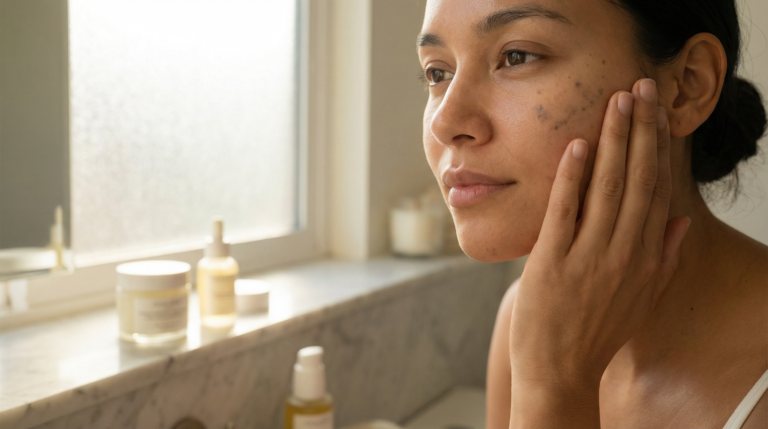
Post-acne hyperpigmentation is that frustrating souvenir your skin leaves behind after a breakout finally clears up. You did everything right—you treated the pimple, you didn’t pick (okay, maybe you picked a little)—and now you’re staring at a constellation of dark marks that make your skin look worse than when you actually had acne. Infuriating, right? I’ve spent over a decade studying, testing, and obsessing over skincare for dark spots, and I’m here to tell you: those marks are absolutely fadeable. You just need the right playbook, not the garbage advice recycled across half the internet.
Table of Contents
- What Is Post-Acne Hyperpigmentation, Exactly?
- Why Acne Dark Spots Form in the First Place
- Myth-Busting: What Won’t Fade Your Post-Acne Marks
- The Proven Hyperpigmentation Treatment Playbook
- Advanced Tactics for Stubborn Acne Dark Spots
- Building a Daily Routine for an Even Skin Tone
- FAQ: Post-Acne Hyperpigmentation
- My Top Recommended Gear
What Is Post-Acne Hyperpigmentation, Exactly?
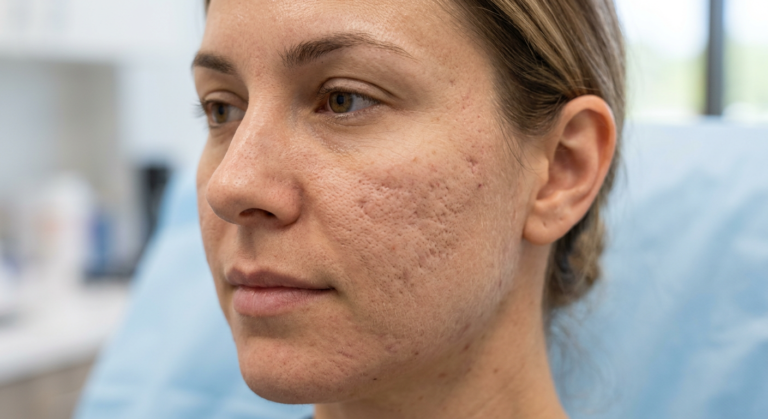
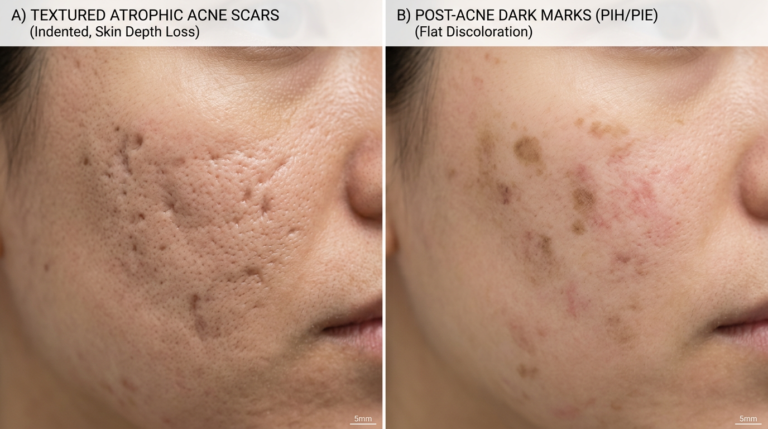
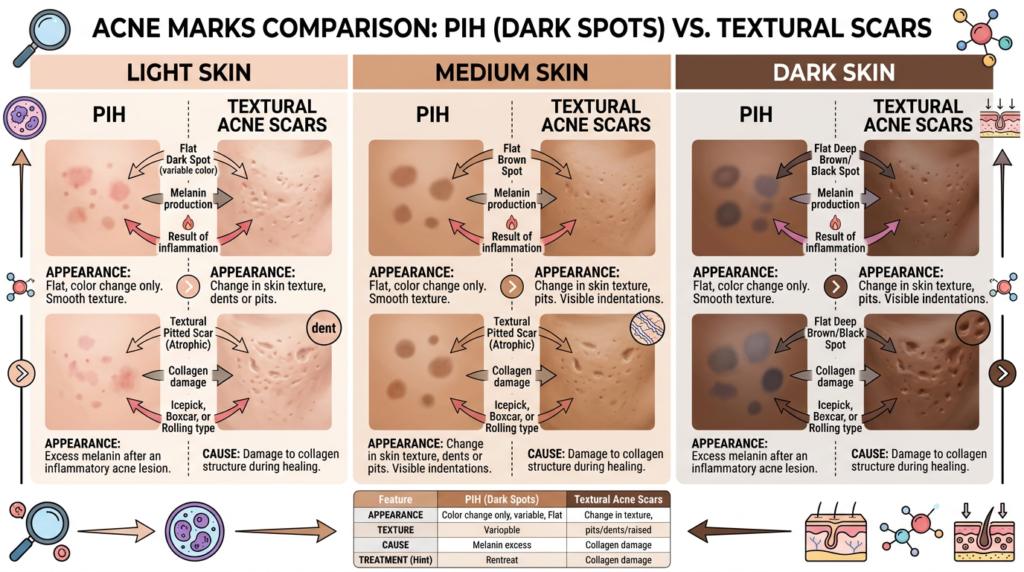
Post-acne hyperpigmentation (also called post-inflammatory hyperpigmentation or PIH) is flat, discolored skin left behind after an acne lesion heals, caused by an overproduction of melanin during the inflammatory healing process. It is not a scar—it involves no textural damage to the skin and responds well to topical treatments and sun protection.
Here’s the critical distinction most people miss: acne scars and dark marks are completely different problems. Scars involve structural collagen damage—think ice-pick pits, boxcar depressions, or raised keloids. Post-acne marks? They’re purely pigmentation issues. Flat spots. Color changes. And that distinction matters enormously because the treatments diverge wildly.
PIH shows up differently depending on your skin tone. On lighter skin, these marks tend to appear red or pink (technically called post-inflammatory erythema, or PIE). On medium to deeper skin tones, they present as brown, dark brown, or even grayish-purple spots. The American Academy of Dermatology confirms that PIH affects all skin types but is disproportionately common and persistent in people with darker complexions.
Why Acne Dark Spots Form in the First Place
Every time your skin experiences inflammation—from a cystic monster to a humble whitehead—your body sends melanocytes (pigment-producing cells) into overdrive as part of the healing response. Think of it as your skin’s overzealous security system: the threat is gone, but the alarm is still blaring.
The deeper and more inflamed the breakout, the worse the resulting dark spot. This is precisely why picking at your acne is such a terrible idea; you’re amplifying the inflammation and practically guaranteeing dark marks after acne. UV exposure then acts as an accelerant, darkening existing spots and making them far more stubborn to fade.
Research published in the Journal of Clinical and Aesthetic Dermatology found that melanin deposits from PIH can sit in either the epidermis (upper skin layer) or the dermis (deeper layer). Epidermal pigmentation fades faster and responds better to topicals. Dermal pigmentation? That’s the stubborn stuff that can linger for years without intervention. Knowing your specific skin concerns helps you choose the right approach from the start.
Myth-Busting: What Won’t Fade Your Post-Acne Marks
Before I hand you the proven strategies, let me torch some garbage advice that refuses to die:
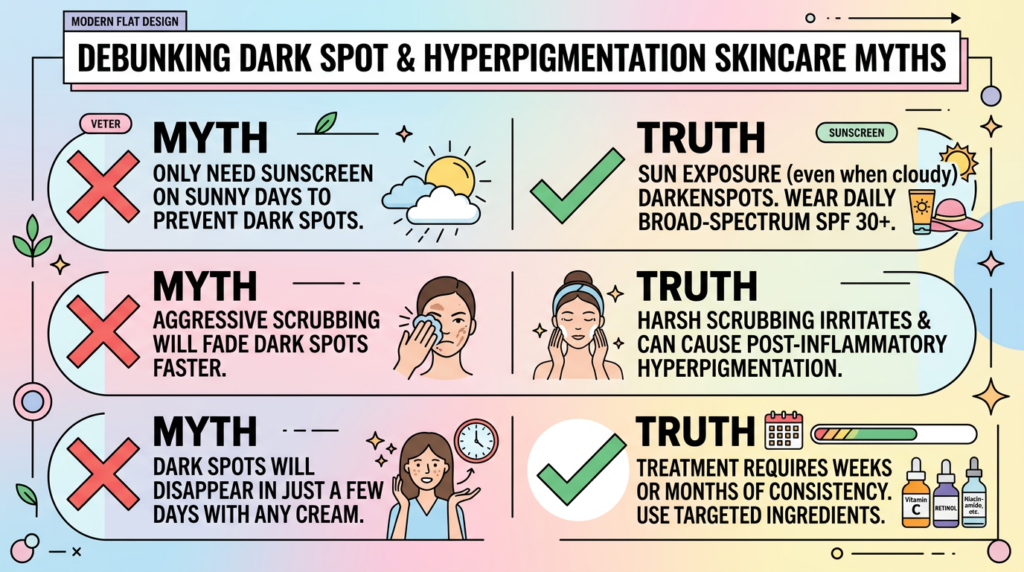
- “Just use lemon juice!” — No. Citric acid at that pH can cause chemical burns and phytophotodermatitis. Your kitchen is not a lab. Stop it.
- “Scrub the dark spots away” — Physical exfoliation with harsh scrubs creates micro-tears and triggers more inflammation, which means… more hyperpigmentation. You’re literally making it worse.
- “It’ll fade on its own, just wait” — Technically true, but “on its own” can mean 6 to 24 months. With proper hyperpigmentation treatment, I’ve seen 8-to-12-week turnarounds. Why wait?
- “Toothpaste works as a spot treatment” — I genuinely wish I didn’t have to address this in 2025, but here we are. Toothpaste belongs on your teeth. Period.
The worst part? Many of these “hacks” circulate on social media with millions of views. High engagement doesn’t equal good dermatology. IMO, the gap between popular skincare advice and evidence-based treatment has never been wider.
The Proven Hyperpigmentation Treatment Playbook
Alright, let’s talk about what actually works to fade acne marks. I’ve organized this by category so you can build your own protocol based on budget and severity.
Topical Actives That Deliver Results
- Vitamin C (L-Ascorbic Acid, 10-20%): The gold standard antioxidant that inhibits tyrosinase—the enzyme responsible for melanin production. Use it in the morning under sunscreen for maximum impact.
- Niacinamide (4-5%): Prevents melanin transfer to skin cells. It’s gentle, pairs well with almost everything, and carries strong anti-inflammatory properties. A true workhorse.
- Azelaic Acid (15-20%): Prescription strength is ideal, but 10% OTC formulas still move the needle. It targets abnormal melanocytes specifically, which makes it incredibly effective for post-acne marks.
- Alpha Arbutin: A gentler alternative to hydroquinone that inhibits melanin production without the controversial side-effect profile.
- Retinoids (Retinol, Tretinoin, Adapalene): Accelerate cell turnover, pushing pigmented cells to the surface faster. The FDA-approved tretinoin remains one of the most studied and effective options for acne treatment and subsequent pigmentation.
Professional Treatments Worth Considering
- Chemical Peels (Glycolic, Mandelic, or TCA): Professional-grade peels accelerate the removal of pigmented epidermal layers. Mandelic acid is particularly well-suited for darker skin tones due to its larger molecular size and reduced irritation risk.
- Microneedling: Creates controlled micro-injuries that stimulate collagen remodeling and improve product penetration. When combined with vitamin C or tranexamic acid serums, I’ve seen remarkable results for acne scar care and pigmentation alike.
- Laser Therapy: Fractional lasers (like Clear + Brilliant or Fraxel) can target deeper dermal pigmentation, but these require an experienced provider—especially for melanin-rich skin, where improper settings can cause more hyperpigmentation.
And the non-negotiable that ties everything together? Sunscreen. SPF 30 minimum, broad-spectrum, applied daily. I don’t care if it’s cloudy. I don’t care if you’re “just running to the car.” UV radiation is the number one reason your dark spots aren’t fading, and no serum on Earth can outwork unprotected sun exposure. A study from the Journal of the American Academy of Dermatology repeatedly confirms that photoprotection is foundational to any hyperpigmentation treatment protocol.
Advanced Tactics for Stubborn Acne Dark Spots
If you’ve been doing the basics for 3+ months and your acne dark spots are still hanging around like uninvited houseguests, it’s time to level up. Here are the insider strategies I recommend:
1. Combination Therapy: Stack your actives strategically. My go-to protocol for clients? Vitamin C in the AM + azelaic acid or retinoid in the PM + daily SPF 50. This triple threat attacks pigmentation through multiple pathways simultaneously. Don’t just use one ingredient in isolation—that’s a rookie move.
2. Tranexamic Acid (Oral or Topical): This is still flying under the radar for most consumers, but dermatologists have been quietly using tranexamic acid for hyperpigmentation with phenomenal results. Topical 5% formulations inhibit UV-induced melanogenesis and work beautifully alongside niacinamide.
3. Address Ongoing Acne First: This one seems obvious, but I see people ignoring it constantly. If you’re still breaking out, you’re creating new dark spots while trying to fade old ones. It’s like mopping the floor while the faucet is running. Get your acne type diagnosed and managed before going all-in on pigmentation.
Expert Commentary: This video from board-certified dermatologists breaks down the science behind melanin overproduction and walks through evidence-based product recommendations—worth watching if you want to see the clinical reasoning behind the ingredients I recommend above.
Building a Daily Routine for an Even Skin Tone
Here’s the exact morning and evening framework I use for clients dealing with post-acne hyperpigmentation. Adjust based on your tolerance—always introduce actives one at a time 🙂
Morning Routine
- Gentle cleanser (non-foaming, pH-balanced)
- Vitamin C serum (L-Ascorbic Acid 15-20%)
- Niacinamide moisturizer (4-5%)
- Broad-spectrum SPF 50 (reapply every 2 hours if outdoors)
Evening Routine
- Double cleanse (oil cleanser → gentle water-based cleanser)
- Azelaic acid (15-20%) OR retinoid (alternate nights if new to retinoids)
- Hydrating moisturizer with ceramides
- Occlusive layer if your skin runs dry (squalane or a thin layer of petroleum jelly)
Key rule: Consistency beats intensity. I’d rather you use a moderate-strength vitamin C serum every single day than blast your face with a professional-grade peel once and ghost your routine for two weeks. Getting to an even skin tone is a marathon, not a sprint. If you’re just starting your skincare journey, build the habit first, then optimize.
Also—and I cannot stress this enough—patch test everything. Your under-jaw area is a great testing zone. Wait 48 hours. If your skin throws a tantrum, that product isn’t for you, no matter how many five-star reviews it has. YMMV (your mileage may vary), and that’s perfectly normal.
FAQ: Post-Acne Hyperpigmentation
How long does post-acne hyperpigmentation take to fade?
Without treatment, post-acne hyperpigmentation can take 3 to 24 months to fade on its own. With consistent use of proven actives like vitamin C, niacinamide, and sunscreen, most people see significant improvement within 8 to 12 weeks. Deeper dermal pigmentation may take 6+ months even with treatment.
Is post-acne hyperpigmentation the same as acne scars?
No—and confusing the two leads to wasted money. Post-acne marks are flat discoloration caused by excess melanin. Acne scars involve textural changes—pitting, rolling, or raised tissue—caused by collagen damage. Different problems, different treatments.
Can dark spots from acne become permanent?
PIH from acne is rarely permanent, but without sun protection, dark spots can darken significantly and persist far longer than necessary. Sunscreen is your single best defense against permanence. Some dermal pigmentation in deeper skin tones can be extremely persistent without professional intervention.
What ingredients should I avoid when treating acne dark spots?
Avoid unregulated hydroquinone above 2%, harsh physical scrubs (looking at you, apricot scrubs), undiluted essential oils, and DIY lemon juice treatments. These can cause irritation, compromise your moisture barrier, and paradoxically worsen hyperpigmentation—especially on darker skin tones.
Does picking at acne cause worse hyperpigmentation?
Absolutely. Picking, squeezing, and popping amplifies the inflammatory response, which directly increases melanin overproduction. The more trauma you inflict on a breakout, the darker and more persistent the resulting mark. Hands off—seriously.
My Top Recommended Gear
These are the products I personally recommend and have seen deliver real results for fading acne marks and achieving an even skin tone. I’ve tested dozens of formulations over the years—these are the ones that earned their spot:
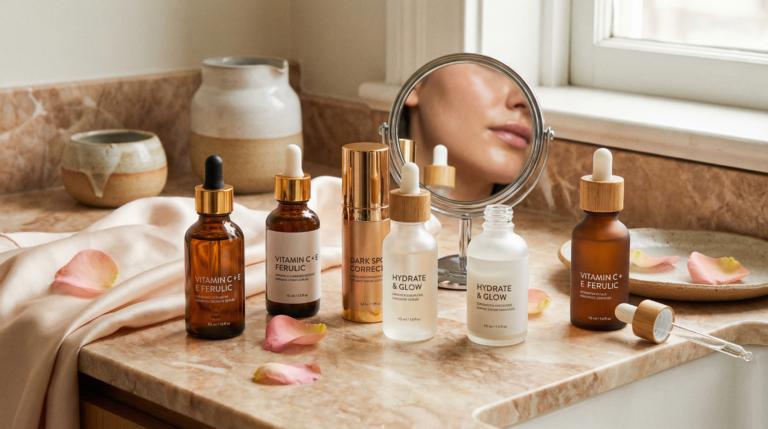
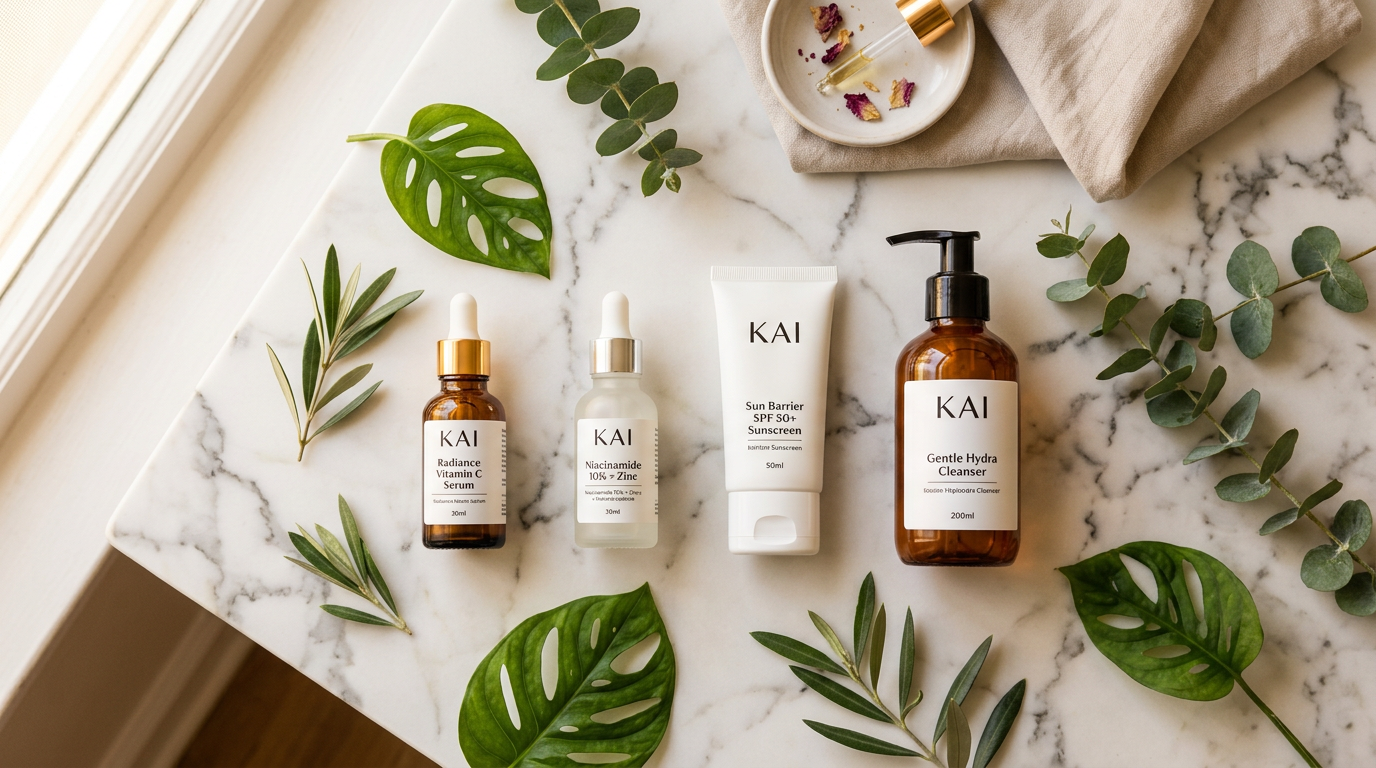
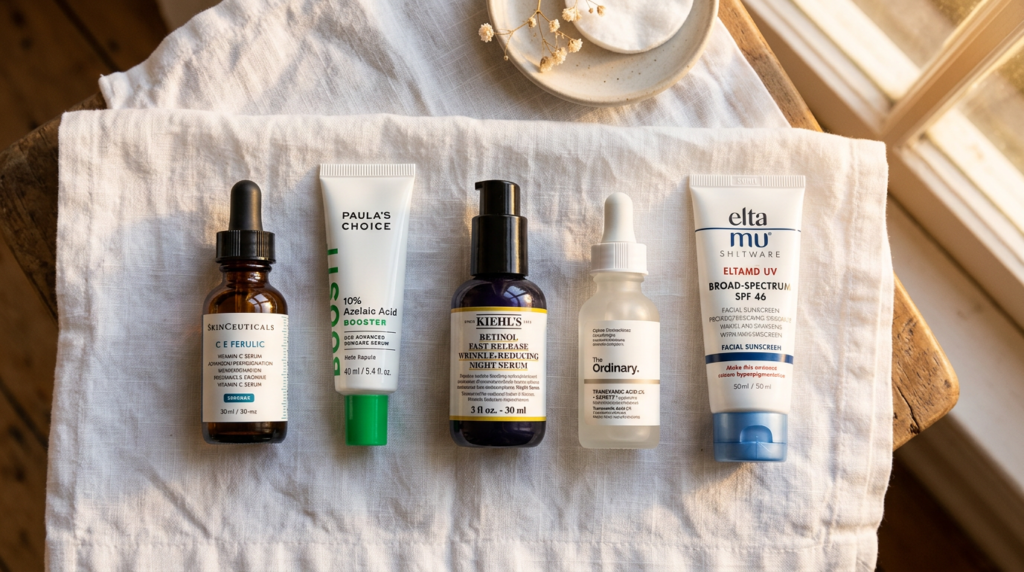
- Vitamin C Serum (L-Ascorbic Acid 20%) — The cornerstone of any brightening routine. Look for stabilized formulas with ferulic acid for maximum potency. Browse top-rated Vitamin C Serums on Amazon
- Azelaic Acid Treatment (10%) — My favorite multi-tasker that targets pigmentation, acne, and redness simultaneously. Gentle enough for daily use on most skin types. Browse Azelaic Acid Treatments on Amazon
- Broad-Spectrum SPF 50 Sunscreen (No White Cast) — Non-negotiable. I recommend mineral-chemical hybrid formulas that work across all skin tones without leaving a chalky residue. Browse SPF 50 Sunscreens on Amazon
Disclaimer: This post contains affiliate links. As an Amazon Associate, I may earn a commission from qualifying purchases at no additional cost to you.