Oily Acne-Prone Skin: Best Routine for Clearer Skin
If you have oily acne-prone skin, you already know the frustration: you wash your face, it feels great for about 45 minutes, and then your T-zone turns into an oil slick that could lubricate a bicycle chain. Meanwhile, new breakouts pop up like unwanted notifications. You’ve tried a dozen products that promised “clear skin,” and most of them either dried you out like a desert or did absolutely nothing.
Here’s the good news — I’ve spent over a decade dissecting acne skincare routines, and the problem usually isn’t your skin. It’s your approach. This guide lays out a proven, no-nonsense oily skin routine built on dermatological science, not marketing hype. If you’re brand new to building a routine, I’d recommend starting with our beginner’s guide first.
Table of Contents
- What “Oily Acne-Prone Skin” Actually Means (And Why It Matters)
- Why Your Current Routine Probably Isn’t Working
- The Best Morning Routine for Oily Acne-Prone Skin
- The Best Nighttime Routine for Oily Acne-Prone Skin
- Ingredients That Actually Work (And Ones That Don’t)
- Myth-Busting: 4 Lies About Oily Skin and Acne
- Breakout Prevention: Advanced Tactics Most People Miss
- FAQ: Oily Acne-Prone Skin
- My Top Recommended Gear
What “Oily Acne-Prone Skin” Actually Means (And Why It Matters)
Oily acne-prone skin is a skin type characterized by excess sebum production and a heightened tendency to develop clogged pores, blackheads, whiteheads, and inflammatory breakouts. It requires a targeted routine that controls oil without stripping the skin’s moisture barrier, reducing both shine and acne triggers simultaneously.
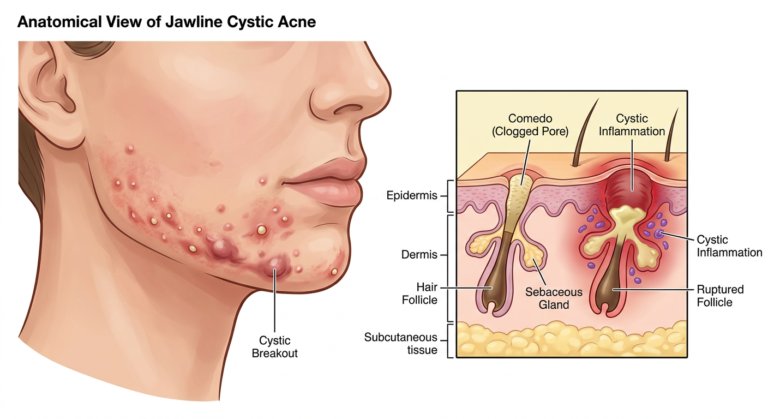
Here’s something most articles won’t tell you: having oily skin and having acne-prone skin are two overlapping but distinct issues. Your sebaceous glands pump out excess sebum — that’s the oily part. But the acne part? That’s driven by a cocktail of factors: bacterial overgrowth (Cutibacterium acnes), abnormal skin cell shedding inside your pores, and inflammation. According to the American Academy of Dermatology, these factors work together, not in isolation. Your routine needs to address all of them — not just blot the oil off your forehead.
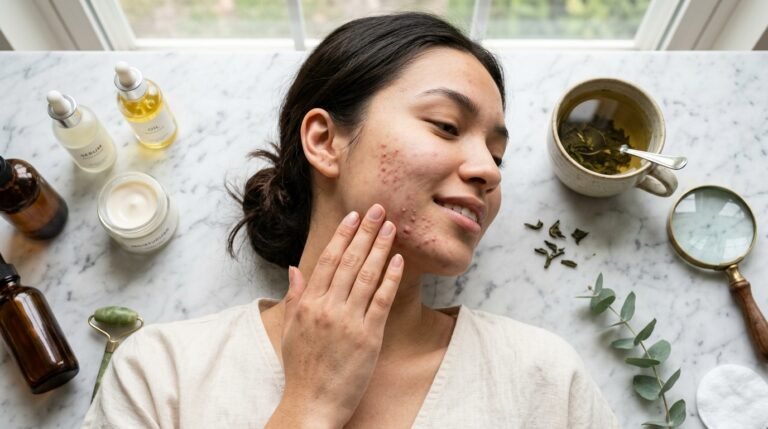
Understanding what type of acne you’re actually dealing with makes every product choice smarter. Comedonal acne (blackheads, whiteheads) responds to different actives than deep cystic breakouts. Know your enemy before you build your arsenal.
Why Your Current Routine Probably Isn’t Working
I see this pattern constantly: someone with oily skin buys the most aggressive, “oil-free, acne-fighting” products they can find, piles them all on at once, and then wonders why their face is simultaneously oily AND flaky with even more breakouts. Sound familiar?
The core mistake is treating oil like the villain. Oil is a symptom, not the root cause. When you strip your skin with harsh cleansers and alcohol-loaded toners, you destroy your moisture barrier. Your skin panics and produces more sebum to compensate. It’s a vicious cycle that dermatologists call “reactive seborrhea,” and it’s the #1 reason most skincare for oily skin routines backfire.

The second mistake? Using too many actives at the same time. Layering benzoyl peroxide, salicylic acid, retinol, and vitamin C in the same routine is like hiring four contractors who all show up on the same day and start demolishing different walls. Your skin needs a strategic, phased approach — not a chemical assault. Check out our full acne treatments breakdown for a deeper look at how each active actually works.
The Best Morning Routine for Oily Acne-Prone Skin
Keep your mornings simple. Seriously. Your AM routine has one job: protect and prep your skin for the day without adding to the oil problem.
Step 1: Gentle Foaming Cleanser
Use a gentle, pH-balanced foaming cleanser (around pH 5.5). Skip anything that makes your skin feel “squeaky clean” — that sensation means you’ve stripped away protective lipids. I look for cleansers with ingredients like glycerin or ceramides built in. A study published in the Journal of Dermatological Science confirmed that maintaining skin pH balance directly reduces acne lesion counts.
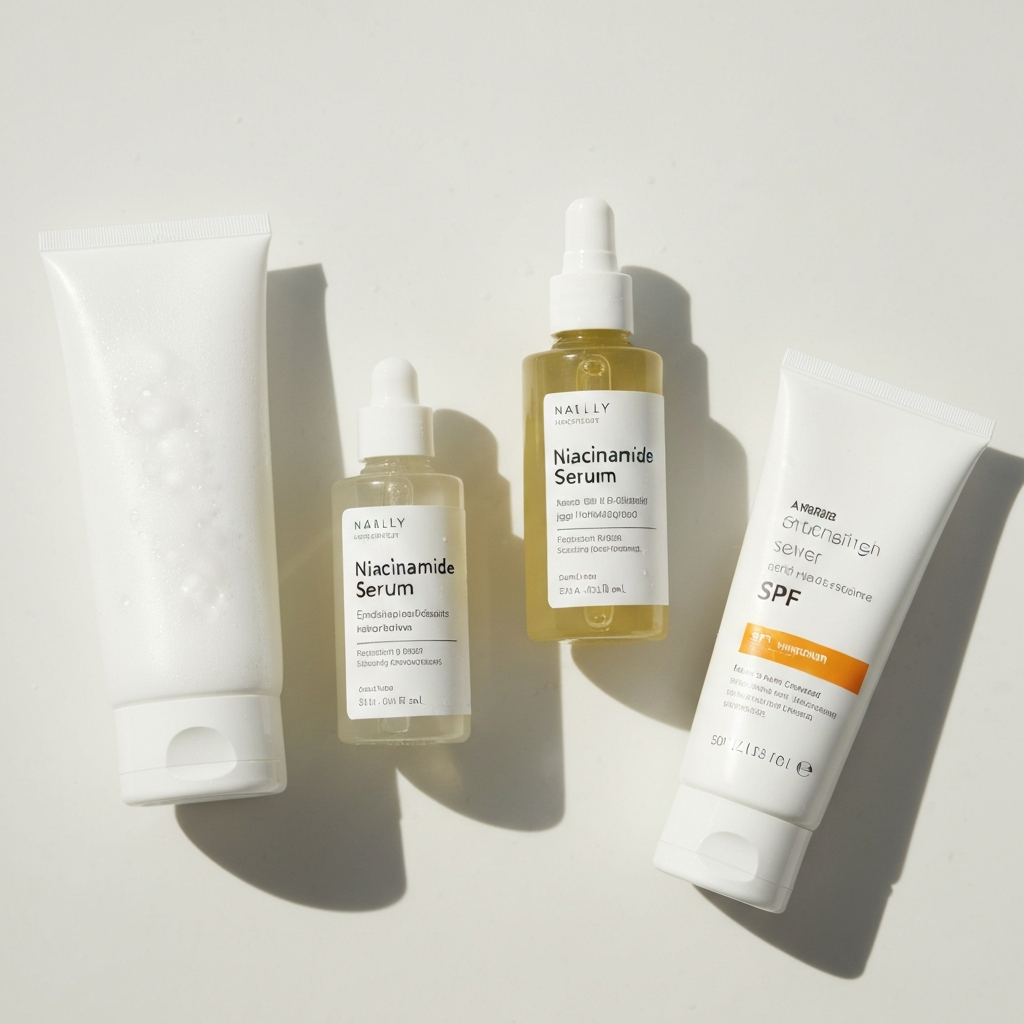
Step 2: Niacinamide Serum (The MVP)
A 5% niacinamide serum regulates sebum production, shrinks the appearance of pores, and calms inflammation. TBH, this one ingredient has done more for my oily skin than any expensive “miracle” product ever has. It plays well with almost every other active, which makes it incredibly versatile.
Step 3: Oil-Free Moisturizer
Yes, you need moisturizer. A lightweight gel or water-cream formula keeps your barrier intact. Look for hyaluronic acid and squalane — they hydrate without adding greasiness.
Step 4: Broad-Spectrum SPF 30+
Non-negotiable. Many acne treatment tips ignore sun protection, but UV exposure triggers post-inflammatory hyperpigmentation (those dark marks acne leaves behind) and degrades your skin’s healing capacity. Use a mineral or hybrid sunscreen that won’t leave a white cast or feel heavy. The Mayo Clinic’s acne treatment guidelines emphasize sun protection as a critical part of any acne management plan.
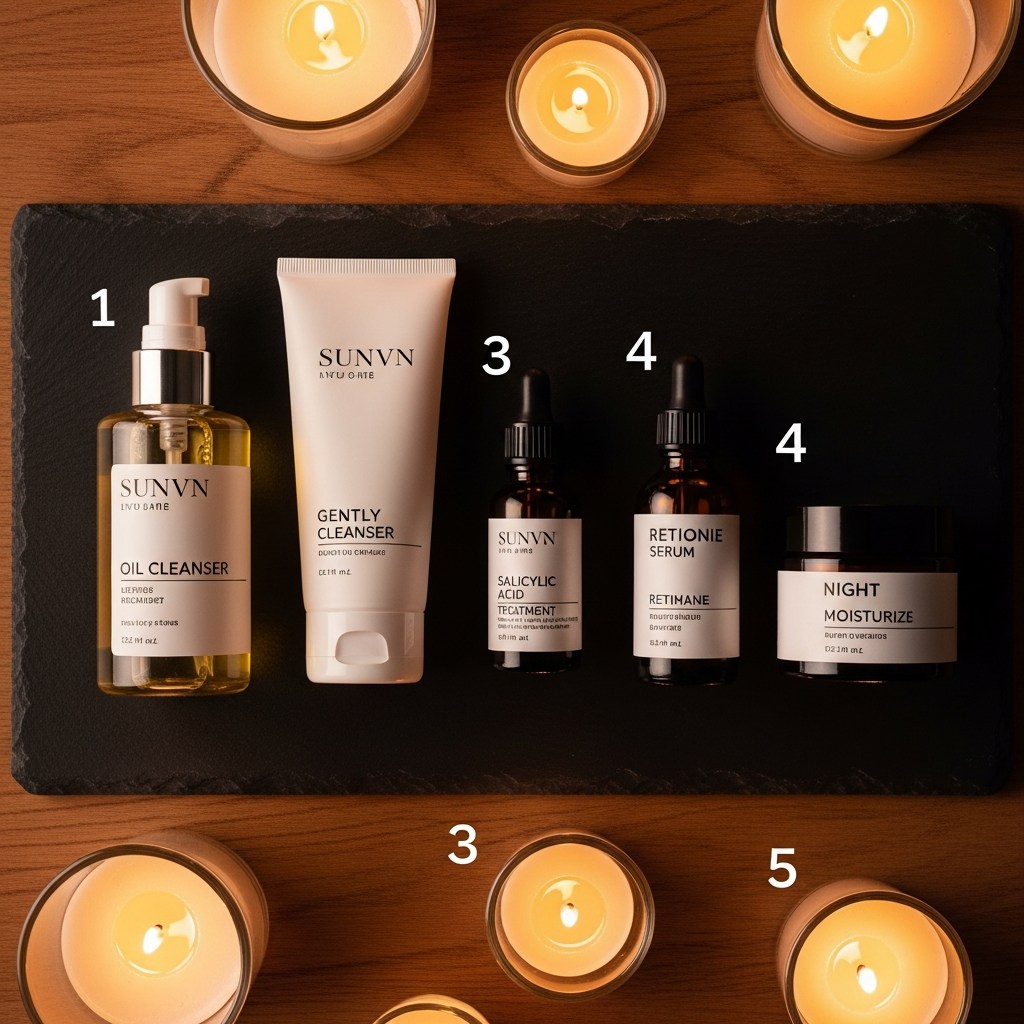
The Best Nighttime Routine for Oily Acne-Prone Skin
Nighttime is when your skin repairs itself. This is where you deploy your heavy hitters — the actives that actually treat acne and prevent new breakouts.
Step 1: Double Cleanse
Start with an oil-based cleanser or micellar water to dissolve sunscreen and sebum. Follow with your gentle foaming cleanser. Double cleansing isn’t just a K-beauty trend — it’s the most effective way to get a truly clean canvas without aggressive scrubbing.
Step 2: Chemical Exfoliant (2–3 Nights/Week)
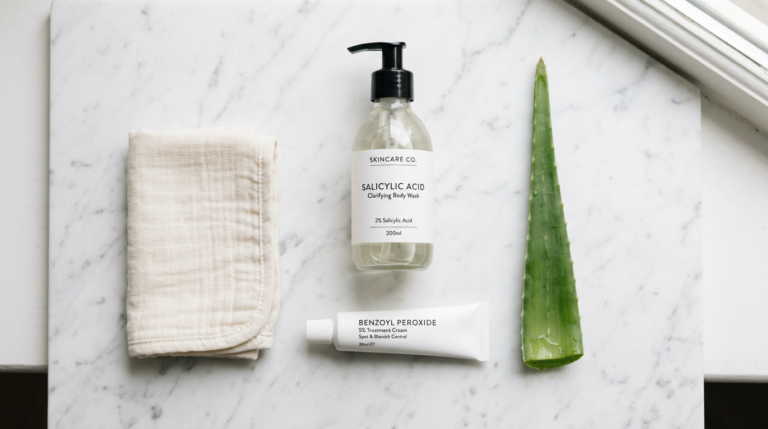
Salicylic acid (BHA) at 2% concentration is your best friend. It’s oil-soluble, which means it penetrates into pores and dissolves the gunk that causes blackheads and breakouts. On alternate nights, you can use a gentle AHA like lactic acid for surface cell turnover. If your skin tends toward redness and irritation, start with just once a week and build tolerance gradually.
Step 3: Retinoid (Alternate Nights)
Retinoids accelerate cell turnover, prevent clogged pores, and boost collagen. Start with adapalene 0.1% (available OTC) or a gentle retinol if your skin is sensitive. This single ingredient has more clinical evidence behind it for breakout prevention than almost anything else on the market. The FDA recognizes adapalene as a proven OTC acne treatment.
Step 4: Barrier-Repair Moisturizer
A slightly richer moisturizer than your AM one — with ceramides and centella asiatica — repairs the barrier while you sleep. Your skin does its heaviest repair work between 10 PM and 2 AM, so give it the raw materials it needs.
Ingredients That Actually Work (And Ones That Don’t)
Let me save you some money and shelf space. Here’s my honest breakdown after years of testing and reading the clinical literature:
- Salicylic Acid (BHA): Gold standard for oily, acne-prone skin. Unclogs pores from the inside. Proven and reliable.
- Niacinamide: Regulates oil, fades marks, strengthens barrier. The multi-tool of skincare.
- Benzoyl Peroxide (2.5–5%): Kills acne-causing bacteria. Higher concentrations (10%) aren’t more effective — they’re just more irritating. IMO, 2.5% is the sweet spot.
- Retinoids: Long-term acne prevention powerhouse. Non-negotiable for serious acne-prone skincare.
- Zinc (topical and oral): Underrated anti-inflammatory that helps with hormonal acne patterns.
What to avoid: Coconut oil (comedogenic nightmare), physical scrubs with jagged particles (walnut shell scrubs, I’m looking at you), alcohol denat as a primary ingredient, and heavily fragranced products. These irritate the skin, worsen inflammation, and create new skin concerns instead of solving existing ones.
Myth-Busting: 4 Lies About Oily Skin and Acne
Time to set some records straight because the internet is absolutely drowning in bad skincare advice.
Myth #1: “Oily skin doesn’t need moisturizer.” Wrong. Dehydrated oily skin overproduces oil. Moisturize or pay the price.
Myth #2: “You should wash your face as many times as possible.” Washing more than twice a day strips your barrier. Twice daily — morning and night — is the clinical recommendation.
Myth #3: “Sunscreen causes breakouts.” Bad sunscreen causes breakouts. The right sunscreen (oil-free, non-comedogenic, mineral or hybrid) actually protects healing skin and prevents dark spots.
Myth #4: “Acne means your skin is dirty.” Acne is driven by hormones, genetics, inflammation, and bacteria — not dirt. Scrubbing harder doesn’t clean out acne. It makes it worse. Period.
Breakout Prevention: Advanced Tactics Most People Miss
This video from a board-certified dermatologist breaks down exactly how to layer actives without wrecking your skin — worth every minute of your time if you want to get the application order right.
Beyond products, here are the clear skin tips that separate people who occasionally break out from people who’ve truly figured out their skin 🙂
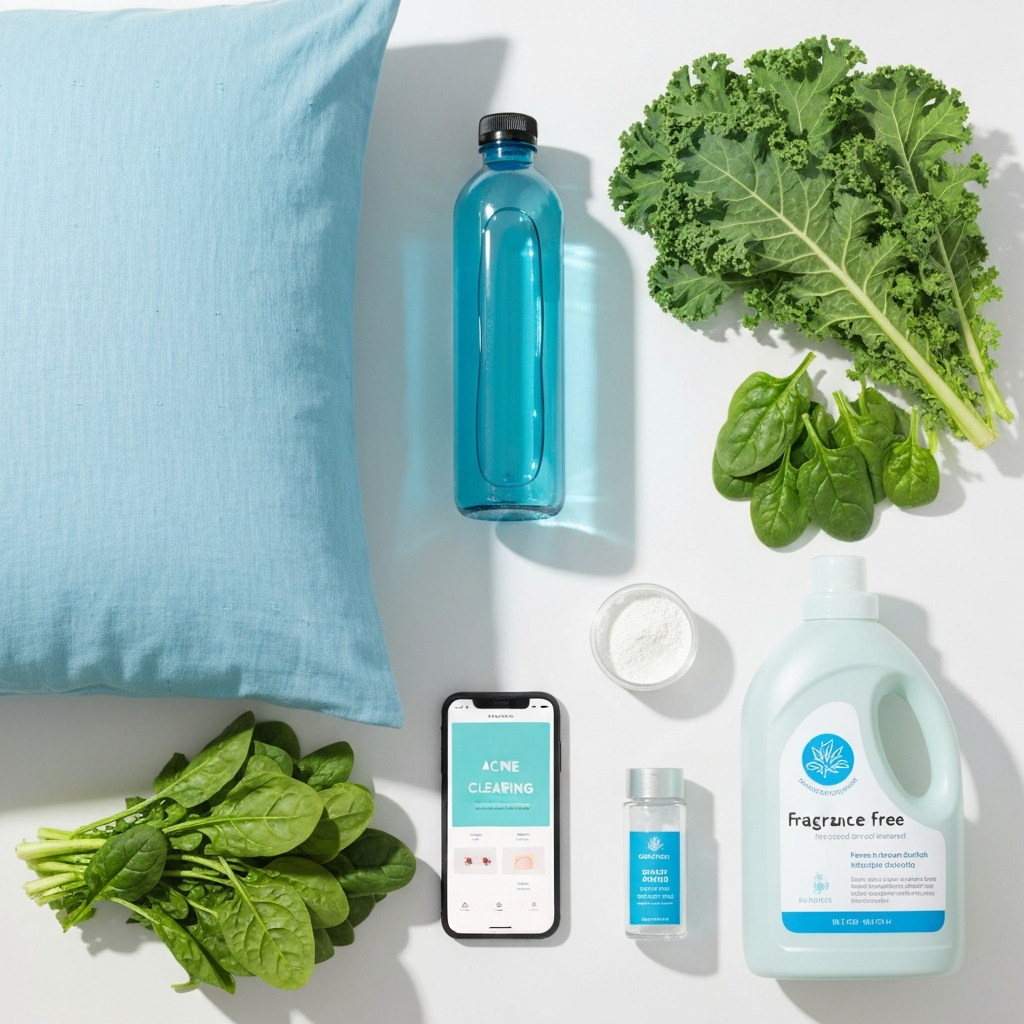
Change Your Pillowcase Every 2–3 Days
Your pillowcase collects oil, dead skin, and bacteria. Sleeping on the same one for a week is like pressing your face into a petri dish every night. Silk or satin pillowcases also reduce friction-related irritation.
Stop Touching Your Face
The average person touches their face 16–23 times per hour. Each touch transfers bacteria and oil from your hands. Be mindful — especially if you rest your chin on your hand while working.
Clean Your Phone Screen
Your phone screen harbors more bacteria than a toilet seat (not exaggerating — published research confirms it). If you press it against your cheek for calls, you’re introducing bacteria directly to your skin. Wipe it daily.
Track Your Triggers
Keep a simple skin journal. Note what you eat, your stress levels, your cycle (if applicable), and which products you used. After 4–6 weeks, patterns emerge. I’ve seen clients identify dairy, high-sugar diets, and specific laundry detergents as major breakout triggers — things no product alone could fix.
Be Patient With Actives
Retinoids take 8–12 weeks to show full results. Salicylic acid takes 4–6 weeks. If you quit after two weeks because you don’t see changes, you’re abandoning the strategy right before it starts working. Consistency is the unglamorous secret behind every great acne skincare transformation.
FAQ: Oily Acne-Prone Skin
Should I moisturize oily acne-prone skin?
Absolutely. Skipping moisturizer tricks your skin into producing even more oil to compensate for dehydration. Use a lightweight, oil-free, non-comedogenic moisturizer to keep your moisture barrier intact without clogging pores.
How often should I exfoliate oily acne-prone skin?
Two to three times per week with a chemical exfoliant like salicylic acid (BHA) is the sweet spot for most people. Over-exfoliating damages your skin barrier, triggers more oil production, and makes breakouts worse.
What ingredients should I avoid if I have oily acne-prone skin?
Avoid heavy comedogenic oils like coconut oil, thick silicone-based primers, alcohol-heavy toners that strip the skin, and products with artificial fragrance. These ingredients either clog pores or irritate the skin, worsening breakouts.
Can diet affect oily acne-prone skin?
Yes. Research from the American Academy of Dermatology shows that high-glycemic foods and dairy may worsen acne in some individuals. A balanced diet rich in omega-3 fatty acids, zinc, and antioxidants supports clearer skin from the inside out.
My Top Recommended Gear
These are the products I personally recommend after years of testing and helping hundreds of people build effective routines for oily acne-prone skin. Every pick earns its spot on merit, not marketing spend.
- CeraVe Foaming Facial Cleanser: The gold standard gentle cleanser with ceramides and niacinamide. pH-balanced and dirt cheap for what you get. Check price on Amazon
- Paula’s Choice 2% BHA Liquid Exfoliant: The benchmark salicylic acid exfoliant. Elegant formula, proven results, plays well with every routine. Check price on Amazon
- La Roche-Posay Effaclar Adapalene Gel 0.1%: OTC-strength retinoid specifically designed for acne-prone skin. Clinically proven, FDA-recognized, and widely recommended by dermatologists. Check price on Amazon
Disclaimer: This post contains affiliate links. As an Amazon Associate, I may earn a commission from qualifying purchases at no additional cost to you.