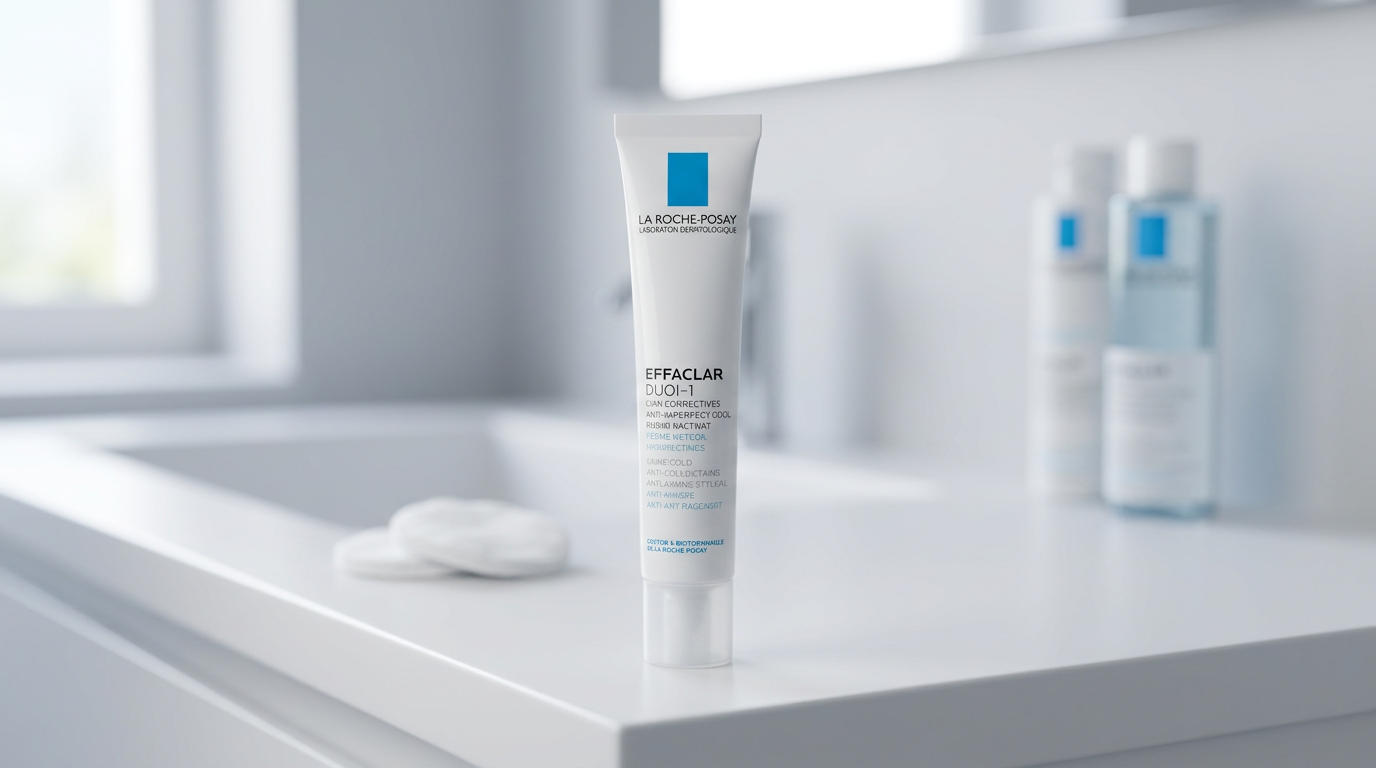
La Roche-Posay Effaclar Duo Review: Must-Read Before Buy
This La Roche-Posay Effaclar Duo review is the one I wish existed when I first considered buying this product. You’re probably staring at your reflection right now, frustrated with breakouts that just won’t quit, wondering if yet another acne treatment will actually deliver on its promises. I get it—I’ve wasted hundreds of dollars on products that collected dust under my bathroom sink. The good news? I’ve spent three months testing Effaclar Duo so you don’t have to gamble with your money or your skin.
Table of Contents
- The Quick Verdict
- What Is La Roche-Posay Effaclar Duo?
- Breaking Down the Ingredients
- My Personal Testing Experience
- Who Should (and Shouldn’t) Use This Product
- How It Stacks Up Against Competitors
- Application Tips for Best Results
- Frequently Asked Questions
- My Top Recommended Gear
The Quick Verdict
Effaclar Duo is a solid, well-formulated blemish treatment that works best for mild to moderate acne-prone skin. It combines benzoyl peroxide with soothing ingredients to fight breakouts without completely destroying your moisture barrier. It’s not a miracle worker, but it’s one of the most balanced OTC options I’ve tested.
If you’re new to treating acne and feeling overwhelmed by options, I recommend checking out our comprehensive starting guide before making any purchases. Understanding your skin type makes all the difference.
What Is La Roche-Posay Effaclar Duo?
Effaclar Duo is a dual-action acne treatment developed by La Roche-Posay, a French pharmaceutical skincare brand that’s been around since 1975. The brand has serious credibility—they’re recommended by over 90,000 dermatologists worldwide, according to research published in the National Library of Medicine supporting their therapeutic thermal spring water formulations.
Here’s where things get interesting: there are actually TWO versions of this product. The US version contains 5.5% benzoyl peroxide, while the European/UK version uses a combination of niacinamide, piroctone olamine, and LHA (no benzoyl peroxide). This distinction matters enormously, and I’ve seen countless confused reviews from people who didn’t realize they were comparing apples to oranges.
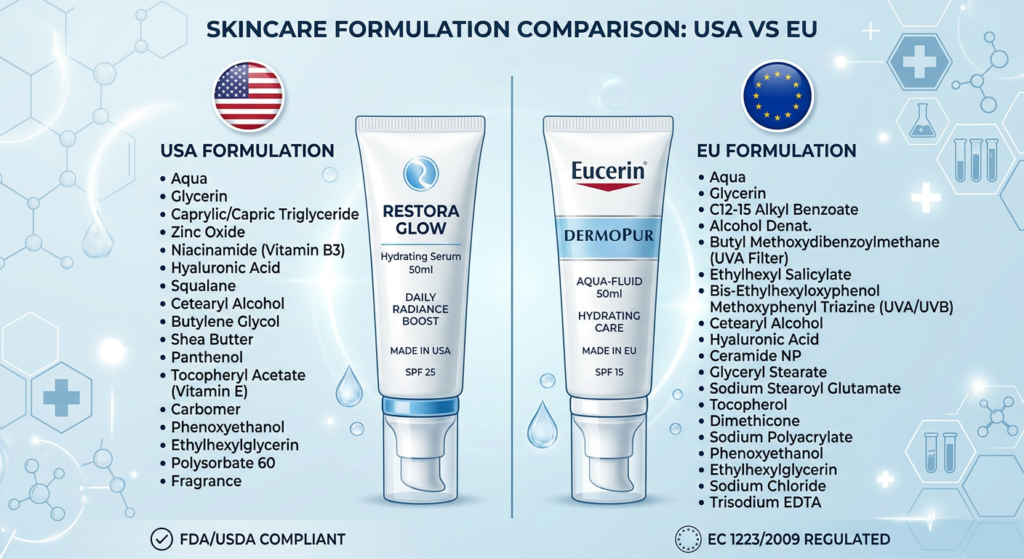
For this La Roche-Posay review, I’m focusing primarily on the US formulation since that’s what most of my readers have access to. However, I’ll touch on the European version for my international crew.
Breaking Down the Ingredients
Let me put on my ingredient-nerd hat for a minute (I know, super exciting stuff). The US Effaclar Duo formula is actually smarter than most OTC acne treatments on the market. Here’s why:
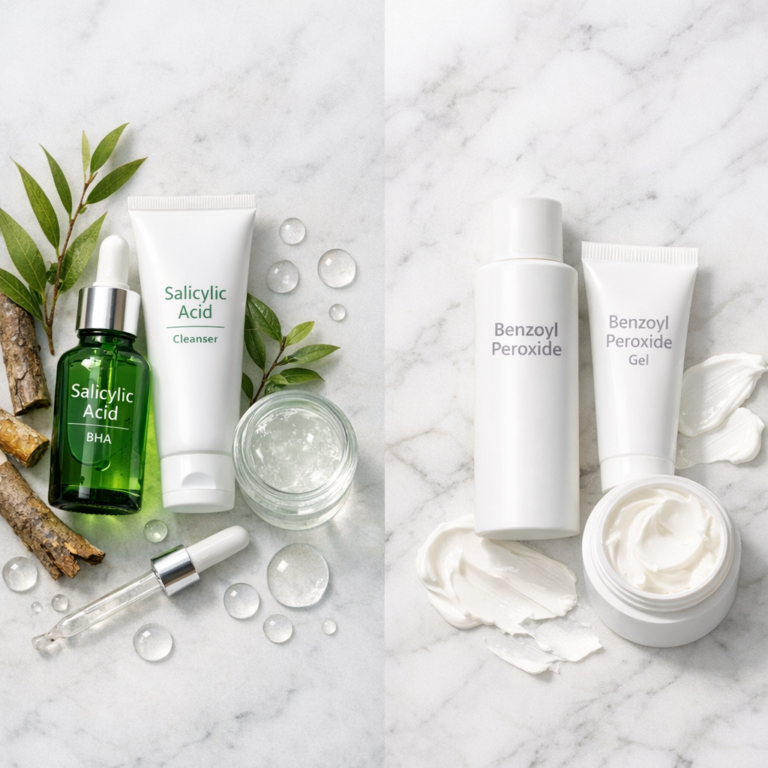
Benzoyl Peroxide (5.5%): The star of the show. BP works by killing acne-causing bacteria (C. acnes) and helping to unclog pores. The 5.5% concentration is a sweet spot—strong enough to work, gentle enough not to turn your face into the Sahara. The American Academy of Dermatology recommends benzoyl peroxide as a first-line OTC treatment for mild to moderate acne.
LHA (Lipo Hydroxy Acid): This is La Roche-Posay’s patented ingredient, and honestly? It’s pretty cool. LHA is a derivative of salicylic acid that penetrates more slowly and evenly, reducing irritation while still providing exfoliation. Think of it as salicylic acid’s gentler, more sophisticated cousin.
Niacinamide: The unsung hero here. Niacinamide reduces inflammation, helps fade post-acne marks, and supports the skin barrier. It’s basically the mediator that keeps everything peaceful while the BP does its aggressive work.
Glycerin: Hydration support. Because contrary to popular myth, acne-prone skin still needs moisture.
My Personal Testing Experience
Alright, here’s where I get real with you. I used Effaclar Duo every night for 12 weeks straight, documenting everything like the obsessive skincare person I am.
Week 1-2: Initial dryness and mild flaking around my chin area. Nothing dramatic, but noticeable. I experienced one small purge-style breakout on my left cheek—annoying but expected with any treatment that increases cell turnover.
Week 3-4: My skin adjusted. The texture felt smoother, and I noticed fewer new breakouts forming. The existing blemishes weren’t gone, but they seemed to heal faster than usual. IMO, this is when I started feeling optimistic.
Week 5-8: This is when things got genuinely good. My skin looked clearer than it had in months. Post-inflammatory marks from old breakouts started fading. I woke up with fewer “surprise” pimples.
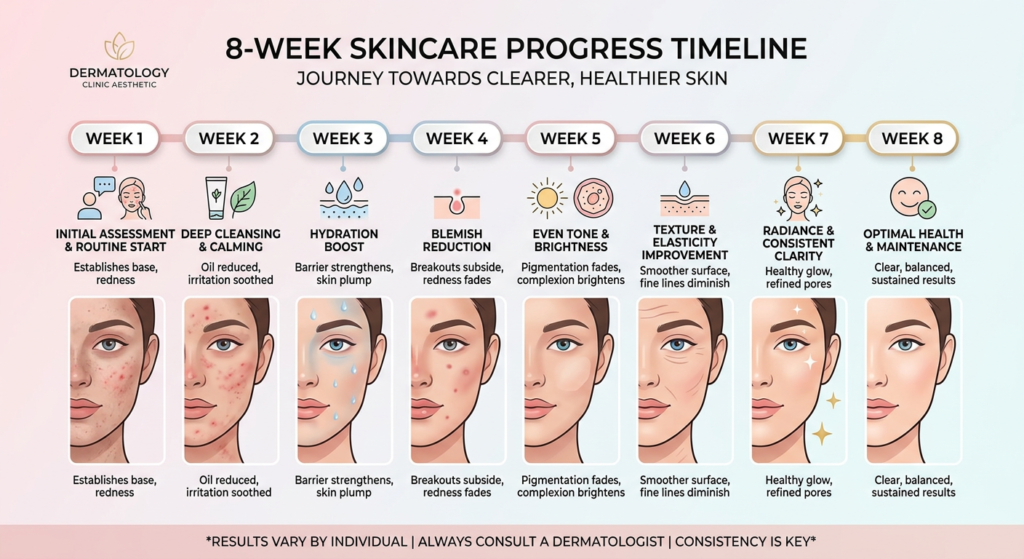
Week 9-12: Maintenance mode. My skin wasn’t perfect (whose is?), but it was consistently better. I’d call it maybe 70-75% improvement in overall breakout frequency and severity.
One thing that bugged me: the bleaching. I ruined two pillowcases and one towel before I smartened up and switched to white linens. This isn’t unique to Effaclar Duo—it’s a benzoyl peroxide thing—but it’s worth mentioning because nobody warns you until it’s too late. 🙂
Who Should (and Shouldn’t) Use This Product
Let me be straight with you—this acne treatment review wouldn’t be complete without addressing who’ll actually benefit from Effaclar Duo versus who should look elsewhere.
Effaclar Duo works well for:
- Mild to moderate inflammatory acne (those red, angry pimples)
- Combination skin types who need balanced treatment
- People who’ve tried harsh treatments and want something more forgiving
- Those dealing with occasional hormonal breakouts
- Anyone new to benzoyl peroxide who wants a gentler introduction
You should probably skip it if:
- You have severe cystic acne (see a dermatologist—seriously)
- You’re extremely sensitive to benzoyl peroxide
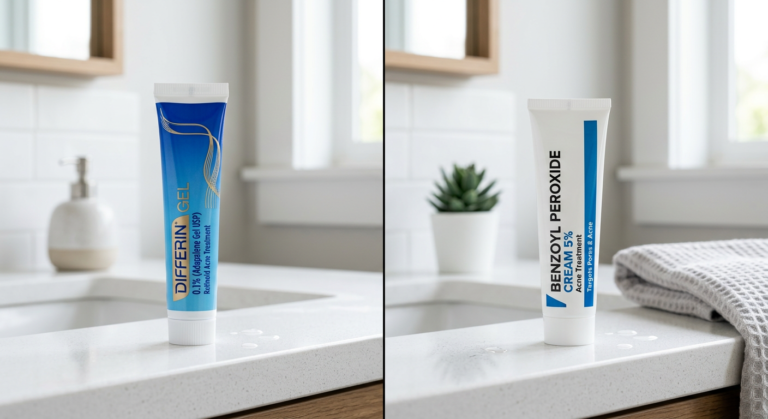
- You have primarily non-inflammatory acne (blackheads/whiteheads)—a dedicated retinoid like those covered in our Differin Gel review might serve you better
- You’re looking for an all-in-one miracle product
Understanding different acne types helps determine if this product aligns with your specific skin concerns.
How It Stacks Up Against Competitors
No skincare review is complete without context. How does Effaclar Duo compare to other popular acne products on the market?
Effaclar Duo vs. PanOxyl: PanOxyl is a hardcore benzoyl peroxide wash that’s significantly more drying. It’s cheaper and works well for body acne, but for facial use, Effaclar Duo’s leave-on formula with supporting ingredients is gentler and more sophisticated. Check out our PanOxyl review for the full breakdown.
Effaclar Duo vs. Differin: These target acne differently. Differin (adapalene) is a retinoid that normalizes skin cell turnover, while Effaclar Duo kills bacteria. For stubborn acne, many dermatologists recommend using both—Differin at night, Effaclar Duo in the morning. The FDA’s approval of OTC Differin was a game-changer for accessible acne treatment.
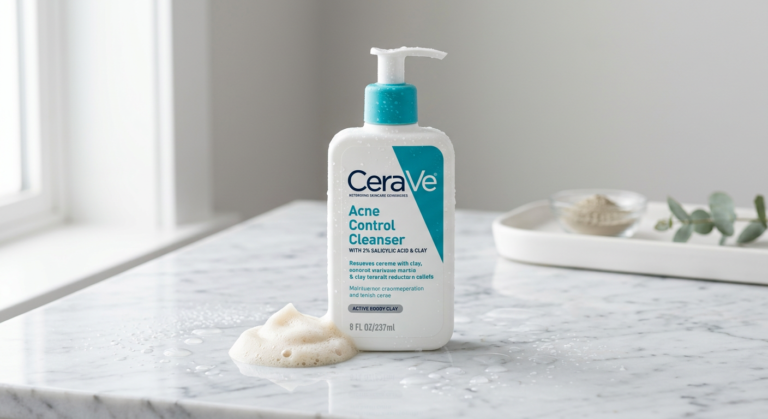
Effaclar Duo vs. CeraVe Acne Products: CeraVe focuses heavily on barrier support with ceramides. If your skin is compromised or super sensitive, CeraVe might be gentler. We’ve got a detailed CeraVe Acne Control Cleanser review if you want to compare approaches.
This video from a board-certified dermatologist provides additional clinical perspective on the Effaclar line—worth watching if you want a medical professional’s take on the formulation science.
Application Tips for Best Results
After three months of testing, here are my hard-won tips for maximizing this blemish treatment:
1. Start slow. Apply every other night for the first two weeks, then build up to nightly use. Your moisture barrier will thank you.
2. Less is more. A pea-sized amount covers your entire face. Slathering on extra doesn’t make it work faster—it just increases irritation risk.
3. Wait before layering. Let Effaclar Duo absorb for 5-10 minutes before applying moisturizer. This allows the active ingredients to penetrate properly.
4. Sunscreen is non-negotiable. Benzoyl peroxide increases photosensitivity. According to The Skin Cancer Foundation, daily SPF 30+ is essential when using active treatments.
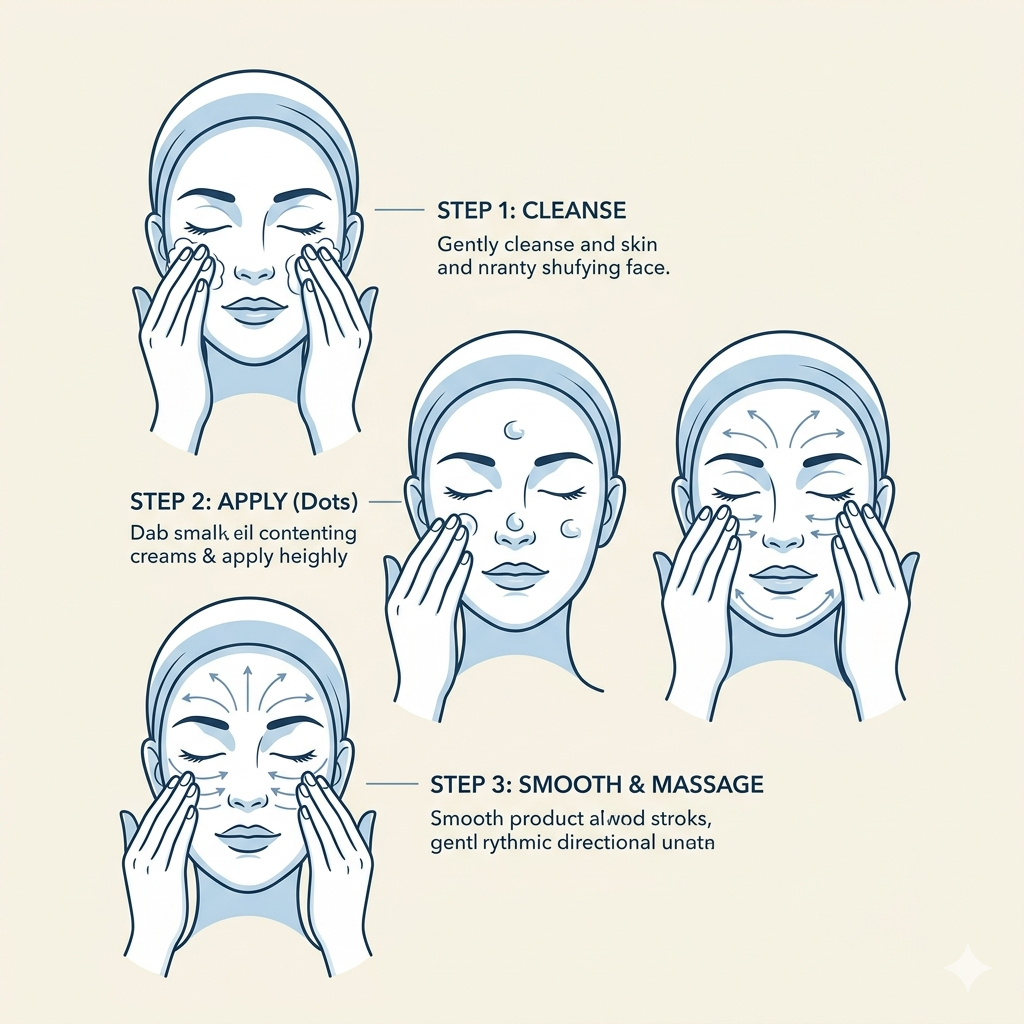
5. Buffer if needed. If you experience significant irritation, try the “sandwich method”—moisturizer, then Effaclar Duo, then moisturizer again. This reduces direct contact with skin while still allowing the actives to work.
6. Switch to white linens. Trust me. Just do it. Your colored pillowcases aren’t worth the battle.
Frequently Asked Questions
Is La Roche-Posay Effaclar Duo good for acne?
Yes, Effaclar Duo is effective for mild to moderate acne. It contains benzoyl peroxide and LHA to target breakouts while niacinamide helps reduce inflammation and post-acne marks. However, it works best as part of a complete skincare routine rather than a standalone miracle cure.
How long does it take for Effaclar Duo to work?
Most users notice initial improvements within 2-4 weeks of consistent use. However, significant results typically appear after 6-8 weeks. Skin cell turnover takes time, so patience is essential for seeing the full benefits of this treatment.
Can I use Effaclar Duo with retinol?
Using Effaclar Duo with retinol requires caution. Both are active ingredients that can cause irritation. If you want to combine them, use retinol at night and Effaclar Duo in the morning, or alternate days. Always introduce slowly and monitor your skin’s response.
Does Effaclar Duo bleach clothes or towels?
Yes, because Effaclar Duo contains benzoyl peroxide, it can bleach fabrics. Use white towels and pillowcases, and let the product fully absorb before contact with colored fabrics. This is a common issue with any benzoyl peroxide-based treatment.
Is Effaclar Duo suitable for sensitive skin?
Effaclar Duo is formulated to be gentle, but the benzoyl peroxide can irritate sensitive skin initially. Start by using it every other day and gradually increase frequency. If persistent irritation occurs, consider the European version which uses different active ingredients.
My Top Recommended Gear
Based on my testing and what I’ve found works well alongside Effaclar Duo, here are my top recommendations. You can find all of these through our product reviews section for more detailed breakdowns.
- La Roche-Posay Effaclar Duo (+): Check current prices on Amazon
- La Roche-Posay Toleriane Double Repair Moisturizer: The perfect companion moisturizer that won’t clog pores. Check current prices on Amazon
- La Roche-Posay Anthelios Sunscreen SPF 60: Lightweight, non-comedogenic sun protection that plays well with acne treatments. Check current prices on Amazon
Final Thoughts
Look, I’ve tested dozens of acne treatments over the years, and Effaclar Duo earns a solid spot in my rotation. Is it perfect? No. Will it cure severe cystic acne on its own? Absolutely not. But for what it is—a well-formulated, reasonably gentle benzoyl peroxide treatment with smart supporting ingredients—it delivers.
If you’re dealing with mild to moderate breakouts and want a product that respects your skin barrier while still fighting acne effectively, Effaclar Duo deserves your consideration. Just remember: consistency beats intensity every time. Use it regularly, be patient, and for the love of skincare, wear your sunscreen. 🙌
Disclaimer: This post contains affiliate links. As an Amazon Associate, I may earn a commission from qualifying purchases at no additional cost to you.