Jawline Acne: 9 Powerful Causes You Must Know
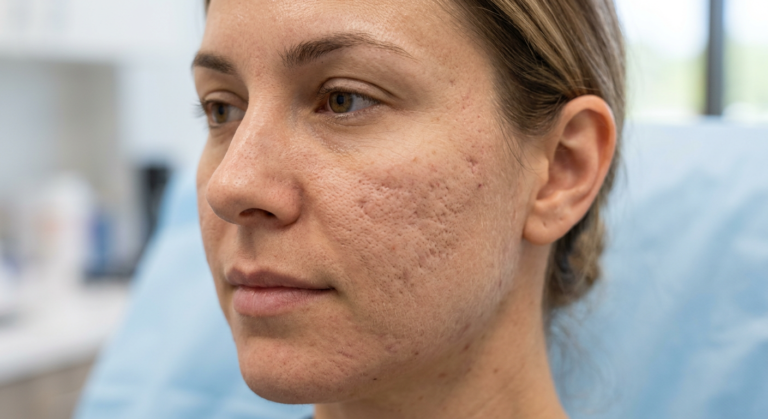
If you’re dealing with jawline acne, you already know it’s a special kind of frustrating. Unlike the random forehead pimple that disappears overnight, these deep, painful bumps along your chin and jaw seem to take up permanent residence. I’ve spent over a decade analyzing acne causes and treatment protocols, and I can tell you this: jawline breakouts aren’t just bad luck—they’re your skin sending you a very specific message. The problem? Most people treat the symptom without understanding the root cause, which is why that stubborn acne keeps coming back month after month.
Here’s what really grinds my gears: the skincare industry loves to oversimplify acne as a “cleanse more” problem. But when it comes to breakouts concentrated along your lower face, you’re usually dealing with something far more complex—hormonal shifts, lifestyle habits, or environmental factors that no face wash can fix alone. In this guide, I’m breaking down the nine most powerful triggers behind jawline acne, complete with the science-backed insights and clear skin tips that actually work.
Table of Contents
- What Makes Jawline Acne Different?
- Cause #1: Hormonal Fluctuations
- Cause #2: Phone and Mask Friction
- Cause #3: Dietary Triggers
- Cause #4: Stress and Cortisol Spikes
- Cause #5: Wrong Skincare Products
- Cause #6: Hair Products Migration
- Cause #7: Unconscious Touching Habits
- Cause #8: Bacterial Overgrowth
- Cause #9: Underlying Medical Conditions
- Frequently Asked Questions
- My Top Recommended Gear
What Makes Jawline Acne Different?
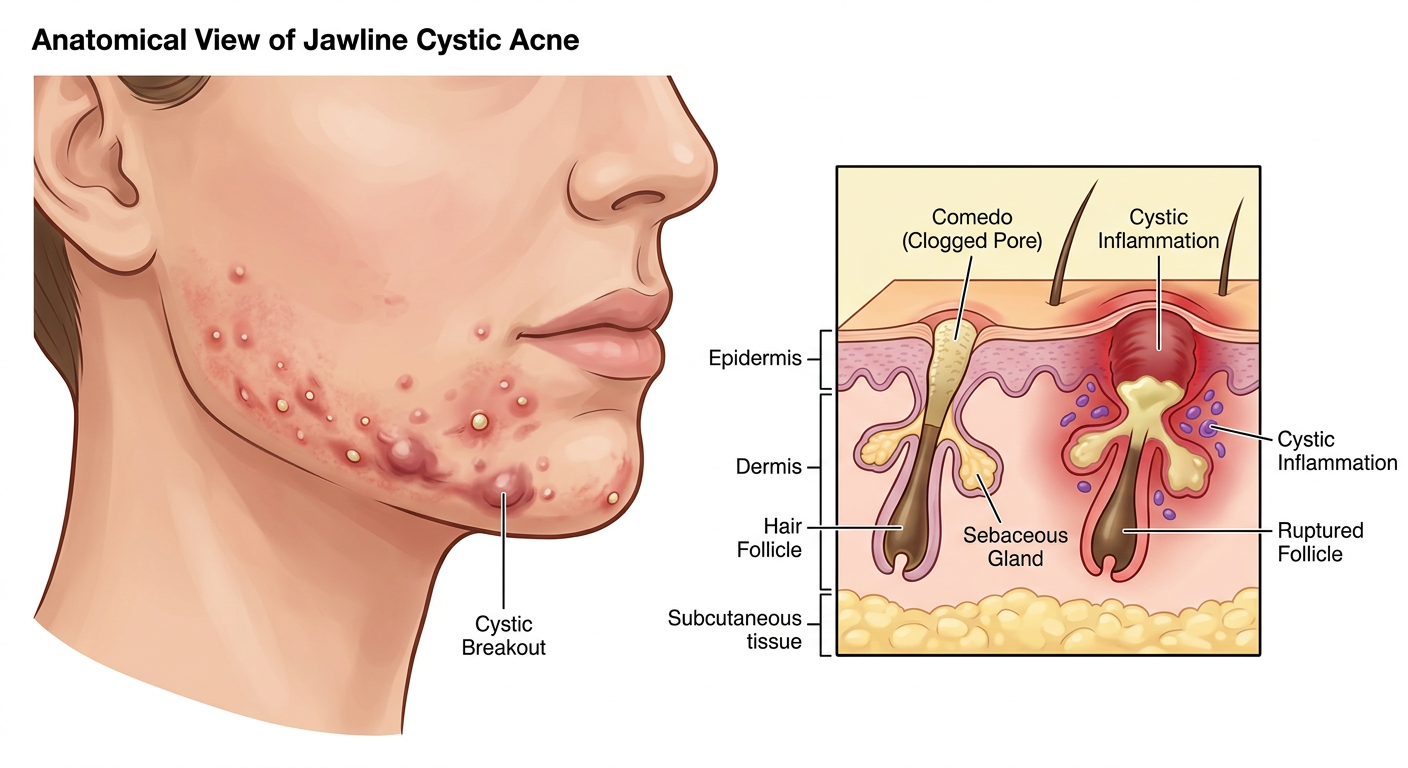
Jawline acne differs fundamentally from breakouts on other facial zones because of its primary driver: androgen sensitivity. The sebaceous glands along your lower face contain more androgen receptors than those on your forehead or cheeks. When hormones like testosterone fluctuate, these receptors trigger excessive sebum production, creating the perfect environment for clogged pores and inflammatory acne. This explains why jawline breakouts tend to be deeper, more painful, and more resistant to standard acne treatment approaches.
If you’re just starting to understand your breakout patterns, I recommend checking out this comprehensive guide to acne basics before diving deeper into specific causes.
Cause #1: Hormonal Fluctuations
Let me be blunt: hormonal acne is the number one cause of persistent jawline breakouts, especially in adults. Your endocrine system orchestrates a complex dance of hormones throughout your menstrual cycle, pregnancy, perimenopause, or even during times of hormonal therapy. When androgens spike—particularly in the week before menstruation—your oil glands go into overdrive.
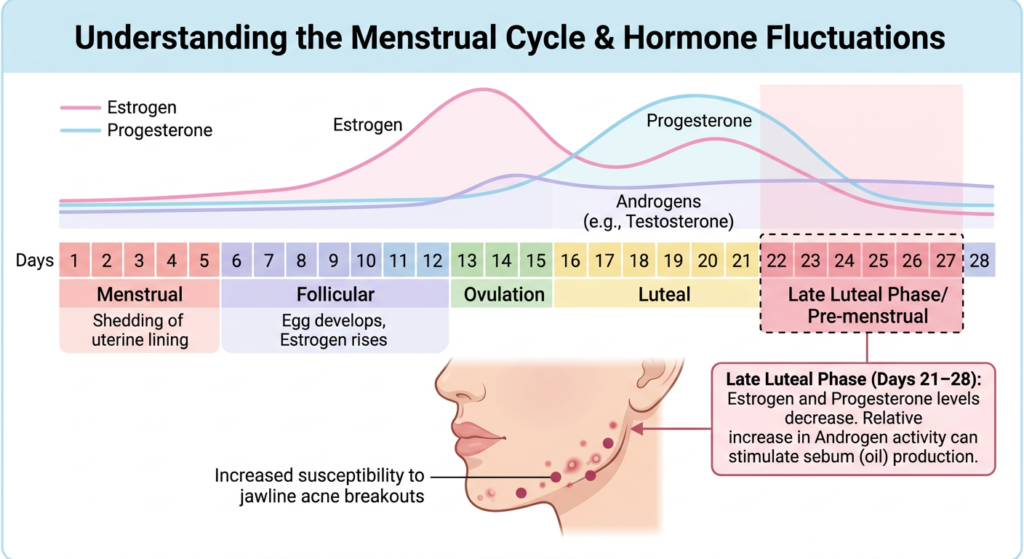
Research from the National Institutes of Health confirms that adult female acne concentrates along the lower face and jawline, with flare-ups correlating directly to the luteal phase of the menstrual cycle. I’ve seen countless clients who could set their calendar by their breakouts—that’s hormonal acne talking.
The fix isn’t always topical. While a solid skincare routine helps manage symptoms, you might need internal intervention. Spironolactone, birth control pills, or other hormone-regulating medications can address the root cause. Talk to your dermatologist about testing your hormone levels if you notice this cyclical pattern. For more on different presentations, explore these various acne types.
Cause #2: Phone and Mask Friction
Here’s something that drives me nuts: people spend hundreds on fancy serums while pressing a bacteria-covered phone against their face for hours daily. Mechanical friction—whether from your smartphone, face masks, or chin straps—creates a phenomenon called acne mechanica. The constant pressure and friction trap oil, dead skin cells, and bacteria against your pores.
Your phone screen harbors more bacteria than a toilet seat (yeah, I said it). Every time you press it against your jawline during a call, you’re essentially giving your pores a bacteria bath. The pandemic amplified this issue with mandatory mask-wearing, creating an epidemic of “maskne” concentrated along the lower face.
Acne prevention strategy: Clean your phone screen daily with alcohol wipes, use speakerphone when possible, and if you wear masks regularly, choose breathable fabrics and wash them after each use. Switch to a fresh mask midday if you can—your jawline will thank you.
Cause #3: Dietary Triggers
I know you’ve heard the “diet doesn’t cause acne” myth. Let me debunk that right now: while diet alone doesn’t create acne, certain foods absolutely trigger inflammatory responses that worsen existing breakouts. High-glycemic foods and dairy are the two biggest culprits I see in my research.
When you consume sugar or refined carbs, your blood sugar spikes, triggering an insulin response that increases androgen production. Remember those androgen-sensitive glands along your jawline? Yeah, they’re listening. A study published in the Journal of the American Academy of Dermatology found strong correlations between high-glycemic diets and acne severity.
Dairy deserves special mention. The hormones naturally present in milk (even organic milk) can interfere with your own hormone regulation. I’m not saying you need to go full vegan, but if you’re battling stubborn acne, try eliminating dairy for 4-6 weeks and see what happens. The results might surprise you.
Cause #4: Stress and Cortisol Spikes
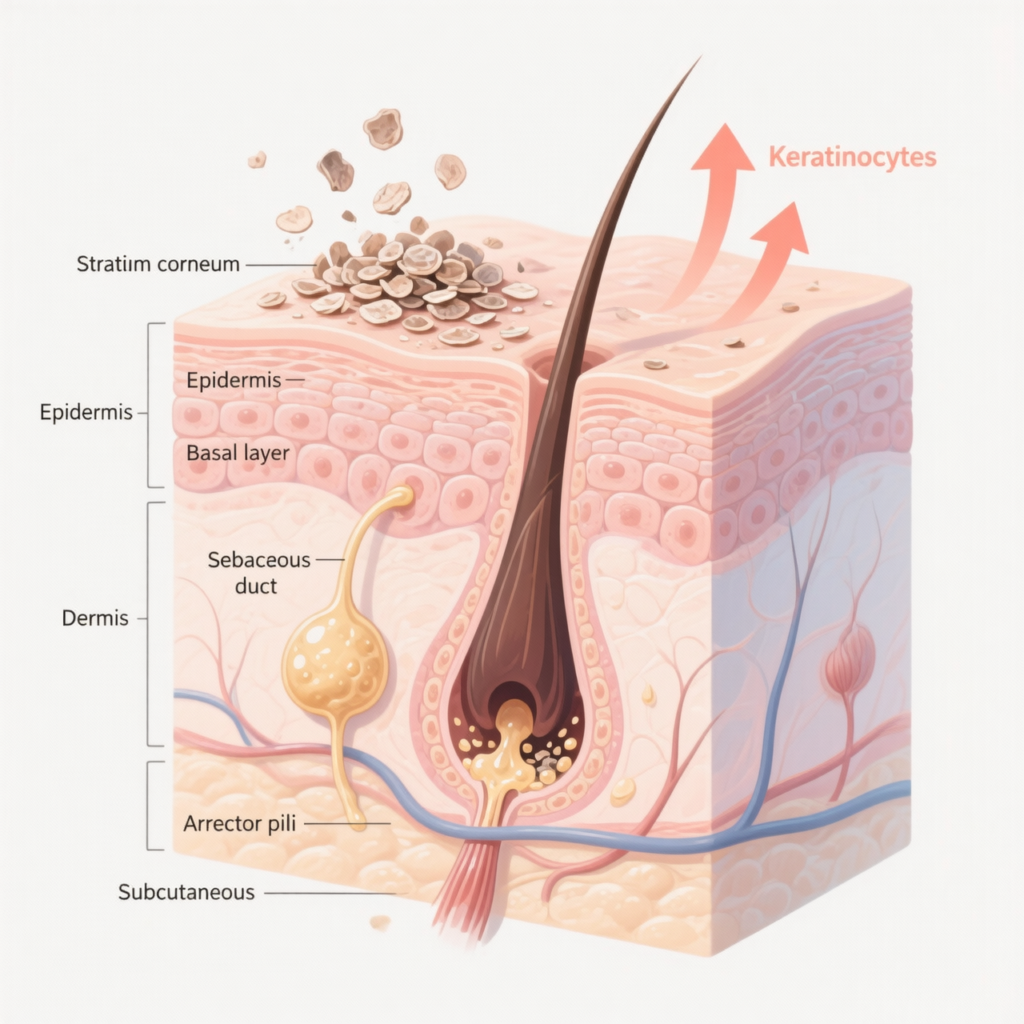
Chronic stress doesn’t just make you feel terrible—it literally changes your skin’s biochemistry. When you’re stressed, your adrenal glands release cortisol, which triggers a cascade of inflammatory responses throughout your body. Your sebaceous glands ramp up oil production, your immune system gets wonky, and inflammation increases across the board.
Here’s what frustrates me: people treat stress like it’s optional to address. “Just relax!” they say, as if that’s helpful advice. But managing stress isn’t some woo-woo wellness trend—it’s a legitimate acne treatment strategy backed by dermatological research. A study from Stanford University found that students experienced significant acne flare-ups during exam periods, directly correlating stress levels with breakout severity.
IMO, you need concrete stress management tools: regular exercise, adequate sleep (7-9 hours non-negotiable), meditation apps if that’s your thing, or therapy if stress is chronic. Check out additional strategies for managing adult acne that often has stress as a component.
Cause #5: Wrong Skincare Products
This might sting a bit, but that expensive moisturizer you love? It might be causing your jawline breakouts. Comedogenic ingredients—substances that clog pores—hide in many popular skincare products. Coconut oil, isopropyl myristate, and certain silicones are common offenders.
I’ve analyzed hundreds of skincare formulations, and the cosmetics industry has zero incentive to make this easy for you. That “non-comedogenic” label? It’s not FDA-regulated, meaning companies can slap it on basically anything. You need to become your own ingredient detective.
For jawline acne specifically, look for lightweight, oil-free formulations. Ingredients like salicylic acid, niacinamide, and retinoids should be your friends. Avoid thick, occlusive creams along your lower face, even if they work great on your cheeks. Different facial zones have different needs—treat them accordingly. Explore various acne treatment options to find what works for your specific skin chemistry.
Cause #6: Hair Products Migration
Hair products are sneaky troublemakers. That leave-in conditioner, hair oil, or styling gel doesn’t stay neatly on your hair—it migrates. When you sleep, work out, or simply move through your day, these products transfer to your pillowcase, then to your face, concentrating along the jawline and hairline.
Many hair products contain heavy oils, silicones, and fragrances that spell disaster for acne-prone skin. The fix is straightforward but requires discipline: pull your hair back when applying products, ensure everything is fully absorbed before bed, and wash your pillowcases twice weekly minimum. If you have long hair, consider a silk or satin pillowcase—they’re less absorbent than cotton, reducing product transfer.
This dermatologist breaks down the hormonal acne mechanism with actual clinical evidence—worth watching if you want to understand what’s happening beneath your skin.
Cause #7: Unconscious Touching Habits
Be honest: how many times today have you rested your chin on your hand? Touched your jaw while thinking? Picked at a bump you felt forming? I’m not judging—we all do it. But these unconscious touching habits transfer bacteria, oil, and environmental pollutants directly to your most acne-prone zones.
A study tracking hand-to-face contact found people touch their faces an average of 23 times per hour. Every single touch is an opportunity to introduce pore-clogging substances or irritate existing inflammation. Breaking this habit requires conscious effort and usually some kind of reminder system—I’ve had clients set hourly phone alerts just to check in with their hands.
The psychological component matters too. Skin-picking disorder (excoriation) can masquerade as “just popping a few pimples” but actually perpetuates the acne cycle through trauma and scarring. If you find yourself obsessively picking, consider talking to a therapist who specializes in body-focused repetitive behaviors.
Cause #8: Bacterial Overgrowth
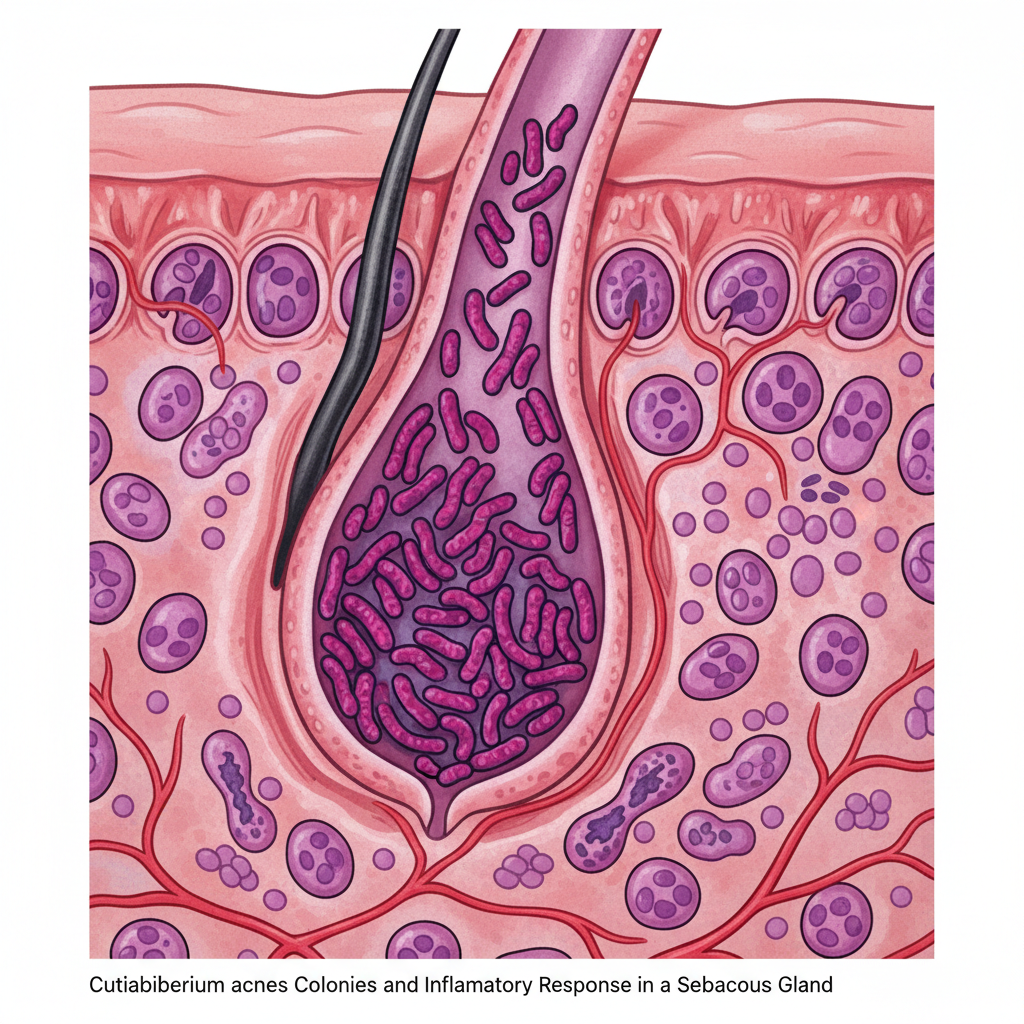
Cutibacterium acnes (formerly Propionibacterium acnes) lives on everyone’s skin, but when conditions are right—excess oil, clogged pores, weakened skin barrier—it proliferates into acne-causing colonies. Your jawline’s oil-rich environment makes it prime real estate for bacterial overgrowth.
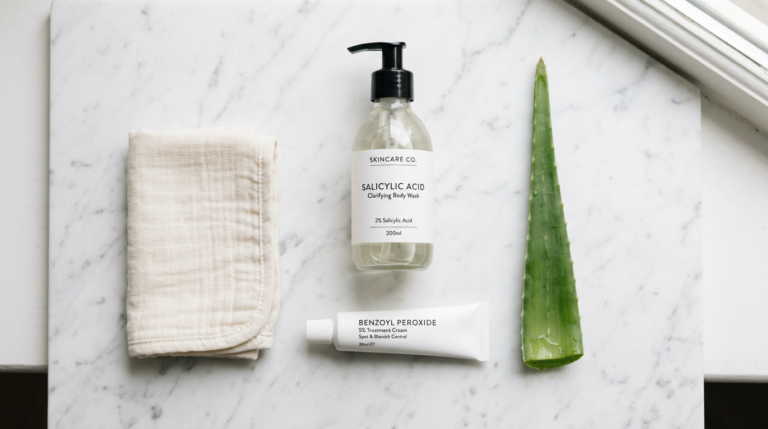
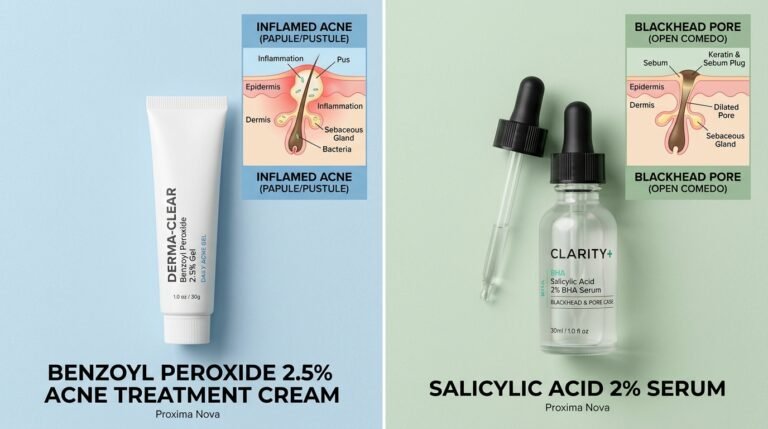
This is where targeted acne treatment ingredients earn their keep. Benzoyl peroxide kills bacteria through oxidation (though it can be harsh—start with lower concentrations). Salicylic acid helps prevent the clogged pores bacteria love. Retinoids normalize cell turnover to prevent the buildup that creates bacterial breeding grounds.
But here’s the thing: you can’t sterilize your skin, nor should you try. Your skin microbiome needs balance, not annihilation. Overly aggressive cleansing or antibiotic overuse can destroy beneficial bacteria, making the problem worse long-term. For specific concerns beyond acne, explore these common skin concerns and their targeted approaches.
Cause #9: Underlying Medical Conditions
Sometimes jawline acne is a symptom, not the disease itself. Conditions like polycystic ovary syndrome (PCOS), thyroid disorders, or adrenal dysfunction manifest through persistent hormonal acne. PCOS affects up to 10% of women of reproductive age and commonly presents with treatment-resistant jawline breakouts accompanied by irregular periods, unwanted hair growth, and difficulty managing weight.
If you’ve tried everything—proper skincare routine, dietary changes, stress management—and your jawline acne persists, push for comprehensive blood work. Test your androgens (testosterone, DHEA-S), thyroid function (TSH, T3, T4), and possibly insulin resistance markers. Too many dermatologists just throw prescriptions at symptoms without investigating underlying causes.
I’ve seen countless cases where treating the underlying condition (whether through metformin for PCOS, thyroid medication, or other interventions) resolved acne that had been “stubborn” for years. Your skin is an organ that reflects your internal health—sometimes you need to look deeper than the surface. The CDC provides resources on PCOS recognition and management if this resonates with you.
Frequently Asked Questions
Why does jawline acne keep coming back?
Jawline acne frequently recurs because it’s often hormonal acne driven by fluctuating androgens that stimulate oil glands along the chin and jaw. Environmental triggers like phone contact, mask-wearing, and repetitive touching compound the problem. Without addressing the root hormonal cause or eliminating ongoing triggers, topical treatments only provide temporary relief.
Is jawline acne always hormonal?
Not always. While hormonal fluctuations are a primary cause, jawline acne can also stem from mechanical friction, skincare product reactions, dietary triggers, or bacterial overgrowth. A proper diagnosis requires examining your specific triggers—track when breakouts occur, what you’ve eaten, products you’ve used, and where you are in your menstrual cycle if applicable.
What’s the fastest way to treat jawline acne?
Target stubborn acne with a combination approach: salicylic acid or benzoyl peroxide for bacterial control, retinoids to prevent clogged pores, and potentially hormonal treatments like spironolactone if your dermatologist confirms hormonal involvement. Spot treatments with sulfur or tea tree oil can reduce individual lesions, but sustainable clear skin tips require addressing underlying causes, not just symptoms.
Can diet really affect jawline acne?
Absolutely. High-glycemic foods spike insulin, which increases androgen production and oil secretion. Dairy contains hormones that can interfere with your own hormonal balance. While diet alone doesn’t “cause” acne, it significantly influences inflammation and hormone levels that directly affect breakout severity. Elimination diets help identify your personal triggers.
How long does it take to clear jawline acne?
Realistic timeline: 6-12 weeks for noticeable improvement with consistent treatment, 3-6 months for significant clearing. Anyone promising overnight results is selling you something. Skin cell turnover takes approximately 28 days, and deeper cystic lesions take even longer to heal. Patience and consistency beat expensive miracle products every time.
My Top Recommended Gear
After years of research and testing, these are the products I consistently recommend for managing jawline acne. I’ve personally evaluated hundreds of options, and these deliver results without the BS marketing fluff.
- Salicylic Acid Cleanser
A quality salicylic acid face wash (2% concentration) exfoliates inside pores to prevent the clogs that lead to jawline breakouts. Use once daily to start, increasing to twice if your skin tolerates it. Look for formulations without harsh sulfates that strip your skin barrier. - Retinol Treatment Serum
Retinoids remain the gold standard for acne prevention and treatment. They normalize cell turnover, prevent clogged pores, and reduce inflammation. Start with a lower concentration (0.25-0.5%) and work up. Apply at night, and for the love of clear skin, use sunscreen during the day. - Silk Pillowcases
This isn’t just luxury—silk’s smooth surface reduces friction and absorbs less moisture and product than cotton, minimizing bacterial transfer and irritation while you sleep. Wash weekly in gentle detergent to maintain the acne-preventing benefits.
Disclaimer: This post contains affiliate links. As an Amazon Associate, I may earn a commission from qualifying purchases at no additional cost to you.