How to Repair a Damaged Skin Barrier Safely
If you’re dealing with a damaged skin barrier, I need to tell you something upfront: this isn’t just about slapping on some moisturizer and calling it a day. Learning how to repair a damaged skin barrier requires understanding what went wrong, why your skin is basically screaming at you, and implementing a strategic approach that actually respects your skin’s biology. I’ve spent years watching people overcomplicate this process or, worse, make their barrier damage even worse with well-intentioned but misguided advice. Here’s the truth: your skin barrier is the unsung hero of your entire complexion, and when it’s compromised, everything from acne to premature aging becomes exponentially worse.
The problem? Most people don’t realize they’ve damaged their barrier until they’re stuck in a cycle of dry irritated skin, persistent redness, and products that suddenly burn on contact. You might’ve gone overboard with exfoliants, tried that trendy new acid everyone’s raving about, or simply stripped your skin down with harsh cleansers. Now you’re paying the price, and your skincare routine feels like punishment rather than self-care.
But here’s the good news: I’m going to walk you through exactly how to reverse this damage, restore your skin’s protective functions, and build a barrier healing protocol that actually works.
Table of Contents
- What Is Your Skin Barrier (And Why Should You Care)?
- Signs Your Skin Barrier Is Screaming for Help
- What Actually Damages Your Skin Barrier
- The Science-Backed Repair Strategy
- Your Exact Barrier-Repair Skincare Routine
- What to Absolutely Avoid During Recovery
- Realistic Timeline: When Will You See Results?
- Frequently Asked Questions
- My Top Recommended Gear
What Is Your Skin Barrier (And Why Should You Care)?
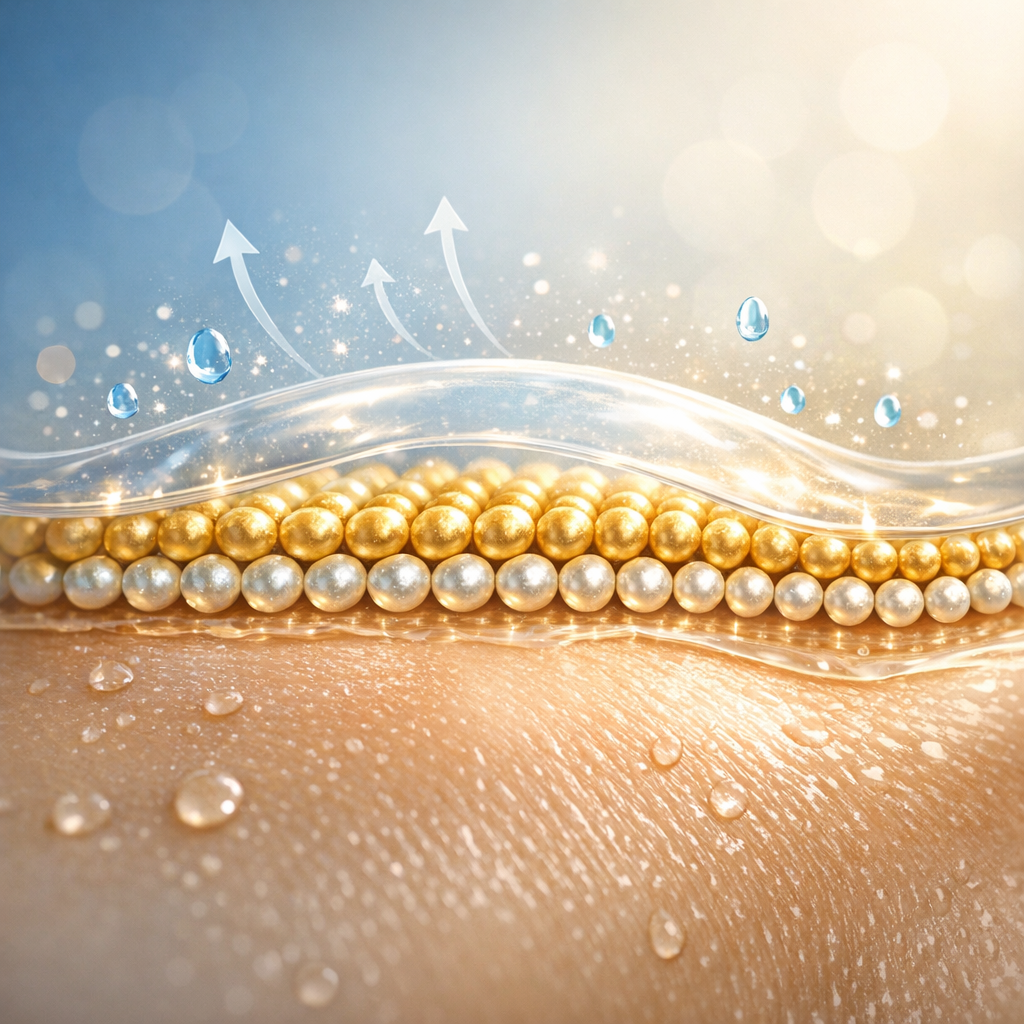
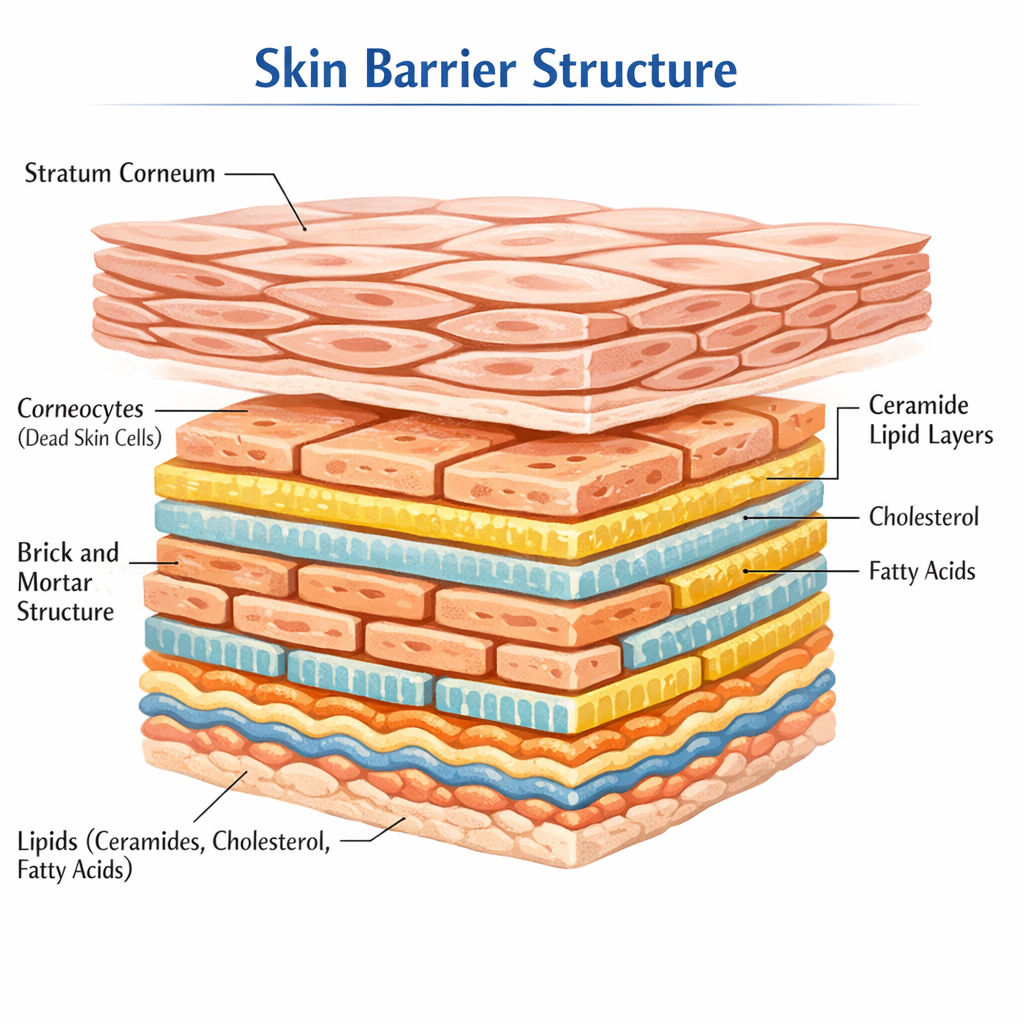
Your skin barrier—technically called the stratum corneum—is the outermost layer of your epidermis. Think of it as a brick wall where the “bricks” are dead skin cells (corneocytes) and the “mortar” is a complex mixture of lipids: ceramides, cholesterol, and fatty acids. According to research published by the National Institutes of Health, this structure is responsible for preventing water loss and blocking environmental irritants, allergens, and pathogens from penetrating deeper skin layers.
When this barrier functions properly, your skin stays hydrated, resilient, and healthy. When it’s compromised? All hell breaks loose. You’ll experience transepidermal water loss (TEWL), increased sensitivity, inflammation, and a vulnerability to everything from various skin concerns to infections.
Signs Your Skin Barrier Is Screaming for Help
The first step in skin barrier repair is recognizing the problem. I’ve compiled the most common symptoms based on clinical observations and peer-reviewed dermatological literature:
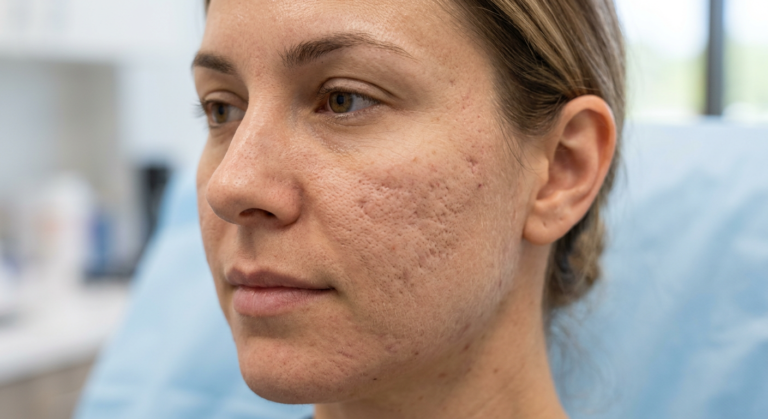
- Persistent Redness: Not just after cleansing, but chronic inflammation that won’t calm down
- Intense Dryness and Flaking: No matter how much moisturizer you apply, your skin feels tight and dehydrated
- Stinging or Burning: Products that never bothered you before suddenly feel like acid on your face
- Increased Sensitivity: Temperature changes, wind, or even water cause discomfort
- Texture Changes: Rough, uneven patches or uneven skin texture appearing out of nowhere
- Breakouts in Unusual Patterns: Your skin might develop different types of acne as its defense mechanisms fail
- Slow Healing: Cuts, blemishes, or irritation taking forever to resolve
If you’re nodding along to three or more of these, your barrier is definitely compromised. Time to take action.
What Actually Damages Your Skin Barrier
Let me bust a myth right here: it’s not just “harsh products” that wreck your barrier. I’ve seen people damage their skin with supposedly gentle routines because they misunderstood frequency, layering, or their skin’s actual tolerance levels.
The most common culprits include:
- Over-Exfoliation: Using AHAs, BHAs, retinoids, or physical scrubs too frequently or at too high concentrations
- Aggressive Cleansing: Foaming cleansers with high pH levels or sulfates strip your natural lipid barrier
- Climate Extremes: Low humidity, harsh winters, or excessive sun exposure deplete barrier lipids
- Hot Water: Long, hot showers dissolve the lipid layer faster than you can say “damaged skin barrier”
- Underlying Conditions: Eczema, psoriasis, or rosacea inherently compromise barrier function
- Product Incompatibility: Mixing actives incorrectly or using formulations with drying alcohols
- Stress and Diet: Chronic stress and inflammatory diets impact your skin’s ability to maintain its barrier
The American Academy of Dermatology emphasizes that identifying your specific trigger is crucial for preventing future damage while you work on repair.
The Science-Backed Repair Strategy
Here’s where I get practical. Barrier healing isn’t mystical—it’s straightforward biology. Your goal is to temporarily reduce anything that causes irritation while flooding your skin with the building blocks it needs to reconstruct that lipid matrix.
The three-pillar approach I recommend:
Pillar 1: Eliminate All Irritants
This is non-negotiable. You need to strip your routine down to absolute basics. That means pausing all actives—yes, including your beloved retinol, vitamin C, and any acids. I know this sounds dramatic, but continuing to use active acne treatments while your barrier is compromised is like trying to heal a cut while repeatedly reopening it.
Pillar 2: Replenish Barrier Lipids
You need products that contain the exact lipids your barrier requires: ceramides, cholesterol, and free fatty acids in the optimal 3:1:1 ratio. Research from the Journal of the American Academy of Dermatology confirms this ratio accelerates barrier recovery significantly.
Key ingredients to seek out:
- Ceramides (especially Ceramides 1, 3, and 6-II): These are the primary lipids in your barrier
- Niacinamide: Stimulates ceramide production and reduces inflammation
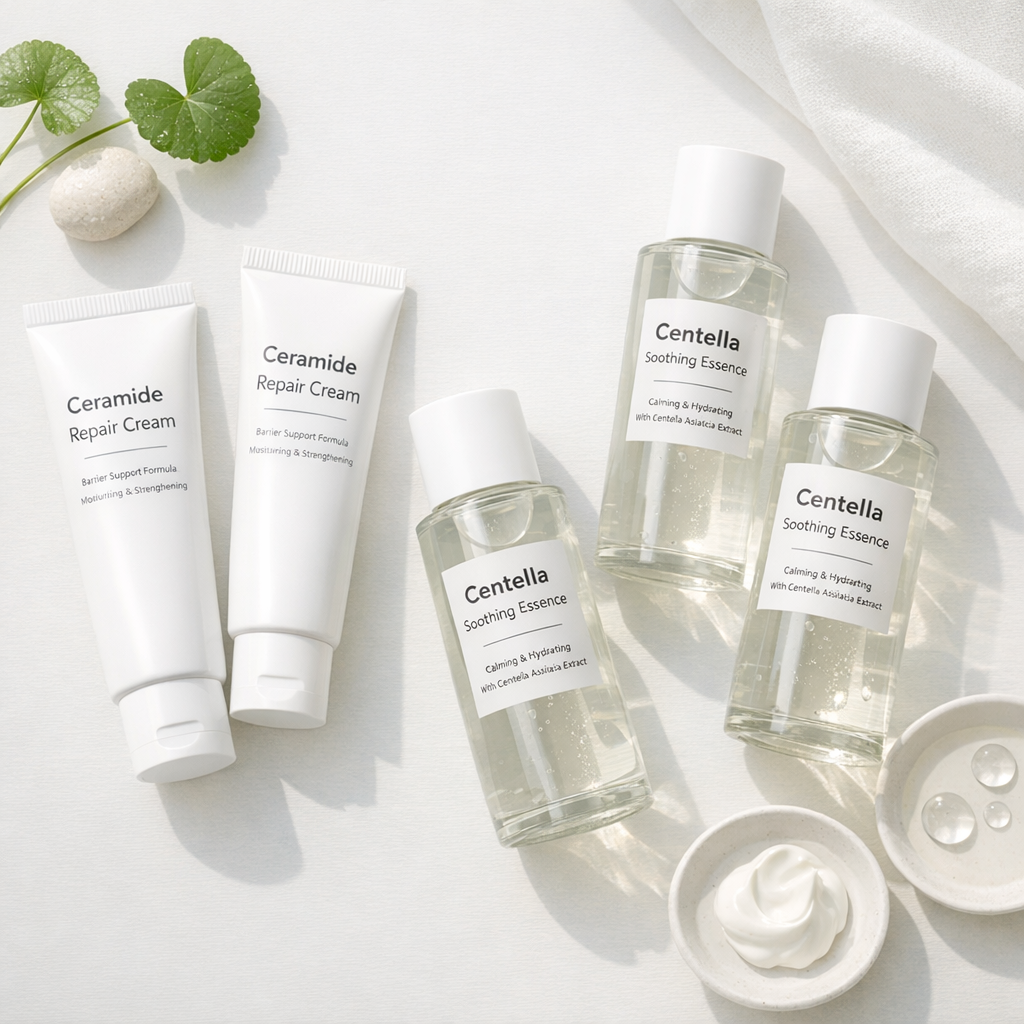
- Centella Asiatica: Accelerates wound healing and barrier restoration
- Hyaluronic Acid: Pulls moisture into skin (when applied to damp skin)
- Squalane: Mimics your natural sebum without clogging pores
Pillar 3: Protect and Seal
You need occlusive ingredients that create a protective seal, preventing transepidermal water loss while your barrier rebuilds. Think petrolatum, dimethicone, or plant-based alternatives like shea butter.
Your Exact Barrier-Repair Skincare Routine
Alright, let’s get specific. This is the exact skincare routine I recommend during active barrier repair—typically lasting 3-4 weeks minimum:
Morning Routine
- Gentle Cleanse: Use a creamy, pH-balanced cleanser (around 5.5) or just rinse with lukewarm water if your skin is extremely sensitive
- Hydrating Toner: Apply a soothing, alcohol-free toner with humectants to damp skin
- Barrier-Repair Serum: Layer a product rich in ceramides and niacinamide
- Moisturizer: Choose a formula specifically designed for dry or sensitive skin with occlusive properties
- SPF: Non-negotiable. Use a mineral sunscreen (zinc oxide or titanium dioxide) as chemical filters can irritate compromised barriers
Evening Routine
- Oil Cleanse (if wearing sunscreen/makeup): Gently emulsify and rinse
- Gentle Cleanse: Same pH-balanced cleanser from morning
- Hydrating Toner: Reapply to damp skin
- Barrier-Repair Serum: Double up on ceramides and healing actives like centella
- Rich Moisturizer: Go heavier at night—this is when your skin does most of its repair work
- Occlusive Layer: Seal everything with a thin layer of petrolatum-based ointment or a sleeping mask
For those dealing with concurrent breakouts (which is common with barrier damage), check out options for the best moisturizer for oily acne-prone skin that won’t compromise your healing process.
Weekly Additions
Once or twice weekly, consider a barrier-repair sheet mask or a deeply hydrating overnight treatment. Nothing with actives—just pure hydration and lipid replenishment.
This dermatologist breaks down the exact science behind barrier repair with clinical evidence and product recommendations worth your time.
What to Absolutely Avoid During Recovery
IMO, this section is just as important as what you should do. Here’s my no-BS list of barrier-killers you need to eliminate:
- All Acids: AHAs, BHAs, PHAs—all of them. Put them away for at least 3-4 weeks
- Retinoids: Including retinol, tretinoin, adapalene, and retinaldehyde
- Vitamin C: Even though it’s an antioxidant, the acidic pH can irritate compromised barriers
- Physical Exfoliation: No scrubs, brushes, or anything abrasive
- Fragrance: Both synthetic and natural fragrances (including essential oils) can trigger inflammation
- Alcohol Denat: This drying alcohol appears in many toners and astringents
- Hot Water: Stick to lukewarm temperatures for cleansing
- Over-Cleansing: Twice daily maximum; skip morning cleanse if your skin feels tight
If you’re dealing with post-acne hyperpigmentation or dark marks after acne, I know it’s tempting to keep using actives. But trust me—repairing your barrier first will make those treatments significantly more effective later.
Realistic Timeline: When Will You See Results?
Let’s talk expectations because unrealistic timelines are a major reason people abandon sensitive skin care protocols prematurely.
Week 1: You might feel worse before better. Your skin is adjusting to the lack of actives, and initial tightness is normal. Focus on consistency.
Week 2: Stinging and burning should start decreasing. You’ll notice products absorb better and don’t cause immediate reactions.
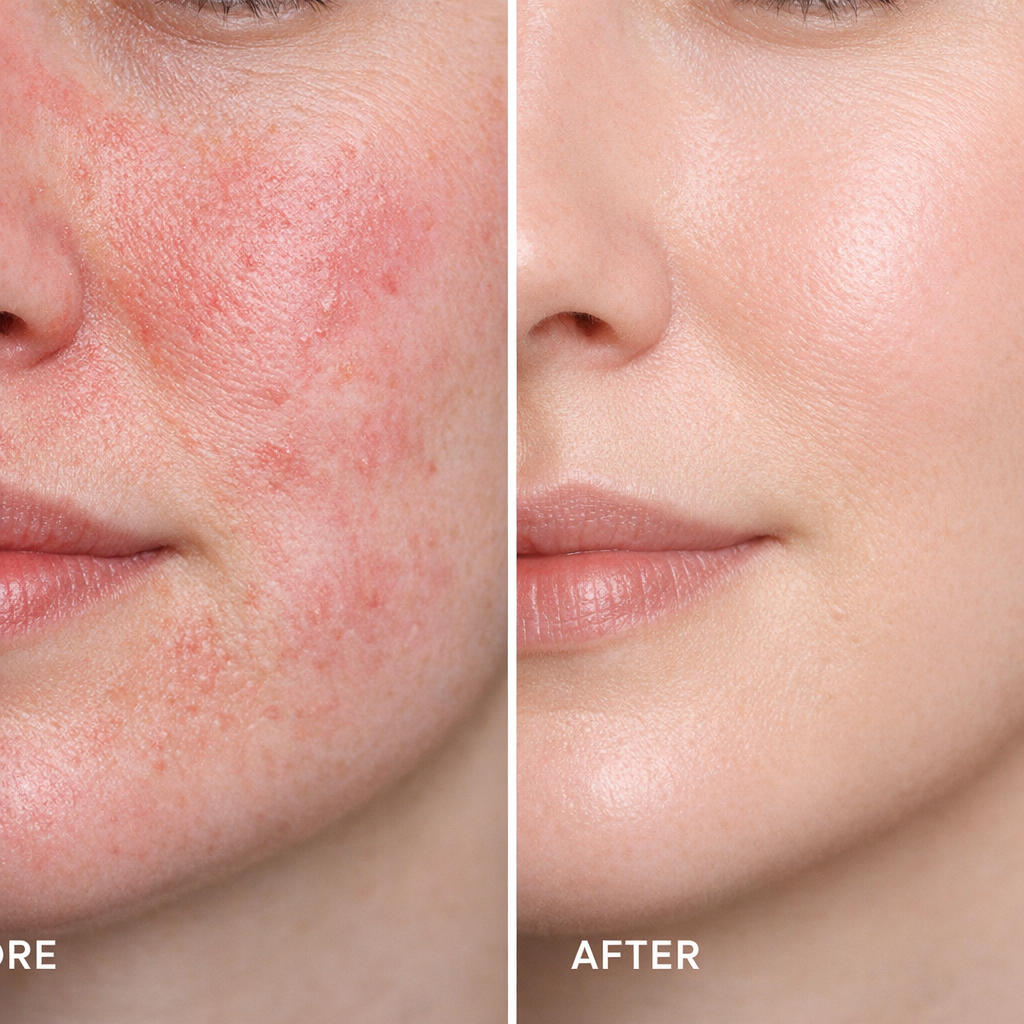
Week 3-4: Visible improvements emerge. Redness calms, flaking decreases, and your skin feels more comfortable. This is when most people with mild-to-moderate damage see substantial recovery.
Week 6-8: For severe barrier damage, you’re looking at this extended timeline before you can cautiously reintroduce gentle actives.
Your skin’s natural cell turnover cycle is roughly 28 days, so give your barrier at minimum one full cycle to rebuild. If you’re working through acne scars or need to differentiate between acne scars vs dark marks, understanding this timeline helps you sequence treatments appropriately.
Frequently Asked Questions
How long does it take to repair a damaged skin barrier?
Typically, skin barrier repair takes 2-4 weeks with consistent care. Mild damage may heal in 7-10 days, while severe barrier disruption can require 6-8 weeks of dedicated treatment. The timeline depends on damage severity, your age, overall health, and how strictly you follow barrier-supportive protocols.
What are the signs of a damaged skin barrier?
Common signs include persistent redness, flaking, tightness, stinging when applying products, increased sensitivity to environmental factors, dry patches that don’t respond to moisturizer, and inflammation that won’t resolve with normal skincare. You might also experience more frequent breakouts or slower healing of minor skin injuries.
Can I use retinol with a damaged skin barrier?
Absolutely not. Retinol and other active ingredients should be completely paused during barrier repair. These actives increase cell turnover and can exacerbate barrier dysfunction. Resume actives only after your skin returns to normal tolerance levels, typically 3-4 weeks minimum. Start slowly with lower concentrations when you do reintroduce them.
What ingredients repair the skin barrier fastest?
Ceramides, cholesterol, fatty acids (in the 3:1:1 ratio), niacinamide, and centella asiatica are clinically proven to accelerate barrier repair. Look for products combining multiple barrier-repairing lipids for optimal results. Humectants like hyaluronic acid and glycerin also support hydration, while occlusives like petrolatum seal everything in.
Should I stop using all skincare products?
No, but you should dramatically simplify. You still need gentle cleansing, hydration, barrier-repair actives, moisturizer, and sun protection. The key is eliminating irritants and exfoliants while focusing exclusively on redness relief and restoration. A minimalist routine is actually more effective during this phase.
Can diet affect skin barrier recovery?
Yes. Your skin barrier requires essential fatty acids, vitamins, and antioxidants to rebuild effectively. A diet rich in omega-3s, vitamin E, zinc, and antioxidants supports barrier function. Conversely, excessive sugar, alcohol, and inflammatory foods can slow recovery. Hydration is equally critical—aim for adequate water intake daily.
My Top Recommended Gear
Based on years of testing and clinical evidence, here are my top product recommendations for effective barrier repair:
1. Barrier-Repair Moisturizers
Look for ceramide-rich formulations that combine multiple lipid types. These products typically contain the optimal ratio of barrier-building ingredients and provide both immediate relief and long-term restoration.
Shop Barrier-Repair Moisturizers on Amazon
2. Gentle pH-Balanced Cleansers
A low-pH, sulfate-free cleanser is essential during recovery. These formulations clean effectively without stripping your already compromised lipid layer, making them perfect for sensitive skin care routines.
Shop Gentle Cleansers on Amazon
3. Centella Asiatica Serums
Centella-based serums provide anti-inflammatory benefits and accelerate healing. These are particularly effective for calming redness and supporting the skin’s natural repair mechanisms during barrier recovery.
Shop Centella Serums on Amazon
Look, repairing a damaged skin barrier isn’t glamorous, and it requires patience that our instant-gratification culture doesn’t really encourage. But here’s what I know after years in this field: your barrier is the foundation of every healthy skin tip you’ll ever implement. Get this right, and everything else—from anti-aging to acne treatment to achieving that coveted glow—becomes exponentially easier.
The protocol I’ve outlined works. I’ve seen it transform skin that looked beyond repair into resilient, healthy tissue that can actually tolerate effective treatments again. Start with the basics outlined in this comprehensive guide to getting started, commit to the timeline, resist the temptation to reintroduce actives too early, and trust the process.
Your skin has an incredible capacity to heal when you give it the right conditions. Stop fighting against it, start working with it, and watch your barrier—and your entire complexion—transform. 🙂
Disclaimer: This post contains affiliate links. As an Amazon Associate, I may earn a commission from qualifying purchases at no additional cost to you.