Gel vs Cream Acne Treatments: Powerful Differences That Actually Matter
Here’s a frustrating reality about gel vs cream acne treatments: most people pick the wrong one. They grab whatever’s on sale, slap it on their face, and wonder why their skin looks worse three weeks later. I’ve spent over a decade watching this pattern repeat, and honestly? It’s completely preventable.
The vehicle—that’s the fancy term for gel or cream formulation—can make or break your results. I’ve seen people switch from a cream to a gel version of the exact same active ingredient and finally clear their skin after years of struggle. That’s not magic; that’s understanding how your skin actually works.
If you’re just starting your acne treatment journey, I recommend checking out our comprehensive beginner’s guide before reading further. Context matters.
Table of Contents
- What Actually Makes Gels and Creams Different
- The Skin Type Matching Guide
- Active Ingredients: Same Medicine, Different Delivery
- Oily Skin Acne Treatment: Why Gels Usually Win
- Dry Skin Acne Treatment: The Cream Advantage
- Myth-Busting: What the Industry Gets Wrong
- Advanced Tactics I’ve Learned Over the Years
- Frequently Asked Questions
- My Top Recommended Gear
What Actually Makes Gel vs Cream Acne Treatments Different
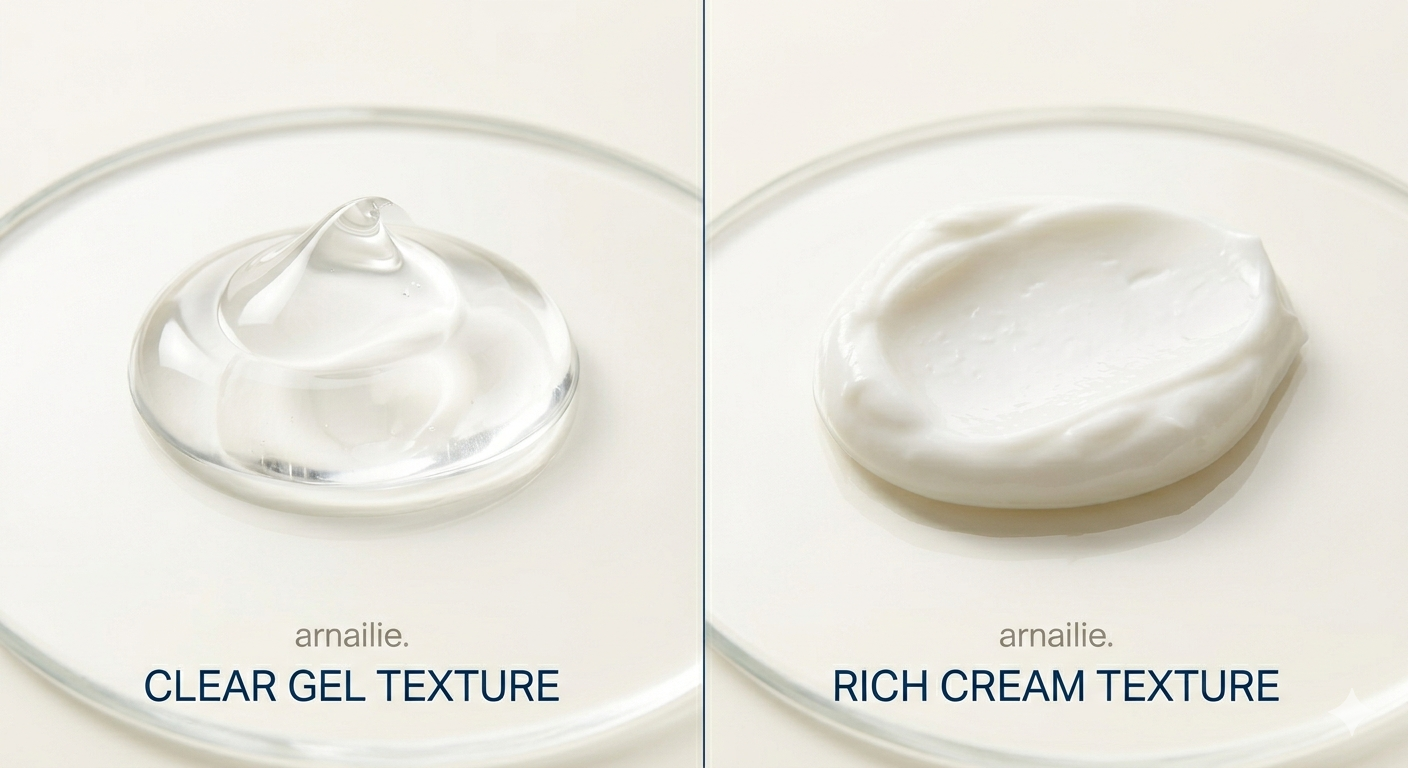
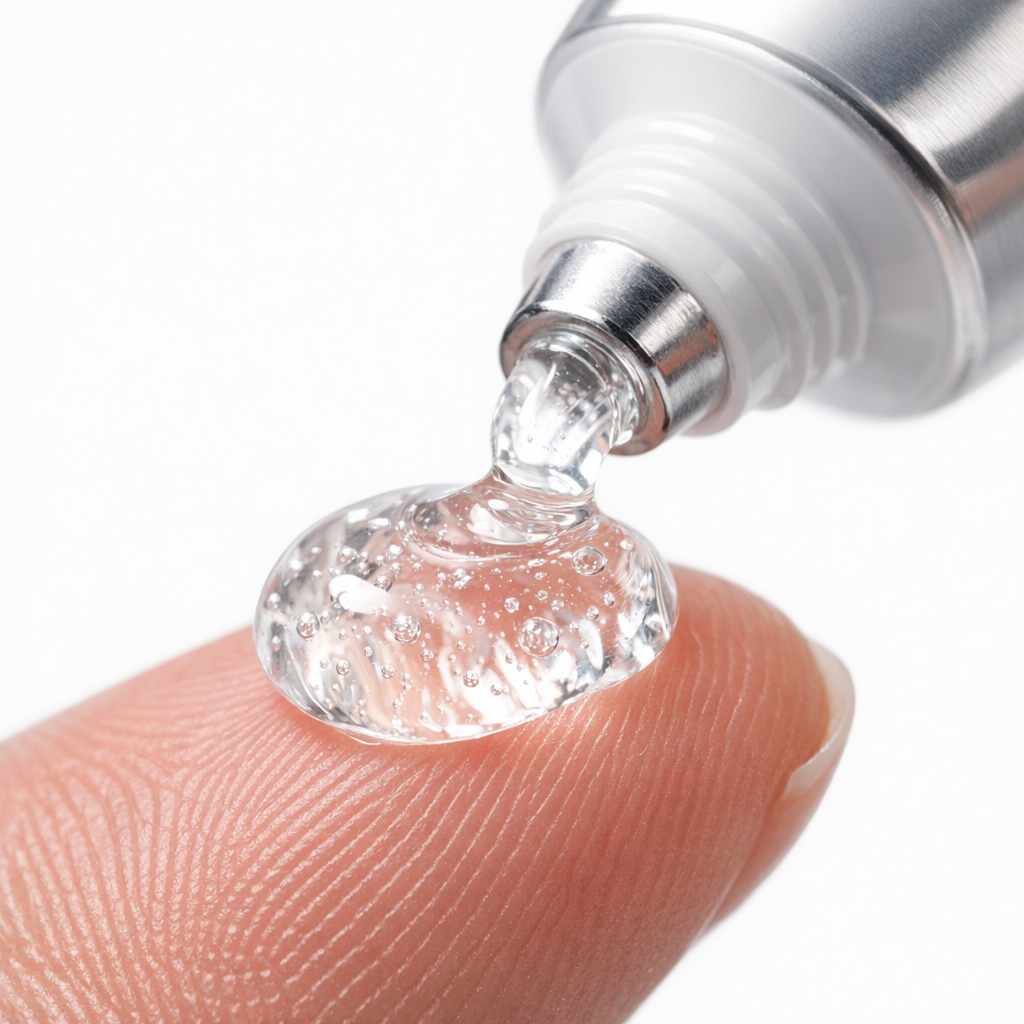
Gels use water or alcohol bases that absorb quickly and leave no residue, making them ideal for oily skin. Creams contain oil-in-water emulsions that moisturize while treating, better suited for dry or combination skin types.
Let me break down the science without putting you to sleep. When chemists formulate an acne treatment, they need a “vehicle” to carry the active ingredient into your skin. Think of it like choosing between a sports car and an SUV—both get you there, but the experience differs dramatically.
Gels typically contain:
- Water-based or alcohol-based solutions
- Carbomer polymers for texture
- Minimal to no oils or emollients
- Quick-absorbing penetration enhancers
Creams typically contain:
- Oil-in-water or water-in-oil emulsions
- Emulsifying agents like cetyl alcohol
- Occlusives and humectants for moisture
- Slower-release delivery systems
According to research published by the National Institutes of Health, the vehicle of a topical medication significantly affects both penetration and patient compliance. Translation: the wrong vehicle means worse results and you’ll probably quit using it.
The Skin Type Matching Guide
I’m going to give you the straightforward acne treatment comparison that most articles dance around. Your skin type determines about 80% of whether you should reach for a gel or cream. Here’s my honest breakdown:
Choose a GEL if you have:
- Oily skin that gets shiny by noon
- Large, visible pores (especially on nose and cheeks)
- A history of clogged pores from moisturizers
- Acne concentrated in your T-zone
- Humidity in your environment
Choose a CREAM if you have:
- Dry or dehydrated skin that feels tight
- Sensitivity or rosacea alongside acne
- Mature skin with fine lines
- Flaking or peeling from current treatments
- A cold, dry climate
For a deeper understanding of how different acne types respond to treatment, check out our complete guide to acne classifications.
Active Ingredients: Same Medicine, Different Delivery
Here’s insider knowledge most people miss: the active ingredient stays the same whether it’s in a gel or cream. Benzoyl peroxide is benzoyl peroxide. Adapalene is adapalene. What changes is how it reaches your skin and what happens after.
Let’s look at the most common acne gel and acne cream active ingredients:
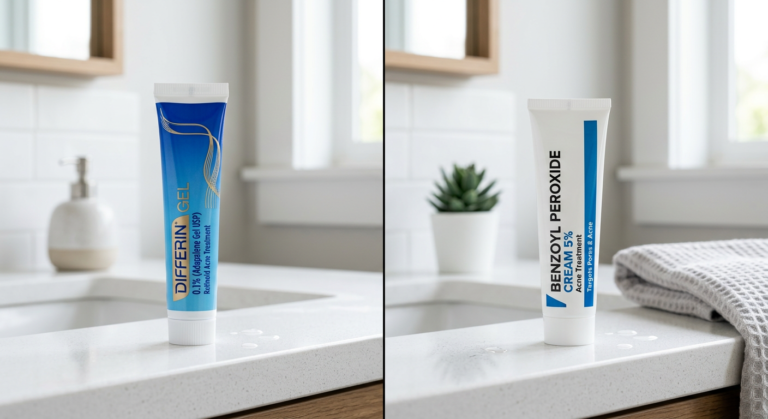
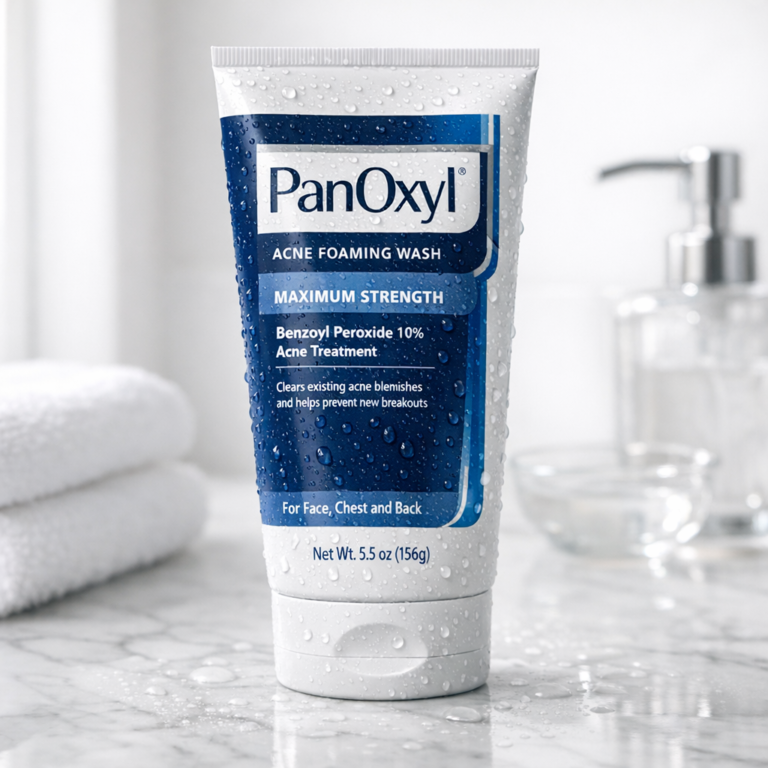
Benzoyl Peroxide: Available in both formulations. The gel version (like PanOxyl) tends to work faster on oily skin but can be more irritating. Cream versions buffer the harshness but may feel heavy.
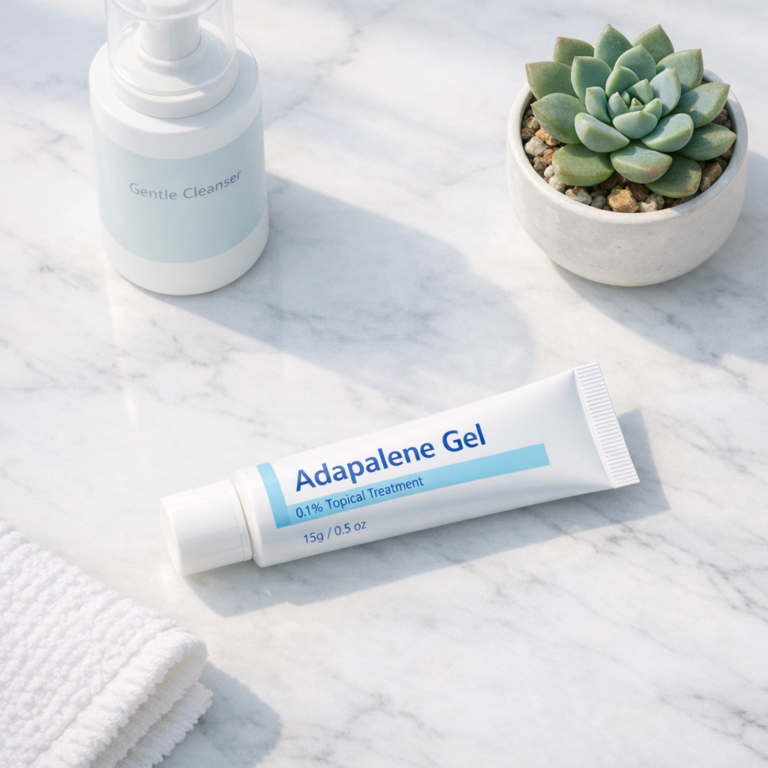
Adapalene (Differin): The Differin Gel remains the gold standard for OTC retinoid treatment. A cream version exists but I rarely recommend it for anyone under 40. The gel penetrates better and plays nicer with other products.
Salicylic Acid: Almost always better as a gel or liquid. Creams dilute the keratolytic action, and frankly, if you’re using salicylic acid, you probably have oily skin anyway. Check out our breakdown of salicylic acid vs benzoyl peroxide for more context.
The American Academy of Dermatology recommends choosing formulations based on skin tolerance, which IMO is the most sensible approach I’ve seen from a major organization.
Oily Skin Acne Treatment: Why Gels Usually Win
If your skin produces enough oil to fry an egg by 2 PM, listen up. Oily skin acne treatment requires formulations that won’t add to the grease party already happening on your face.
Gels win for oily skin because they:
- Absorb completely without residue
- Often contain mattifying agents
- Won’t clog pores (non-comedogenic by nature)
- Layer beautifully under sunscreen and makeup
- Dry quickly, so active ingredients get to work faster
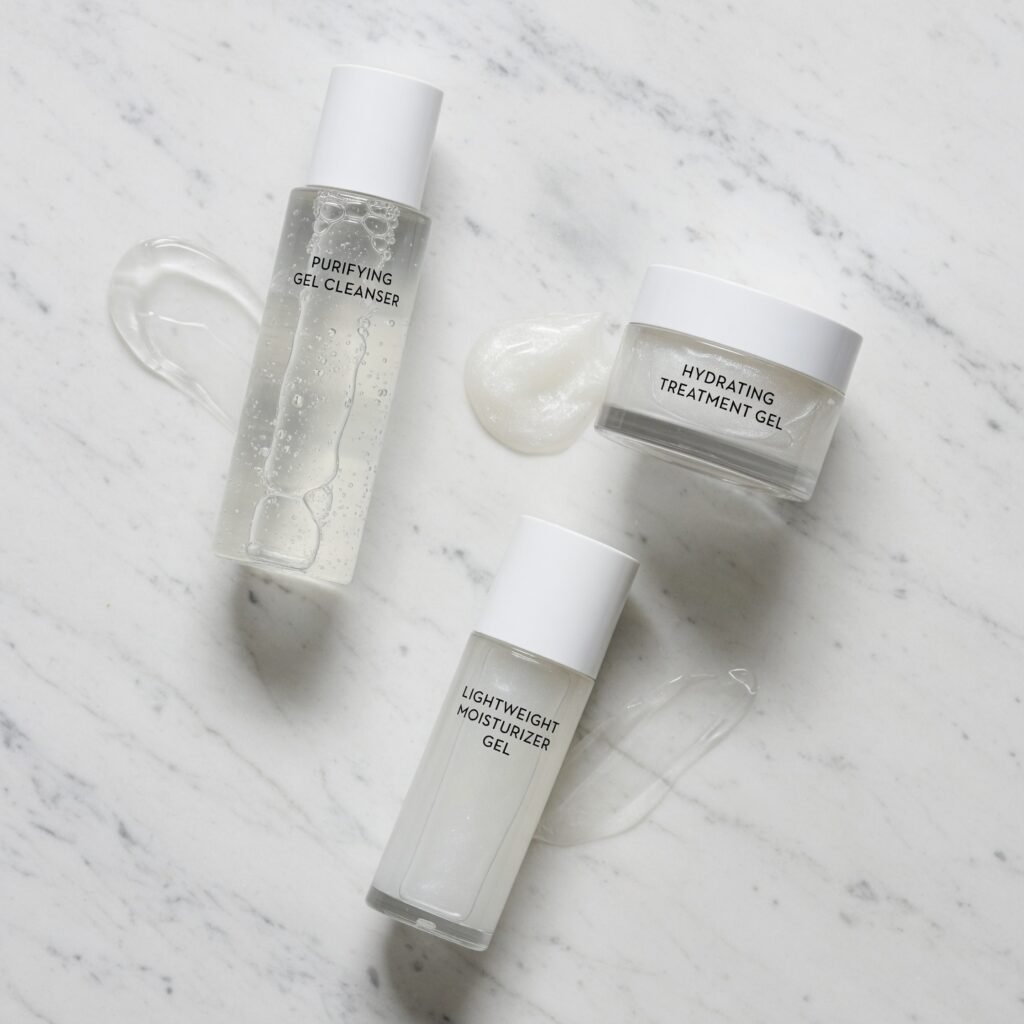
I’ve tested dozens of gel formulations over the years. The CeraVe Acne Control Cleanser remains a solid option for oily skin types who need gentle yet effective cleansing.
One caveat: alcohol-based gels can trigger rebound oil production if you overdo it. Your skin thinks it’s being stripped, so it pumps out even more sebum. Use alcohol-free gels when possible, or limit alcohol-based products to spot treatments.
Dry Skin Acne Treatment: The Cream Advantage
Having dry skin acne treatment needs feels like nature’s cruel joke. Your skin is already struggling to retain moisture, and now you need to apply ingredients that often cause more dryness? Yeah, creams become your best friend here.
The emollient base in cream formulations does double duty: it delivers the active ingredient while simultaneously repairing your moisture barrier. This is clutch for anyone using retinoids or benzoyl peroxide, both of which can turn dry skin into a flaky disaster.
Studies from PubMed research databases consistently show that cream-based retinoids cause less irritation in patients with dry or sensitive skin, leading to better long-term compliance.
For comprehensive advice on managing various skin concerns alongside acne, we’ve got you covered.
Myth-Busting: What the Industry Gets Wrong
Myth #1: “Gels are stronger than creams.”
Nope. The concentration of active ingredient determines strength, not the vehicle. A 2.5% benzoyl peroxide cream is weaker than a 10% gel, but a 10% cream would technically match the gel. Don’t confuse formulation with potency.
Myth #2: “Creams always clog pores.”
This drives me crazy 🙂 Modern cosmetic chemistry has given us non-comedogenic creams that won’t cause breakouts. Look for “oil-free” or “non-comedogenic” on labels, and you’re probably fine.
Myth #3: “You should only use one or the other.”
I use both in my routine. Gel treatment on my T-zone, cream moisturizer on my cheeks. Hybrid approaches work brilliantly once you understand your skin’s geography.
Myth #4: “Prescription gels are always better than OTC creams.”
Not necessarily. Our comparison of Differin vs benzoyl peroxide shows that OTC options can match or exceed prescription results for mild to moderate acne.
Expert Commentary: This video from a board-certified dermatologist breaks down acne treatment selection in plain language—worth watching if you’re still unsure which direction to go.
Advanced Tactics I’ve Learned Over the Years
After testing more skincare for acne products than I can count, here are strategies that actually move the needle:
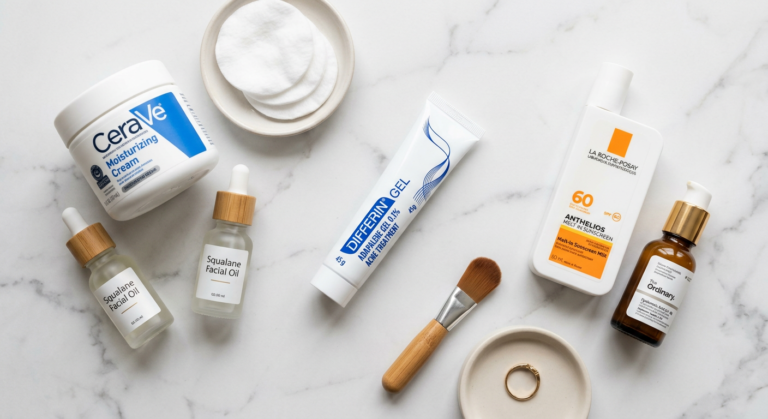
The Sandwich Method: Apply a thin layer of moisturizer, wait 5 minutes, apply your gel treatment, wait 5 minutes, apply another moisturizer layer. This buffers irritation while maintaining efficacy. Game-changer for sensitive skin using retinoids.
Seasonal Switching: I swap to cream formulations every winter and back to gels in summer. Your skin’s needs change with humidity and temperature. Adapt accordingly.
Concentration Stepping: Start with lower concentrations in cream form (gentler), then graduate to gel versions at the same concentration, then increase concentration. This ladder approach minimizes irritation while maximizing results.
The Strategic Layer: Gel underneath, cream on top. Never the reverse. Gels absorb; creams occlude. Putting cream first creates a barrier that blocks gel penetration.
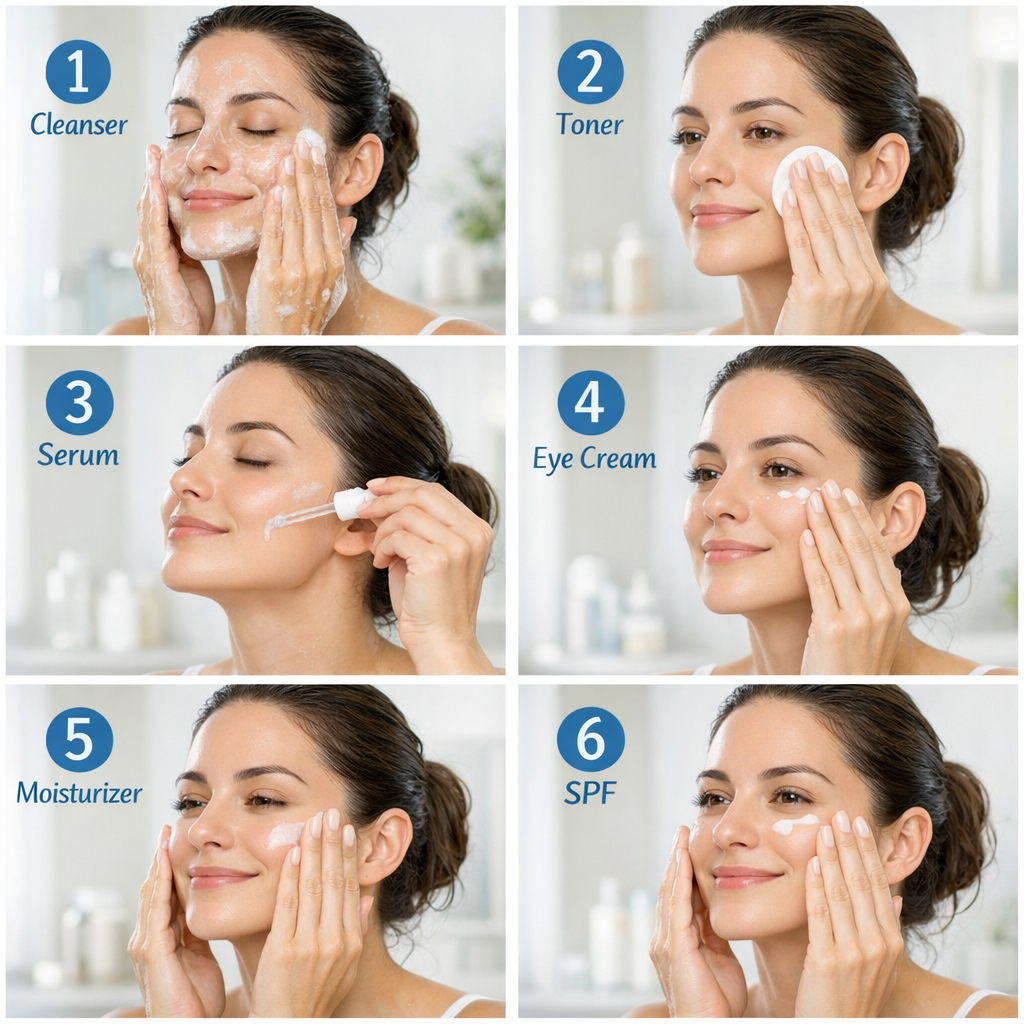
For detailed product reviews and comparisons, browse our testing database. We’ve done the legwork so you don’t waste money on products that won’t work for your skin type.
Also worth checking: our head-to-head breakdown of PanOxyl vs CeraVe Acne Cleanser if you’re deciding between these popular options.
Finding Your Best Acne Treatment
The best acne treatment isn’t about choosing the trendiest brand or the strongest formula. It’s about matching the right active ingredient, in the right vehicle, to your specific skin type.
Here’s my decision framework:
- Identify your primary skin type (oily, dry, combination, sensitive)
- Determine your acne type (inflammatory, comedonal, cystic, hormonal)
- Select an appropriate active ingredient for that acne type
- Choose gel or cream based on skin type compatibility
- Start at the lowest effective concentration
- Evaluate after 8-12 weeks before making changes
According to guidance from the U.S. Food and Drug Administration, OTC acne treatments are generally safe and effective when used as directed. The key phrase: “as directed.”
Browse our comprehensive acne treatments guide for specific recommendations based on your situation.
Frequently Asked Questions
Is gel or cream better for acne?
Gels work better for oily and acne-prone skin because they’re lightweight and non-comedogenic. Creams suit dry or sensitive skin that needs extra moisture. The best choice depends on your skin type and the active ingredient you’re using.
Can I use both gel and cream acne treatments?
Yes, you can use both in your routine. Many dermatologists recommend using a gel treatment on active breakouts and a cream moisturizer to prevent dryness. Just avoid layering two treatments with the same active ingredient.
Do gel acne treatments dry out skin more than creams?
Gels can feel more drying because they often contain alcohol and absorb quickly. However, the drying effect depends more on the active ingredient concentration than the vehicle itself. Benzoyl peroxide will dry skin whether it’s in a gel or cream.
Which is better for hormonal acne: gel or cream?
For hormonal acne, the active ingredient matters more than the formulation. Retinoids like adapalene work well for hormonal breakouts. Choose gel if you’re oily, cream if you’re dry. The vehicle delivers the medicine—it doesn’t determine effectiveness.
How long should I try a gel or cream before switching?
Give any acne treatment a minimum of 8-12 weeks before judging results. Skin cell turnover takes about 28 days, and you need multiple cycles to see real improvement. Switching too quickly is one of the most common mistakes I see.
My Top Recommended Gear
After testing hundreds of products, these consistently deliver results across different skin types:
- For Oily Skin Gel Treatment: Differin Adapalene Gel 0.1% – The OTC retinoid that changed the game. Perfect for acne-prone oily skin.
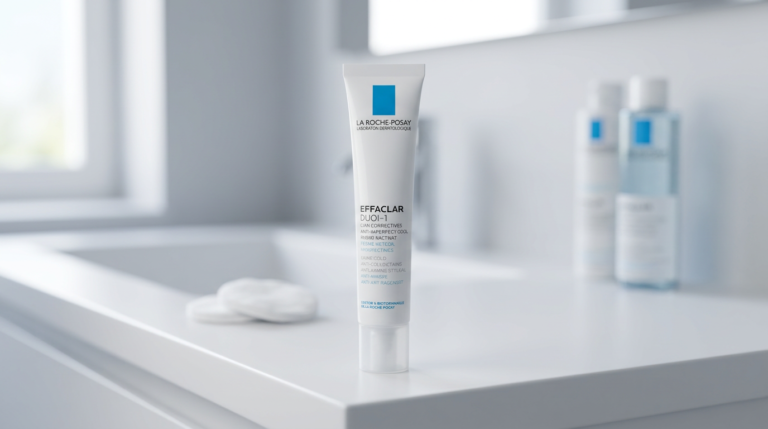
- For Dry Skin Cream Treatment: La Roche-Posay Effaclar Duo Acne Treatment Cream – Benzoyl peroxide in a moisturizing base that won’t wreck dry skin.
- Universal Cleanser: CeraVe Acne Foaming Cream Cleanser – Benzoyl peroxide with ceramides. Works for most skin types without over-stripping.
Disclaimer: This post contains affiliate links. As an Amazon Associate, I may earn a commission from qualifying purchases at no additional cost to you.