Differin vs Benzoyl Peroxide: Which Is Better for Your Acne??
So you’re staring at the skincare aisle, comparing Differin vs benzoyl peroxide, and wondering which one will actually clear your skin without turning your face into a flaky disaster. I get it. After a decade of helping people navigate acne treatments, I’ve watched countless people grab the wrong product and make their breakouts worse. The frustration is real—you spend money, wait weeks, and end up with the same stubborn pimples plus irritation. Here’s the thing: both ingredients work, but they work very differently. Choosing the right one depends on your specific acne type, skin sensitivity, and goals. Let me break down exactly what you need to know.
Table of Contents
- The Quick Answer: Differin vs Benzoyl Peroxide
- How Each Ingredient Actually Works
- Which One Matches Your Acne Type?
- Side Effects: The Honest Truth
- Using Both Together: The Power Move
- Sensitive Skin Acne Considerations
- Frequently Asked Questions
- My Top Recommended Gear
The Quick Answer: Differin vs Benzoyl Peroxide
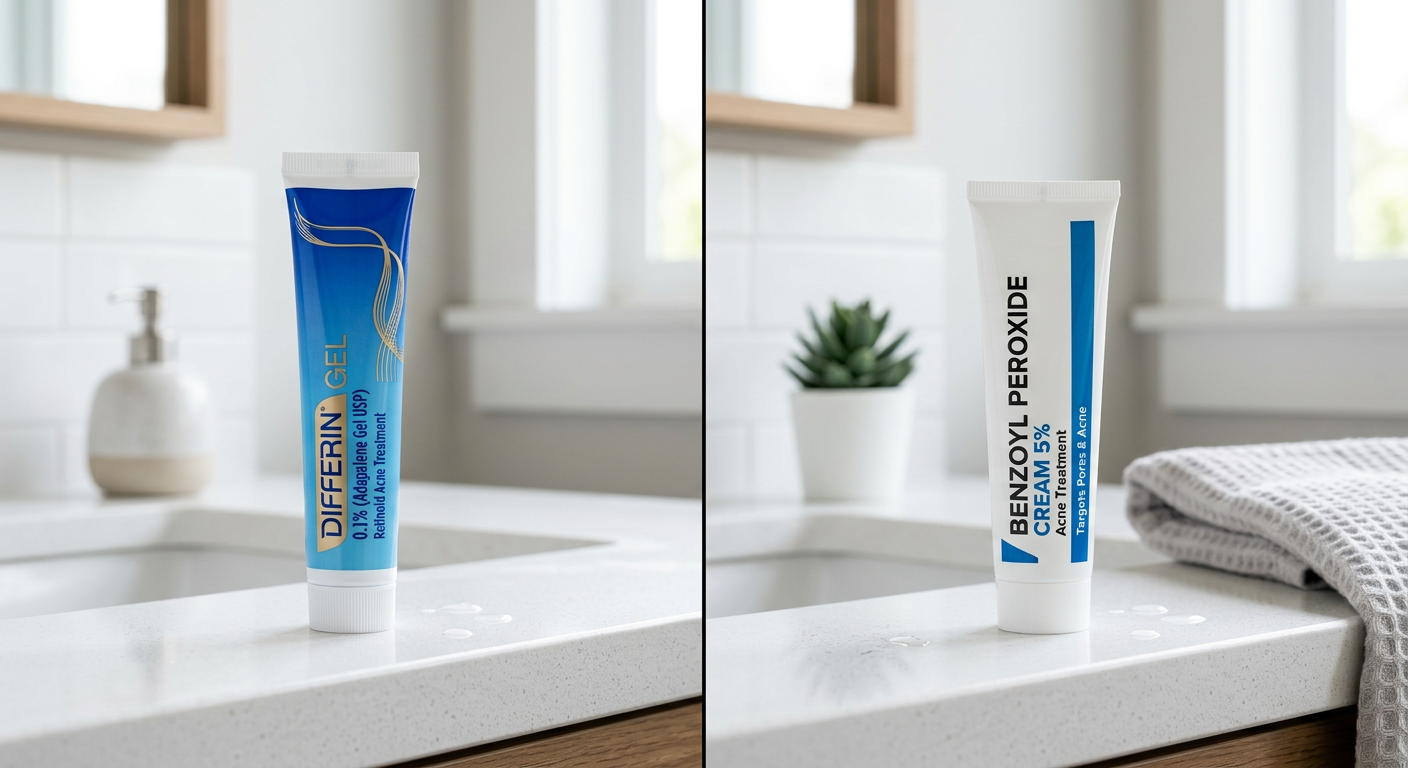
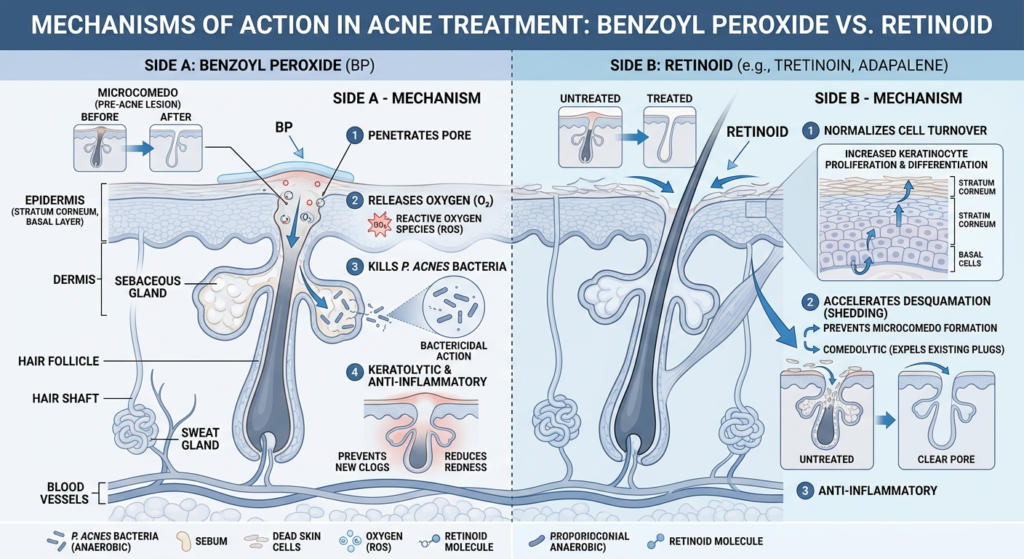
Benzoyl peroxide kills acne-causing bacteria quickly and treats active pimples, making it ideal for inflammatory acne. Differin (adapalene) is a retinoid that prevents new breakouts by regulating skin cell turnover, making it better for long-term acne prevention and treating comedonal acne like blackheads and whiteheads.
But here’s what nobody tells you: the “better” option completely depends on what you’re dealing with right now. Got angry red pimples that appeared overnight? Benzoyl peroxide is your friend. Dealing with persistent blackheads and want to prevent future breakouts? Differin is the smarter long-game play. I’ve seen too many people grab benzoyl peroxide for clogged pores and wonder why they’re still bumpy six weeks later.
How Each Ingredient Actually Works
Benzoyl Peroxide: The Bacteria Killer
Benzoyl peroxide is essentially oxygen in a bottle—it releases oxygen into your pores, and Cutibacterium acnes (the bacteria behind inflammatory acne) absolutely hates oxygen. According to the American Academy of Dermatology, benzoyl peroxide is one of the most effective over-the-counter acne treatments available. It also has mild comedolytic properties, meaning it can help break down the gunk clogging your pores.
The beauty of BP? Bacteria can’t develop resistance to it. Unlike antibiotics (looking at you, clindamycin), you can use benzoyl peroxide indefinitely without worrying about it becoming less effective. I’ve recommended it as part of acne skincare routines for years, and it remains a workhorse ingredient.
Differin (Adapalene): The Cell Regulator
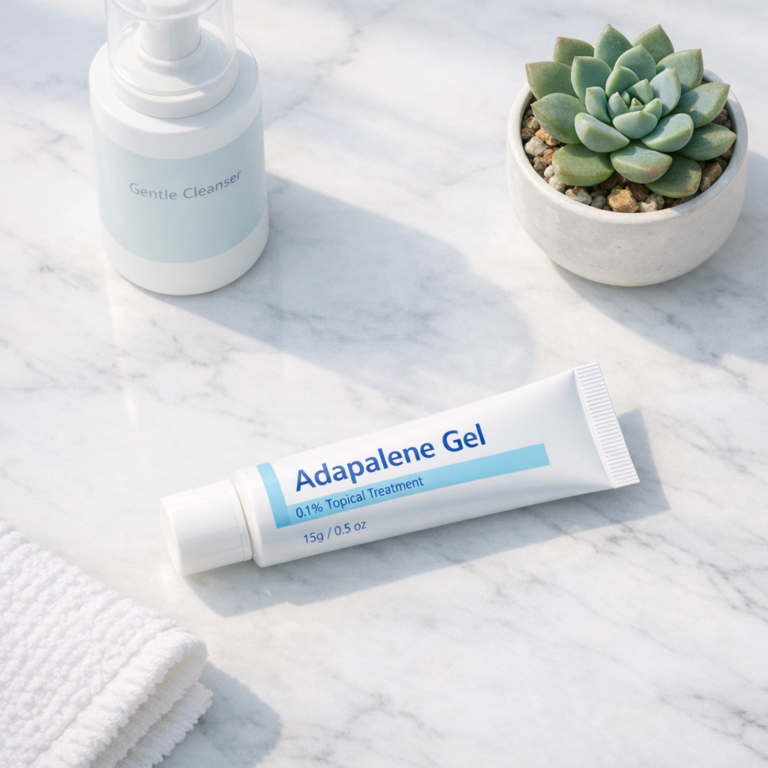
Differin is a third-generation retinoid that became available over-the-counter in 2016—before that, you needed a prescription. It works by binding to specific retinoic acid receptors in your skin, which normalizes how your skin cells grow and shed. Translation: it stops dead skin cells from clumping together and clogging your pores in the first place.
Research published in the Journal of the American Academy of Dermatology confirms that adapalene is effective for both inflammatory and non-inflammatory acne. What makes Differin special is its stability—it doesn’t break down in sunlight like some other retinoids, and it’s generally better tolerated than tretinoin. If you want the full breakdown, check out my Differin gel review.
Which One Matches Your Acne Type?
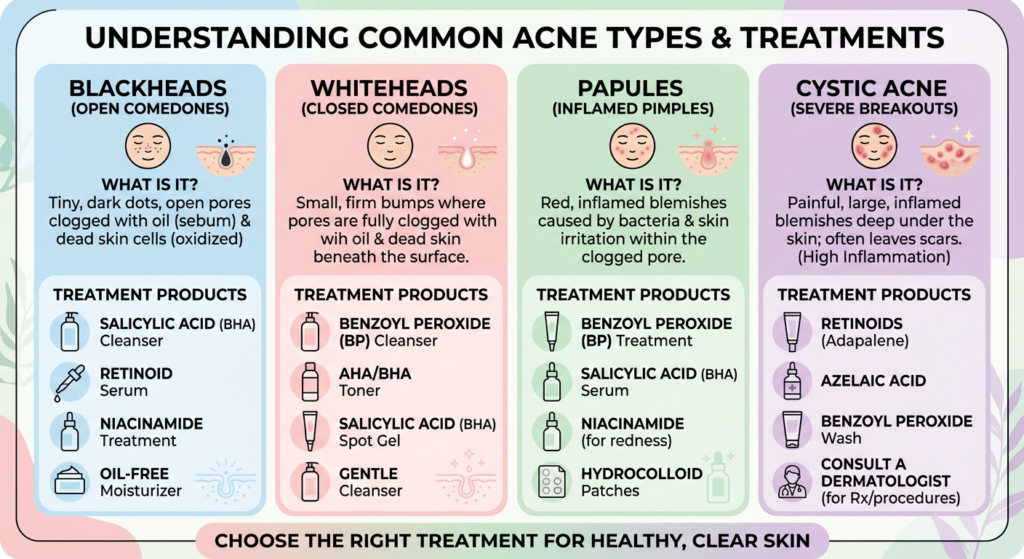
Understanding your acne type is honestly 90% of the battle. Here’s my cheat sheet after years of trial and error:
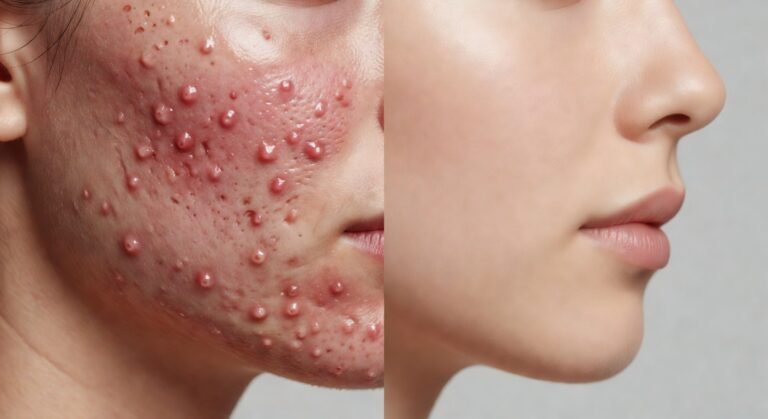
- Blackheads and whiteheads (comedonal acne): Differin wins. BP helps somewhat, but adapalene directly targets the cell turnover problem causing those clogged pores.
- Red, inflamed pimples (papules and pustules): Benzoyl peroxide for quick relief, but consider adding Differin for prevention.
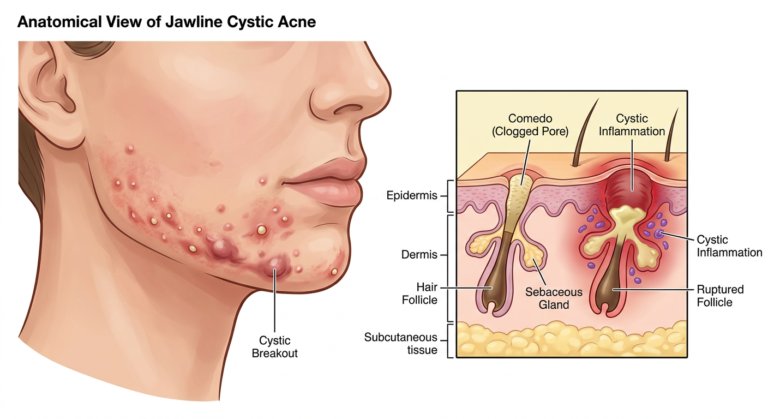
- Cystic acne: Honestly? See a dermatologist. But if you’re managing at home, combination therapy works best.
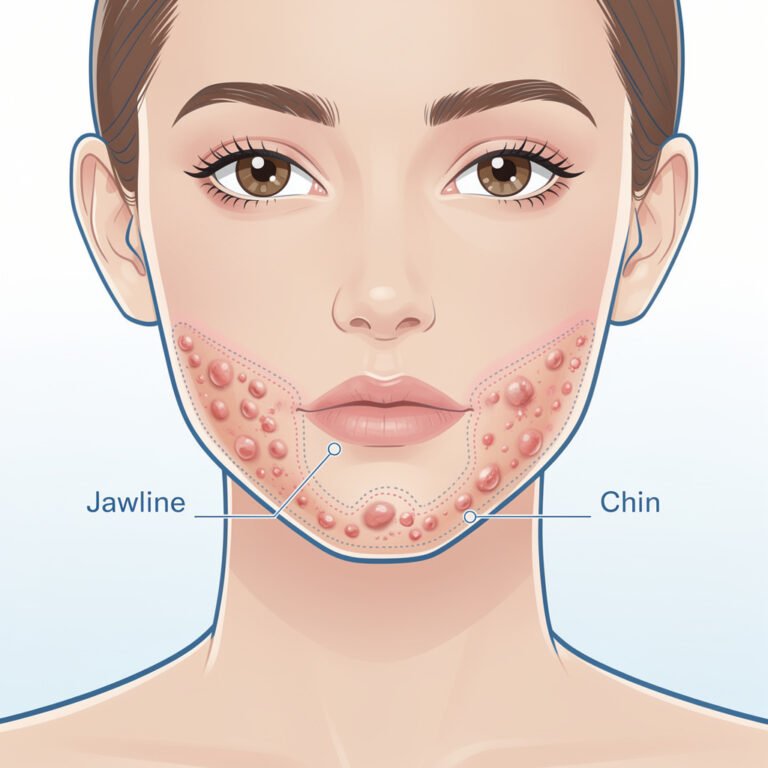
- Hormonal acne: Differin tends to work better here because hormonal breakouts are often deeper and related to how skin cells behave.
Here’s an insider tip that most blogs won’t mention: if you’re over 25 and still dealing with acne, Differin often works better because adult acne tends to be more about retention hyperkeratosis (fancy term for cells sticking together) than bacterial overgrowth. Benzoyl peroxide is fantastic for teenagers with oily, bacteria-laden skin, but adults often need a different approach.
Side Effects: The Honest Truth
Let’s talk about the uncomfortable part—because both of these ingredients can absolutely wreck your skin if you use them wrong.
Benzoyl Peroxide Side Effects
BP is notoriously drying and can cause peeling, redness, and that tight “my face feels like paper” sensation. Higher concentrations (10%) aren’t necessarily better—studies show 2.5% benzoyl peroxide is often just as effective as 10% with significantly less irritation. I always recommend starting low, especially if you’re already using other active ingredients.
Oh, and benzoyl peroxide WILL bleach your towels, pillowcases, and any shirt you care about. Consider yourself warned 🙂
Differin Side Effects
The notorious “retinoid purge” is real with Differin. During the first 2-4 weeks, your skin may actually look worse as all those clogged pores come to the surface. This freaks people out, and I’ve seen so many give up right before it starts working. Push through—it gets better around week 8-12.
Dryness, peeling, and sun sensitivity are also common. The FDA’s approval documentation for over-the-counter Differin specifically notes that users need to commit to daily sunscreen. Non-negotiable.
Using Both Together: The Power Move
Here’s something dermatologists have known for years: using adapalene and benzoyl peroxide together often produces better results than either ingredient alone. The combination attacks acne from multiple angles—preventing new clogs while killing existing bacteria.
There’s actually a prescription product (Epiduo) that combines both ingredients. But you can create a similar regimen yourself:
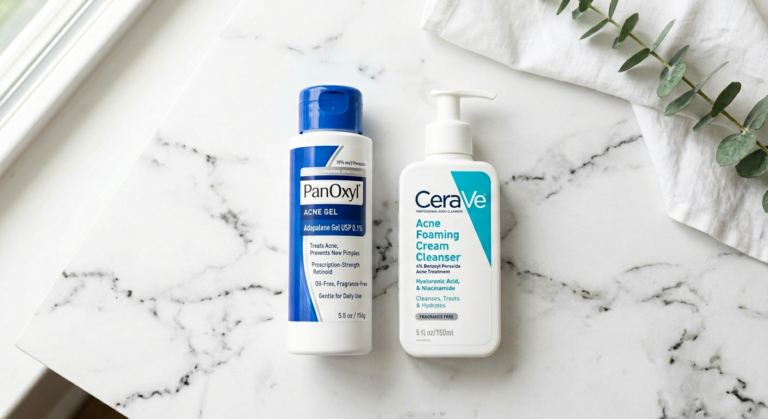
- Morning: Gentle cleanser (I like CeraVe Acne Control Cleanser) → Benzoyl peroxide treatment → Moisturizer → Sunscreen
- Evening: Gentle cleanser → Wait until skin is dry → Differin → Moisturizer
IMO, this combination approach is the most underrated acne strategy out there. Just don’t apply them at the same time—benzoyl peroxide can potentially degrade retinoids if layered directly together.
Expert Commentary: Dr. Dray’s breakdown of Differin is one of the most medically accurate explanations I’ve found on YouTube—she covers the science without dumbing it down, and her application tips are genuinely helpful for avoiding irritation.
Sensitive Skin Acne Considerations
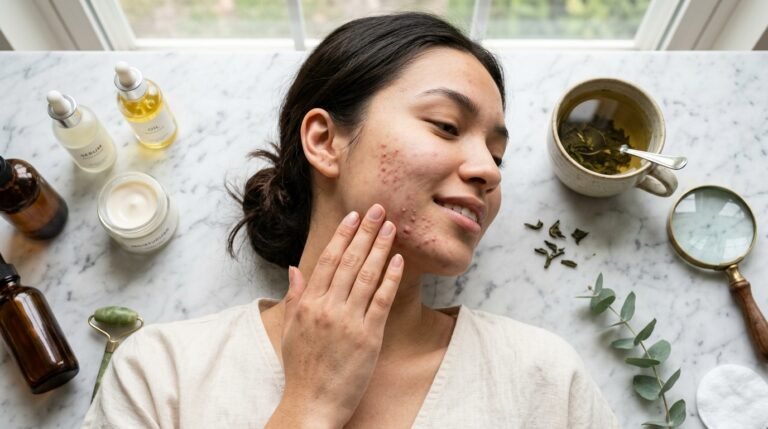
If you’re dealing with sensitive skin acne, both ingredients require a careful approach. I’ve worked with countless people who have reactive skin and still successfully used these treatments—it just takes patience.
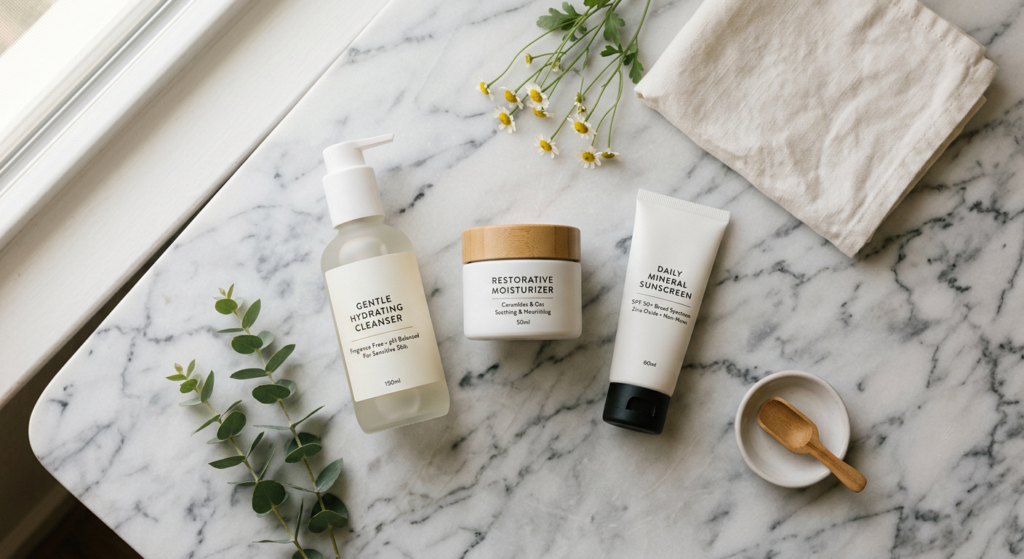
For sensitive skin, I recommend:
- Start with 2.5% benzoyl peroxide, not 5% or 10%
- Apply Differin over moisturizer initially (called “buffering”)
- Begin with every other night application and gradually increase
- Skip actives entirely if your skin barrier feels compromised
Products like La Roche-Posay Effaclar Duo offer lower-concentration benzoyl peroxide formulated specifically for reactive skin. Sometimes the delivery system matters as much as the active ingredient itself.
Common Myths I Need to Bust
Can we please stop spreading these myths?
- Myth: “Higher percentage = faster results.” Reality: Higher percentages often just mean more irritation without additional efficacy.
- Myth: “If it burns, it’s working.” Reality: Burning means you’re damaging your skin barrier. Stop.
- Myth: “You have to choose one or the other.” Reality: Combination therapy is often superior.
- Myth: “Differin thins your skin.” Reality: Retinoids actually increase collagen production and thicken the dermis over time.
For more clear skin tips and myth-busting, explore our skin concerns section.
Frequently Asked Questions
Can I use Differin and benzoyl peroxide together?
Yes, you can use Differin and benzoyl peroxide together, but timing matters. Apply benzoyl peroxide in the morning and Differin at night. Alternatively, use them on alternating days when starting out to minimize irritation. Many dermatologists recommend this combination for stubborn acne.
Which works faster: Differin or benzoyl peroxide?
Benzoyl peroxide works faster for killing acne-causing bacteria and reducing active pimples, often showing results within days. Differin takes 8-12 weeks to show full results because it works by changing how skin cells behave and preventing future breakouts rather than treating existing ones.
Is Differin or benzoyl peroxide better for sensitive skin acne?
For sensitive skin acne, low-concentration benzoyl peroxide (2.5%) is often better tolerated initially. However, Differin can work well for sensitive skin when introduced gradually. Start with every other night application and always use a gentle moisturizer to buffer potential irritation.
Does benzoyl peroxide bleach skin like it bleaches fabric?
No, benzoyl peroxide does not bleach or lighten skin. However, it absolutely will bleach towels, pillowcases, and clothing. The bleaching effect only occurs on fabrics and hair, not on human skin. Use white towels and old pillowcases when using benzoyl peroxide products.
For in-depth product reviews on specific BP formulations, check out my PanOxyl review.
My Top Recommended Gear
After testing dozens of acne products and blemish treatments, here are three products I genuinely stand behind:
- Differin Adapalene Gel 0.1% – The gold standard OTC retinoid for acne prevention and treatment. Check price on Amazon
- PanOxyl Acne Foaming Wash 4% – My go-to benzoyl peroxide cleanser that rinses clean without over-drying. Check price on Amazon
- La Roche-Posay Toleriane Double Repair Moisturizer – Essential for buffering active ingredients and maintaining your skin barrier. Check price on Amazon
Disclaimer: This post contains affiliate links. As an Amazon Associate, I may earn a commission from qualifying purchases at no additional cost to you.