
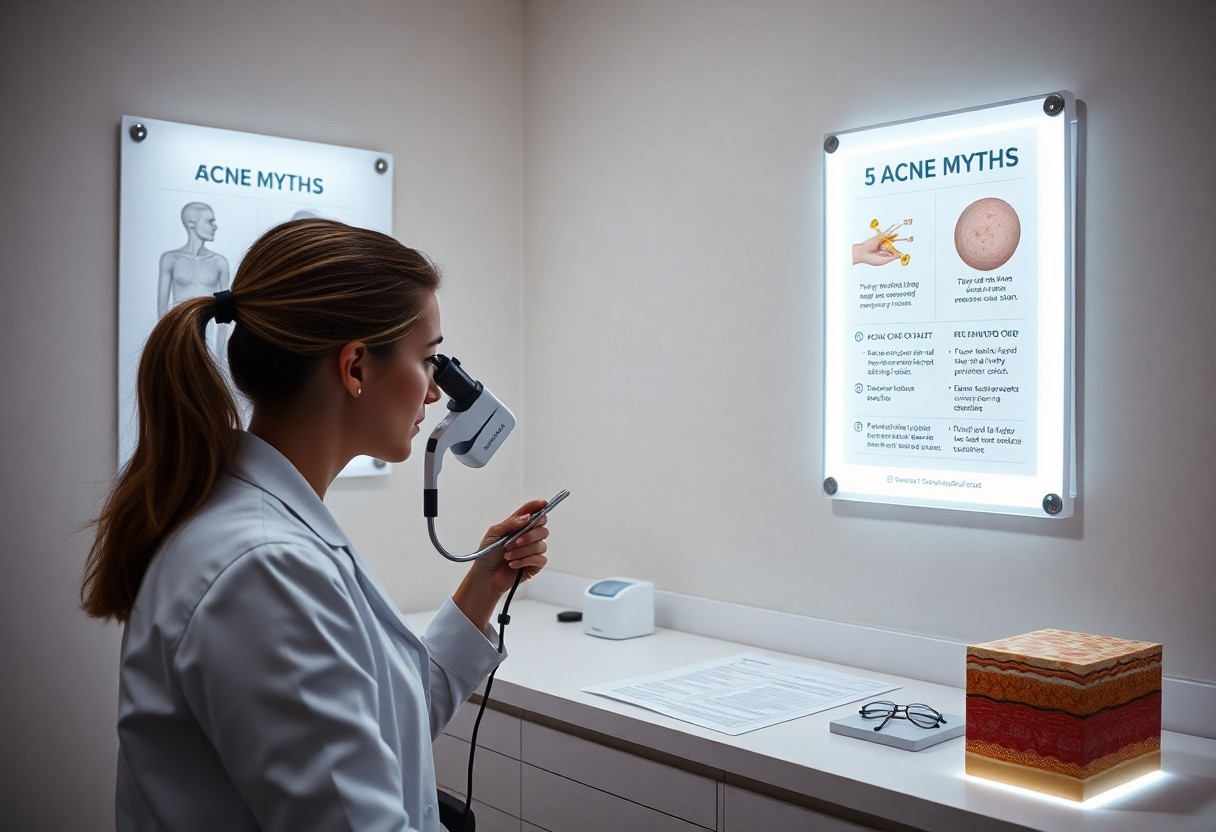
Just when you think you’ve got your acne under control, myths can derail your progress and lead to ineffective treatments. In this guide, you’ll discover the top five common misconceptions about acne that dermatologists wish you’d stop believing. By debunking these myths, especially the alarmingly prevalent #3, you can take informed steps toward clearer skin and healthier habits. Equip yourself with the knowledge to make better choices regarding your skincare routine and learn what actually works for your skin type.
Key Takeaways:
- Myth: Acne is caused by poor hygiene; reality: Over-washing can irritate skin.
- Myth: Everyone outgrows acne; reality: Many adults continue to experience it.
- Myth: Chocolate and greasy foods cause acne; reality: There is limited evidence supporting this.
- Myth: Sun exposure clears up acne; reality: It can lead to skin damage and worsen acne.
- Myth: Popping pimples is harmless; reality: It can lead to scarring and further breakouts.
Common Types of Acne Myths
Understanding common acne myths can help you avoid misguided treatments and habits. Here are some pervasive misconceptions:
| Myth | Reality |
| Acne is Only for Teenagers | Many adults also suffer from acne. |
| Washing Your Face Excessively Prevents Acne | Over-washing can irritate your skin. |
| Diet Has No Impact on Acne | Certain foods can worsen acne for some individuals. |
| Tanning Can Clear Up Acne | UV exposure can actually aggravate your skin. |
| Makeup Causes Acne | Not all makeup is comedogenic. |
Myth 1: Acne is Only for Teenagers
Many believe that acne is a teenage problem that fades with age. This misconception can lead to untreated skin issues in adults. In reality, adult acne affects a significant number of people, especially women in their 20s to 40s. Factors such as hormonal fluctuations, stress, and certain medications play a crucial role in the persistence of acne beyond adolescence.
Ignoring the possibility of adult acne can hinder your self-esteem and overall skin health. You might experience breakouts related to hormonal changes or skin care products inappropriate for your skin type. Being aware of this myth allows you to seek appropriate treatment.
Myth 2: Washing Your Face Excessively Prevents Acne
Excessive washing of your face might feel like a proactive measure against acne, but it can actually cause more harm than good. Over-washing strips your skin of its natural oils, leading to irritation and a compromised skin barrier, which can result in increased breakouts. Instead of prevention, you might find that your acne worsens due to this approach.
Consider establishing a balanced washing routine, ideally twice a day with a gentle cleanser. This helps maintain your skin’s natural balance while effectively removing dirt and excess oil. Any attempt to combat acne should be rooted in understanding your skin’s needs rather than harsh methods.
Some individuals may feel tempted to wash their face multiple times during the day after experiencing a breakout. This behavior often stems from the desire to eliminate any trace of oil or bacteria. However, moderation is key; excessive washing can lead to inflammation and exacerbate existing acne.
Myth 3: Diet Has No Impact on Acne
For years, doctors claimed diet didn’t affect acne, but recent studies suggest otherwise. While diet may not be the sole cause of breakouts, certain foods can trigger acne flare-ups. For instance, high glycemic foods and dairy products have been linked to increased acne severity in various studies. Understanding these potential triggers allows you to make informed dietary choices.
Everyone’s skin reacts differently to food, so keeping a food diary can help identify patterns. You might notice improvements by reducing processed sugars and dairy, allowing for better skin health overall. Any change in your diet can be an aspect of a larger strategy to manage your acne effectively.
Some people find that incorporating foods rich in antioxidants and omega-3 fatty acids can help promote healthier skin. A balanced diet paired with hydration can enhance your skin’s resilience, offering a multifaceted approach to acne management.
Myth 4: Tanning Can Clear Up Acne
The allure of a sun-kissed glow is often mistakenly associated with clearer skin. In reality, while tanning may temporarily dry out acne lesions, it does not provide a long-term solution. Exposure to UV rays can cause skin damage, increase pigmentation, and heighten the risk of skin cancer. Furthermore, your skin may produce more oil to compensate for dryness, leading to even more breakouts.
You might feel a temporary improvement in appearance, but the underlying issues remain unaddressed. Pursue safe sun practices and effective acne treatments instead of relying on tanning as a solution.
As tempting as it may be to bask under the sun, consider the long-term consequences for your skin. Keeping your skin healthy should prioritize protection and hydration rather than temporary fixes that could lead to greater skin concerns.
Myth 5: Makeup Causes Acne
Many people believe that wearing makeup will inevitably lead to breakouts. However, this myth overlooks the fact that not all makeup is created equal. Many products are now formulated to be non-comedogenic, which means they won’t clog your pores. By choosing the right products, you can enhance your appearance without sacrificing your skin health.
To mitigate the risk of acne related to makeup, look for products labeled as oil-free or non-comedogenic. Always ensure to properly remove makeup at the end of the day to prevent pore blockage. Any cautious approach to makeup can help maintain a healthy complexion.
It’s critical to match makeup choices to your individual skin type. Testing different formulations may also reveal products that provide coverage without exacerbating acne issues.
Key Factors Influencing Acne
Several factors contribute to the development of acne, which often go beyond the common myths associated with oily skin or diet. Recognizing these factors can help you address underlying issues effectively. The key influences include hormones, genetics, and skincare products, each playing a significant role in your skin’s health.
- Hormones
- Genetics
- Skincare Products
Hormones
This factor cannot be overlooked, especially during puberty, menstruation, or significant hormonal changes. Elevated androgen levels can lead to increased oil production, directly impacting your pores. This increase in oil often clogs pores, creating the perfect environment for bacteria to thrive.
In adults, hormonal fluctuations due to stress or conditions like polycystic ovary syndrome (PCOS) can exacerbate the situation. Addressing these hormonal imbalances through lifestyle changes or medical interventions can have a substantial effect on your acne.
Genetics
Your genetic predisposition plays a pivotal role in your skin health. If your parents struggled with acne, there’s a good chance you might too. Genetic factors can influence skin types, oil production, and even the size of your pores, making some people more susceptible than others.
Research indicates that individuals with a family history of acne tend to experience more severe breakouts. The presence of specific genes linked to oil production and inflammation can make your skin more reactive. Acknowledging your genetic background can guide you toward more tailored skincare solutions.
Skincare Products
Not all skincare products are created equal. The ingredients in your skincare products can either aid in treating acne or exacerbate it. Comedogenic ingredients, which are known to clog pores, can worsen your condition. Always check labels and look for non-comedogenic formulas.
Utilizing products with salicylic acid, benzoyl peroxide, or retinoids can help clear your skin effectively. However, thou must be cautious about overuse, as it can lead to irritation and dryness, further complicating your acne situation.
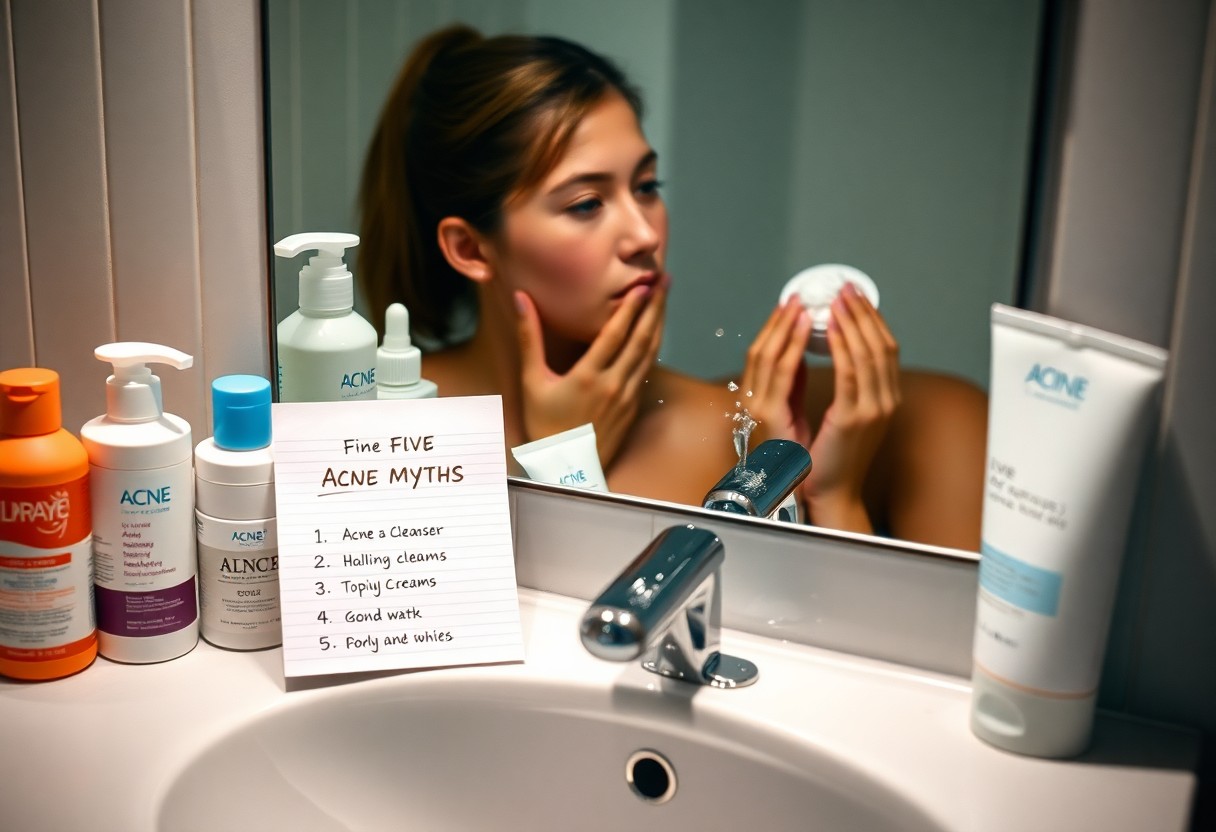
Tips for Acne Management
Proper Skincare Routine
Establishing a suitable skincare routine is foundational for effective acne management. Begin with a gentle cleanser that removes dirt and excess oil without stripping your skin. Follow this with a non-comedogenic moisturizer to maintain hydration. Incorporating products with ingredients like salicylic acid or benzoyl peroxide can help reduce breakouts. Use them as directed, ideally on affected areas, avoiding overly aggressive applications that can worsen irritation and redness.
Regular exfoliation is another key part of your routine, but be cautious not to overdo it. Aim for gentle exfoliation one to two times a week to remove dead skin cells and prevent clogged pores. Additionally, wearing sunscreen daily protects your skin from UV radiation, which can aggravate existing acne and lead to post-acne scars. Perceiving this holistic approach to skincare can significantly improve your skin’s appearance.
Dietary Considerations
Your diet plays a pivotal role in acne management, with certain foods potentially influencing breakouts. Incorporate plenty of fruits and vegetables that are rich in antioxidants and vitamins, which nourish your skin from within. Some studies suggest that high-glycemic foods, like white bread and sugary snacks, may exacerbate acne by causing spikes in insulin levels. Opt for whole grains and protein sources such as beans and fish to stabilize blood sugar and reduce inflammation.
Additionally, including omega-3 fatty acids found in fish, flaxseeds, and walnuts can be beneficial for your skin. These fats help to reduce inflammation and may minimize acne occurrences. Staying hydrated also supports overall skin health, so make sure you’re drinking enough water throughout the day. A well-balanced diet tailored to your skin’s needs can significantly impact your acne situation.
Stress Management
Stress is known to trigger acne flare-ups due to increased cortisol levels that can lead to heightened oil production. Finding effective ways to manage stress can have a profound effect on your skin. Techniques such as yoga, meditation, or even regular exercise can help alleviate tension. Engaging in activities that you enjoy also plays a significant role in maintaining mental well-being and can promote clearer skin.
Integrating stress management into your daily routine may include setting aside time for relaxation, pursuing hobbies, or practicing mindfulness. Taking these steps can lead to a more balanced lifestyle, which may indirectly improve your acne situation.
Step-by-Step Acne Treatment Guide
Identifying Skin Type
Understanding your skin type is imperative for tailoring an effective acne treatment regimen. Skin types typically fall into categories: oily, dry, combination, and sensitive. For instance, if your skin feels greasy by midday and you often experience larger, cystic acne, your skin is likely oily. Alternatively, if your skin feels tight and flaky, you may have dry skin, which could lead to irritation if treated with harsh acne products. Conduct a simple test by washing your face and waiting an hour to observe your skin’s natural state.
Identifying your skin type allows you to select products that enhance your skin’s health rather than aggravate existing issues. Oily skin requires lightweight, oil-free formulations, while dry skin benefits from richer moisturizers. Combination skin may need a balanced approach, using different products for different areas. Tailoring your acne treatment to your unique skin characteristics can significantly improve your outcomes.
Selecting Suitable Products
Choosing the right products can make a significant difference in managing your acne. Look for ingredients like salicylic acid or benzoyl peroxide, which target acne-causing bacteria and help unclog pores. If your skin is sensitive, consider gentler ingredients like azelaic acid or niacinamide, which have anti-inflammatory properties and can soothe irritation. Be cautious of products with high alcohol content that can strip skin, leading to increased oil production and more breakouts.
Always check for non-comedogenic labels on your products to ensure they won’t block pores. Pay attention to the formulation; gel-based products tend to suit oily skin, while cream-based formulations are ideal for drier types. Conduct a patch test with new products to assess skin reactions before full application.
Implementing a Daily Routine
Establishing a consistent daily routine can greatly enhance the efficacy of your acne treatment. Start by cleansing your face twice daily with a gentle cleanser suited to your skin type. Follow this with a targeted treatment product containing active ingredients aimed at reducing acne. After treatment, apply a suitable moisturizer to keep your skin hydrated and balanced throughout the day. Consistency in this routine helps your skin adapt and improves the chances of resolving acne issues.
In addition to morning and evening routines, consider incorporating weekly masks or exfoliants to remove dead skin cells and prevent clogged pores. Scheduling regular check-ins with your skin can help you adjust your routine based on changes in your skin’s behavior, such as the onset of new breakouts or altered skin texture.
Pros and Cons of Various Acne Treatments
| Type of Treatment | Pros and Cons |
|---|---|
| Over-the-Counter Treatments | Available without a prescription; can be effective for mild acne. However, may cause irritation or dryness. |
| Prescription Medications | Usually stronger and more effective; tailored to your specific needs. Possible side effects and requires a doctor’s supervision. |
| Natural Remedies | Often gentler and made from natural ingredients; generally fewer side effects. However, they might take longer to show results. |
| Hormonal Treatments | Can regulate hormones effectively to reduce acne; can lead to significant improvement. Possible side effects include weight gain or mood changes. |
| Laser Treatments | Can provide lasting results; non-invasive and quick recovery. Usually expensive and may require multiple sessions. |
| Chemical Peels | Exfoliates skin and reduces acne visibility; can improve skin texture. Side effects may include redness and peeling. |
| Microneedling | Promotes collagen production and can reduce scarring; little downtime. Requires multiple treatments and may not be suitable for all skin types. |
| Topical Retinoids | Effective at reducing inflammation and preventing clogged pores; improves overall skin texture. Can cause initial irritation and dryness. |
| Antibiotics | Helps target bacteria contributing to acne; can have rapid effects. Long-term use can lead to antibiotic resistance. |
| Dietary Changes | May help manage acne through improved nutrition; promotes overall health. Requires commitment and may vary in effectiveness. |
Over-the-Counter Treatments
Often the first line of defense against acne, over-the-counter (OTC) treatments typically include ingredients like benzoyl peroxide, salicylic acid, and alpha hydroxy acids. These treatments can effectively reduce mild acne and prevent new breakouts from forming. Since you can purchase these products without a prescription, they offer convenience and accessibility to those seeking immediate solutions.
However, OTC treatments can also lead to skin irritation, dryness, and peeling, especially if used excessively. It’s necessary to start with a lower concentration and gradually increase it as your skin adjusts. Always listen to your skin’s response and discontinue use if irritation persists.
Prescription Medications
Prescription medications often become necessary for moderate to severe acne. Dermatologists may recommend treatments such as oral antibiotics, retinoids, or hormonal therapy, which address the underlying factors contributing to your acne, such as bacteria and excess oil production. Prescription options tend to yield faster and more significant results than OTC treatments, making them a valuable choice for persistent issues.
While effective, these medications can come with potential side effects. For instance, retinoids may cause dryness and sensitivity, while hormonal treatments can lead to mood swings or changes in menstrual cycles. Regular consultations with your dermatologist are vital to monitor effectiveness and adjust dosages as needed.
Prescription medications can also be combined into a comprehensive treatment plan that addresses multiple factors contributing to your acne. This tailored approach helps achieve optimal results and manage any side effects that may occur during treatment.
Natural Remedies
Natural remedies can be an appealing alternative for those cautious about using synthetic products. Ingredients like tea tree oil, green tea extract, and honey possess antibacterial and anti-inflammatory properties, providing gentle yet effective relief from acne symptoms. The absence of harsh chemicals can be particularly beneficial for sensitive skin types.
Despite their advantages, remember that natural remedies may not always deliver quick results. It can take several weeks of consistent use before you might notice significant improvements. Additionally, some natural ingredients can irritate your skin if used improperly, so patch test any new product first.
While some individuals experience success with natural remedies, it’s necessary to approach them as a complementary treatment rather than a sole solution, especially for moderate to severe acne. Combining natural remedies with targeted treatments could yield better outcomes.
To wrap up
With this in mind, it is vital to debunk the common acne myths that may be hindering your skin health. By understanding the reality behind these misconceptions, you can make informed decisions about your skincare routine. For instance, myth #3 may lead you to believe that certain foods have no impact on your acne, but the truth is, your diet can play a significant role in your skin’s condition. Addressing these myths will empower you to take control of your skincare journey.
<pUltimately, your approach to acne treatment should be grounded in science and personalized care. Consulting with a dermatologist can provide you with tailored advice that aligns with your unique skin type. By focusing on evidence-based practices and avoiding the pitfalls of misinformation, you can achieve clearer skin and boost your confidence in the process.
FAQ
Q: What is the first acne myth dermatologists want you to stop believing?
A: The first myth is that acne is solely caused by poor hygiene. Dermatologists explain that while cleanliness is important, acne is primarily influenced by hormonal changes, genetics, and skin type rather than simply a lack of washing.
Q: Are certain foods responsible for acne breakouts?
A: Yes, this myth suggests that all foods cause acne. Dermatologists indicate that while some individuals may react to certain foods like dairy or sugar, the overall relationship between diet and acne is complex and varies by person.
Q: Does squeezing pimples help to clear them up faster?
A: This myth is false. Squeezing pimples can lead to increased inflammation, scarring, and infection. Dermatologists recommend allowing lesions to heal naturally or using appropriate topical treatments instead.
Q: Is it true that only teenagers get acne?
A: No, this is a common misconception. Acne can affect individuals of all ages, including adults, especially women in their 30s and 40s due to hormonal fluctuations. Dermatologists advise that effective treatment is available for all age groups.
Q: Will tanning help clear up acne?
A: This myth is misleading. While some individuals may notice temporary improvement in their acne from tanning, it can lead to skin damage and worsen acne in the long run. Dermatologists advocate for proper skin care and treatments instead of relying on tanning.

0 Comments