Dark Marks After Acne: 7 Smart Remedies to Try
Dark marks after acne are the frustrating parting gift nobody asked for. You finally defeat the breakout — the swelling goes down, the pain stops — and then you’re left staring at brownish-purple splotches that seem to mock you in every mirror. I spent years fighting these stubborn post acne marks before I figured out what actually works versus what’s just marketing hype. The good news? You absolutely can fade them. The bad news? Most advice floating around the internet is either incomplete or flat-out wrong. Let me walk you through the seven remedies I trust, backed by real science and roughly a decade of obsessing over this stuff.
Table of Contents
- What Are Dark Marks After Acne, Really?
- Why Do Acne Dark Spots Stick Around So Long?
- 7 Smart Remedies to Fade Acne Marks
- 3 Myths About Post Acne Marks That Need to Die
- When to See a Dermatologist
- Frequently Asked Questions
- My Top Recommended Gear
What Are Dark Marks After Acne, Really?
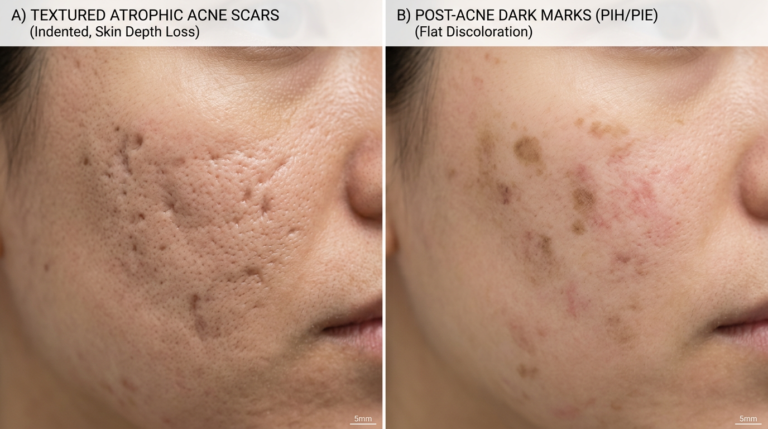
Dark marks after acne — clinically called post-inflammatory hyperpigmentation (PIH) — are flat, discolored patches left behind after a pimple heals. They form when inflammation triggers excess melanin production in the skin. PIH is not scarring; it involves no textural change and will fade with proper treatment and sun protection.
Here’s where most people get confused: they lump dark spots and acne scars into the same bucket. They’re not the same thing. Acne hyperpigmentation is purely a color issue — your skin overproduced pigment as an inflammatory response. Acne scars, on the other hand, involve actual damage to the skin’s collagen structure and create pits, raised bumps, or textural irregularities. If you can run your finger over the mark and it feels completely smooth, you’re dealing with PIH, and that’s actually great news because it’s far easier to treat.
According to the American Academy of Dermatology, PIH affects people of all skin tones, though it tends to be more pronounced and longer-lasting in darker complexions (Fitzpatrick types IV–VI). If you’re new to understanding your skin and acne patterns, I recommend checking out our getting started guide for the full foundation.
Why Do Acne Dark Spots Stick Around So Long?
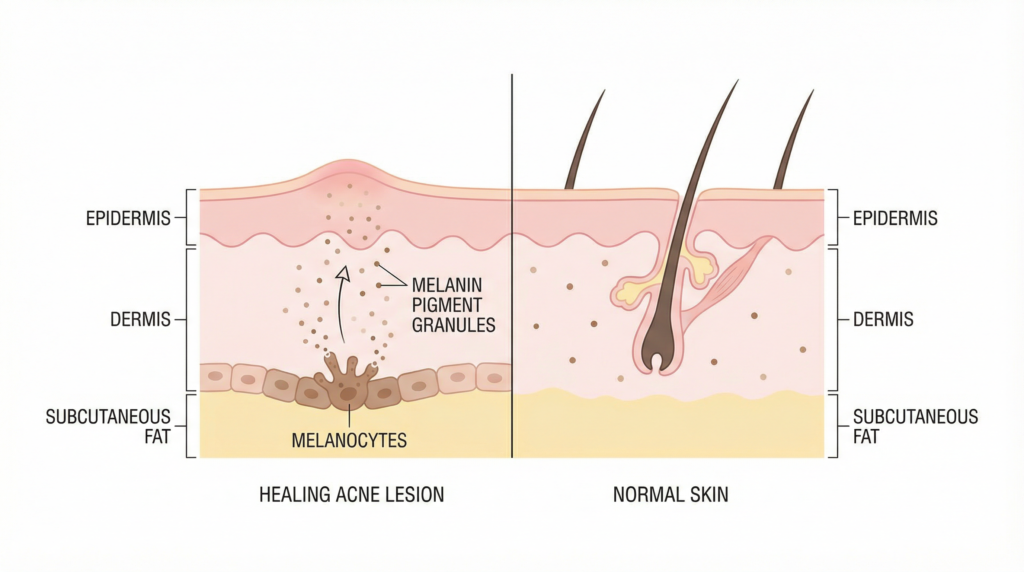
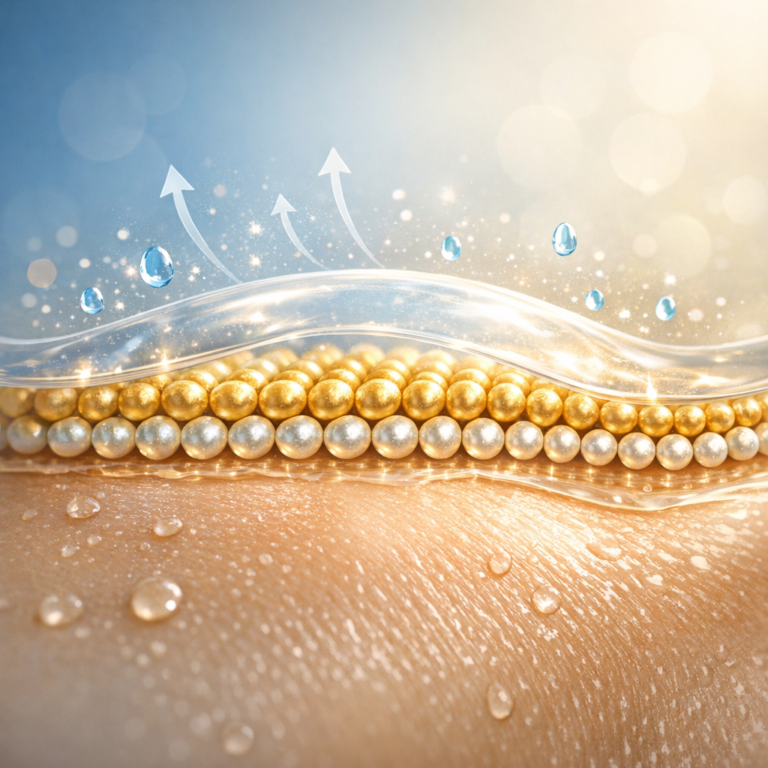
Ever wonder why a pimple lasts a week but the dark spot lingers for months? It comes down to where the excess melanin gets deposited. When melanin stays in the epidermis (upper skin layers), marks tend to appear brown and fade within a few months. When inflammation pushes melanin deeper into the dermis, you get blue-gray marks that can stick around for over a year.
Several factors make acne dark spots more persistent:
- Picking and squeezing: I know — easier said than done. But every time you squeeze a pimple, you extend the inflammation and push pigment deeper. Just don’t do it.
- Sun exposure without SPF: UV radiation is essentially fuel for melanocytes. Skip sunscreen and your marks will darken, not fade.
- Deeper or cystic breakouts: The more severe the original acne, the more significant the inflammatory response and resulting hyperpigmentation.
- Skin tone: Higher melanin content means melanocytes are more reactive, which is why people with deeper skin tones often experience more stubborn PIH.
Understanding different acne types helps you predict which breakouts are most likely to leave marks — and take preventive action before PIH even forms.
7 Smart Remedies to Fade Acne Marks
Alright, here’s the part you actually came for. I’ve ranked these roughly by accessibility and evidence strength. No fluff, no “just drink more water” advice. These are real clear skin remedies that dermatological research supports.
1. Broad-Spectrum Sunscreen (Non-Negotiable)
I’m putting this first because literally nothing else on this list matters without it. You could slather on the most expensive vitamin C serum in existence, and if you skip SPF, you’re pouring money down the drain. The FDA recommends SPF 30 or higher, applied generously, every single day. Yes — even when it’s cloudy. UV rays don’t care about your weather app.
2. Vitamin C Serum (L-Ascorbic Acid)
Vitamin C is the workhorse of any dark spot treatment routine. It inhibits tyrosinase, the enzyme responsible for melanin production, and doubles as an antioxidant that fights free radical damage. Look for serums with 10–20% L-ascorbic acid at a pH below 3.5 for maximum penetration. I apply mine every morning before sunscreen. Research published through the National Institutes of Health confirms its efficacy for hyperpigmentation across multiple skin types.
3. Niacinamide (Vitamin B3)
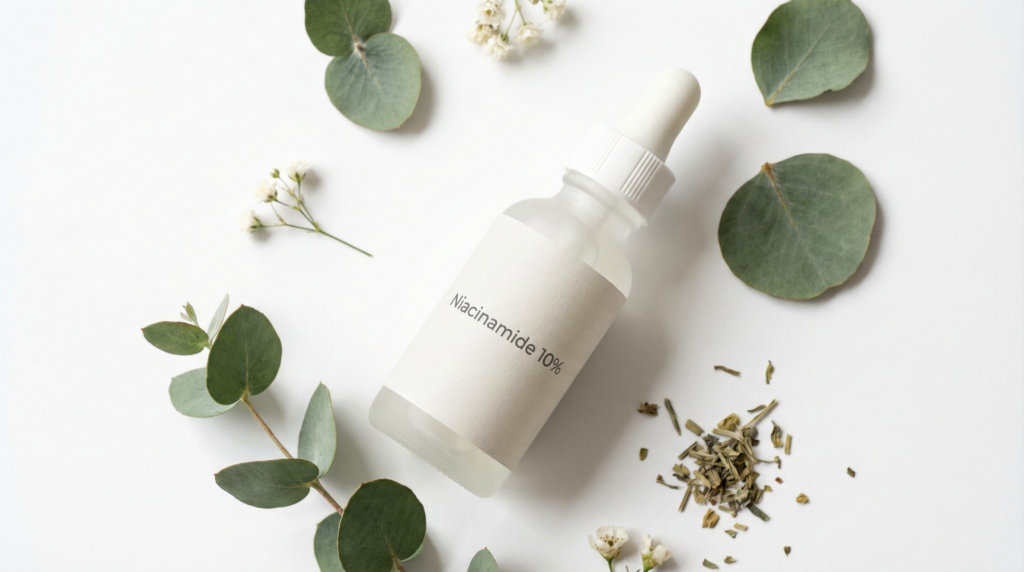
If your skin throws a fit with vitamin C (it happens), niacinamide is your best friend. At concentrations of 4–5%, it inhibits melanosome transfer — meaning it stops pigment from reaching the upper skin layers. It also strengthens the skin barrier and reduces redness. IMO, it’s the most underrated ingredient in the acne skincare tips conversation.
4. Retinoids (The Gold Standard)
Retinoids accelerate cell turnover, pushing pigmented cells out faster and stimulating fresh, evenly-toned skin beneath. Over-the-counter retinol works for mild marks; prescription tretinoin is more potent for stubborn acne hyperpigmentation. Start slowly — two or three nights per week — and always pair with SPF. For a deeper look at treatment options, visit our acne treatments resource.
5. Azelaic Acid
Here’s one that doesn’t get enough love. Azelaic acid (15–20%) targets abnormal melanocytes specifically, leaving normal pigmentation alone. This makes it particularly effective and safe for darker skin tones — a demographic that many brightening agents can actually harm through over-lightening or irritation. It’s also anti-inflammatory and antibacterial, so it multitasks like a champ.
6. Chemical Exfoliants (AHAs)
Alpha hydroxy acids — glycolic acid and lactic acid specifically — dissolve the “glue” holding dead, pigmented skin cells on the surface. A 10% glycolic acid toner used two to three times weekly can make a noticeable difference within a month. But here’s the thing: more isn’t better. Over-exfoliating damages your barrier, triggers inflammation, and guess what inflammation causes? More dark spots. Ironic, right? 🙂
7. Alpha Arbutin
Alpha arbutin is a gentler alternative to hydroquinone that inhibits tyrosinase without the risks of irritation or ochronosis. At 2% concentration, it’s effective, stable, and pairs beautifully with vitamin C or niacinamide. I consider it the “quiet achiever” of fade acne marks strategies — not flashy, but reliably effective.
Expert Commentary: This video from board-certified dermatologist Dr. Alexis Stephens breaks down hyperpigmentation treatment protocols with clarity that matches clinical practice — I recommend it for anyone who wants the science explained visually.
3 Myths About Post Acne Marks That Need to Die
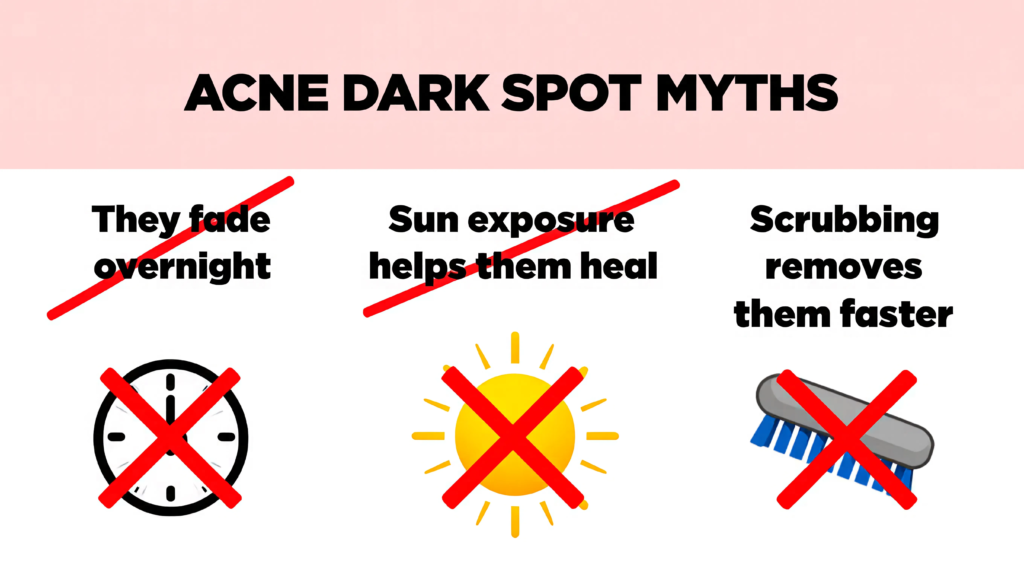
Myth #1: “Lemon juice fades dark spots naturally.”
Please stop putting lemon juice on your face. Its pH is around 2 — far too acidic for uncontrolled topical application. It causes chemical burns, phytophotodermatitis, and can actually worsen hyperpigmentation. Use a properly formulated vitamin C serum instead.
Myth #2: “Dark marks and acne scars are the same thing.”
I covered this above, but it bears repeating because the confusion leads people to buy the wrong products. Flat discoloration is PIH. Indented or raised texture changes are scars. Different problems, different solutions. Check out our full guide on skin concerns for more clarity.
Myth #3: “Expensive products always work better.”
Nope. A $12 niacinamide serum with the right concentration and formulation will outperform a $90 cream with a fancy label but poor active ingredient delivery. Focus on the ingredient list and concentration — not the price tag. That’s the real insider knowledge most beauty influencers won’t tell you because it doesn’t pay their affiliate commissions. (No shade — well, maybe a little. 😄)
When to See a Dermatologist
I’m a big proponent of smart at-home care, but some situations demand professional intervention. See a dermatologist if:
- Your dark marks haven’t improved after 6 months of consistent, targeted treatment.
- You suspect you’re dealing with actual acne scars rather than PIH.
- You have deep dermal pigmentation (blue-gray marks) that topical products can’t reach.
- You’re considering prescription-strength hydroquinone, chemical peels, or laser therapy.
A board-certified dermatologist can prescribe combination therapies — like tretinoin with hydroquinone and a mild steroid — that simply aren’t available over the counter. Professional chemical peels and laser treatments can also target deeper pigment deposits that serums can’t touch.
Frequently Asked Questions
How long do dark marks after acne take to fade?
Dark marks after acne typically take 3 to 12 months to fade naturally. With active treatments like vitamin C, niacinamide, or retinoids, you can accelerate fading to roughly 4 to 8 weeks for mild epidermal marks. Deeper pigmentation, especially on darker skin tones, may take longer and respond best to professional treatments.
Can dark marks after acne become permanent?
Post acne marks caused by hyperpigmentation are rarely permanent. However, without sun protection, dark spots can darken and persist for years. True acne scars with textural changes are a separate concern and may require dermatological procedures to fully resolve.
What is the best ingredient for fading acne dark spots?
The most effective ingredients for acne dark spots include vitamin C (L-ascorbic acid), niacinamide, alpha arbutin, azelaic acid, and retinoids. Many dermatologists recommend pairing a vitamin C serum in the morning with a retinoid at night — always combined with daily SPF 30 or higher.
Does sunscreen help fade dark marks after acne?
Absolutely — sunscreen is arguably the single most critical step. UV exposure stimulates melanocytes to produce more pigment, which darkens existing marks and creates new ones. Daily broad-spectrum SPF 30+ prevents further darkening and allows your active treatments to actually deliver results.
My Top Recommended Gear
These are three products I genuinely use or recommend to people who ask me about dark spot treatment and general acne skincare tips. I’ve linked them through Amazon for convenience:
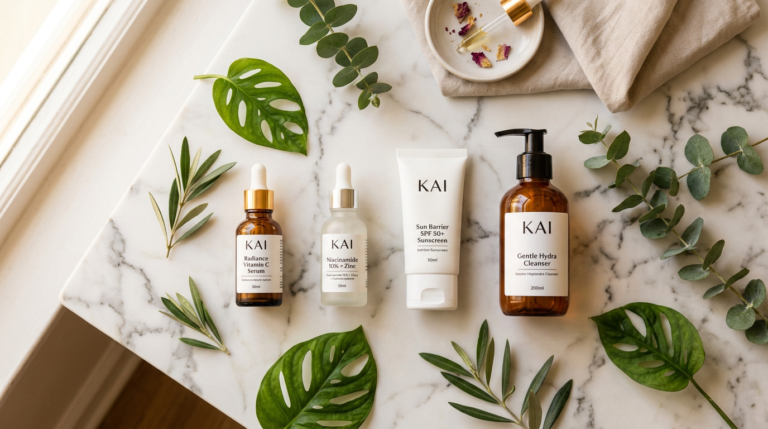
- Vitamin C Serum for Hyperpigmentation: Browse top-rated Vitamin C serums on Amazon — Look for 15–20% L-ascorbic acid with vitamin E and ferulic acid for maximum stability and effectiveness.
- Niacinamide Serum 10%: Browse top-rated Niacinamide serums on Amazon — A great option for sensitive skin types who can’t tolerate vitamin C. Strengthens barrier function while fading marks.
- Broad-Spectrum SPF 50 Sunscreen: Browse top-rated facial sunscreens on Amazon — Non-negotiable for any hyperpigmentation protocol. Choose a formula with no white cast for daily comfortable wear.
Disclaimer: This post contains affiliate links. As an Amazon Associate, I may earn a commission from qualifying purchases at no additional cost to you.