Best Chest Acne Remedies for Faster Results
Chest acne is one of those frustrating skin problems that makes you dread wearing anything with a lower neckline. You’ve tried scrubbing harder, switching body washes, and maybe even avoiding the gym — yet those angry red bumps keep showing up like uninvited guests. The worst part? Most generic advice online barely scratches the surface. I’ve spent over a decade studying body acne patterns and testing treatments on real people (including myself), and I’m going to share exactly what works, what’s a waste of money, and the advanced tactics that most articles won’t tell you. Let’s get your chest clear — for real this time.
Table of Contents
- What Is Chest Acne (And Why Won’t It Go Away)?
- The Real Causes Behind Chest Acne
- Best Chest Acne Remedies That Actually Work
- Advanced Tactics Most People Miss
- Common Myths About Chest Acne (Busted)
- When to See a Dermatologist
- Frequently Asked Questions
- My Top Recommended Gear
What Is Chest Acne (And Why Won’t It Go Away)?
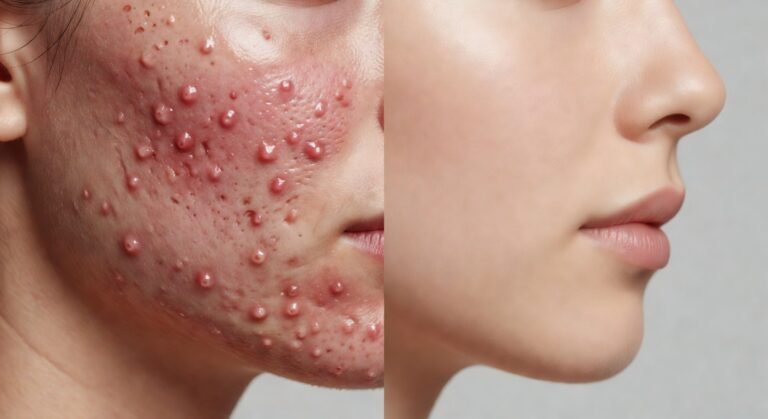
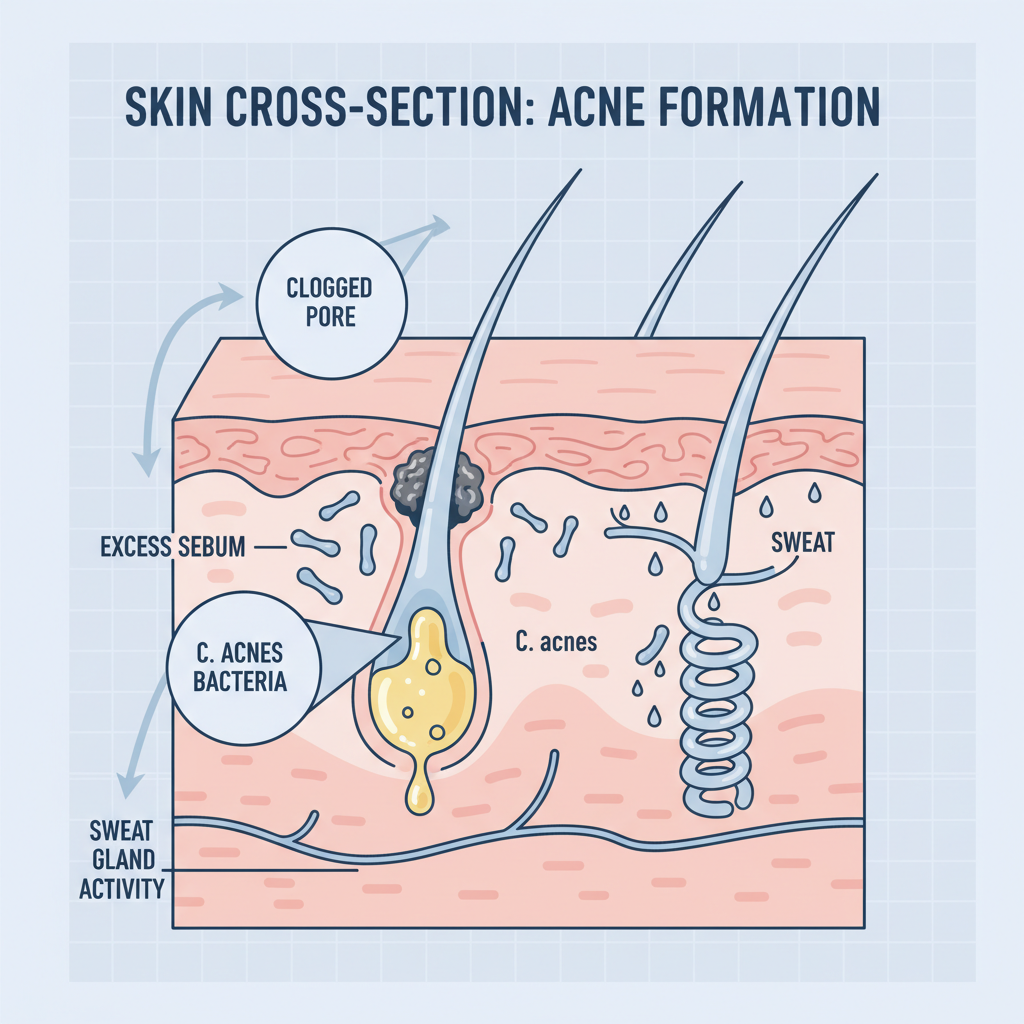
Chest acne refers to breakouts — including whiteheads, blackheads, papules, pustules, and cystic nodules — that develop on the chest area due to clogged pores, excess oil, bacteria, and inflammation. It affects roughly 50% of people who deal with facial acne, and it requires a slightly different treatment approach because chest skin is thicker and more prone to scarring.
Here’s what most people get wrong: they treat chest acne exactly like face acne. I made this mistake for years. The skin on your chest has larger pores, produces more sweat, and deals with constant friction from clothing. That trifecta creates a perfect storm for persistent breakouts. If you’re new to understanding different breakout types, I’d recommend checking out this guide on acne types to know exactly what you’re dealing with before picking a treatment.
The reason your chest acne keeps coming back is almost never about hygiene. I know — that stings a little. But I need you to hear it, because scrubbing your chest raw with a loofah three times a day actually makes things worse. The real answers involve understanding root causes, which brings me to my next point.
The Real Causes Behind Chest Acne
Understanding chest acne causes is step one. Without knowing the “why,” every treatment you try is basically a coin flip. Here’s what I’ve found drives the vast majority of chest breakouts:
Hormonal Fluctuations
Androgens ramp up sebum production, and your chest has a high density of oil glands. According to the American Academy of Dermatology, hormonal shifts during puberty, menstrual cycles, and periods of high stress are major acne triggers. This isn’t just a teenage problem — I’ve seen adults in their 30s and 40s develop chest acne seemingly out of nowhere after a major life change.
Sweat and Occlusion
Sweat itself doesn’t cause acne, but sweat trapped under tight clothing creates an occlusive environment where bacteria thrive. If you work out in synthetic fabrics and don’t shower within 30 minutes after, you’re essentially incubating breakouts. A study published in the Journal of the European Academy of Dermatology confirmed that mechanical friction combined with sweat significantly increases acne mechanica on the trunk.
Pore-Clogging Products
Your body lotion, sunscreen, or even your laundry detergent could be the culprit. I once spent three months battling stubborn chest breakouts — turned out it was a heavily fragranced fabric softener. Comedogenic ingredients hide in places you’d never suspect.
Diet and Gut Health
High-glycemic diets and dairy have shown correlations with acne in multiple studies. I’m not saying you need to go full elimination diet, but if you’re eating processed junk daily and wondering why your chest looks like a connect-the-dots puzzle… well, there’s your sign. For a broader look at how different skin concerns connect, that resource breaks it down nicely.
Best Chest Acne Remedies That Actually Work
Alright, this is the section you came for. I’ve tested dozens of chest acne remedies over the years, and these are the ones that consistently deliver results. No fluff, no gimmicks — just what works.
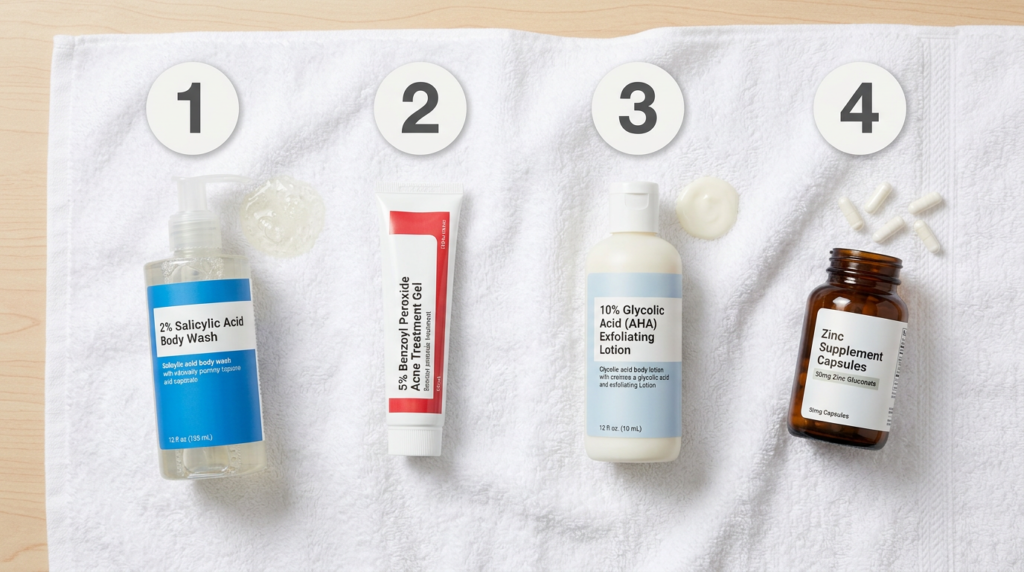
1. Salicylic Acid Body Wash (2%)
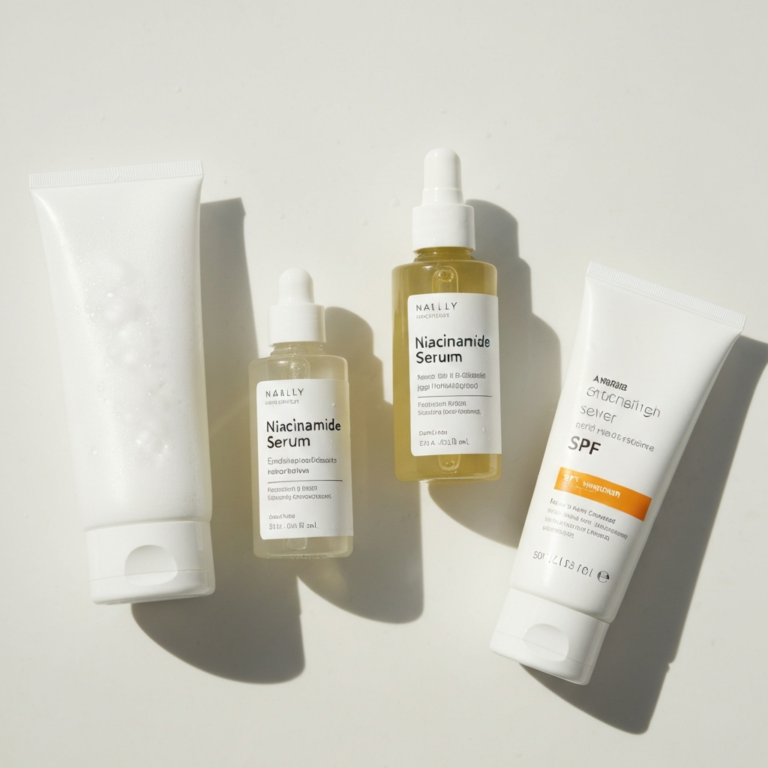
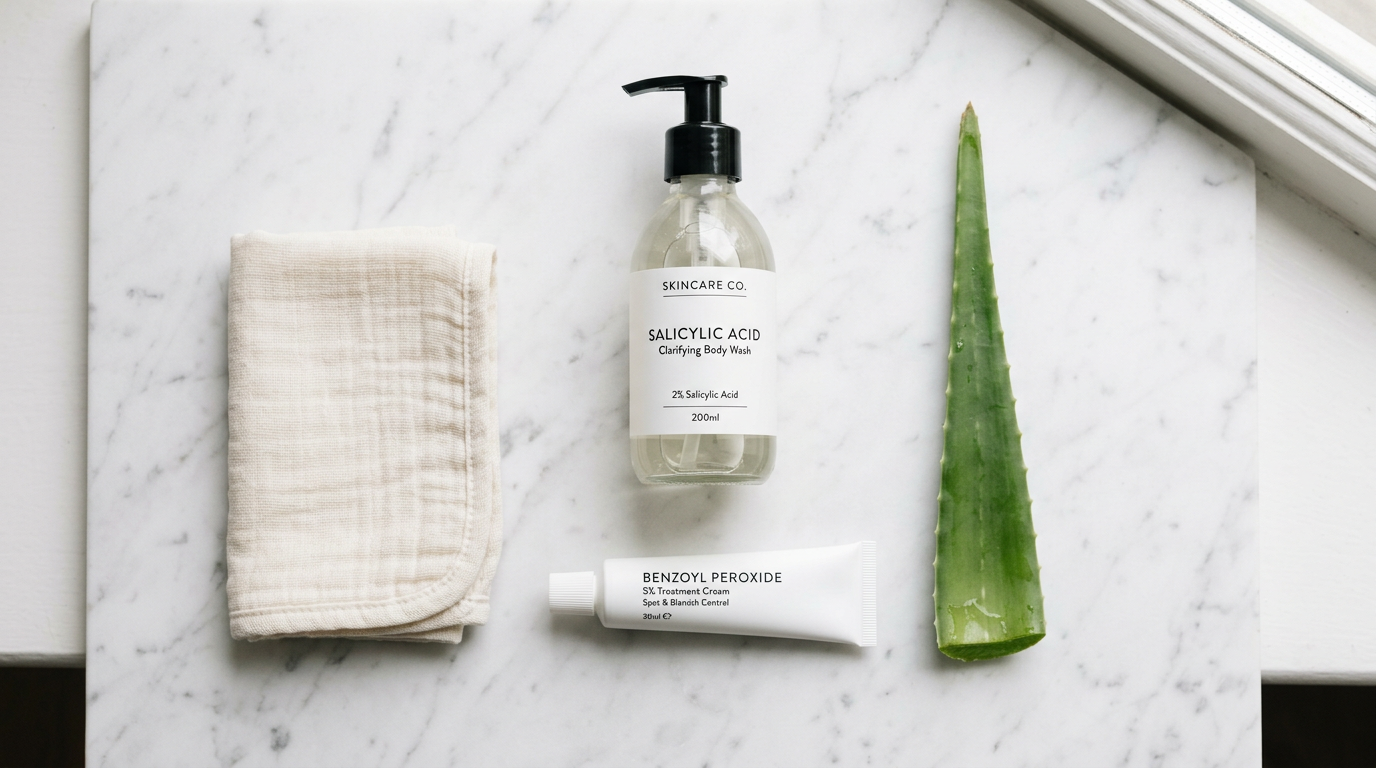
This is my #1 recommendation and the first thing I tell anyone asking how to get rid of chest acne. Salicylic acid is oil-soluble, meaning it penetrates inside your pores to dissolve the gunk that’s causing blockages. Use it daily in the shower, let it sit on your chest for 60-90 seconds before rinsing, and you’ll typically see improvement within 2-3 weeks.
2. Benzoyl Peroxide (5-10%) as a Short-Contact Treatment
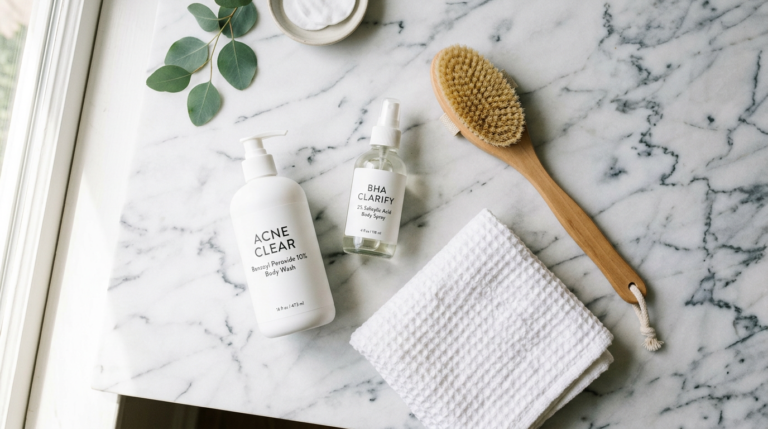
Benzoyl peroxide kills Cutibacterium acnes bacteria on contact. The trick most people don’t know: apply it to your dry chest, leave it for 5-10 minutes, THEN shower it off. This “short-contact therapy” approach gives you the antibacterial benefits while minimizing irritation and bleached clothing. The National Library of Medicine has solid data supporting benzoyl peroxide as a first-line acne treatment.
3. Glycolic Acid or AHA Body Lotions
After cleansing, an alpha-hydroxy acid lotion promotes cell turnover and prevents dead skin buildup. I use a 10% glycolic acid lotion on my chest 3-4 nights per week. It’s a game-changer for preventing new breakouts and fading post-inflammatory hyperpigmentation from old ones.
4. Zinc Supplements
Here’s an insider move: 30mg of zinc picolinate daily has shown anti-inflammatory and anti-androgen effects in clinical research. It’s not a magic bullet, but I consider it a solid supporting player in any chest acne treatment plan. Always take it with food — trust me, your stomach will thank you.
If you want a complete overview of treatment options — including prescription-strength choices — I’ve compiled everything on my acne treatments page.
Advanced Tactics Most People Miss
These are the body acne tips that separate the people who kinda-sorta improve from those who actually get clear skin. IMO, these details matter more than which specific product you buy:
Shower Order Matters
Wash your hair first, then your body. Conditioner residue slides down your chest and clogs pores. I can’t tell you how many people I’ve helped who fixed their chest acne just by flipping their shower routine. Seriously — it’s that simple sometimes.
Change Your Sheets Weekly
If you sleep shirtless (or even if you don’t), your sheets accumulate oil, dead skin, and bacteria faster than you think. Weekly sheet changes are non-negotiable for acne prevention.
Wear Moisture-Wicking Fabrics During Workouts
Cotton absorbs sweat and holds it against your skin. Switch to moisture-wicking polyester blends during exercise, and change out of sweaty clothes immediately after. This alone can cut exercise-related breakouts by half.
The “Nothing New” Rule
When you’re actively treating chest acne, stop introducing new body products for at least 6 weeks. New lotions, perfumes, or body sprays make it impossible to tell what’s helping and what’s hurting. I know it sounds restrictive, but it’s the fastest path to identifying triggers.
For those also dealing with breakouts on their back (which is super common alongside chest acne), my back acne guide covers the overlap in approaches.
Expert Commentary: This video from a board-certified dermatologist covers the key principles of body acne treatment with evidence-based recommendations — it’s one of the most practical breakdowns I’ve seen and perfectly complements the strategies in this article.
Common Myths About Chest Acne (Busted)
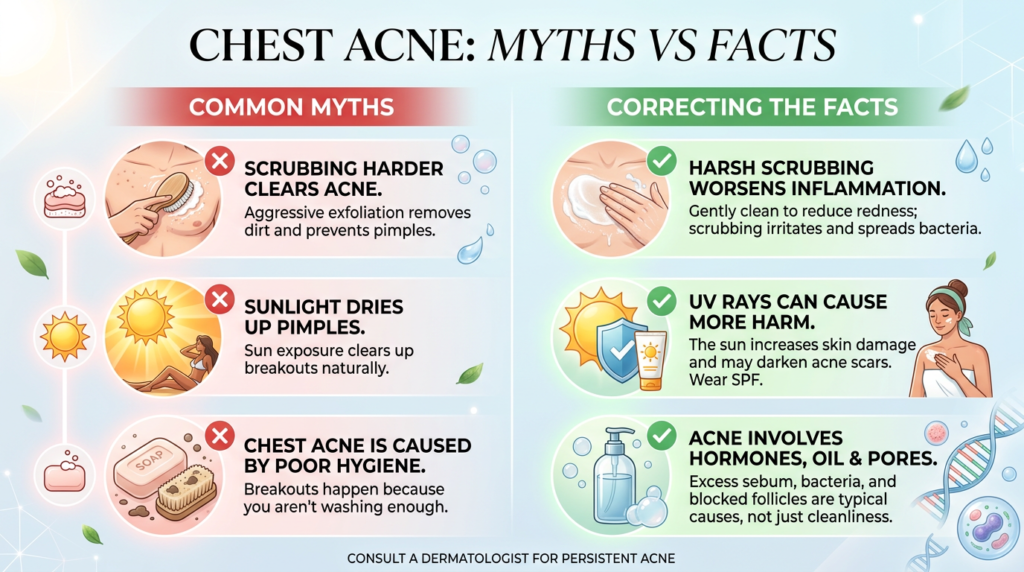
After 10+ years in this space, the amount of misinformation I see still makes me twitch. Let me set the record straight on a few persistent myths:
Myth: “You Need to Exfoliate Harder”
Reality: Aggressive scrubbing damages your skin barrier, triggers more oil production, and spreads bacteria. Gentle chemical exfoliation (AHAs/BHAs) always beats physical scrubbing for acne-prone skin. Put down the walnut scrub. Please. 🙂
Myth: “Sun Exposure Clears Acne”
Reality: UV rays might temporarily dry out pimples, but they cause inflammation, hyperpigmentation, and long-term skin damage. The World Health Organization classifies UV radiation as a Group 1 carcinogen. Tanning is not a treatment plan.
Myth: “Chest Acne Means You’re Dirty”
Reality: Acne is primarily driven by hormones, genetics, and immune response — not cleanliness. Over-washing can actually strip your skin’s protective barrier and worsen breakouts. If someone tells you to “just wash more,” feel free to ignore them.
When to See a Dermatologist
Look, I’m a big advocate for at-home chest acne remedies. But there are clear signs you need professional help:
- Deep, painful cystic lesions that don’t respond to OTC treatments after 8 weeks
- Scarring or dark marks that are spreading or worsening
- Acne accompanied by other symptoms like irregular periods, excessive hair growth, or sudden weight changes (which may signal a hormonal disorder)
- Emotional impact — if chest acne is affecting your confidence, relationships, or daily life, that alone justifies a visit. No shame in that, ever.
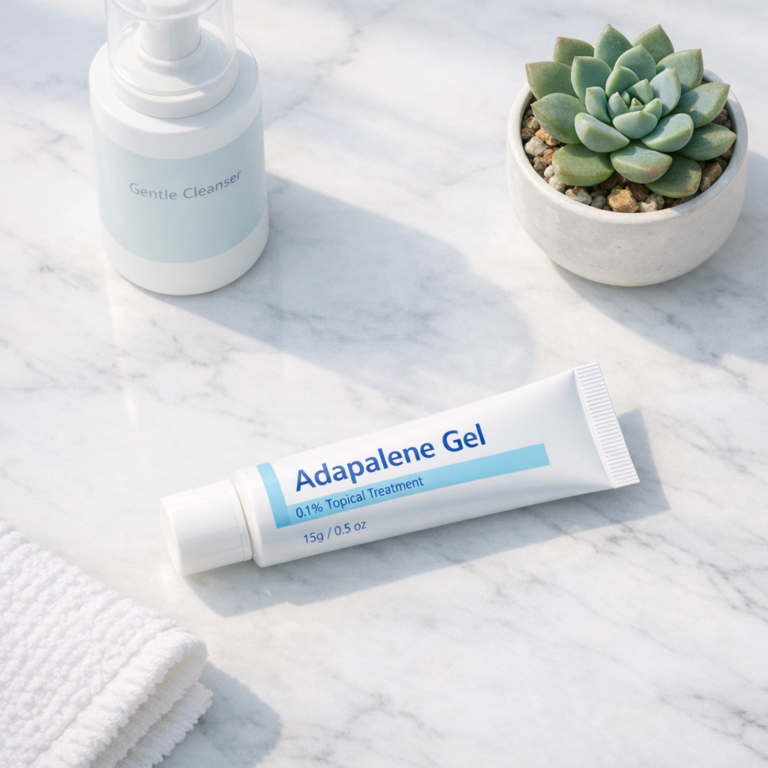
A dermatologist can prescribe retinoids, oral antibiotics, spironolactone, or even isotretinoin for severe cases. These tools are powerful and sometimes necessary. If you’re just getting started on your skin journey, my Start Here page lays out a clear roadmap for figuring out your next steps.
Frequently Asked Questions
What causes chest acne in adults?
Chest acne in adults stems primarily from clogged pores caused by excess sebum, sweat, friction from tight clothing, hormonal fluctuations, and comedogenic body care products. Stress and high-glycemic diets can also contribute significantly to persistent breakouts on the chest.
How long does it take for chest acne to clear up?
With consistent use of proven ingredients like salicylic acid or benzoyl peroxide, most people notice meaningful improvement within 4 to 6 weeks. Severe or cystic chest acne may take 8 to 12 weeks and potentially require prescription-strength treatment from a dermatologist.
Is chest acne hormonal?
It absolutely can be. Androgen hormones stimulate oil glands on the chest, and fluctuations during menstrual cycles, puberty, pregnancy, or high-stress periods frequently trigger breakouts. If you suspect a hormonal component, blood work through your doctor can confirm it. NGL, hormonal acne is one of the trickiest types to manage without professional guidance.
Can I pop chest acne?
Hard no. The chest is extremely prone to hypertrophic scarring and keloid formation. Popping pushes bacteria deeper into the skin, intensifies inflammation, and dramatically increases permanent scarring risk. Use spot treatments instead — your future self will thank you.
What body wash is best for chest acne?
Body washes with 2% salicylic acid work best for most people as a daily chest acne treatment. For more inflammatory acne, a 5-10% benzoyl peroxide wash used as a short-contact treatment offers stronger antibacterial action. Always choose fragrance-free, non-comedogenic formulas.
My Top Recommended Gear
These are the products I personally use and recommend to anyone serious about clearing chest acne. I’ve tested dozens — these consistently deliver:
- PanOxyl 10% Benzoyl Peroxide Acne Body Wash — The gold standard for antibacterial body cleansing. I use this 3-4 times per week as a short-contact treatment and it consistently keeps breakouts at bay.
- CeraVe SA Body Wash for Rough and Bumpy Skin — Salicylic acid plus ceramides means you get exfoliation without wrecking your moisture barrier. I alternate this with PanOxyl on off days.
- AmLactin Daily 12% Lactic Acid Moisturizing Body Lotion — A lactic acid lotion that gently exfoliates, hydrates, and helps fade post-acne marks. This is my nighttime go-to for keeping chest skin smooth and preventing new clogs.
Disclaimer: This post contains affiliate links. As an Amazon Associate, I may earn a commission from qualifying purchases at no additional cost to you.