CeraVe Acne Control Cleanser Review: Is It Worth It?
Let me cut straight to it: this CeraVe Acne Control Cleanser review exists because I’m tired of watching people waste money on products that either torch their skin barrier or do absolutely nothing. You’ve got acne. It’s frustrating. And every brand claims their cleanser is “the one.” CeraVe has built a cult following for being dermatologist-recommended and affordable—but does their acne-focused cleanser actually deliver, or is it just riding the brand’s coattails? I’ve spent eight weeks testing this thing on my perpetually oily, breakout-prone skin, and I’m about to give you the unfiltered truth.
Table of Contents
- Quick Verdict: Should You Buy It?
- What Is CeraVe Acne Control Cleanser?
- Key Ingredients Breakdown
- My 8-Week Testing Experience
- Who Should (and Shouldn’t) Use This Cleanser
- How It Stacks Up Against Competitors
- Acne Cleanser Myths I Need to Debunk
- How to Use It for Maximum Results
- Frequently Asked Questions
- My Top Recommended Gear
Quick Verdict: Should You Buy It?
CeraVe Acne Control Cleanser is a solid, affordable choice for mild to moderate acne, particularly for those with oily or combination skin. The 2% salicylic acid formula effectively unclogs pores without destroying your moisture barrier, thanks to ceramides and niacinamide. It won’t replace prescription treatments for severe acne, but it earns a spot in most acne-fighting routines.
Look, I’ve tested dozens of acne cleansers over my decade-plus in this field. This one sits comfortably in my “legitimately good” category—not life-changing, but genuinely effective for what it’s designed to do. If you’re just starting your journey with acne treatments, this cleanser provides a smart foundation without the learning curve of more aggressive options.
What Is CeraVe Acne Control Cleanser?
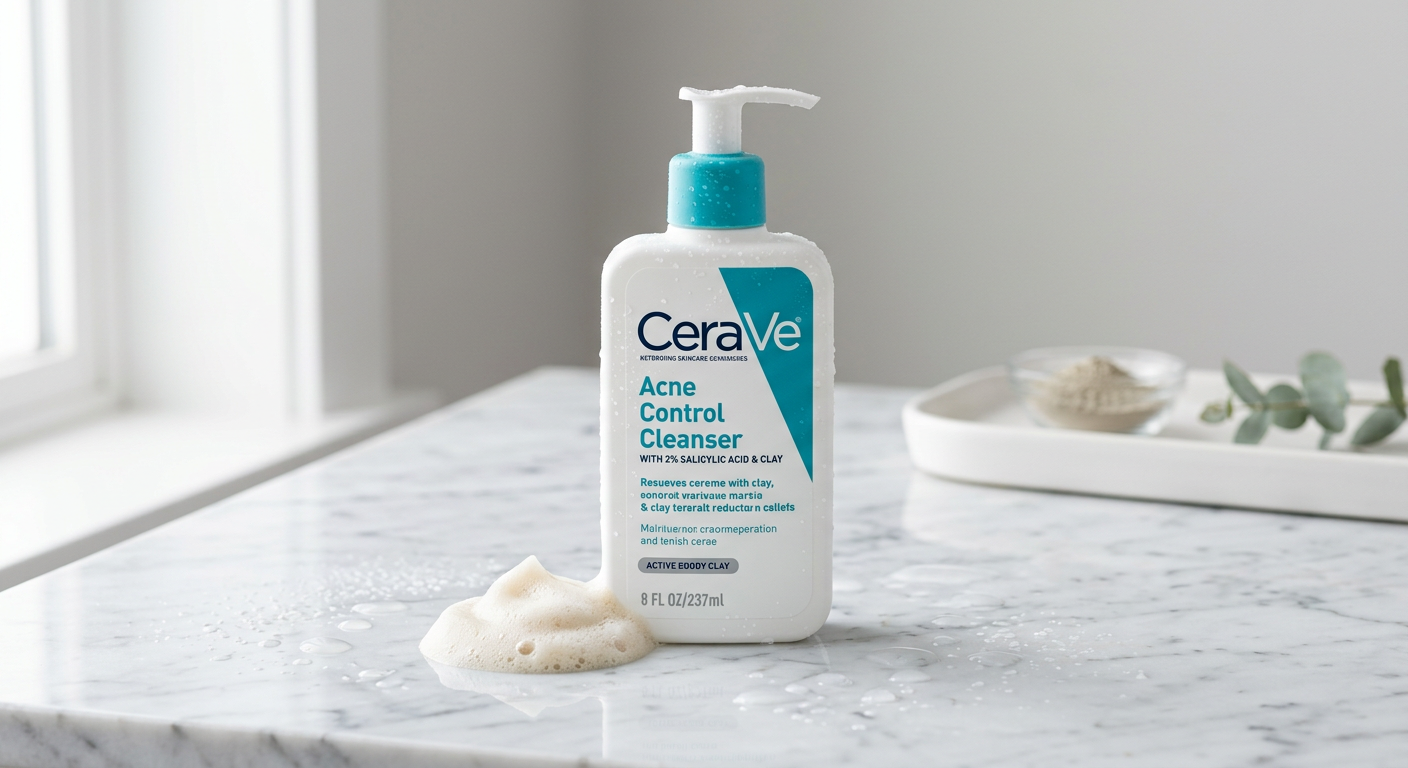
CeraVe Acne Control Cleanser (also marketed as CeraVe Acne Foaming Cream Cleanser in some regions) is a salicylic acid cleanser containing 2% salicylic acid—the maximum concentration allowed in over-the-counter products per FDA regulations. What separates it from countless other acne cleansers flooding drugstore shelves is CeraVe’s signature approach: treating acne while simultaneously supporting skin barrier function.
The brand developed this cleanser with dermatologists, incorporating their patented MVE (MultiVesicular Emulsion) technology that slowly releases moisturizing ingredients over time. It’s essentially their way of saying, “We’ll fight your acne, but we won’t leave your skin looking like the Sahara Desert afterward.”
Key Ingredients Breakdown
I’m a firm believer that understanding why something works matters just as much as knowing if it works. Here’s what’s actually inside this bottle:
Salicylic Acid (2%)
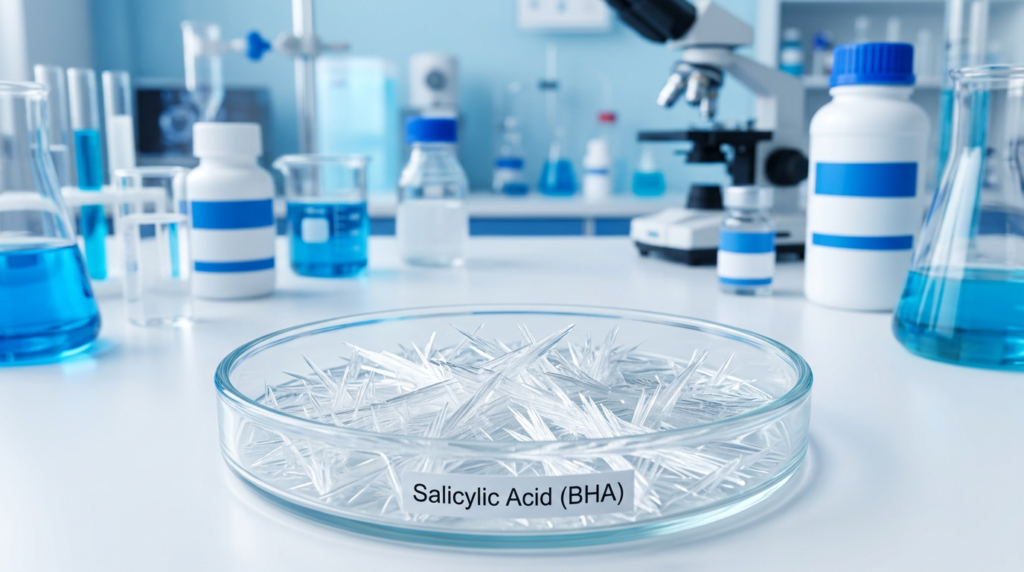
The star player. Salicylic acid is a beta-hydroxy acid (BHA) that’s oil-soluble, meaning it can penetrate into your pores and dissolve the gunk clogging them. According to research published in the Journal of Clinical and Aesthetic Dermatology, salicylic acid effectively reduces both inflammatory and non-inflammatory acne lesions. For acne-prone skin, it’s basically your best friend.
Niacinamide
This multitasking ingredient calms inflammation, helps regulate sebum production, and strengthens the skin barrier. It’s the “peacekeeper” in this formula, making sure the salicylic acid doesn’t cause unnecessary drama.
Ceramides (1, 3, 6-II)
These lipids naturally exist in your skin and form the “mortar” between your skin cells. Most acne cleansers strip these away; CeraVe adds them back. Smart move, honestly.
Hyaluronic Acid
Attracts and holds moisture. Even if you have an oily skin cleanser preference, hydration matters—dehydrated skin often overproduces oil to compensate.
If you’re new to understanding different acne types and how ingredients target them, I’ve written a comprehensive guide that breaks it all down.
My 8-Week Testing Experience
Alright, here’s where this skincare review gets personal. I tested CeraVe Acne Control Cleanser for eight weeks straight, using it twice daily on my oily, acne-prone skin. No other new products were introduced during this period—I needed clean data.
Week 1-2: The Adjustment Phase
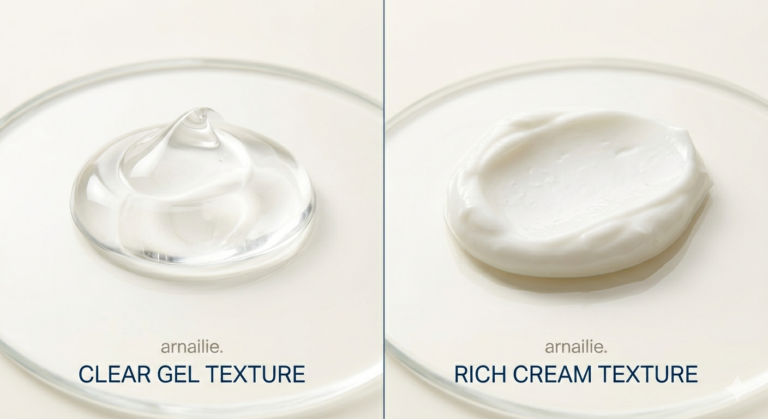
First impression? The texture is creamy but foams up nicely. It doesn’t have that “chemical peel in a bottle” feeling that some acne cleansers give. My skin felt clean but not stripped—a good sign. No dramatic purging, but no miracles either. Patience, grasshopper.
Week 3-4: Subtle Shifts
Here’s where things got interesting. My usual mid-month hormonal breakout was noticeably milder. Blackheads on my nose appeared less prominent. Oil control throughout the day improved marginally—I wasn’t blotting by noon anymore. IMO, this is when the salicylic acid started earning its keep.
Week 5-8: The Verdict Takes Shape
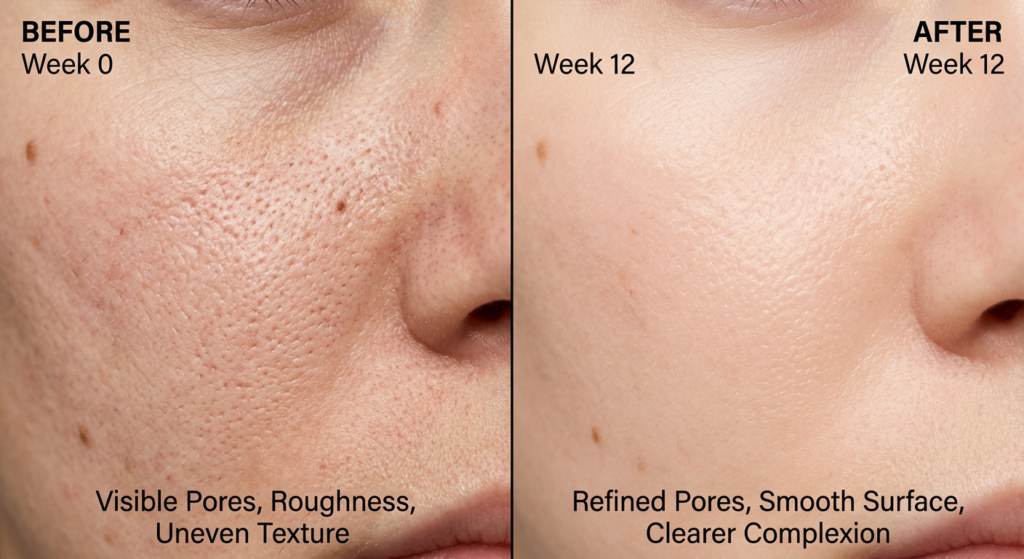
By week six, my overall skin texture felt smoother. Those tiny bumps along my jawline (closed comedones, for the technical folks) had significantly diminished. Did I achieve glass skin? Nope. But my acne situation improved by what I’d estimate at 40-50%—substantial for a drugstore cleanser.
Who Should (and Shouldn’t) Use This Cleanser
Let me save you some trial and error. This acne treatment cleanser isn’t universally perfect—no product is.
You’ll Probably Love It If:
- You have mild to moderate acne (whiteheads, blackheads, occasional inflammatory pimples)
- Your skin leans oily or combination
- Previous acne cleansers have left your skin feeling tight and irritated
- You want a budget-friendly option (typically $12-15 for a 5 oz bottle)
- You’re building a routine and need a solid foundation
You Might Want to Skip It If:
- You have severe cystic acne (you need stronger interventions—talk to a derm)
- Your skin is extremely dry or eczema-prone
- You’re allergic to salicylic acid or any listed ingredients
- You’re already using multiple exfoliating products
For those dealing with specific skin concerns beyond basic acne, I’ve got resources that can help you narrow down your needs.
How It Stacks Up Against Competitors
No acne cleanser review is complete without context. Here’s how CeraVe compares to other popular options I’ve tested:
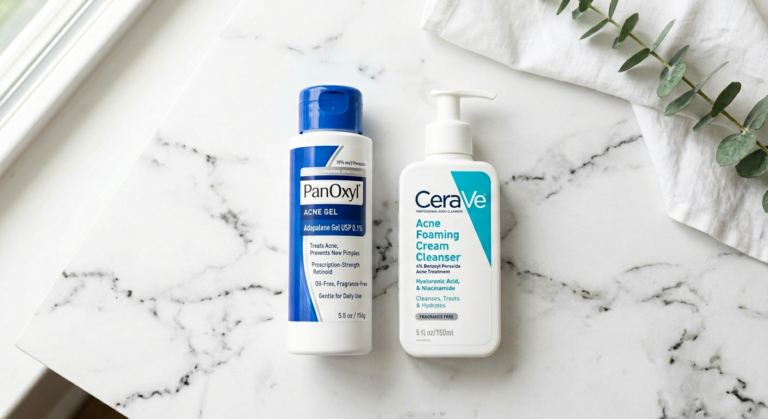
CeraVe vs. PanOxyl (Benzoyl Peroxide)
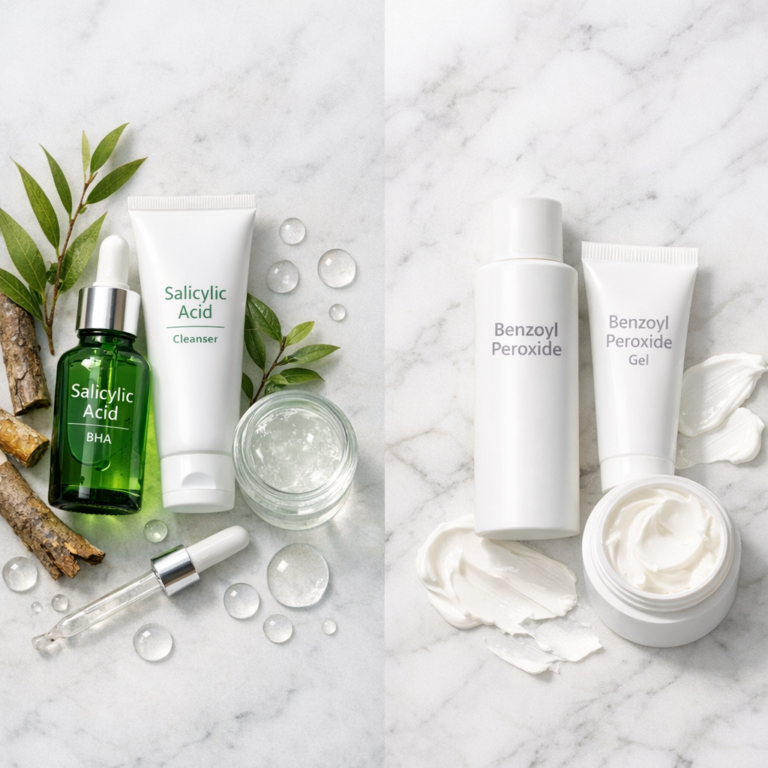
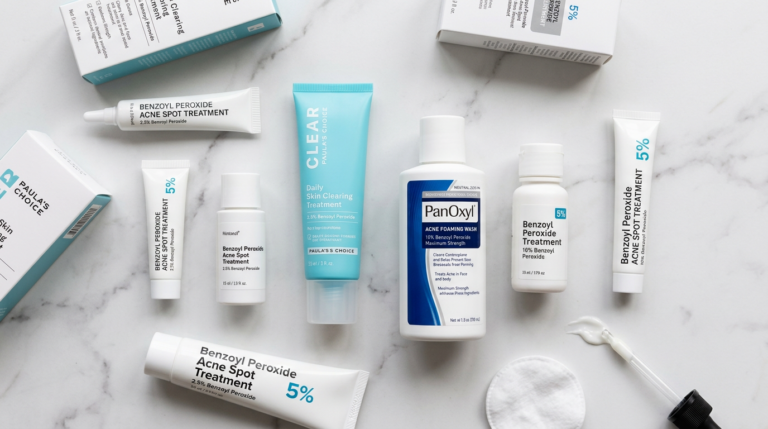
PanOxyl uses benzoyl peroxide, which kills acne-causing bacteria directly. It’s more aggressive and can bleach your towels and pillowcases. CeraVe’s salicylic acid approach focuses on unclogging pores rather than bacterial elimination. For more details, check out my full PanOxyl review. Different mechanisms, different use cases—many people benefit from rotating between both.
CeraVe vs. La Roche-Posay Effaclar
Both are gentle, dermatologist-recommended options. Effaclar runs about 30% more expensive for similar results. Unless you’ve tried CeraVe and it hasn’t worked, save your money.
CeraVe vs. Neutrogena Oil-Free Acne Wash
Neutrogena is harsher and more stripping. If your skin can handle it, great. If you’ve experienced the “squeaky clean” feeling that leads to rebound oiliness, CeraVe’s gentler approach will serve you better.
Expert Commentary: Dr. Alexis Stephens provides an excellent breakdown of how salicylic acid cleansers work on acne-prone skin and what realistic expectations look like—worth watching before you buy anything.
Acne Cleanser Myths I Need to Debunk
After 10+ years in this space, certain myths make me want to flip tables. Let’s address a few:
Myth #1: “Your Cleanser Should Make Your Skin Feel Tight”
NOPE. That “tight” feeling means you’ve stripped your moisture barrier. Your skin will panic and produce more oil. CeraVe avoiding this trap is actually a feature, not a weakness. 🙂
Myth #2: “Cleansers Don’t Stay on Long Enough to Work”
Research from the American Academy of Dermatology confirms that active ingredients in cleansers do provide benefits, even with brief contact time. You’re not wasting money on a cleanser versus a leave-on product—they work synergistically.
Myth #3: “Natural Products Are Better for Acne”
I’ve tested countless “clean beauty” acne products. Most underperform compared to clinically-proven ingredients like salicylic acid. Nature doesn’t automatically mean effective or safe. Evidence-based formulations win every time.
How to Use It for Maximum Results
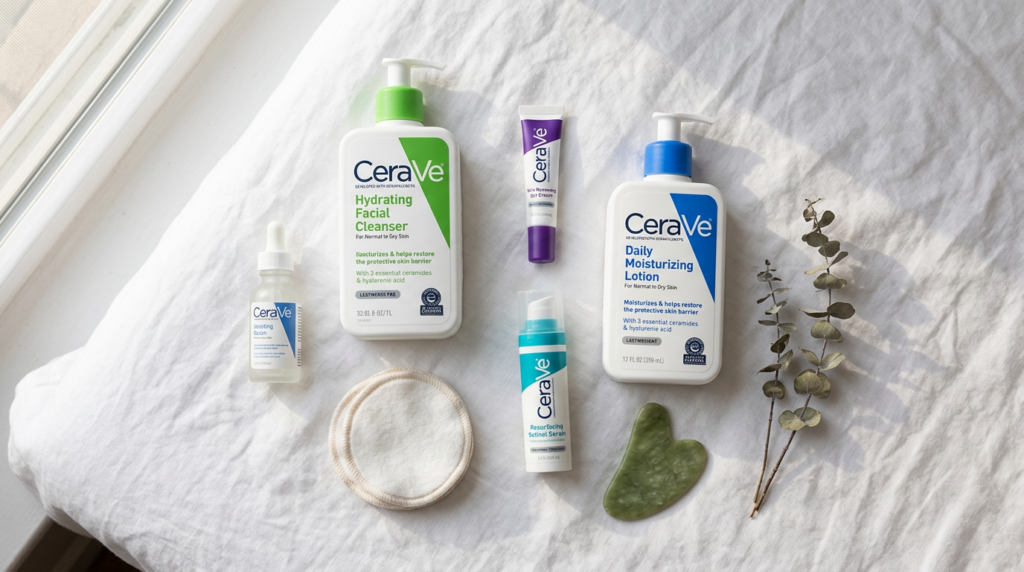
Here’s my tested protocol for getting the most out of this CeraVe cleanser:
Step 1: Wet Your Face with Lukewarm Water
Hot water = irritation. Cold water = pores won’t release as much debris. Lukewarm is the sweet spot.
Step 2: Apply a Dime-Sized Amount
More product doesn’t mean better results. It means wasted product and potential irritation.
Step 3: Massage for 60 Seconds
Most people rush this. Give the salicylic acid time to interact with your skin. Focus on problem areas without aggressive scrubbing.
Step 4: Rinse Thoroughly
Residue left behind can cause irritation. Take your time here.
Step 5: Follow with Your Routine
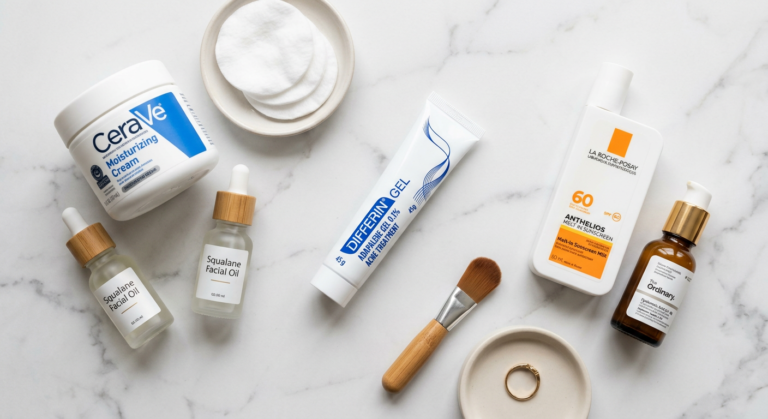
Apply your treatments (consider pairing with something like Differin Gel for enhanced results), then moisturize. Yes, even oily skin needs moisturizer.
If you’re completely new to building an acne-fighting routine, start here for a beginner-friendly roadmap.
Frequently Asked Questions
Is CeraVe Acne Control Cleanser good for sensitive skin?
Yes, CeraVe Acne Control Cleanser is formulated with ceramides and niacinamide to support the skin barrier, making it more tolerable for sensitive skin compared to many other acne cleansers. However, if you have extremely reactive skin, patch testing is still recommended.
How often should I use CeraVe Acne Control Cleanser?
Most people can use this cleanser twice daily—morning and night. However, if you’re new to salicylic acid or have dry skin, start with once daily and gradually increase frequency as your skin adjusts.
Can I use CeraVe Acne Control Cleanser with retinol?
Yes, you can use this cleanser alongside retinol products. Since it rinses off, the salicylic acid exposure is brief. However, monitor your skin for signs of over-exfoliation like excessive dryness or irritation.
How long does it take to see results from CeraVe Acne Control Cleanser?
Most users notice improvements in skin texture and reduced breakouts within 4-6 weeks of consistent use. For significant acne clearing, expect to use the product for 8-12 weeks before making a final judgment.
Is this cleanser cruelty-free?
CeraVe is not certified cruelty-free, as some products are sold in markets requiring animal testing. If this is important to you, consider alternatives.
For more honest reviews on acne-fighting products, browse my complete product reviews section.
My Top Recommended Gear
If you’re ready to build out your routine around this cleanser, here are three products I personally recommend:
- CeraVe Acne Foaming Cream Cleanser – The star of this review. Grab it and start your journey.
- CeraVe PM Facial Moisturizing Lotion – Lightweight, contains niacinamide, and won’t clog pores. The perfect partner for this cleanser.
- Differin Adapalene Gel 0.1% – For those ready to level up their acne treatment. This retinoid pairs beautifully with a gentle salicylic acid cleanser.
Final Thoughts
After eight weeks and countless face washes, my verdict on the CeraVe Acne Control Cleanser is genuinely positive. It’s not a miracle worker—no cleanser is—but it delivers consistent, measurable results without the collateral damage most acne products cause. For $12-15, you’re getting a dermatologist-formulated, barrier-friendly cleanser that actually works for mild to moderate acne.
Will it clear severe cystic acne? No. Will it replace a comprehensive skincare routine? Also no. But as one piece of a smart, evidence-based approach to managing acne-prone skin, it earns its spot. Sometimes the unsexy, consistent performers are exactly what your skin needs.
Now stop reading reviews and go wash your face. 😊
Disclaimer: This post contains affiliate links. As an Amazon Associate, I may earn a commission from qualifying purchases at no additional cost to you.