Best Spot Treatments for Acne for Clearer Skin
Finding the best spot treatments for acne feels like searching for a needle in a haystack—except the haystack is a drugstore aisle filled with 47 different tubes all promising “overnight miracles.” I’ve spent over a decade dissecting skincare formulations, and here’s the uncomfortable truth: about 80% of those products are overpriced water with fancy marketing. The remaining 20%? They actually work, and I’m going to show you exactly which ones deserve your money and your bathroom shelf space.
If you’ve ever woken up the morning of an important event with a fresh pimple screaming “hello world” from your chin, you know the desperation. You need fast acne relief, not another product that takes six weeks to “maybe” show results. Let me cut through the noise and give you the real talk on what actually obliterates breakouts.
Table of Contents
- What Actually Makes a Spot Treatment Effective?
- The Top 5 Proven Acne-Fighting Ingredients
- Best Spot Treatments Worth Your Money
- Advanced Application Techniques Most People Get Wrong
- Acne Spot Treatment Myths I’m Tired of Hearing
- When to Ditch OTC and See a Dermatologist
- Frequently Asked Questions
- My Top Recommended Gear
What Actually Makes a Best Spot Treatments for Acne Effective?
An effective acne spot treatment must contain clinically-proven active ingredients at therapeutic concentrations, penetrate the pore to target bacteria and inflammation, and work without destroying your skin barrier. The best options combine antibacterial, anti-inflammatory, and keratolytic properties.
Here’s something the skincare industry doesn’t want you to know: the “proprietary blend” on most labels is usually code for “we used trace amounts of good stuff.” Real pimple treatment efficacy comes down to three factors I evaluate every single time:
- Active ingredient concentration: Benzoyl peroxide needs to be at least 2.5% to matter. Salicylic acid? At least 0.5%.
- Vehicle formulation: How the product delivers ingredients into your skin is just as important as what those ingredients are.
- pH level: Salicylic acid is basically useless above pH 4. Many brands ignore this entirely.
According to the American Academy of Dermatology, targeted spot treatments can reduce inflammation and kill acne-causing bacteria when formulated correctly. The keyword here is “correctly”—and that’s where most products fall short. If you’re new to treating acne, I recommend checking out our comprehensive starting guide to build a solid foundation.
The Top 5 Proven Acne-Fighting Ingredients
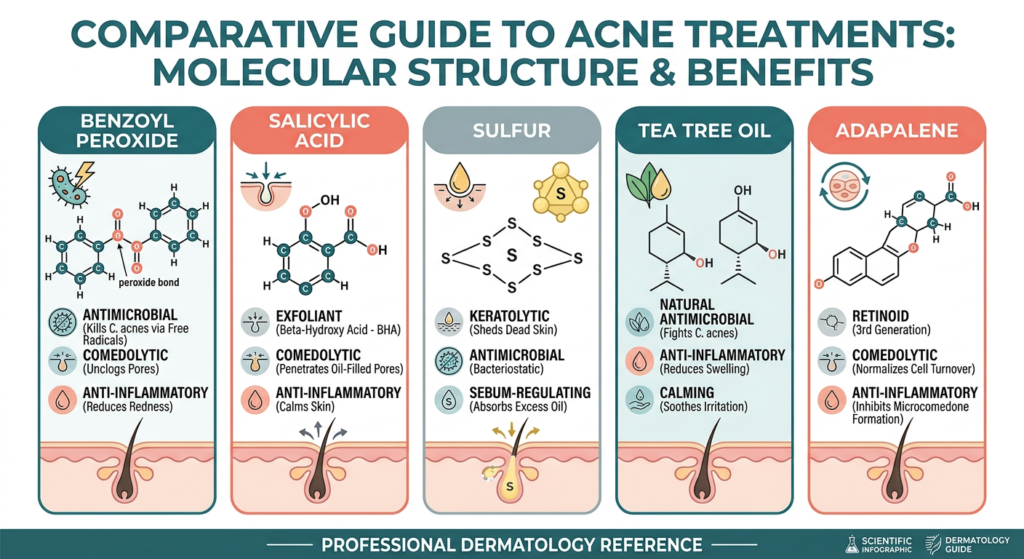
I’ve analyzed hundreds of formulations, and these five ingredients consistently deliver results backed by peer-reviewed research:
1. Benzoyl Peroxide (The Nuclear Option)
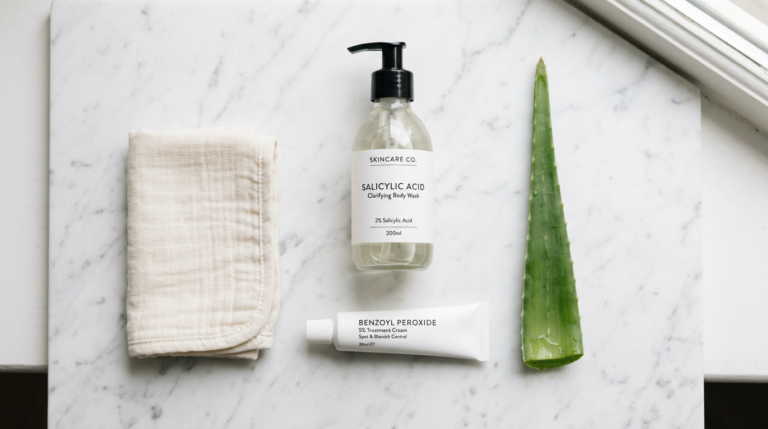
This is my go-to for angry, inflamed pimples that need immediate attention. Benzoyl peroxide kills Cutibacterium acnes bacteria on contact and introduces oxygen into the pore environment where these anaerobic bacteria can’t survive. The National Library of Medicine confirms its effectiveness as a first-line breakout treatment.
Pro tip: 2.5% works just as well as 10% with significantly less irritation. Higher concentration ≠ better results. Trust me on this one. For a solid benzoyl peroxide option, check out our PanOxyl review.
2. Salicylic Acid (The Pore Unclogger)
A beta-hydroxy acid that’s oil-soluble, meaning it can actually penetrate into your clogged pores and dissolve the gunk inside. It’s particularly brilliant for blackheads and whiteheads. Look for concentrations between 0.5% and 2%.
3. Adapalene (The Retinoid Game-Changer)
Once prescription-only, now available OTC as Differin. This retinoid normalizes skin cell turnover, preventing the dead skin buildup that clogs pores in the first place. It’s playing the long game—results take 8-12 weeks, but they’re worth the wait. I break down everything you need to know in my Differin Gel review.
4. Sulfur (The Underrated Classic)
Sulfur has been treating acne since ancient times, and there’s a reason it’s still around. It absorbs excess oil and has mild antibacterial properties. It’s gentler than benzoyl peroxide, making it ideal for sensitive skin types. The smell? Not great. The results? Solid.
5. Niacinamide (The Support Player)
While not a standalone blemish remover, niacinamide at 4-5% reduces inflammation and helps regulate sebum production. I use it as part of my overall acne skincare routine to support other active treatments.
Best Spot Treatments Worth Your Money
After testing more products than I care to admit (RIP, my bathroom storage space), here are the spot treatments that actually deliver on their promises:
For Inflammatory Pimples: La Roche-Posay Effaclar Duo
This French pharmacy staple combines benzoyl peroxide with lipohydroxy acid for a one-two punch against inflammation. It’s my personal favorite for those painful under-the-skin bumps. Read my detailed breakdown in the La Roche-Posay Effaclar Duo review.
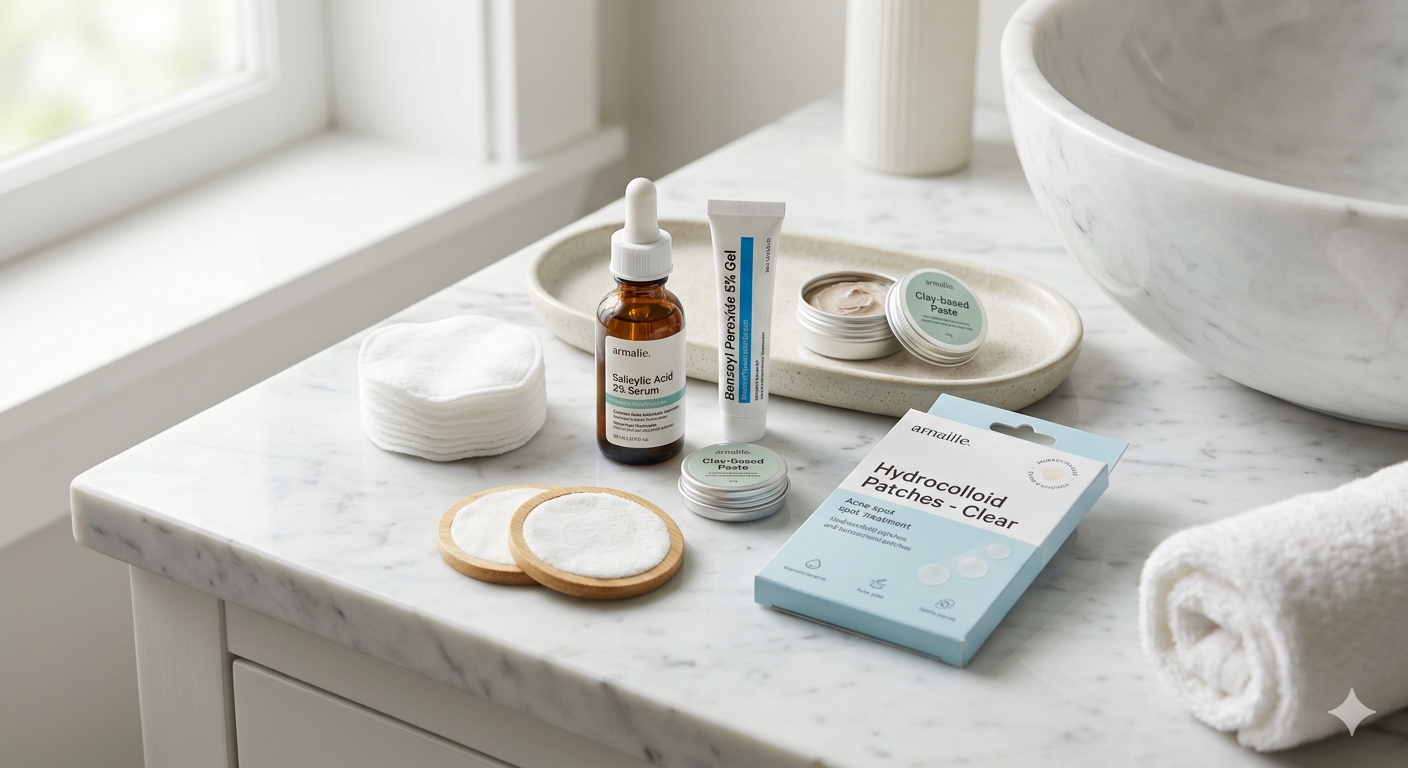
For Cystic Acne: Hydrocolloid Patches + Benzoyl Peroxide
Hydrocolloid patches create a moist healing environment and protect the area from picking (we’ve all been there). Apply a thin layer of BP underneath, then the patch. Game changer 🙂
For Whiteheads: Salicylic Acid Spot Treatments
Paula’s Choice 2% BHA Liquid is technically an exfoliant, but dabbed directly on whiteheads, it works brilliantly as a spot treatment. The texture is light enough not to mess with makeup application.
Advanced Application Techniques Most People Get Wrong
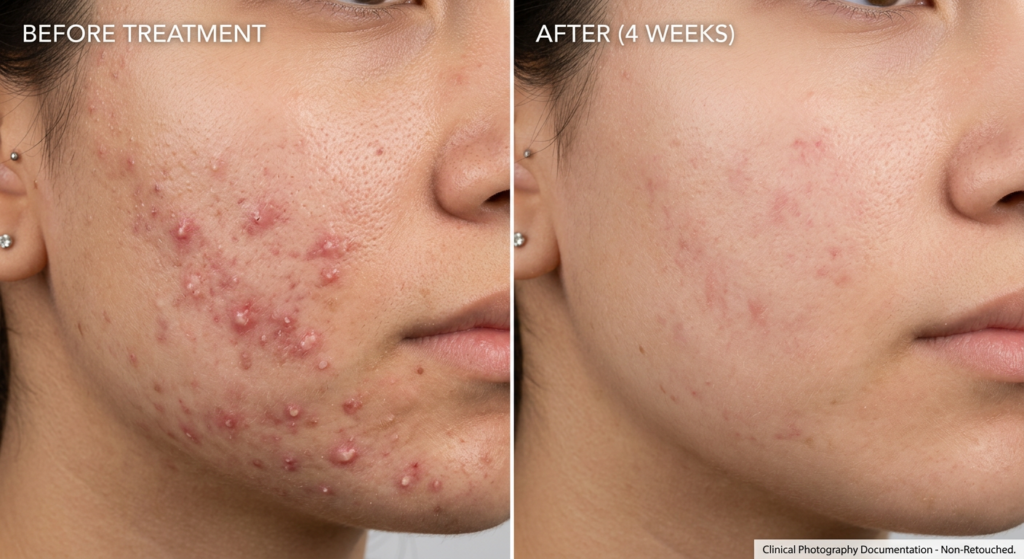
I see people making the same mistakes repeatedly when it comes to acne spot treatment application. Let me save you some frustration:
The “More is More” Fallacy
Slathering a thick layer of spot treatment doesn’t make it work faster. You’re just wasting product and increasing irritation risk. A thin, targeted layer is all you need. Your skin can only absorb so much active ingredient at once.
Timing Matters More Than You Think
Apply spot treatments to clean, completely dry skin. Wet skin dilutes the concentration and can cause the product to spread beyond the target area. I wait a full two minutes after cleansing before applying. If you need a good cleanser to prep your skin, my CeraVe Acne Control Cleanser review covers an excellent option.
The Contact Time Secret
For benzoyl peroxide, short-contact therapy (applying for 5-10 minutes, then rinsing) can be just as effective as leaving it on, with way less irritation. This technique is backed by research published in the JAMA Dermatology journal. IMO, this is the most underutilized technique for sensitive skin types.
Expert Commentary: Dr. Shereene Idriss breaks down the science of spot treatments in this video, and her no-nonsense approach aligns perfectly with everything I’ve shared—definitely worth 10 minutes of your time.
Acne Spot Treatment Myths I’m Tired of Hearing
Let’s clear up some nonsense that’s been circulating for way too long:
Myth: Toothpaste Works as a Spot Treatment
Reality: Please stop doing this. Toothpaste contains sodium lauryl sulfate, menthol, and other ingredients designed for teeth enamel, not facial skin. You’ll end up with chemical burns and potentially worse breakouts. Understanding different acne types helps you choose appropriate treatments.
Myth: You Should Pop Pimples Before Applying Treatment
Reality: Popping spreads bacteria, causes scarring, and can push infection deeper into the skin. Spot treatments work on intact pimples. The only exception: if a whitehead has naturally come to a head, gentle extraction with clean tools might be okay. But honestly, just leave it alone.
Myth: Natural Means Safer
Reality: Lemon juice, apple cider vinegar, and essential oils can cause serious chemical burns and photosensitivity. The FDA has issued warnings about citrus-based skincare causing severe reactions. Stick to formulated products with tested concentrations.
When to Ditch OTC and See a Dermatologist
I’m a huge advocate for over-the-counter solutions, but I also know their limits. Here’s when you need professional intervention:
- Cystic or nodular acne: Deep, painful lesions that don’t respond to OTC treatments often require prescription-strength retinoids or antibiotics.
- Scarring: If you’re developing ice pick scars or hyperpigmentation despite treatment, early dermatological intervention can prevent permanent damage.
- Three months without improvement: If you’ve been consistent with a solid routine and seen zero progress, something else is going on.
- Hormonal patterns: Breakouts tied to your menstrual cycle or appearing primarily around the jawline may need hormonal therapy.
For various skin concerns beyond basic acne, professional evaluation helps identify underlying causes that topicals can’t address.
Frequently Asked Questions
How long does it take for spot treatments to work?
Most effective spot treatments show visible results within 24-48 hours for surface-level pimples. Deeper cystic acne may require 3-5 days of consistent application. Benzoyl peroxide typically works fastest, while retinoids provide better long-term results.
Can I use multiple spot treatments at once?
Layering multiple spot treatments is generally not recommended as it can cause severe irritation, dryness, and compromise your skin barrier. Stick to one active treatment per application. If needed, alternate between different treatments on different days.
Should I apply spot treatment before or after moisturizer?
Apply spot treatment directly to clean, dry skin before moisturizer for maximum penetration. Wait 1-2 minutes for the treatment to absorb, then apply moisturizer around (not over) the treated areas to avoid diluting the active ingredients.
Are natural spot treatments as effective as chemical ones?
Tea tree oil is the only natural ingredient with substantial clinical evidence supporting its effectiveness against acne. However, it typically works slower than benzoyl peroxide or salicylic acid. Most DIY remedies like toothpaste or lemon juice can actually damage skin and worsen breakouts.
For more treatment options and in-depth analysis, explore our complete acne treatments guide and product reviews section.
My Top Recommended Gear
These are the products I personally use and recommend to anyone serious about clear skin tips and achieving lasting results:
- Benzoyl Peroxide Spot Treatment: PanOxyl Acne Spot Treatment – Medical-grade formulation at a drugstore price point.
- Hydrocolloid Patches: Mighty Patch Original – The best absorption and staying power I’ve tested.
- Retinoid Treatment: Differin Adapalene Gel 0.1% – Former prescription-strength, now accessible to everyone.
Disclaimer: This post contains affiliate links. As an Amazon Associate, I may earn a commission from qualifying purchases at no additional cost to you.