Best Products for Dark Marks After Acne That Work
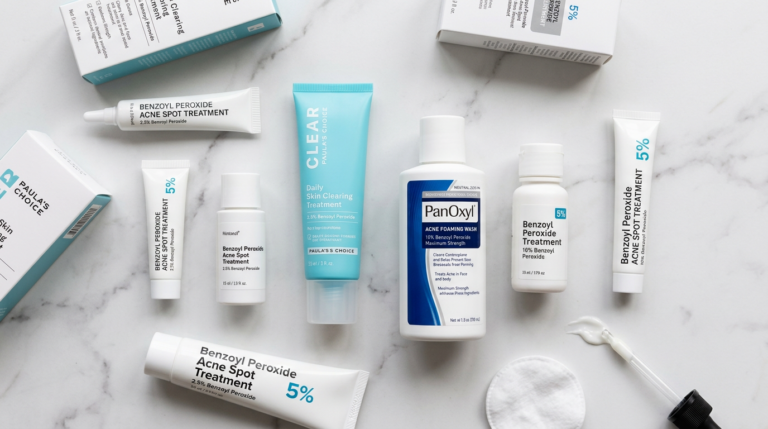
Finding the best products for dark marks after acne feels like navigating a minefield of overpromising serums and underwhelming results. You cleared the breakouts — congrats — but now you’re staring at a constellation of brown and reddish spots that make your skin look like it’s still fighting a war it already won. Frustrating, right? The acne is gone, but the evidence lingers. I’ve spent over a decade testing, recommending, and obsessing over hyperpigmentation products, and I’m going to cut through the noise and tell you exactly what fades dark marks after acne — and what’s a waste of your money.
If you’re brand new to treating post-breakout skin, I recommend starting with our beginner’s guide for a solid foundation.
Table of Contents
- What Are Dark Marks After Acne, Really?
- Why Your Dark Marks Won’t Fade (And What You’re Doing Wrong)
- The Active Ingredients That Actually Fade Acne Discoloration
- Best Products for Dark Marks After Acne: My Proven Picks
- How to Build a Dark Mark–Fading Routine That Delivers
- Myth-Busting: What Doesn’t Work for Post-Acne Marks
- FAQ: Your Dark Mark Questions, Answered
- My Top Recommended Gear
What Are Dark Marks After Acne, Really?
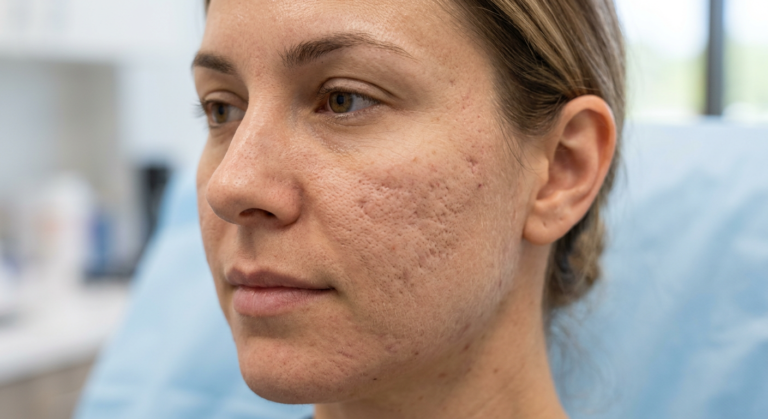
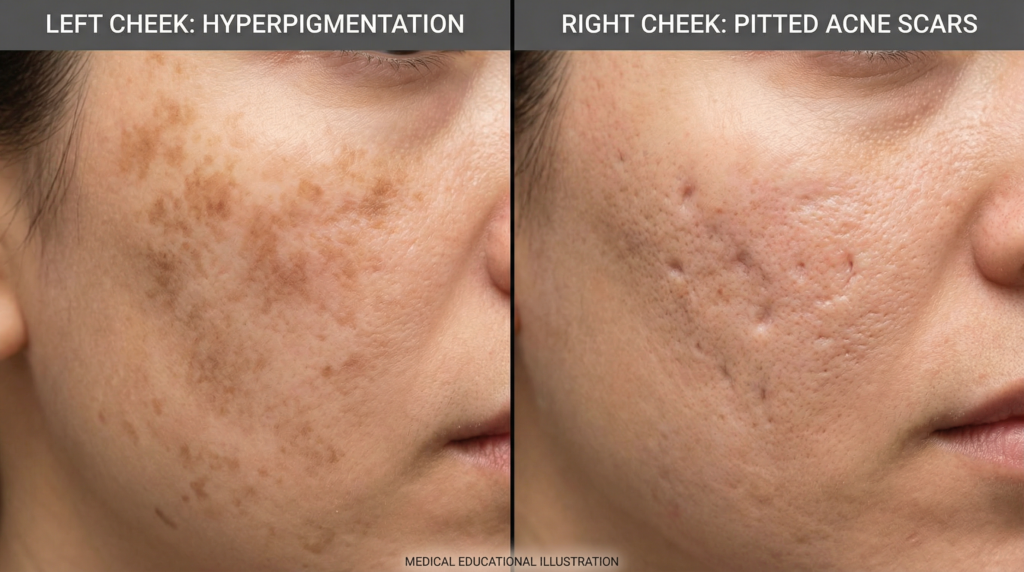
Dark marks after acne, clinically called post-inflammatory hyperpigmentation (PIH), are flat spots of excess melanin left behind after a pimple heals. They are NOT scars. They sit on the surface of the skin, don’t involve textural damage, and respond well to topical treatments with the right active ingredients when used consistently over 6–12 weeks.
Here’s what’s actually happening under your skin: when acne triggers inflammation, your melanocytes (the cells that produce pigment) go into overdrive. They dump extra melanin into the surrounding tissue as part of the healing response. The zit disappears, but that concentrated pigment stain stays put. People with darker skin tones (Fitzpatrick types III–VI) experience this more intensely because their melanocytes are more reactive, according to research published by the National Institutes of Health.
Understanding the difference between these flat discolorations and actual textural scarring matters enormously for choosing the right treatment. We break this down in detail in our guide on acne scars vs. dark marks.
Why Your Dark Marks Won’t Fade (And What You’re Doing Wrong)
I can’t tell you how many people message me saying “I’ve been using product X for three weeks and nothing changed.” Three weeks. That’s barely enough time for one skin cell turnover cycle. But beyond impatience, here are the real reasons your post-acne marks are stubbornly hanging around:
- You’re skipping sunscreen. This is the single biggest mistake. UV exposure re-darkens existing pigment and triggers new melanin production. Every dermatologist on the planet will tell you this. The American Academy of Dermatology specifically warns that sun exposure makes PIH significantly worse.
- You’re picking at healing breakouts. Every squeeze and scratch deepens the inflammatory response, which means darker, longer-lasting marks.
- You’re using the wrong actives (or too many at once). Layering five brightening serums doesn’t make them work 5x faster. It makes your skin barrier angry, inflamed, and — you guessed it — more prone to pigmentation.
- You’re not treating active acne simultaneously. New breakouts create new marks. If you’re only addressing discoloration without managing active acne, you’re running on a treadmill. Check our acne treatments guide to get ahead of this cycle.
The Active Ingredients That Actually Fade Acne Discoloration
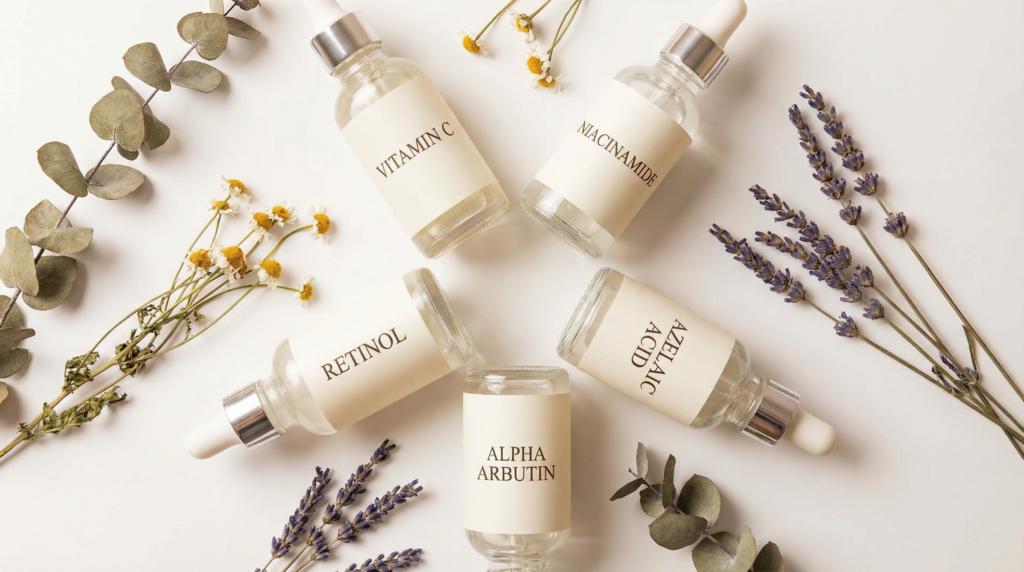
After years of testing and tracking clinical studies, I’ve narrowed the truly effective skincare for dark marks down to a handful of proven ingredients. Forget the trendy TikTok miracles — these are backed by peer-reviewed science:
Vitamin C (L-Ascorbic Acid)
The gold standard tyrosinase inhibitor. It interrupts melanin production at the enzymatic level. I look for concentrations between 10–20% in a stable, low-pH formula. Anything less is cosmetic window dressing.
Niacinamide (Vitamin B3)
This one works differently — it doesn’t stop melanin production but blocks the transfer of melanin to surrounding skin cells. A 5% concentration delivers measurable results, and it plays beautifully with almost every other active. IMO, this is the most underrated brightening ingredient on the market.
Retinoids (Retinol, Adapalene, Tretinoin)
Retinoids accelerate cell turnover, pushing pigmented cells to the surface faster so they shed. Adapalene (Differin) doubles as an acne spot treatment and pigment fader, making it a two-for-one for anyone still dealing with occasional breakouts. Research from PubMed confirms that retinoids significantly improve PIH within 12 weeks.
Alpha Arbutin
A gentler tyrosinase inhibitor derived from bearberry. I recommend this for sensitive skin types who can’t tolerate high-strength vitamin C. It works slowly but steadily.
Azelaic Acid
This is a sleeper hit. At 15–20% concentration, azelaic acid treats active acne AND fades acne discoloration simultaneously. It’s particularly effective for darker skin tones, where aggressive exfoliants can backfire. Learn more about how different skin concerns respond to various treatments on our dedicated page.
Best Products for Dark Marks After Acne: My Proven Picks
I’m not listing 25 products because you don’t need 25 products. You need the right 4–5 in the right order. Here are the hyperpigmentation products I personally trust and recommend based on formulation quality, clinical backing, and real-world results:
For Vitamin C: SkinCeuticals CE Ferulic
Yes, it’s expensive. Yes, it’s worth every penny. The combination of 15% L-ascorbic acid, vitamin E, and ferulic acid is patented for a reason — it delivers 8x photoprotection and visibly brightens dark marks after acne within 4–6 weeks. If budget is tight, the Timeless CE Ferulic offers a solid alternative at a fraction of the price.
For Niacinamide: The Ordinary Niacinamide 10% + Zinc 1%
At under $7, this product has no business being this effective. The zinc helps with residual acne while niacinamide chips away at discoloration. A genuine workhorse 🙂
For Retinoid: Differin Gel (0.1% Adapalene)
Available over-the-counter and clinically proven for both acne and PIH. I recommend introducing it slowly — every other night for the first two weeks — to avoid the retinoid purge that sends people running. We cover the different acne types that respond best to retinoids on our resource page.
For Azelaic Acid: Paula’s Choice 10% Azelaic Acid Booster
Lightweight, layers well under moisturizer, and noticeably evens out post-acne marks within 8 weeks. I use this one myself during summer months when I want to avoid retinoid-related sun sensitivity.
For Sunscreen (Non-Negotiable): EltaMD UV Clear SPF 46
Contains niacinamide, won’t break you out, and actually protects against the UV wavelengths that darken PIH. If you take one thing from this entire article, let it be this: no sunscreen = no results.
Expert Commentary: This video from board-certified dermatologist Dr. Alexis Stephens breaks down the science behind post-inflammatory hyperpigmentation treatment in a way that’s both accessible and clinically accurate — highly worth your 10 minutes.
How to Build a Dark Mark–Fading Routine That Delivers
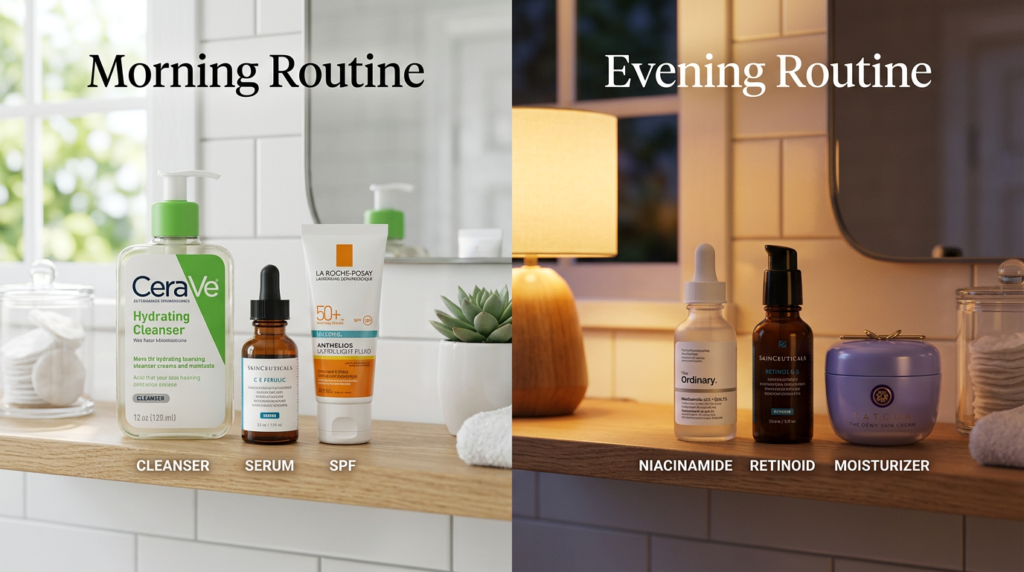
Here’s the exact routine framework I recommend for tackling acne discoloration. Simplicity wins — I’ve seen more people damage their skin barrier with 12-step routines than I’ve seen succeed with them:
Morning Routine
- Gentle cleanser (CeraVe Hydrating or La Roche-Posay Toleriane)
- Vitamin C serum (apply to dry skin, wait 60 seconds)
- Moisturizer
- Broad-spectrum SPF 30+ (reapply every 2 hours if outdoors)
Evening Routine
- Gentle cleanser
- Retinoid OR azelaic acid (alternate nights if using both)
- Niacinamide serum
- Moisturizer
Give this routine 8–12 weeks before judging results. Skin cell turnover takes roughly 28 days, and melanin deposits live deeper than surface-level dead skin. Patience isn’t optional here — it’s the strategy. For more on addressing uneven skin texture after acne, pair this routine with our texture-specific tips.
If your marks are particularly stubborn or deep, consider reading our full breakdown of post-acne hyperpigmentation for advanced treatment options including chemical peels and professional-grade interventions.
Myth-Busting: What Doesn’t Work for Post-Acne Marks
Let me save you some money and frustration. These popular “fixes” either don’t work or actively make things worse:
- Lemon juice: The pH is way too low and unpredictable. You’ll burn your skin and create MORE hyperpigmentation. The FDA doesn’t recognize citrus juice as a safe lightening agent for good reason.
- Baking soda: A pH of 9 on skin that thrives at 4.5–5.5? Nah. This disrupts your acid mantle and invites more breakouts.
- Toothpaste as a spot treatment: This needs to die already. Toothpaste contains sodium lauryl sulfate and other irritants that cause contact dermatitis.
- “Brightening” sheet masks: Fun self-care moment? Sure. Meaningful impact on dark marks after acne? The contact time is too short to deliver real results.
- Aggressive physical scrubs: Micro-tears from walnut shell scrubs trigger — wait for it — more inflammation and more PIH. Use chemical exfoliants instead.
If you’re still dealing with active breakouts alongside discoloration, make sure you understand which acne scars and marks you’re targeting so you choose the right approach.
FAQ: Your Dark Mark Questions, Answered
How long does it take for dark marks after acne to fade?
Without treatment, post-acne marks can take 3 to 24 months to fade naturally. With proven hyperpigmentation products containing vitamin C, niacinamide, or retinoids, most people see noticeable improvement within 6 to 12 weeks of consistent daily use.
Are dark marks after acne the same as acne scars?
No — and this distinction matters hugely for treatment. Dark marks after acne (PIH) are flat discolorations caused by excess melanin. Acne scars involve textural changes like pitting or raised tissue from collagen damage. Dark marks respond to topical products; deep scars often require professional procedures.
Can I use vitamin C and retinol together for dark marks?
Yes, but smart timing is key. I apply vitamin C serum in the morning for antioxidant protection and retinol at night for cell turnover. Using both simultaneously can irritate sensitive skin, so the AM/PM split works best for most people.
Do dark marks after acne fade on their own?
They can, but slowly — sometimes up to two years. Using targeted skincare for dark marks with proven actives dramatically speeds up the process and prevents UV exposure from re-darkening existing spots. Tbh, there’s no good reason to just wait it out when effective products exist.
For a deeper look at why marks linger and the full spectrum of treatment options, visit our comprehensive resource on dark marks after acne.
My Top Recommended Gear
These are the products I keep recommending because they keep delivering. Every pick below targets acne discoloration with clinically backed formulations:
- SkinCeuticals CE Ferulic Vitamin C Serum — The benchmark for brightening serums. Pricey but unmatched in formulation stability. Check price on Amazon
- Differin Adapalene Gel 0.1% — OTC retinoid that fades marks and prevents new breakouts simultaneously. My top acne spot treatment for dual-action results. Check price on Amazon
- EltaMD UV Clear Broad-Spectrum SPF 46 — The sunscreen that actually protects healing skin without causing new breakouts. Non-negotiable for anyone serious about clear skin tips. Check price on Amazon
Disclaimer: This post contains affiliate links. As an Amazon Associate, I may earn a commission from qualifying purchases at no additional cost to you.