Best Moisturizer for Oily Acne-Prone Skin You Need
Finding the best moisturizer for oily acne-prone skin feels like hunting for a unicorn—you’ve tried dozens, and they all either turn your face into an oil slick by noon or trigger a fresh crop of pimples by Tuesday. I get it. After spending over a decade researching skincare formulations and helping thousands figure out their skin concerns, I’ve watched people make the same costly mistakes. They either skip moisturizer entirely (huge mistake) or grab whatever “oil-free” product has the prettiest packaging. Here’s the thing: your oily, breakout-prone skin is actually screaming for hydration—you just need to give it the right kind.Table of Contents
- Why Your Oily Skin Actually Needs Moisturizer
- The Ingredients That Actually Work
- Ingredients to Avoid Like Your Ex’s Texts
- Myth-Busting: What Dermatologists Won’t Tell You
- How to Apply Moisturizer Without Making Things Worse
- Building Your Complete Oily Skin Routine
- Frequently Asked Questions
- My Top Recommended Gear
Why Your Oily Skin Actually Needs Moisturizer
Oily acne-prone skin needs moisturizer because dehydrated skin triggers excess sebum production, worsening breakouts. A lightweight, non-comedogenic moisturizer maintains the skin barrier, regulates oil production, and prevents the irritation that leads to acne flare-ups.
I spent years believing my skin was “too oily” for moisturizer. Every dermatologist I visited told me to moisturize, and I nodded politely while internally rolling my eyes. My skin already produced enough oil to fry an egg—why add more?
Then I actually studied the science, and honestly? I felt like an idiot.
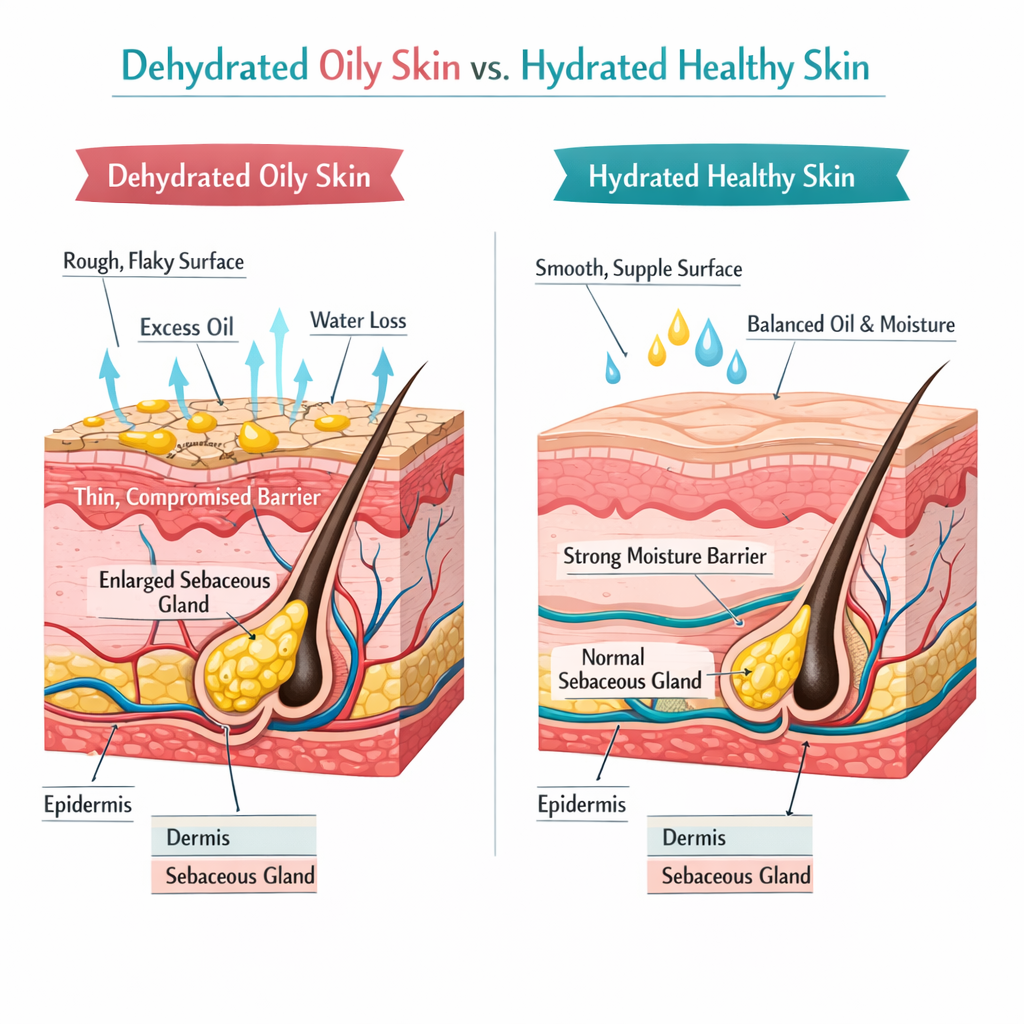
Here’s what happens when you skip moisturizer: your skin panics. The skin barrier—that protective layer keeping moisture in and irritants out—gets compromised. Your sebaceous glands detect the dehydration and go into overdrive, pumping out even more oil to compensate. It’s a vicious cycle that I see constantly in people struggling with oily acne-prone skin.
The American Academy of Dermatology confirms that proper hydration is essential for all skin types. Your skin needs water (hydration) regardless of how much oil (sebum) it produces. These are two completely different things, and confusing them is probably why your skin keeps betraying you.
The Ingredients of Best Moisturizer for Oily Acne-Prone Skin That Actually Work
After testing more moisturizers than I care to admit (my bathroom looks like a Sephora explosion), I’ve identified the MVP ingredients for an effective acne moisturizer. If you’re serious about clearing your skin, look for these:
Hyaluronic Acid
This is the gold standard humectant for oily skin. Hyaluronic acid holds up to 1,000 times its weight in water, delivering deep hydration without adding any oiliness. It sits on your skin and pulls moisture from the environment into your cells. No greasiness, no clogged pores, just plump, hydrated skin. If you’re dealing with a damaged skin barrier from harsh acne treatments, HA is your new best friend.
Niacinamide
IMO, this is the most underrated ingredient in skincare. Niacinamide (Vitamin B3) does triple duty: it regulates sebum production, minimizes pore appearance, and has anti-inflammatory properties that calm active breakouts. Studies from the National Institutes of Health show that 4% niacinamide significantly reduces sebum excretion within 4 weeks.
Centella Asiatica (Cica)
This ingredient has been used in traditional medicine for centuries, but modern research backs it up. Centella promotes wound healing and reduces inflammation—perfect if you’re dealing with acne scars or active breakouts simultaneously.
Squalane
Before you freak out about putting “oil” on oily skin, hear me out. Squalane mimics your skin’s natural sebum, so your skin recognizes it and doesn’t overcompensate with extra oil production. It’s lightweight, absorbs instantly, and won’t clog pores. This is the type of oil that actually helps skincare for breakouts.
Ingredients to Avoid Like Your Ex’s Texts
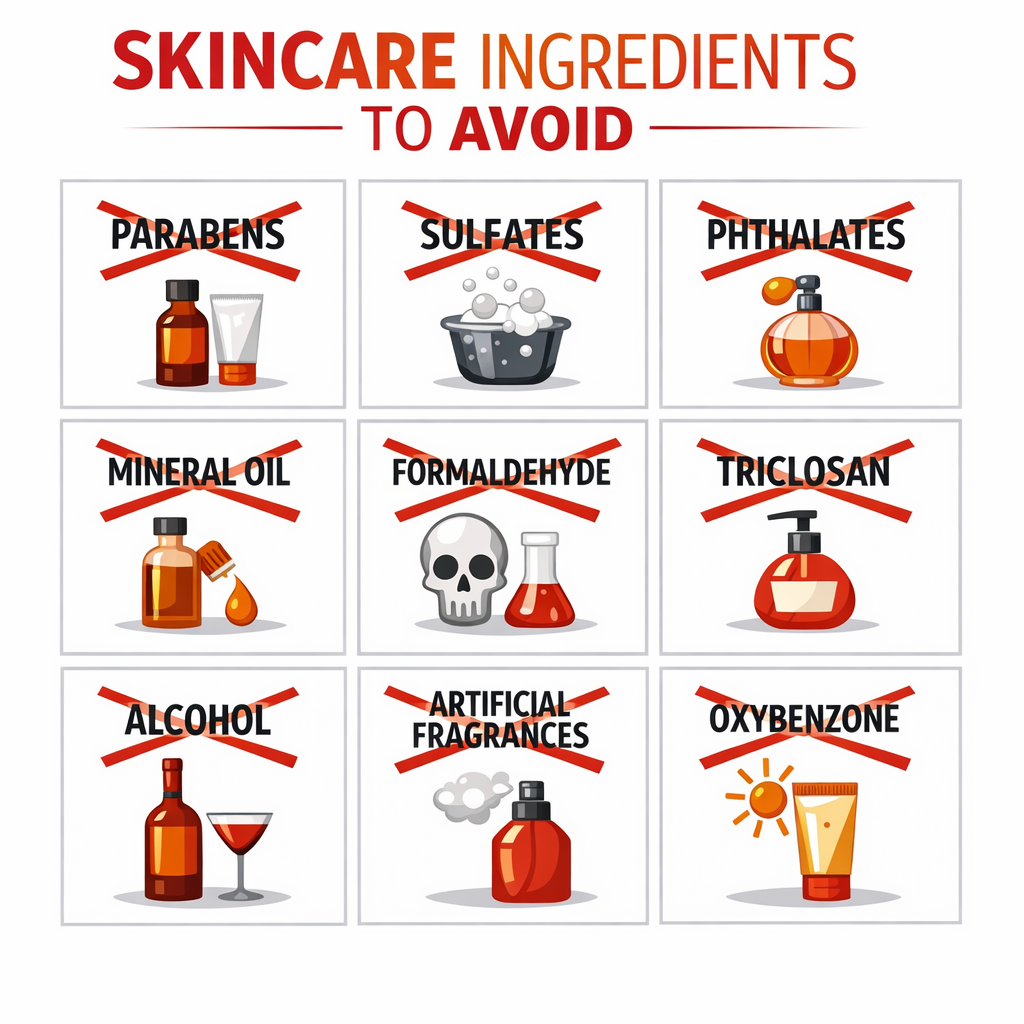
Knowing what works is only half the battle. You also need to know what will sabotage your progress. When shopping for a lightweight moisturizer, run the other direction if you see:
- Coconut Oil: Has a comedogenic rating of 4 out of 5. It will clog your pores. Period.
- Isopropyl Myristate: This emollient feels silky but is notorious for causing breakouts.
- Algae Extracts: Sounds natural and healthy, but many algae-derived ingredients are highly comedogenic.
- Lanolin: Great for extremely dry skin, terrible for anyone prone to acne.
- Heavy Fragrances: Synthetic fragrances can irritate skin and trigger inflammatory acne.
- Cocoa Butter and Shea Butter: Too heavy and occlusive for oily skin types.
The term non-comedogenic skincare gets thrown around a lot, but here’s insider knowledge most brands won’t tell you: the FDA doesn’t regulate the term “non-comedogenic.” Companies can slap it on any product without testing. You need to become your own ingredient detective, which is why understanding different acne types and their triggers matters so much.
Myth-Busting: What Dermatologists Won’t Tell You
Time to get real about some persistent myths I keep seeing recycled online:
Myth #1: “Oil-Free = Acne-Safe”
This one drives me crazy. A product can be completely oil-free and still contain silicones, waxes, or other pore-clogging ingredients. Oil-free is a marketing term, not a guarantee. I’ve seen countless “oil-free” moisturizers destroy people’s skin because they contained comedogenic emulsifiers. Always check the full ingredient list for your acne-safe moisturizer.
Myth #2: “Your Skin Will ‘Purge’ Before Getting Better”
Purging is real, but it only happens with active ingredients that increase cell turnover (retinoids, AHAs, BHAs). A moisturizer should NOT cause purging. If your new moisturizer is breaking you out, it’s not purging—it’s just breaking you out. Stop using it.
Myth #3: “Mattifying Products Treat Oily Skin”
Mattifying products absorb surface oil temporarily, but they don’t address the root cause. Some even contain drying alcohols that further dehydrate skin, triggering—you guessed it—more oil production. They’re a bandaid, not a solution.
Want to actually tackle your breakouts from multiple angles? Check out the acne treatments section for strategies that complement proper moisturizing.
How to Apply Moisturizer Without Making Things Worse
Your application technique matters more than you think. Here’s my exact method after years of refinement:
Step 1: Cleanse with a gentle, pH-balanced cleanser. Harsh cleansers strip your barrier, and we’ve already established why that’s bad news.
Step 2: Apply any treatment serums (niacinamide, retinol, etc.) and let them absorb for 1-2 minutes.
Step 3: While your skin is still slightly damp, apply your moisturizer. Damp skin absorbs hydration better, and you’re essentially “locking in” that moisture.
Step 4: Use gentle, upward pressing motions—not rubbing. Rubbing can irritate acne and spread bacteria.
Step 5: Wait 2-3 minutes before applying sunscreen (morning) or going to bed (night).
Pro tip: If your moisturizer pills or feels heavy, you’re using too much. For gel formulas, a pea-sized amount covers your entire face. Less is genuinely more here.
Expert Commentary: Dr. Dray breaks down the science behind moisturizing oily skin better than anyone I’ve seen—watch this if you want the clinical reasoning behind everything I’ve explained.
Building Your Complete Oily Skin Routine
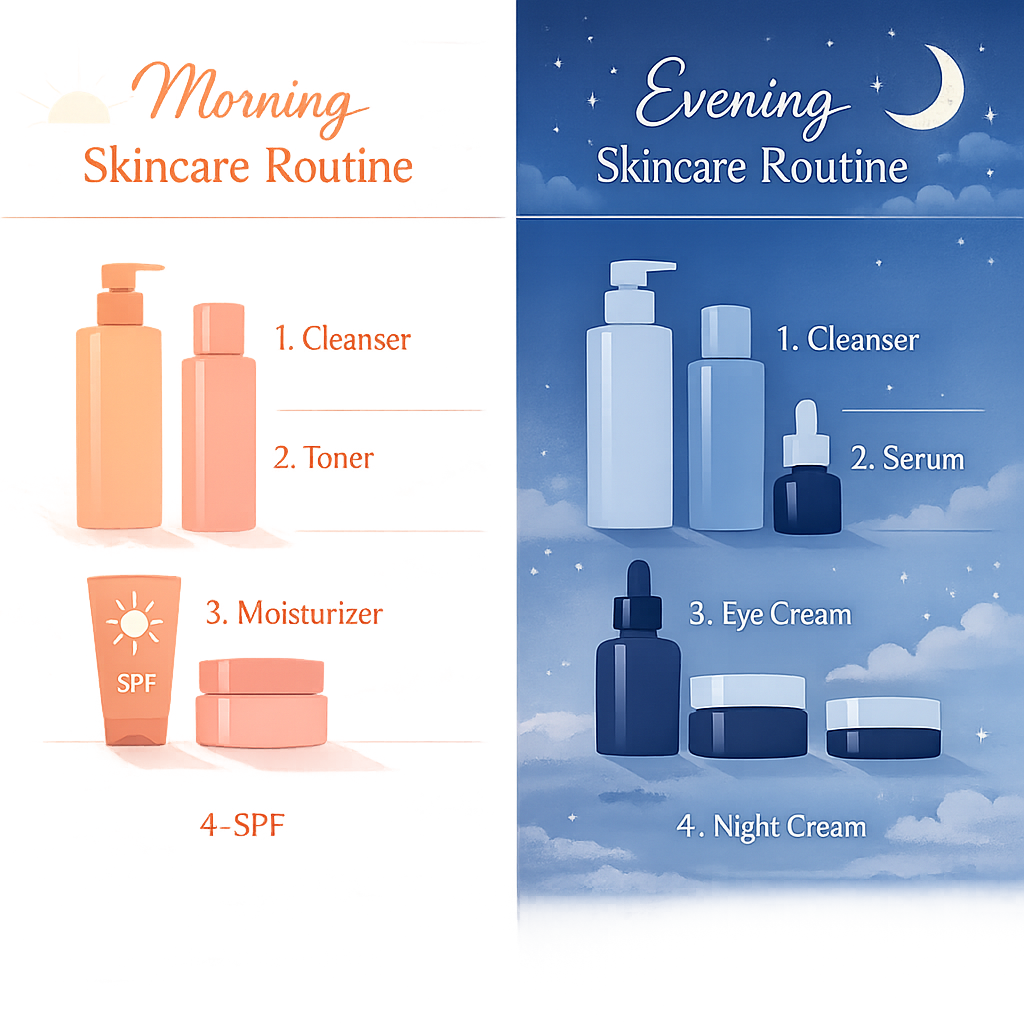
A moisturizer works best within a complete oily skin routine. Here’s the framework I recommend:
Morning Routine:
- Gentle cleanser (or just water if your skin tolerates it)
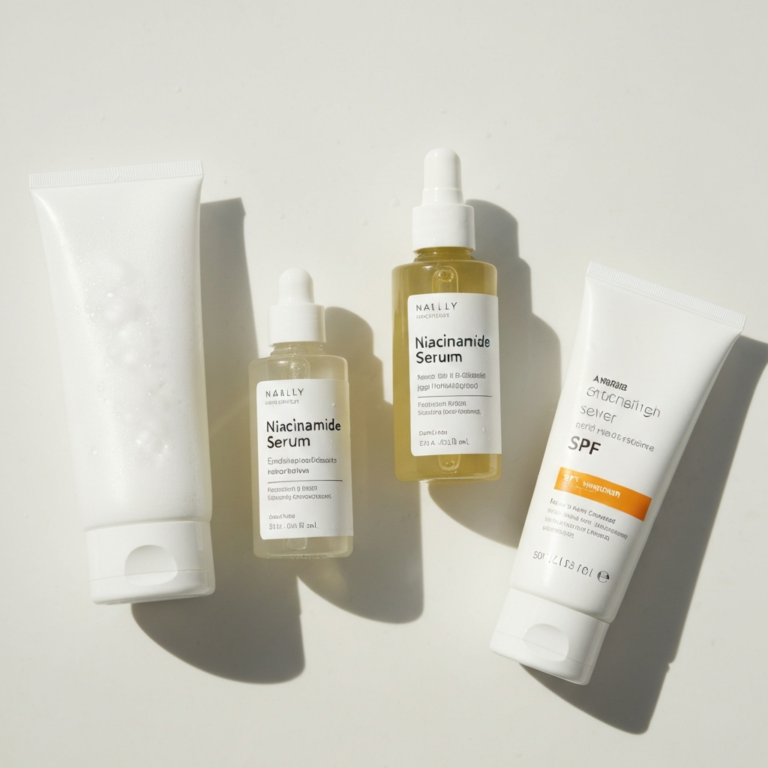
- Niacinamide serum (optional but helpful)
- Lightweight gel moisturizer
- SPF 30+ sunscreen (non-negotiable—UV damage worsens acne and causes post-acne hyperpigmentation)
Evening Routine:
- Oil-based cleanser (for sunscreen removal)
- Water-based cleanser
- Treatment active (retinoid, BHA, etc.)
- Hydrating serum
- Moisturizer (can use slightly richer formula at night)
If you’re just starting out and feeling overwhelmed, the start here guide walks you through building a routine step-by-step.
Remember: consistency beats intensity every time. A simple routine you follow daily beats an elaborate 15-step routine you abandon after two weeks. 🙂
One more thing I want to address: if you’re dealing with textural issues alongside oiliness and breakouts, that’s a separate but related concern. Check out the guide on uneven skin texture after acne for targeted solutions.
And if you’re confused about whether those marks you’re seeing are actual scars or just dark spots that will fade, the acne scars vs dark marks breakdown will clarify everything.
Frequently Asked Questions
Should I use moisturizer if I have oily acne-prone skin?
Absolutely yes. Skipping moisturizer triggers your skin to produce even more oil to compensate for dehydration. The key is choosing a lightweight, non-comedogenic moisturizer that hydrates without clogging pores or adding excess shine.
What ingredients should I avoid in moisturizers for oily acne-prone skin?
Avoid heavy occlusives like coconut oil, cocoa butter, and lanolin. Stay away from isopropyl myristate, algae extracts, and fragranced formulas. These ingredients have high comedogenic ratings and can trigger breakouts in acne-prone skin.
How often should I moisturize oily acne-prone skin?
Moisturize twice daily—morning and night—after cleansing. If you use acne treatments like benzoyl peroxide or retinoids, moisturizing becomes even more critical to maintain your skin barrier and prevent irritation-induced breakouts.
Can the wrong moisturizer cause acne?
Yes, comedogenic moisturizers can clog pores and cause acne mechanica or cosmetic acne. This typically appears as small, uniform bumps across the forehead, cheeks, or chin. Switching to a non-comedogenic formula usually resolves this within 4-6 weeks. If you’re dealing with hyperpigmentation from past breakouts, check out the guide on dark marks after acne.
Is gel or cream moisturizer better for oily skin?
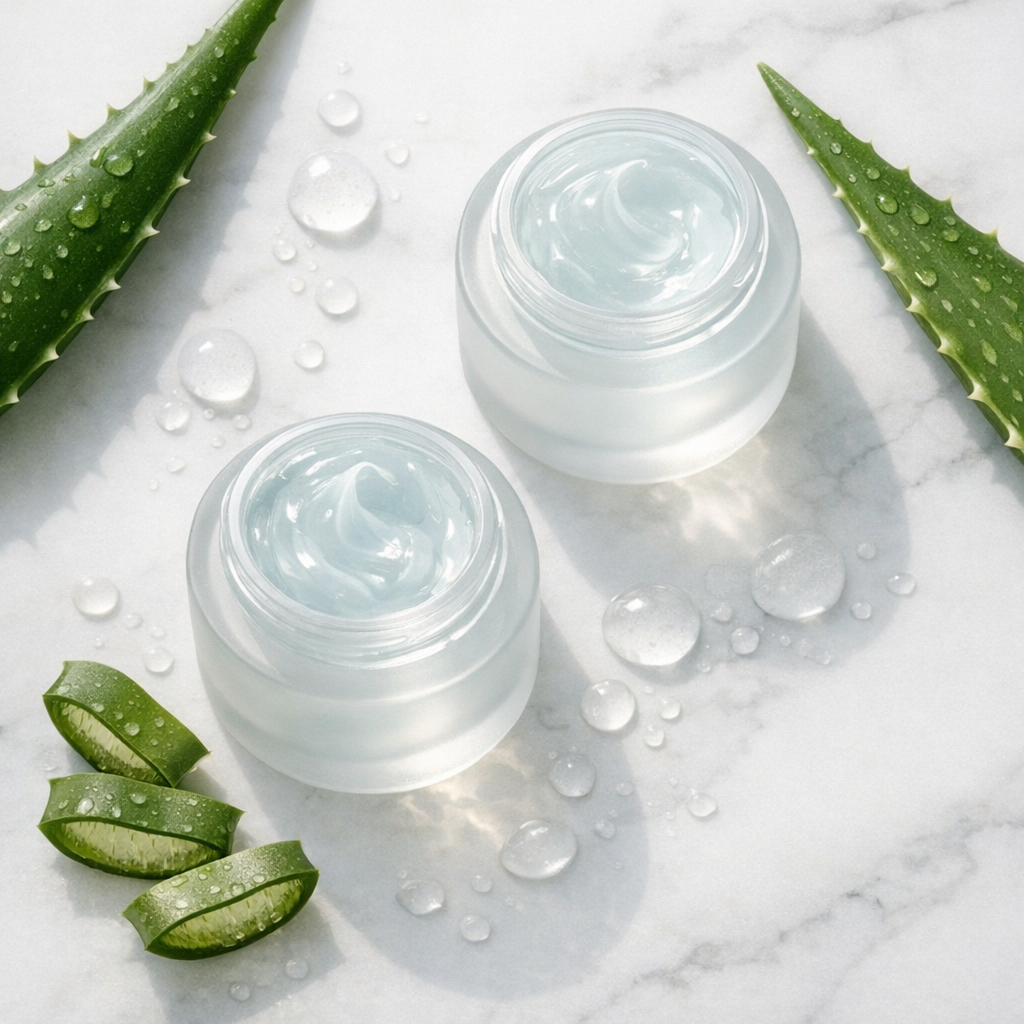
Gel and gel-cream formulas work best for oily acne-prone skin. They deliver hydration through humectants like hyaluronic acid without the heavy, occlusive feel of traditional creams. Look for water-based formulas that absorb quickly and leave a matte finish.
My Top Recommended Gear
Based on everything I’ve covered, here are three product categories that consistently deliver results for oily, breakout-prone skin:
- Gel Moisturizers with Hyaluronic Acid: Browse options here – Look for formulas that list hyaluronic acid in the first 5 ingredients and skip anything with added fragrances.
- Niacinamide Moisturizers: Browse options here – The 4-5% niacinamide concentration hits the sweet spot for sebum control without irritation.
- Centella/Cica Moisturizers: Browse options here – Perfect if you’re dealing with inflammation and redness alongside oiliness.
For those with the opposite concern—dry skin that still breaks out—the approach differs significantly. The dry acne-prone skin guide covers that territory.
Finding the right moisturizer took me years of trial and error. Hopefully, this guide saves you some of that frustration. Your oily, acne-prone skin isn’t a curse—it just needs smarter care than what mainstream skincare advice typically offers.
Disclaimer: This post contains affiliate links. As an Amazon Associate, I may earn a commission from qualifying purchases at no additional cost to you.