Best Moisturizer for Acne-Prone Skin: Power Picks That Actually Work
Finding the best moisturizer for acne-prone skin feels like defusing a bomb — one wrong ingredient and your face explodes into a constellation of new breakouts. I’ve spent over a decade formulating recommendations, testing products on my own stubborn, blemish-prone skin, and watching clients cycle through dozens of bottles before landing on something that actually works. The problem? Most moisturizers marketed as “acne-friendly” are either so stripped-down they do nothing, or quietly packed with pore-clogging fillers. The frustration is real, and it pushes people toward the worst possible move: ditching moisturizer entirely. My goal here is to hand you a shortlist of genuinely effective, non-comedogenic moisturizer options — plus the insider knowledge to never waste money on the wrong bottle again.
Table of Contents
- What Makes the Best Moisturizer for Acne-Prone Skin?
- Why Skipping Moisturizer Wrecks Your Skin
- Key Ingredients to Look For (and Avoid Like the Plague)
- My Top 7 Non-Comedogenic Moisturizer Picks
- How to Apply Moisturizer in Your Acne Skincare Routine
- Advanced Tactics: Layering Like a Skincare Pro
- Frequently Asked Questions
- My Top Recommended Gear
What Makes the Best Moisturizer for Acne-Prone Skin?
The best moisturizer for acne-prone skin is a lightweight, non-comedogenic formula that hydrates without clogging pores, typically featuring ingredients like hyaluronic acid, niacinamide, or ceramides while avoiding heavy oils and known comedogenic compounds. It should support your skin barrier, reduce transepidermal water loss, and play nicely with active acne treatments.
That snippet-ready definition sounds simple, but here’s where most people get tripped up: they assume “oil-free” automatically means “safe for acne.” It doesn’t. I’ve seen plenty of oil-free moisturizers loaded with silicones and synthetic esters that sit on the skin like plastic wrap. Comedogenicity isn’t just about oil — it’s about molecular size, penetration depth, and how a substance interacts with your specific follicular environment. The American Academy of Dermatology stresses choosing products labeled non-comedogenic, but even that label isn’t FDA-regulated. So you need to actually read the ingredient list. Wild concept, right?
If you’re just starting to build a routine around breakouts, my guide for acne treatment beginners walks you through the foundations before you even think about moisturizer selection.
Why Skipping Moisturizer Wrecks Your Skin (Myth-Busting)
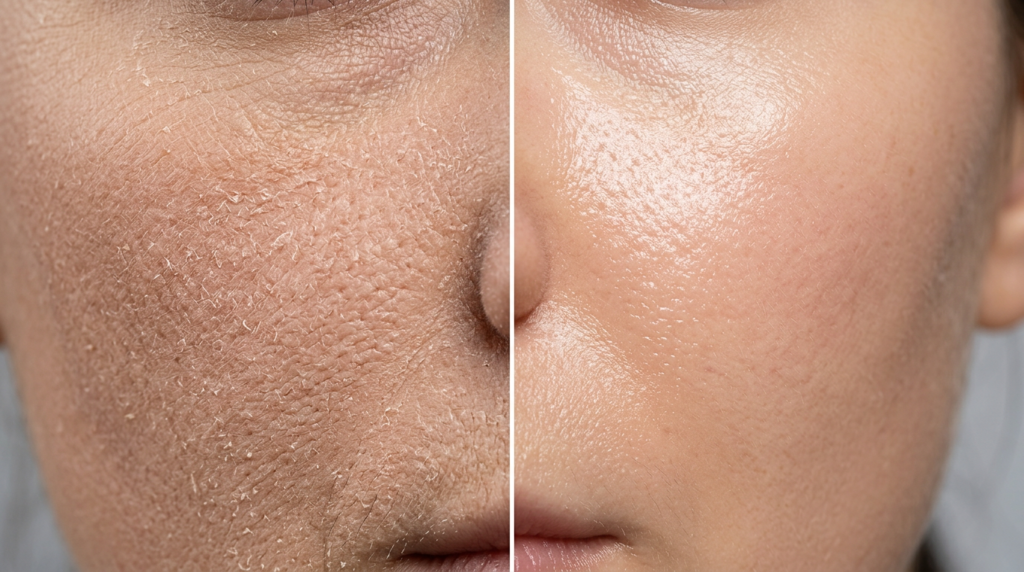
This is the hill I will die on: if you have oily, acne-prone skin and you skip moisturizer because you think it’ll make things worse, you are actively sabotaging yourself. Here’s the science. When your stratum corneum (the outermost skin layer) loses moisture, your sebaceous glands kick into overdrive to compensate. More sebum means more fuel for Cutibacterium acnes bacteria. More bacteria means more inflammation. More inflammation means more pimples. It’s a vicious feedback loop, and a proper oily skin moisturizer is literally the off-switch.
A study published in the Journal of Clinical and Aesthetic Dermatology confirmed that patients using a non-comedogenic moisturizer alongside topical acne treatments experienced significantly less irritation and better treatment adherence than those who went bare. Translation: moisturizer doesn’t just keep you comfortable — it makes your acne treatments work better.
For a deeper look at how different treatments interact with hydration, check out our comprehensive acne treatments resource page.
Key Ingredients to Look For (and Avoid Like the Plague)
The “Green Light” Ingredients
- Hyaluronic Acid: Holds up to 1,000x its weight in water. Hydrates without adding oil. My absolute go-to for blemish-prone skin.
- Niacinamide (Vitamin B3): Regulates sebum, reduces pore appearance, fades post-inflammatory hyperpigmentation. IMO, this is the single most underrated acne-fighting ingredient in moisturizers.
- Ceramides: Repair and reinforce the skin barrier. Essential if you’re using retinoids or benzoyl peroxide.
- Squalane: A lightweight, non-comedogenic oil that mimics your skin’s natural sebum. Yes, an oil. The right oil won’t break you out.
- Centella Asiatica (Cica): Anti-inflammatory powerhouse. Calms redness and accelerates healing of active lesions.
The “Red Flag” Ingredients
- Coconut Oil / Cocoa Butter: Comedogenicity rating of 4-5 out of 5. Pore-clogging nightmares.
- Isopropyl Myristate: A penetration enhancer that’s notorious for causing breakouts.
- Heavy Fragrances: Synthetic fragrances irritate compromised skin and can trigger inflammatory acne.
- Algae Extract: Sounds natural and fancy. Scores a 5 on the comedogenicity scale. Hard pass.
I break down many of these compounds in our ingredient guides section — bookmark it if you want a cheat sheet while shopping.
My Top 7 Non-Comedogenic Moisturizer Picks
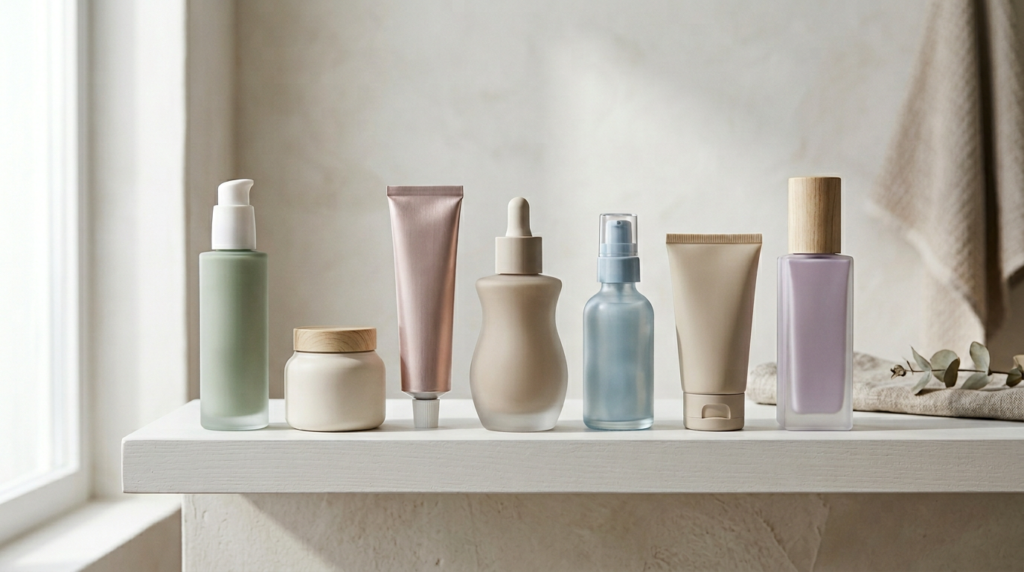
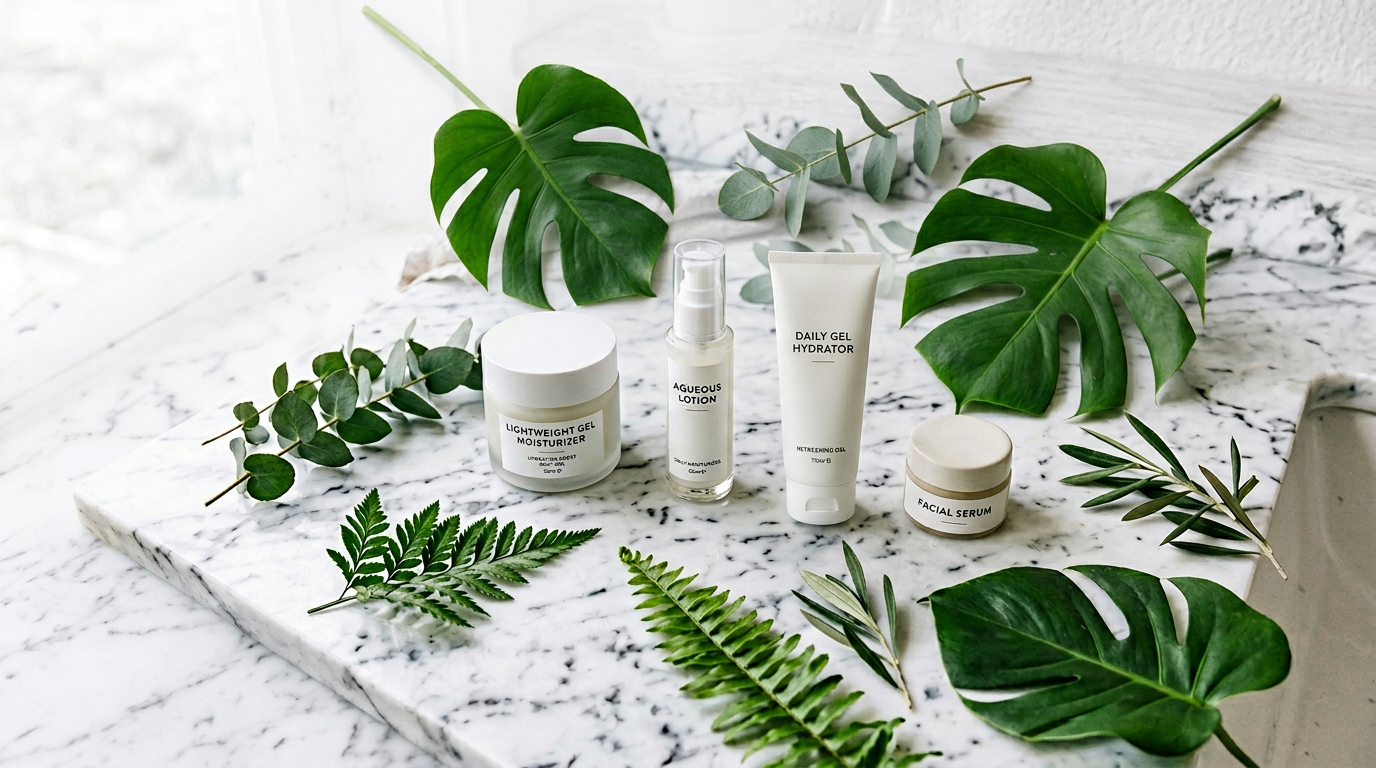
After testing more bottles than I care to count (my bathroom looks like a Sephora stockroom), these are the moisturizers I consistently recommend for acne-prone skin. Every single one is non-comedogenic, fragrance-free or lightly fragranced, and pairs well with standard acne actives.
- CeraVe Moisturizing Lotion (Lightweight): The workhorse. Ceramides + hyaluronic acid + niacinamide. Absorbs fast, never greasy. Dermatologist-recommended for a reason.
- La Roche-Posay Effaclar Mat: Specifically designed as an oily skin moisturizer. Mattifying without being drying. Contains sebulyse technology to target excess sebum.
- Neutrogena Hydro Boost Water Gel: A lightweight face moisturizer that feels like water. Pure hyaluronic acid hydration. Great for humid climates.
- Paula’s Choice Skin Balancing Invisible Finish Moisture Gel: Niacinamide-rich, silky gel texture. Sits beautifully under sunscreen and makeup.
- ELF Holy Hydration! Face Cream: Budget-friendly hero with hyaluronic acid and ceramides. Proves you don’t need to spend $60 for quality acne-prone skincare.
- Vanicream Daily Facial Moisturizer: Zero dyes, fragrances, parabens, or lanolin. The gold standard for ultra-sensitive, blemish-prone skin.
- Kiehl’s Ultra Facial Oil-Free Gel-Cream: Lightweight glacial glycoprotein formula. Absorbs in seconds. A splurge, but worth every penny if you hate any trace of heaviness.
Quick pro tip: don’t just slap on whichever one sounds cool. Match the texture to your skin type. Gels for very oily skin, gel-creams for combination, and lightweight lotions for normal-to-slightly-oily. Context matters more than brand loyalty.
How to Apply Moisturizer in Your Acne Skincare Routine
Order matters. Get this wrong and you’re undermining every product in your lineup. Here’s the sequence I use and recommend for every client building an acne skincare routine:
- Step 1: Gentle cleanser (no harsh sulfates — your barrier is already stressed).
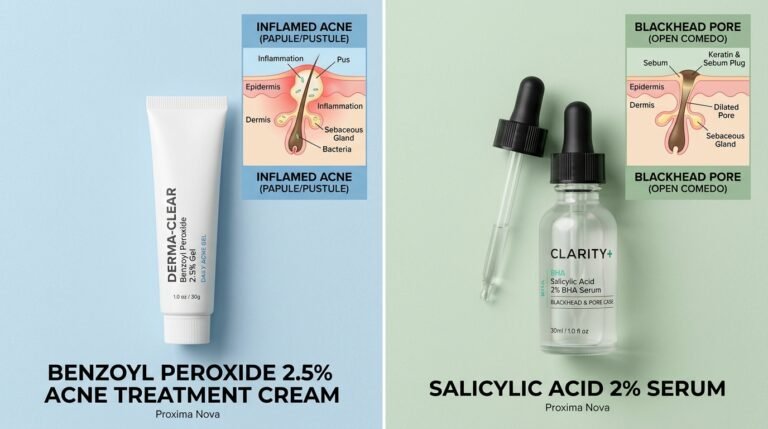
- Step 2: Active treatment (benzoyl peroxide, salicylic acid, or retinoid). Wait 1–2 minutes for absorption.
- Step 3: Moisturizer on slightly damp skin. Damp skin absorbs hydrating ingredients up to 10x more effectively. Pat — don’t rub.
- Step 4 (AM only): SPF 30+ sunscreen. Non-negotiable, especially on acne treatments that increase photosensitivity.
For a complete step-by-step framework, I wrote an entire article on how to build a simple acne routine that takes the guesswork out of product order and timing.
One mistake I see constantly: people apply moisturizer before their treatment serum because the serum feels drying. Don’t do that. You’ll create a barrier that prevents the active ingredient from penetrating. If your treatment is too harsh on bare skin, buffer by mixing a pea-sized amount of moisturizer with the treatment — but always consult a dermatologist before modifying prescription products.
Expert Commentary: This dermatologist-led video breaks down the exact science behind why moisturizing acne-prone skin isn’t optional — and demonstrates proper application technique that most people get wrong.
Advanced Tactics: Layering Like a Skincare Pro
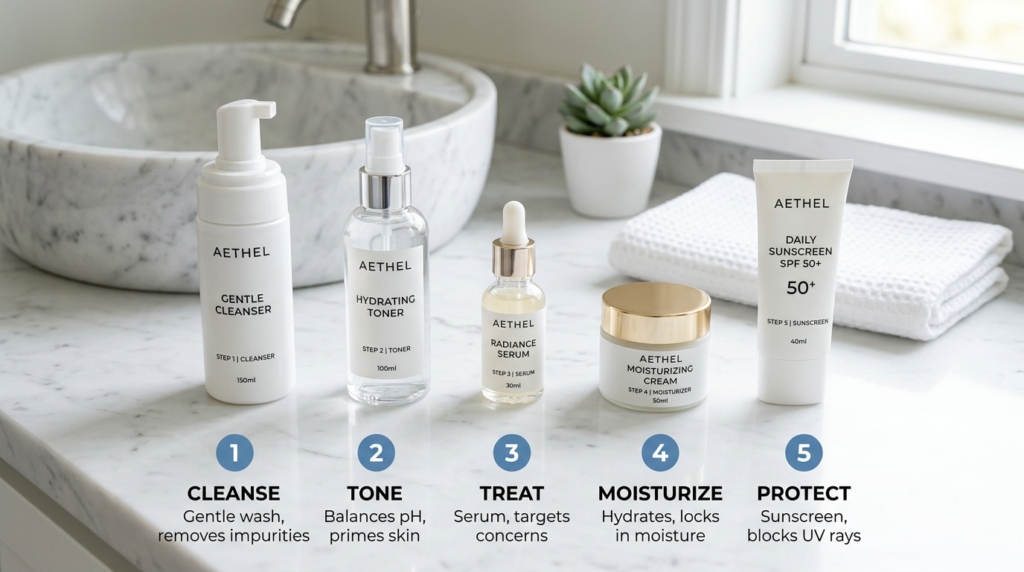
Once you’ve nailed the basics, here’s where it gets interesting. Layering multiple hydrating and treatment products is an art, and most people either over-complicate it or get the order hilariously wrong.
The “Sandwich Method” for Retinol Users
If you use retinol (tretinoin, adapalene, etc.), the sandwich method is a game-changer for reducing irritation while maintaining efficacy. Apply a thin layer of moisturizer → wait 5 minutes → apply retinoid → wait 5 minutes → apply another thin layer of moisturizer. Research from the National Institutes of Health supports that buffered retinoid application reduces side effects without significantly diminishing clinical outcomes.
Niacinamide + Hyaluronic Acid Stacking
These two play together beautifully. Apply a niacinamide serum first (it’s water-based, thinner consistency), then layer your hyaluronic acid moisturizer on top. Niacinamide strengthens the barrier while HA locks in moisture. I call this the “defense and hydration” stack, and it’s especially powerful for people battling oily, blemish-prone skin who need clear skin tips that actually deliver results.
What NOT to Layer Together
Benzoyl peroxide + vitamin C = they cancel each other out. AHAs/BHAs + retinol in the same routine = irritation city (alternate nights instead). And for the love of clear skin, don’t stack five actives because some influencer told you to. More isn’t more 🙂 Your moisture barrier can only handle so much before it waves the white flag.
The U.S. Food and Drug Administration has clear guidelines on combining OTC acne products — worth a read before you go full mad scientist on your face.
Frequently Asked Questions
Should I moisturize if I have oily, acne-prone skin?
Absolutely. Skipping moisturizer signals your skin to produce even more oil to compensate for dehydration. A lightweight face moisturizer actually helps regulate sebum production and supports your skin barrier. Think of it as training your skin to calm down, not starving it into submission.
What ingredients should I avoid in a moisturizer for acne-prone skin?
Avoid coconut oil, cocoa butter, isopropyl myristate, algae extract, and heavy silicones like dimethicone in high concentrations. These are highly comedogenic and can clog pores, leading to more breakouts. Always cross-reference ingredient lists against a comedogenicity database — it takes 30 seconds and saves you weeks of frustration.
Can I use moisturizer with retinol for acne?
Yes, and honestly you should. Retinol can be drying and irritating, so pairing it with a gentle, non-comedogenic moisturizer helps buffer irritation while keeping your skin hydrated and reducing peeling. The sandwich method I described above is perfect for this.
How often should I moisturize acne-prone skin?
Twice daily — morning and night — after cleansing. Consistency is key. Apply to slightly damp skin for maximum absorption and hydration. Skipping even one night can disrupt your barrier repair, especially if you’re using active treatments. No excuses tbh.
My Top Recommended Gear
These are the products I personally use or recommend to clients. Every pick has earned its spot through real-world results, not hype:
- CeraVe Moisturizing Facial Lotion (Lightweight) — The everyday workhorse with ceramides, hyaluronic acid, and niacinamide. Affordable and endlessly reliable.
- Neutrogena Hydro Boost Water Gel — Ultra-lightweight hyaluronic acid gel that vanishes on contact. Perfect for oily and combination skin types.
- Vanicream Daily Facial Moisturizer — The gentlest option on this list. Zero irritants, zero fragrances. Ideal for ultra-reactive, blemish-prone skin.
Disclaimer: This post contains affiliate links. As an Amazon Associate, I may earn a commission from qualifying purchases at no additional cost to you.