Best Face Wash for Acne Prone Skin for Daily Use
Choosing the best face wash for acne prone skin feels like navigating a minefield — one wrong pick and you’re dealing with more breakouts, irritation, or skin drier than the Sahara. I’ve spent over a decade reviewing skincare formulations, testing products on my own stubborn skin, and consulting with dermatologists. And here’s the hard truth: most acne cleansers on the market are either too harsh, loaded with gimmicky ingredients, or flat-out wrong for daily use. That ends today. I’m going to walk you through exactly what to look for, what to avoid, and which products actually earn a permanent spot on your bathroom shelf.
If you’re brand new to treating breakouts, I strongly recommend starting with my beginner’s guide to get the full picture before we go deep here.
Table of Contents
- What Makes the Best Face Wash for Acne Prone Skin?
- Key Face Wash Ingredients That Actually Fight Acne
- 3 Acne Cleanser Myths I’m Tired of Hearing
- My Top Picks for Daily Acne Cleansers
- How to Build a Bulletproof Acne Routine
- Mistakes That Are Sabotaging Your Skin
- When It’s Time to See a Dermatologist
- Frequently Asked Questions
- My Top Recommended Gear
What Makes the Best Face Wash for Acne Prone Skin?
The best face wash for acne prone skin is a gentle acne cleanser that removes excess oil, unclogs pores with proven active ingredients like salicylic acid or benzoyl peroxide, and respects your skin barrier — all without stripping moisture. It should be pH-balanced (ideally between 4.5 and 5.5) and free of comedogenic oils or heavy fragrances.
I know that sounds simple, but you’d be shocked at how many “acne” face washes violate at least two of those rules. The American Academy of Dermatology (AAD) hammers this point: a cleanser’s job is to prepare the skin, not to nuke it into submission. Your treatment serums and spot treatments do the heavy lifting. The cleanser just opens the door.
Understanding what actually causes acne — from excess sebum to hormonal fluctuations to bacterial overgrowth — helps you pick a cleanser that targets your specific trigger instead of playing guessing games.
Key Face Wash Ingredients That Actually Fight Acne
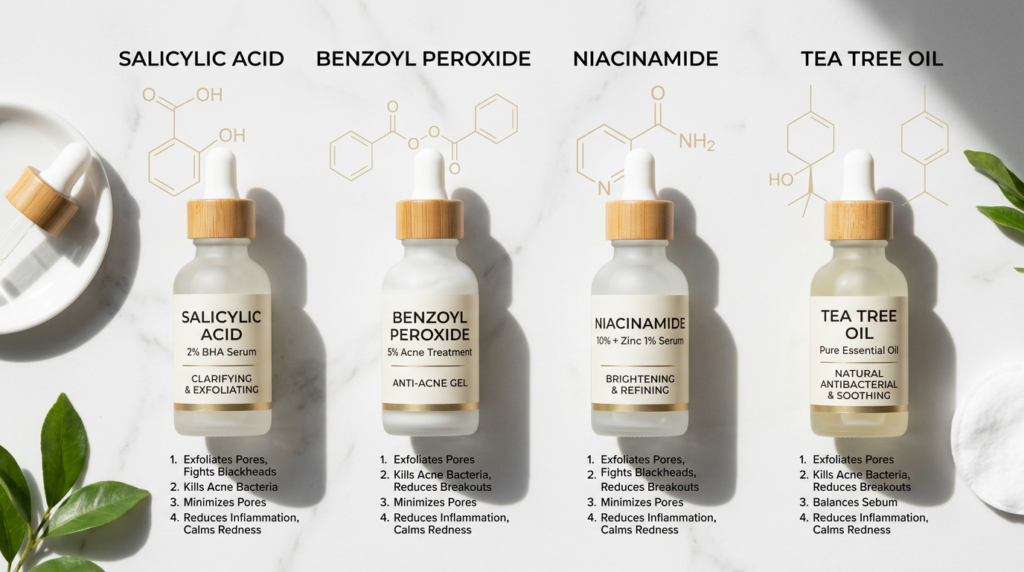
Not all face wash ingredients pull their weight equally. After years of reading clinical studies and testing formulations, here’s my shortlist of what actually moves the needle:
Salicylic Acid (BHA) — The Pore Unclogger
A salicylic acid cleanser is my go-to recommendation for most people. It’s oil-soluble, meaning it penetrates into your pores and dissolves the gunk clogging them from the inside out. The National Library of Medicine has published extensive research confirming its efficacy for comedonal acne. I look for concentrations between 0.5% and 2% for daily use.
Benzoyl Peroxide — The Bacteria Killer
If your breakouts are red, inflamed, and angry, benzoyl peroxide at 2.5%–5% in a cleanser format delivers antibacterial action without the full-strength irritation of leave-on products. TBH, most people don’t need the 10% strength — it just dries you out faster.
Niacinamide — The Calming Multitasker
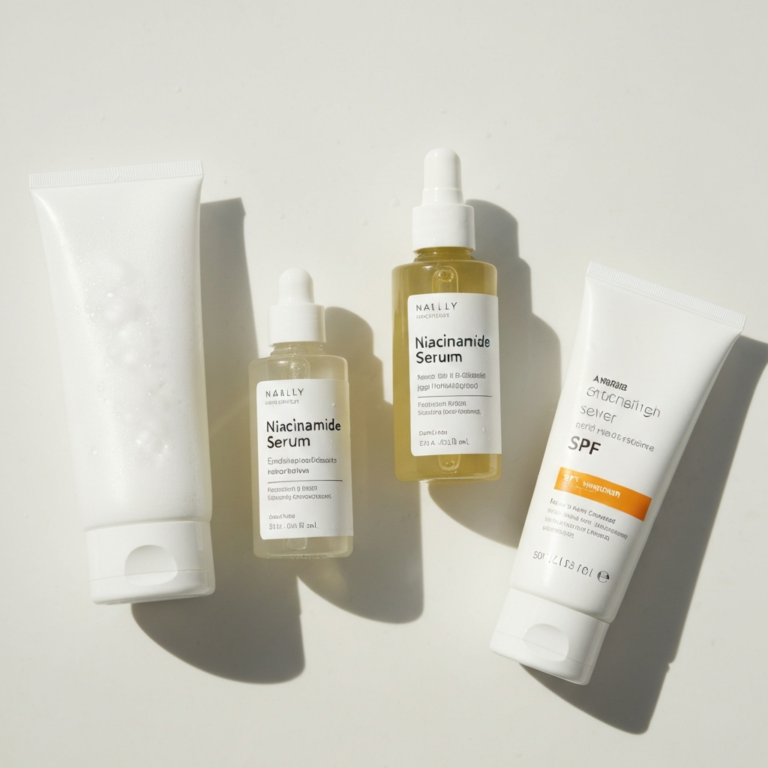
Niacinamide regulates oil production, reduces redness, and strengthens the skin barrier. I’ve seen it transform oily skin cleanser formulas from “fine” to genuinely impressive.
Ingredients to Avoid
- Sodium Lauryl Sulfate (SLS): Strips the skin aggressively, triggers rebound oiliness.
- Alcohol Denat (high on the ingredient list): Dries and irritates acne prone skin.
- Heavy fragrances: Sensitizers that inflame already-irritated skin.
- Coconut oil or coconut-derived comedogenic emollients: Pore-clogging nightmares.
For a deeper look at how different acne types respond to different ingredients, check my detailed breakdown.
3 Acne Cleanser Myths I’m Tired of Hearing
After 10+ years in this field, certain myths make me want to flip a table. Let me set the record straight.
Myth #1: “Your face should feel squeaky-clean after washing.”
Wrong. That “squeaky” feeling means you’ve stripped your acid mantle. Your skin will panic and overproduce sebum to compensate, which — surprise — causes more breakouts. A gentle acne cleanser should leave your skin feeling clean but comfortable, not tight.
Myth #2: “Natural ingredients are always better for acne.”
I love tea tree oil as much as the next person, but “natural” doesn’t automatically mean “effective” or “safe.” Lemon juice? Cinnamon? Baking soda? Hard no. The FDA’s acne guidelines specifically focus on clinically validated actives for a reason.
Myth #3: “Expensive cleansers work better.”
Some of the best acne prone skin care cleansers I’ve ever used cost under $12. Price doesn’t determine formulation quality. Ingredient lists do. I’ve reviewed pricey “luxury” cleansers that were essentially fragranced water with a fancy pump. 🙂
My Top Picks for Daily Acne Cleansers
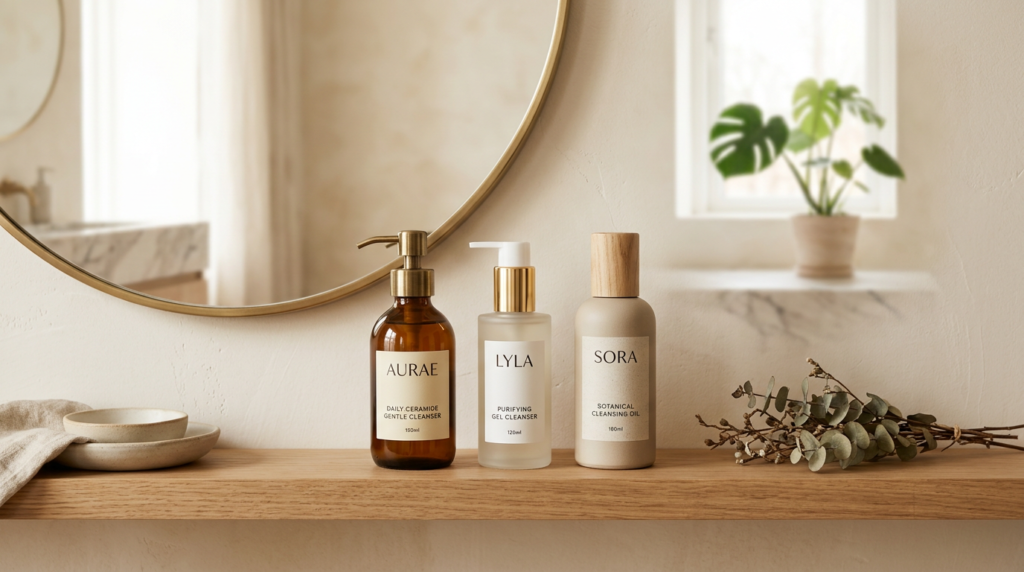
I’ve tested dozens of cleansers over the years. These three consistently deliver results across different skin types and severities. You can find my full evaluations in the product reviews section.
1. CeraVe Acne Foaming Cream Cleanser (4% Benzoyl Peroxide)
Ceramides + benzoyl peroxide in a cream base. It cleans without decimating your moisture barrier. Perfect for inflammatory, pustular acne on oily skin. I use this as my PM cleanser when my skin flares up.
2. Paula’s Choice CLEAR Pore Normalizing Cleanser (0.5% Salicylic Acid)
A beautifully formulated salicylic acid cleanser that’s gentle enough for twice-daily use. It tackles blackheads and congestion without the over-drying drama. IMO, it’s one of the most underrated cleansers on the market.
3. La Roche-Posay Effaclar Medicated Gel Cleanser (2% Salicylic Acid)
Higher salicylic acid concentration for stubborn, persistent breakouts. The gel texture lathers lightly and rinses cleanly — ideal as an oily skin cleanser. If you’ve got combo-to-oily skin with frequent congestion, this is your move.
Want to explore more options beyond cleansers? My comprehensive acne treatments guide covers the full spectrum.
How to Build a Bulletproof Acne Routine
A great face wash means nothing if the rest of your routine is working against you. Here’s my recommended daily acne routine guide framework — simple, effective, no 12-step nonsense:
Morning Routine
- Step 1: Gentle acne cleanser (salicylic acid or a mild foaming wash)
- Step 2: Lightweight, oil-free moisturizer with niacinamide
- Step 3: Broad-spectrum SPF 30+ sunscreen (non-comedogenic — this is non-negotiable)
Evening Routine
- Step 1: Cleanser (benzoyl peroxide wash if using, or your AM cleanser)
- Step 2: Treatment (retinoid, adapalene, or targeted serum)
- Step 3: Moisturizer
The Mayo Clinic’s treatment overview aligns with this approach — simple, consistent routines beat complicated ones every single time. For beginners who feel overwhelmed, I broke down the basics in my best acne treatments for beginners post.
Expert Commentary: This dermatologist-led video gives you a visual walkthrough of proper cleansing technique for acne prone skin — something most written guides completely overlook but that genuinely impacts how well your products perform.
Mistakes That Are Sabotaging Your Skin
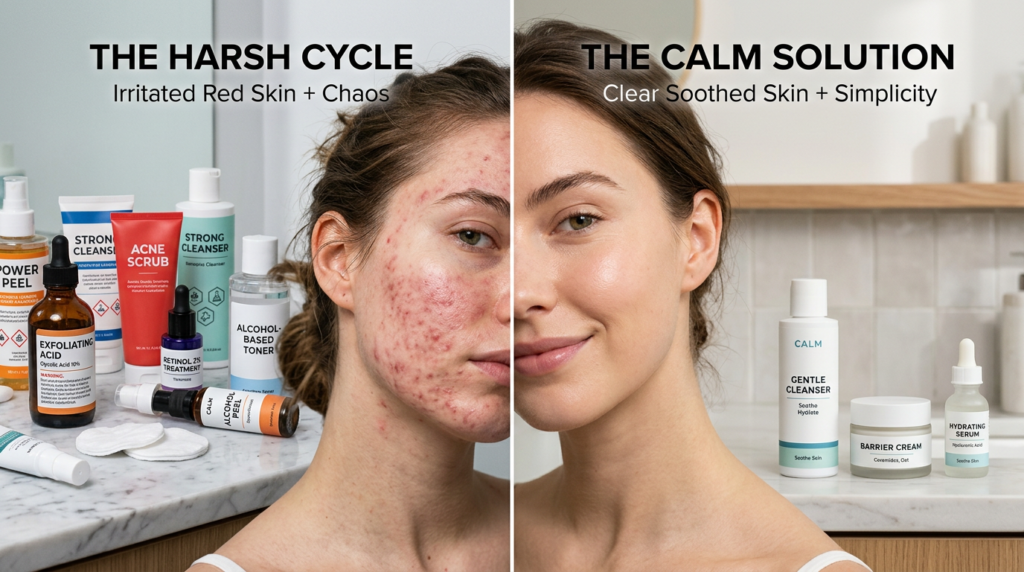
I see the same skincare tips violations on repeat. Here are the biggest offenders:
- Over-washing: Three or four times a day doesn’t mean cleaner skin — it means a destroyed barrier. Twice daily. Period.
- Using hot water: Lukewarm water only. Hot water inflames already-irritated acne prone skin.
- Scrubbing with physical exfoliants: Put the apricot scrub down. Microabrasions spread bacteria and worsen inflammatory acne.
- Switching products every week: Give a new cleanser at least 4–6 weeks before judging it. Your skin’s turnover cycle demands patience.
- Skipping moisturizer because “my skin is oily”: Dehydrated skin overproduces oil. A lightweight, non-comedogenic moisturizer is your friend, not your enemy.
Many of these mistakes stem from common skin concerns that people try to fix with aggression instead of strategy. Work smarter, not harder.
When It’s Time to See a Dermatologist
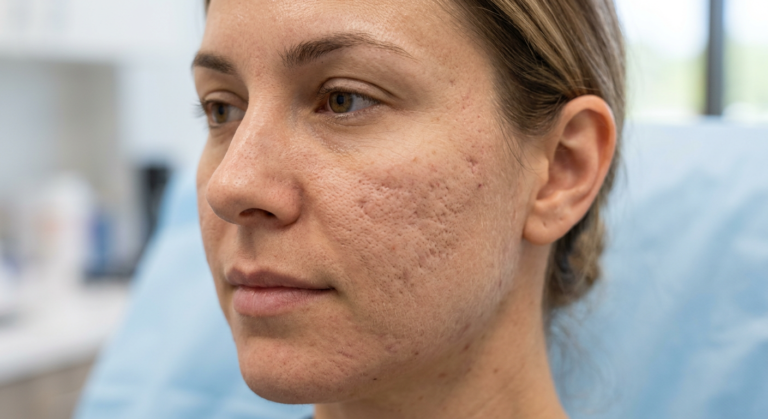
Look — I’ll always advocate for a strong at-home routine. But I also know when a cleanser and OTC products aren’t enough. If you’ve been consistent with a solid acne prone skin care routine for 8–12 weeks and you’re still breaking out significantly, it’s time to get professional help. Cystic acne, hormonal acne that cycles with your period, or acne that’s leaving scars — these need prescription-strength intervention.
I wrote a detailed guide on when to see a dermatologist for acne that covers the exact red flags to watch for. Don’t let pride or stubbornness cost you clear skin — or worse, leave you with permanent scarring.
Frequently Asked Questions
How often should I wash my acne prone face?
Wash your face twice daily — once in the morning and once at night. Over-washing strips your skin barrier and can actually increase oil production and breakouts. If you work out mid-day, a quick rinse with just water or a micellar water will suffice without a full cleanse.
Is salicylic acid or benzoyl peroxide better for acne?
Salicylic acid excels at unclogging pores and works best for blackheads and whiteheads (comedonal acne). Benzoyl peroxide kills C. acnes bacteria and is better for inflammatory, red pimples. Many dermatologists recommend using both in different steps of your routine — for example, a salicylic acid cleanser in the morning and a benzoyl peroxide wash at night.
Can a face wash alone cure acne?
Rarely. A face wash is a critical foundation, but most people with persistent breakouts need a complete routine that includes leave-on treatment products (retinoids, BHAs, or benzoyl peroxide), a non-comedogenic moisturizer, and sunscreen. Think of your cleanser as step one, not the entire plan.
Should I use a foaming or cream cleanser for acne?
Foaming cleansers work well for oily skin because they remove excess sebum effectively. Cream or gel cleansers suit combination or sensitive acne prone skin better because they cleanse without stripping essential moisture. Pick based on your skin type, not marketing hype.
My Top Recommended Gear
These are the products I personally use and recommend after years of testing. Every pick here has earned its spot through real-world performance, not sponsorship dollars.
- CeraVe Acne Foaming Cream Cleanser: Check Price on Amazon
- Paula’s Choice CLEAR Pore Normalizing Cleanser: Check Price on Amazon
- La Roche-Posay Effaclar Medicated Gel Cleanser: Check Price on Amazon
Disclaimer: This post contains affiliate links. As an Amazon Associate and ClickBank Partner, I may earn a commission from qualifying purchases at no additional cost to you.