PanOxyl vs CeraVe Acne Cleanser: Which One Is Better for Acne?
The PanOxyl vs CeraVe Acne Cleanser debate has probably kept you scrolling through Reddit threads at 2 AM, desperately trying to figure out which one won’t destroy your face. I get it. You’ve tried everything, your skin is angry, and you just want a straight answer from someone who’s actually tested both extensively. Here’s the frustrating truth: most “comparison” articles give you wishy-washy answers because they haven’t actually put these products through real-world testing. I have. And I’m going to tell you exactly which one works better—and more importantly, which one works better for your specific acne type.
Heads up: this post contains affiliate links. As an Amazon Associate, we may earn a commission from qualifying purchases at no additional cost to you.
Table of Contents
- The Quick Verdict: PanOxyl vs CeraVe
- Active Ingredients Breakdown
- Who Should Use Which Cleanser
- Real-World Performance Comparison
- Myth-Busting: What the Brands Won’t Tell You
- Advanced Tactics: Maximizing Results
- Frequently Asked Questions
- My Top Recommended Gear
The Quick Verdict: PanOxyl vs CeraVe
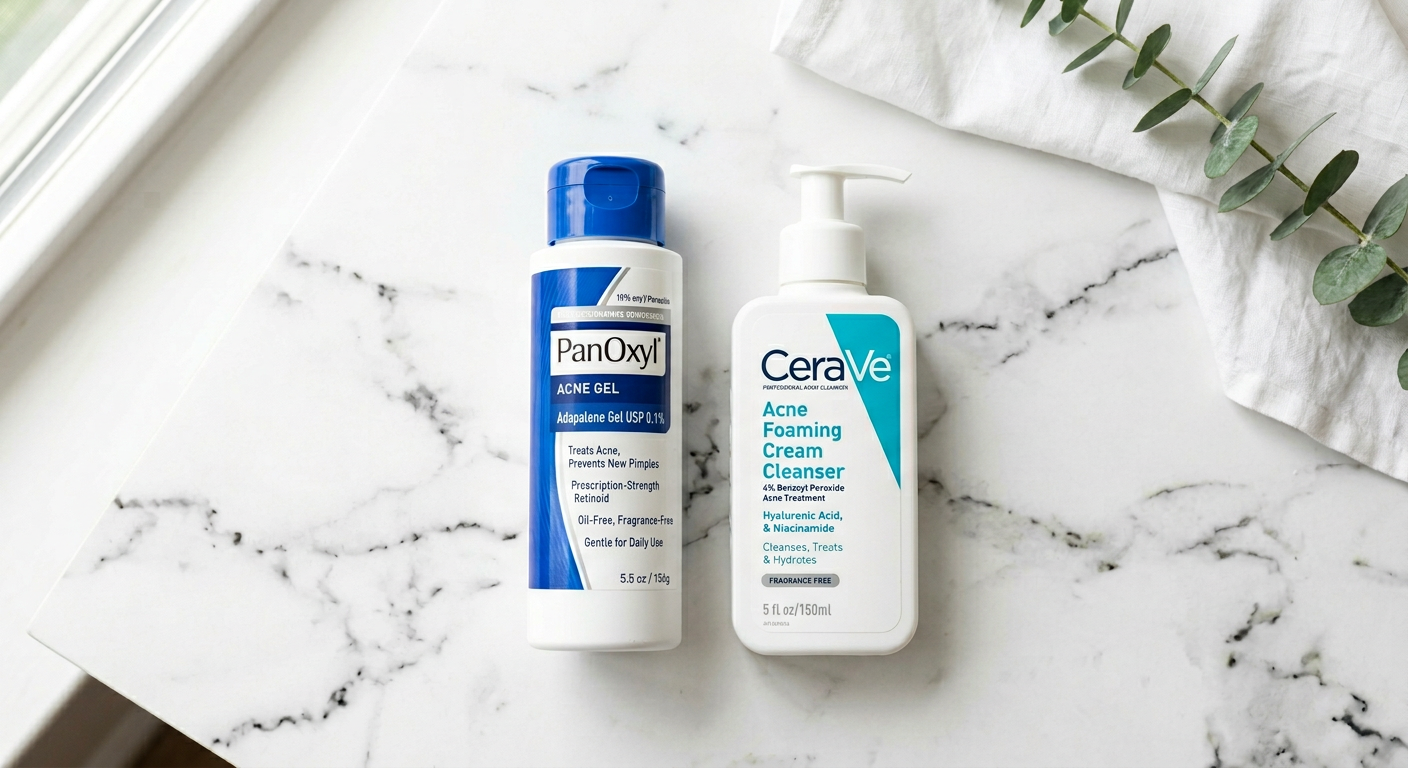
PanOxyl wins for inflammatory, bacterial acne (pustules, cysts, nodules) due to its powerful benzoyl peroxide formula. CeraVe Acne Cleanser excels for blackheads, whiteheads, and sensitive acne-prone skin thanks to its gentler salicylic acid and ceramide-rich formula. Your acne type determines the winner.
Here’s what nobody tells you about this acne cleanser comparison: neither product is universally “better.” This binary thinking is exactly what keeps people stuck in the breakout cycle. The real question isn’t which cleanser is superior—it’s which cleanser matches your specific skin situation. If you’re just starting your acne treatment journey, I recommend checking out my comprehensive beginner’s guide before making any purchases.
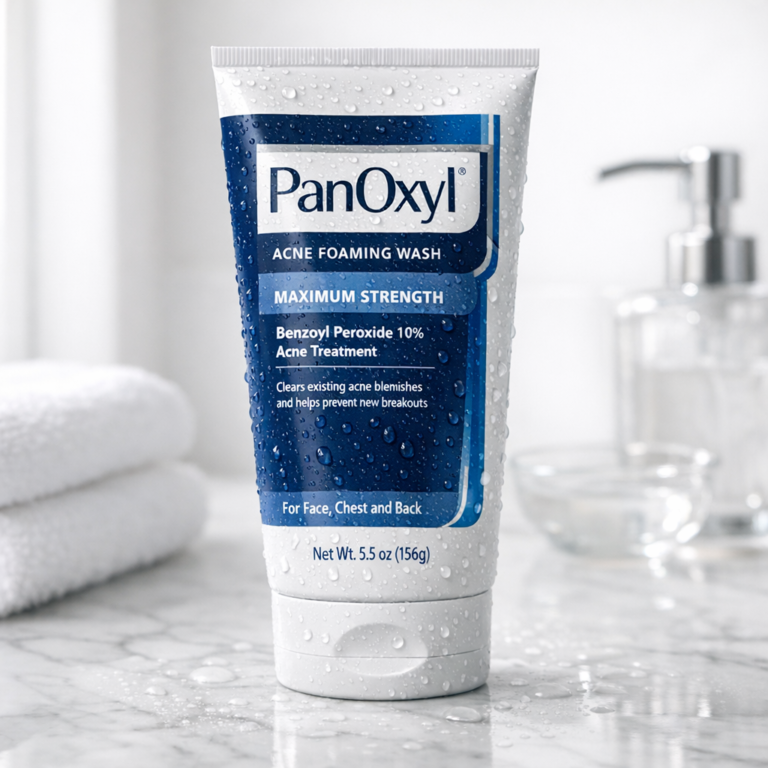
Let me break down the fundamental difference: PanOxyl uses benzoyl peroxide (available in 4% and 10% concentrations), which functions as an antibacterial agent that kills Cutibacterium acnes—the bacteria responsible for inflammatory breakouts. CeraVe Acne Cleanser uses 2% salicylic acid, a beta-hydroxy acid that exfoliates inside your pores and dissolves the gunk causing comedonal acne.
Two completely different mechanisms. Two completely different ideal users.
Active Ingredients Breakdown: The Science That Actually Matters
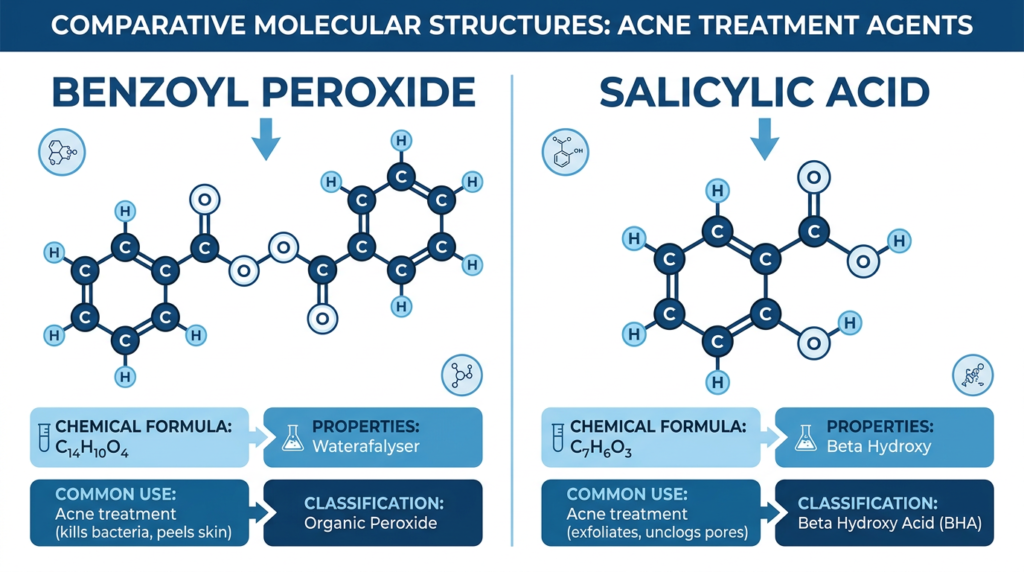
PanOxyl’s Benzoyl Peroxide: The Bacterial Assassin
Benzoyl peroxide has been a dermatological workhorse since the 1960s, and the American Academy of Dermatology still recommends it as a first-line treatment for mild to moderate acne. Here’s why I keep coming back to my detailed PanOxyl review: this ingredient does something salicylic acid simply cannot—it kills bacteria on contact.
The 10% concentration in PanOxyl’s maximum strength formula creates an oxygen-rich environment that’s hostile to C. acnes bacteria, which are anaerobic (they hate oxygen). According to research published in the National Library of Medicine, benzoyl peroxide reduces bacterial populations by up to 98% within five days of consistent use.
But here’s the insider knowledge most bloggers skip: benzoyl peroxide’s effectiveness doesn’t significantly increase beyond 2.5-5% for most people. The 10% version mainly increases irritation, not efficacy. The 4% version tends to deliver identical results with less dryness. Something to consider if you’re worried about sensitivity.
CeraVe’s Salicylic Acid: The Pore Unplugging Expert
Salicylic acid works through a completely different pathway. As a lipophilic (oil-loving) acid, it penetrates sebum-filled pores and dissolves the dead skin cells and oil that form comedones. If you’re dealing primarily with blackheads and whiteheads, this is your weapon. I cover different acne types in detail here if you’re unsure what you’re working with.
What makes CeraVe’s formulation unique is the supporting cast: ceramides 1, 3, and 6-II, plus niacinamide and hyaluronic acid. These ingredients help maintain your skin’s moisture barrier while the salicylic acid does its exfoliating work. It’s a gentler approach that won’t leave you looking like a flaky mess. For my complete breakdown, check out my CeraVe Acne Control Cleanser review.
Who Should Use Which Cleanser: The Decision Framework
Let me give you the framework I use when helping people choose the best acne face wash for their situation. This isn’t guesswork—it’s based on ingredient science and consistent reader feedback over time.
Choose PanOxyl If You Have:
- Inflammatory acne: red, swollen pimples, pustules, or cystic breakouts
- Oily skin that can handle stronger active ingredients
- Hormonal acne concentrated on the chin and jawline
- Stubborn body acne (back, chest, shoulders)
- Acne that hasn’t responded to salicylic acid products
Choose CeraVe Acne Cleanser If You Have:
- Comedonal acne: blackheads, whiteheads, closed comedones
- Sensitive or dry skin that irritates easily
- Combination skin with occasional breakouts
- A compromised moisture barrier from over-treating
- Concerns about fabric bleaching (benzoyl peroxide will destroy your colored towels, FYI)
For those dealing with multiple skin concerns beyond acne, CeraVe’s barrier-supporting formula often proves more versatile. But if your primary battle is against angry, inflamed breakouts, PanOxyl’s benzoyl peroxide cleanser remains my go-to recommendation.
Real-World Performance: What I Actually Experienced
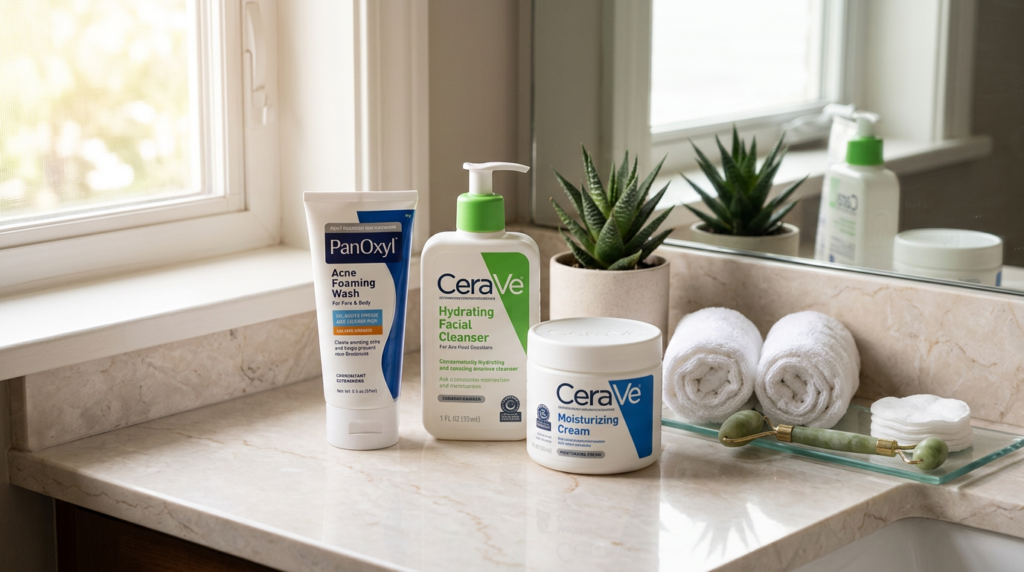
I tested both products for six weeks each, using them as my sole acne-fighting cleanser during each period. Here’s my honest breakdown of how each performed.
PanOxyl 4% Daily Control: My Experience
Within the first week, I noticed my existing pimples flattened faster than usual. By week two, new breakouts were noticeably fewer. The texture felt like a standard foaming wash—nothing luxurious, but it got the job done. The main downside? Even at 4%, my skin felt tight after cleansing, and I absolutely needed to follow up with a solid moisturizer. My colored bath towels? Two of them now have lovely orange-ish stains. Lesson learned 🙂
The 10% version generally isn’t worth the extra irritation for most users. If you’re considering the max strength formula, start with 4% and only upgrade if you see no results after 8 weeks.
CeraVe Acne Cleanser: My Experience
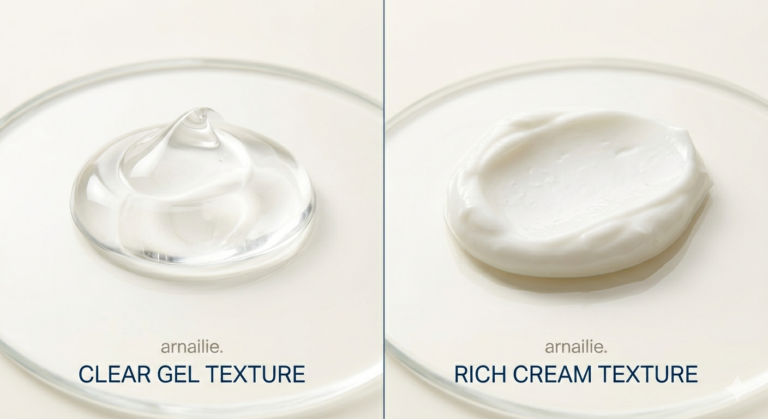
This felt more like a skincare product and less like a treatment. The gel texture was pleasant, and my skin never felt stripped afterward. For clearing active inflammatory acne, it worked slower than PanOxyl—I needed about four weeks to see meaningful improvements. However, my overall skin texture improved significantly, and those stubborn blackheads on my nose finally started clearing.
IMO, CeraVe wins on user experience but loses on aggressive acne-fighting power. It depends entirely on what you’re prioritizing.
Myth-Busting: What the Brands Won’t Tell You
Time to debunk some persistent myths I see repeated across skincare forums and even by some “experts” who should know better.
Myth #1: Higher Percentage = Better Results
False. Multiple studies, including research from the Journal of Drugs in Dermatology, show that 2.5% benzoyl peroxide performs comparably to 5% and 10% formulations for most users. The higher concentrations primarily increase side effects without proportionally increasing efficacy. Start low, and only increase if needed.
Myth #2: You Need to “Feel the Burn” for It to Work
Absolutely not. If your cleanser causes burning, stinging, or excessive peeling, your skin barrier is compromised. Effective doesn’t mean aggressive. Both PanOxyl and CeraVe should cleanse without causing significant discomfort. If they do, reduce frequency or switch products.
Myth #3: Cleansers Alone Will Clear Your Acne
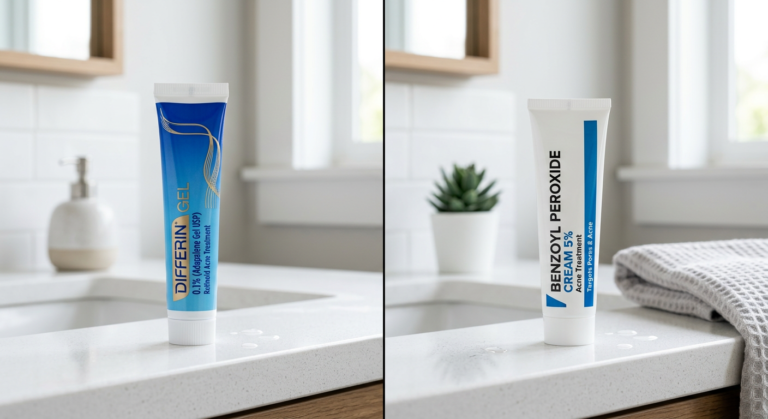
Here’s the hard truth: cleansers have limited contact time with your skin. They’re washing off before the active ingredients can fully work. Think of your cleanser as the first line of defense, not your entire treatment plan. For stubborn acne, you’ll likely need leave-on treatments. I compare options like Differin vs benzoyl peroxide in my treatment guides for this exact reason.
Further viewing (third-party, not affiliated with this site): This video from a board-certified dermatologist breaks down acne cleanser selection criteria—worth watching if you want additional professional perspective on choosing between benzoyl peroxide and salicylic acid.
Advanced Tactics: Maximizing Your Results
Once you’ve chosen your cleanser, here are pro-level strategies for acne-prone skin:
The Contact Time Technique
Instead of immediately rinsing your cleanser, let it sit for 60-90 seconds before washing off. This gives the active ingredients additional time to work. I’ve seen significantly better results with this simple adjustment—especially with benzoyl peroxide products.
The Strategic Rotation Method
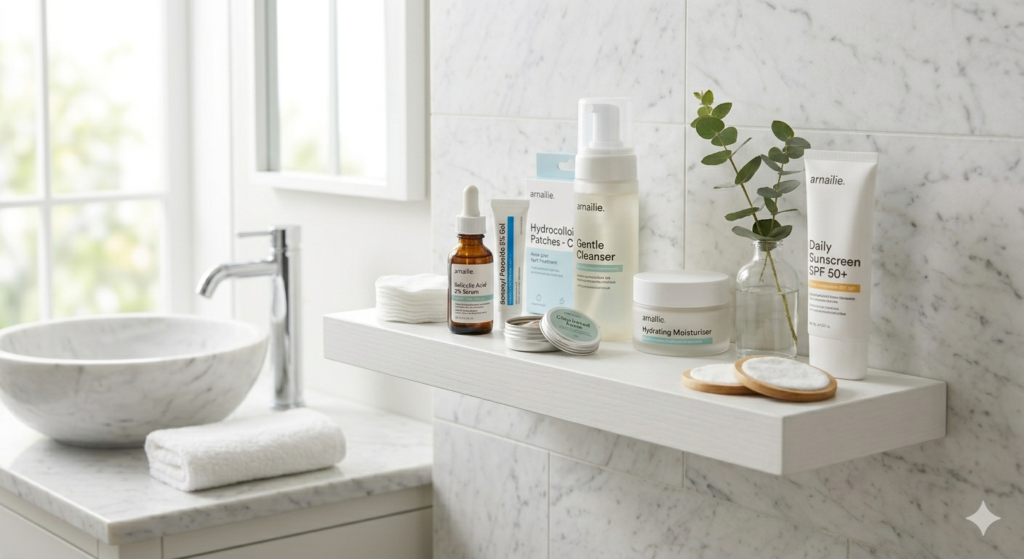
If your acne includes both inflammatory lesions AND comedones, consider rotating products. Use your benzoyl peroxide cleanser in the morning and a gentle cleanser at night, adding a salicylic acid leave-on treatment. Or alternate days. This addresses multiple acne mechanisms without overwhelming your skin.
The Moisture Barrier Priority
Always—and I mean always—follow your acne cleanser with a non-comedogenic moisturizer. A damaged moisture barrier leads to increased oil production, which leads to more breakouts. It’s a vicious cycle I’ve watched too many people fall into. Check out my product reviews section for moisturizer recommendations that won’t clog pores.
Know When to Level Up
If you’ve used either cleanser consistently for 12 weeks without improvement, it’s time to consider prescription options or add a retinoid like Differin Gel to your routine. Cleansers can only do so much—sometimes you need the big guns. Explore additional acne treatment options if you’re hitting a plateau.
Frequently Asked Questions
Can I use PanOxyl and CeraVe Acne Cleanser together?
I don’t recommend using both cleansers in the same routine. Combining benzoyl peroxide and salicylic acid cleansers can over-strip your skin and damage your moisture barrier. If you want to use both active ingredients, alternate them on different days or use one in the morning and one at night after your skin has built tolerance.
Which cleanser is better for cystic acne?
PanOxyl is generally more effective for cystic acne because benzoyl peroxide kills acne-causing bacteria deep within pores. Cystic acne is primarily driven by bacterial infection, making PanOxyl’s antibacterial action more targeted for this severe acne type.
Will PanOxyl bleach my towels and pillowcases?
Yes, benzoyl peroxide will absolutely bleach fabrics. Use white towels when drying your face and consider white pillowcases. Make sure to rinse your face thoroughly and wait for your skin to dry completely before contact with colored fabrics.
How long does it take to see results from these acne cleansers?
Most people notice improvements within 4-6 weeks of consistent use. However, your skin may experience a purging period during the first 2-3 weeks where breakouts temporarily worsen. This is normal and indicates the product is working to clear clogged pores.
Is CeraVe Acne Cleanser good for sensitive skin?
CeraVe Acne Cleanser is generally better tolerated by sensitive skin than PanOxyl due to its gentler salicylic acid formula and inclusion of ceramides and niacinamide. However, patch testing is still recommended for anyone with reactive skin.
My Top Recommended Gear
Based on ingredient science and reader feedback, here are the products worth considering for building a complete acne-fighting routine:
- Best Benzoyl Peroxide Cleanser: PanOxyl Acne Foaming Wash 4% – The perfect balance of effectiveness and tolerability for most skin types.
- Best Salicylic Acid Cleanser: CeraVe Acne Control Cleanser – Gentle yet effective, with added skin-barrier benefits.
- Essential Follow-Up Moisturizer: CeraVe PM Facial Moisturizing Lotion – Lightweight, non-comedogenic, and perfect for acne-prone skin post-cleanse.
The bottom line? Stop searching for the “perfect” acne cleanser and start matching products to your specific acne type. PanOxyl and CeraVe Acne Cleanser are both excellent options—they just excel at different things. Identify your primary acne concern, choose accordingly, and give it 8-12 weeks of consistent use before making judgments. Your skin will thank you.
Disclaimer: This post contains affiliate links. As an Amazon Associate, I may earn a commission from qualifying purchases at no additional cost to you.