Back Acne Secrets: 9 Powerful Fixes That Work
Back acne is the uninvited guest that shows up right before every pool party, beach trip, and backless-dress occasion you’ll ever have. You scrub, you switch products, you pray to the skincare gods — and yet those stubborn body breakouts cling on like they pay rent. Here are nine fixes worth trying — no filler, no recycled advice from page-one listicles that clearly never touched a breakout.
If you’re brand new to tackling breakouts, I recommend starting with our complete beginner’s guide to build your foundation first.
Heads up: this post contains affiliate links. As an Amazon Associate, we may earn a commission from qualifying purchases at no additional cost to you.
Table of Contents
- What Really Causes Back Acne?
- Daily Habit Fixes (#1–#3)
- Product Upgrades That Deliver (#4–#6)
- Deeper Fixes Most People Skip (#7–#9)
- Frequently Asked Questions About Back Acne
- My Top Recommended Gear
What Really Causes Back Acne?
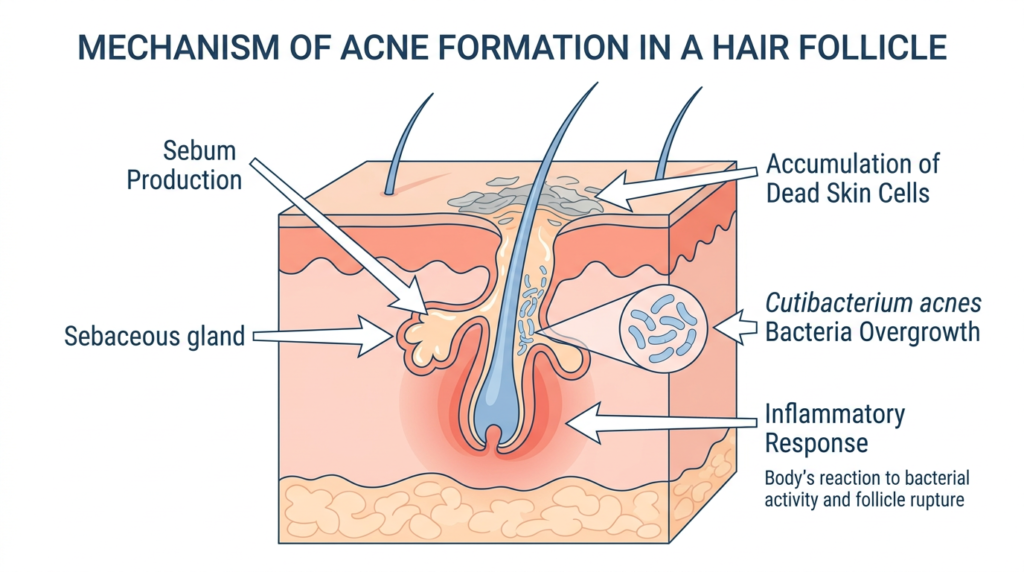
Back acne develops when hair follicles on the back become clogged with excess sebum, dead skin cells, and acne-causing bacteria (Cutibacterium acnes). Hormonal fluctuations, friction from clothing, sweat, and genetic predisposition all amplify the problem, making body acne one of the most persistent forms of breakouts.
Here’s what most surface-level articles won’t tell you: your back has some of the largest and most active sebaceous glands on your entire body. According to the American Academy of Dermatology, the back, chest, and shoulders are acne hotspots precisely because of this gland density. That means the same acne treatment strategy you use on your face often needs to be stronger — or at least different — for your back.
The four primary acne causes on the back are excess oil production, follicular hyperkeratinization (fancy term for dead skin buildup), bacterial colonization, and inflammation. Hormones like androgens dial up oil production, which is why body acne tends to flare during puberty, menstrual cycles, and periods of high stress. Understanding which of these drivers dominates your breakouts is step one. To better understand the specific type you’re dealing with, check out our guide to acne types.
Daily Habit Fixes (#1–#3)
Fix #1: Shower Immediately After Sweating
This sounds painfully obvious, but I can’t tell you how many people hit the gym, drive home, make a snack, scroll their phone for 40 minutes, and then shower. That entire time, sweat mixed with bacteria sits inside occluded pores on your back. The Mayo Clinic specifically recommends showering as soon as possible after sweating as a frontline acne treatment strategy. If you can’t shower right away, at the very least change into a dry shirt and use a medicated body wipe. IMO, this single habit change clears more body breakouts than any expensive product.
Fix #2: Stop Washing Your Hair Last
Here’s a sneaky one. If you wash your hair at the end of your shower, conditioner and shampoo residue runs straight down your back. Many conditioners contain silicones and fatty alcohols — great for hair, terrible for acne-prone skin. Flip your routine: wash and condition your hair first, clip it up, then wash your body. You’d be shocked how many people fix their back acne with this one tweak alone.
Fix #3: Change Your Sheets and Workout Clothes Religiously
Sleeping on sheets caked with a week’s worth of dead skin and body oil is basically marinating in acne causes. Swap your sheets every 5–7 days. And never — I repeat, never — re-wear a workout shirt without washing it. Bacteria thrive in damp fabrics. This is clear skin tips 101 that people chronically ignore.
Product Upgrades That Deliver (#4–#6)
Fix #4: Use a Benzoyl Peroxide Body Wash
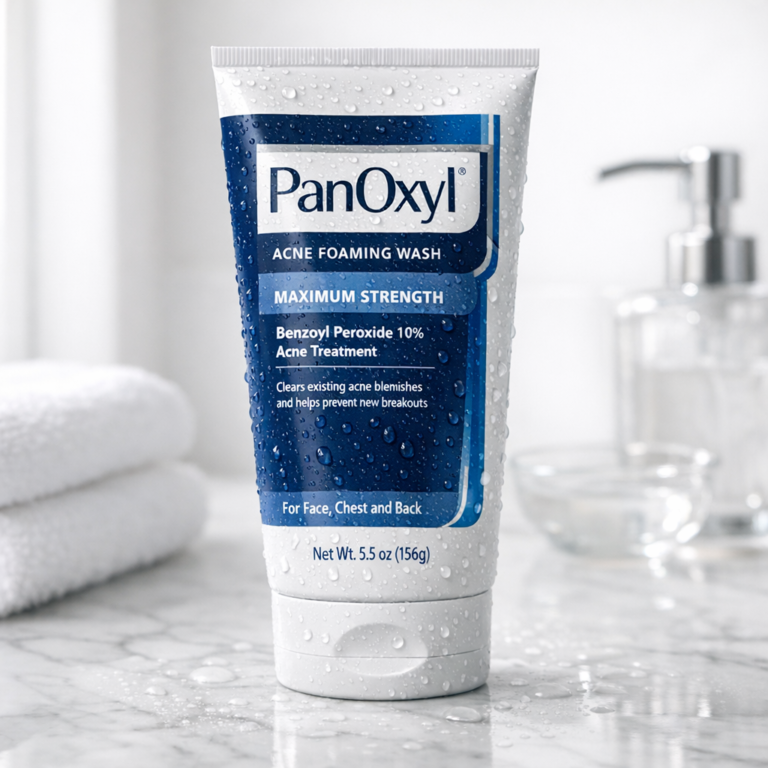
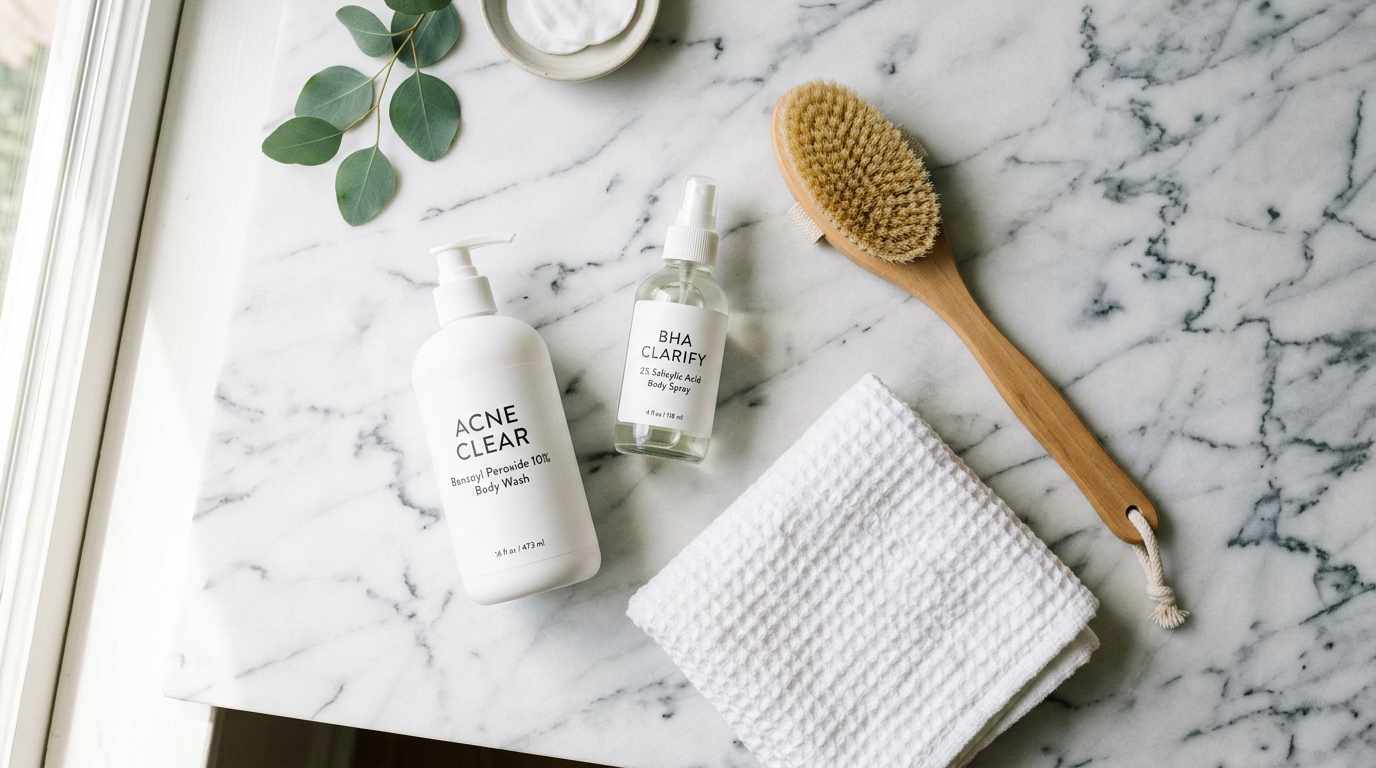
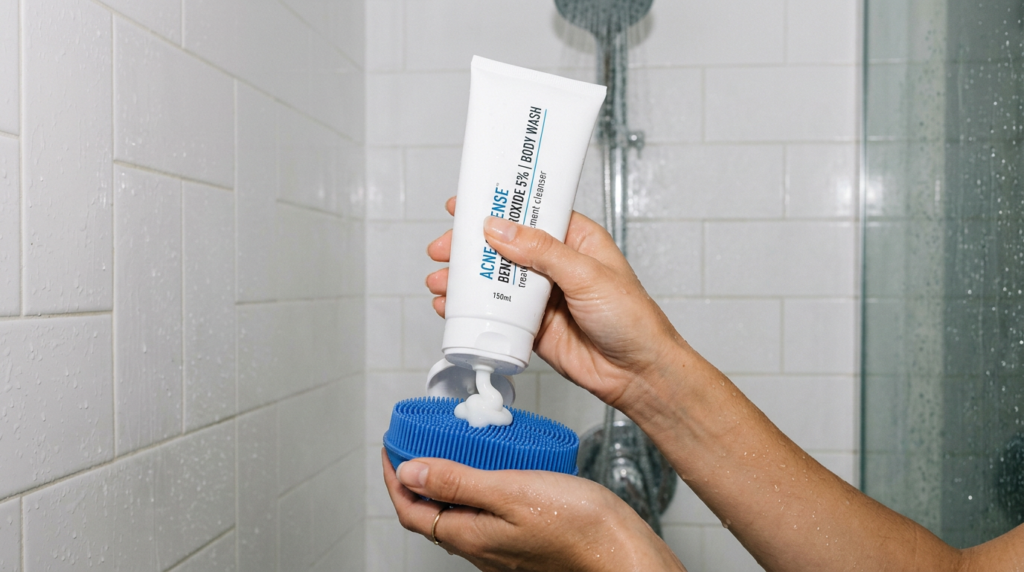
If I could recommend exactly one product for body acne, it would be a 5–10% benzoyl peroxide wash. Not a bar soap. Not your partner’s 3-in-1 shampoo-conditioner-body-wash abomination. A dedicated medicated wash. Benzoyl peroxide kills C. acnes bacteria on contact and penetrates into the follicle where breakouts start. The National Institutes of Health recognizes it as one of the most effective OTC acne-fighting ingredients available. Apply it, let it sit for 60–90 seconds before rinsing, and prepare to see results within a few weeks. Fair warning: it will bleach your towels and colored shirts, so use white ones.
For a deeper look at treatment options beyond body washes, explore our full acne treatments breakdown.
Fix #5: Add a Salicylic Acid Spray for Maintenance
Here’s an insider move: after you’ve knocked down active breakouts with benzoyl peroxide, switch to a salicylic acid (BHA) body spray for maintenance. Salicylic acid is oil-soluble, meaning it penetrates into pores and dissolves the gunk that causes clogs. A spray format is perfect for the back because — let’s be honest — reaching back there with a cream is an Olympic-level flexibility challenge :). Look for 2% salicylic acid sprays and apply them to dry skin after showering.
Fix #6: Exfoliate With a Long-Handle Brush (But Gently)
Physical exfoliation gets a bad reputation, and honestly, when people go at their skin like they’re sanding a deck, they deserve it. But gentle exfoliation with a soft-bristle, long-handle brush helps remove the dead skin cell layer that traps oil and bacteria. Use it 2–3 times per week — not daily. Pair it with your medicated body wash for a one-two punch. Over-exfoliating damages your skin barrier and triggers even more body breakouts, so restraint is key here. https://
Further viewing (third-party, not affiliated with this site): This dermatologist-led video offers an excellent visual walkthrough of medicated wash application techniques and product layering for back acne — well worth 10 minutes of your time if you’re a visual learner.
Deeper Fixes Most People Skip (#7–#9)
Fix #7: Wear Breathable, Moisture-Wicking Fabrics
Cotton feels comfortable, but when you sweat, it holds moisture against your skin like a wet blanket. For workouts and hot days, switch to moisture-wicking synthetic blends that pull sweat away from your body. Tight, non-breathable clothing creates friction (a condition dermatologists call “acne mechanica”) that directly triggers back acne. If you’re also battling breakouts elsewhere on your body, our skin concerns page covers targeted strategies for every problem area.
Fix #8: Audit Your Diet — Seriously
I’m not going to tell you that pizza causes acne — that’s an oversimplification. But the research is becoming hard to ignore. A 2022 meta-analysis in the Journal of the American Academy of Dermatology found significant associations between high-glycemic diets, dairy intake, and increased acne severity. Refined carbs spike insulin, which spikes androgens, which spike sebum production. You know what happens next. I’m not saying you need to eat like a monk, but cutting back on sugary drinks, white bread, and excessive dairy while increasing omega-3 fatty acids and leafy greens has helped many of my readers reduce stubborn body acne. TBH, the dietary connection is the most underrated of all acne remedies.

Fix #9: Know When to See a Dermatologist
If you’ve been consistent with OTC acne treatment for 8–12 weeks and your back still looks like a battlefield, it’s time to call in the professionals. A dermatologist can prescribe topical retinoids, oral antibiotics, hormonal therapies (for women), or even isotretinoin for severe cystic back acne. Don’t let pride or internet DIY culture keep you from a board-certified expert who deals with this every single day. Sometimes the best skincare routine is the one a doctor writes for you.
Just like breakouts on the forehead, back acne often has a specific trigger pattern — and a pro can identify yours faster than trial-and-error ever will.
Frequently Asked Questions About Back Acne
How long does it take to clear back acne?
Most people notice meaningful improvement within 4 to 8 weeks of consistent treatment. Severe or cystic cases may need 3–6 months with prescription options. Patience and consistency matter more than product potency.
Can back acne leave permanent scars?
Absolutely. Picking or popping inflamed lesions increases scarring risk significantly. Post-inflammatory hyperpigmentation and raised keloid scars are common outcomes of untreated or poorly managed body acne. Early intervention is your best defense.
Is back acne caused by poor hygiene?
Not directly. Genetics and hormones are the primary drivers. Over-washing can actually damage your skin barrier and worsen breakouts. Smart, targeted cleansing beats aggressive scrubbing every time.
Should I use the same products on my back as my face?
Your back skin is thicker and can handle higher concentrations of active ingredients. A 10% benzoyl peroxide wash that would scorch your face works perfectly well on your back. Choose body-specific formulations whenever possible.
Does diet really affect back acne?
Growing evidence links high-glycemic foods and dairy to increased acne severity. Diet alone rarely causes back acne, but cleaning up nutrition reduces systemic inflammation and supports your overall treatment plan.
My Top Recommended Gear
After testing more products than I care to admit, these three consistently deliver for body acne sufferers. I recommend them constantly because they work — and because they won’t drain your bank account.
- PanOxyl 10% Benzoyl Peroxide Body Wash — The gold standard medicated body wash. Apply to wet skin, wait 60–90 seconds, rinse. Expect visible results within three weeks.
- Paula’s Choice 2% BHA Body Spray — Perfect for maintenance after you clear active breakouts. The spray nozzle reaches every awkward angle on your back without help.
- Silicone Long-Handle Back Scrubber — Gentler than bristle brushes, easy to sanitize, and perfect for applying medicated washes to hard-to-reach areas.
Disclaimer: This post contains affiliate links. As an Amazon Associate, I may earn a commission from qualifying purchases at no additional cost to you.